
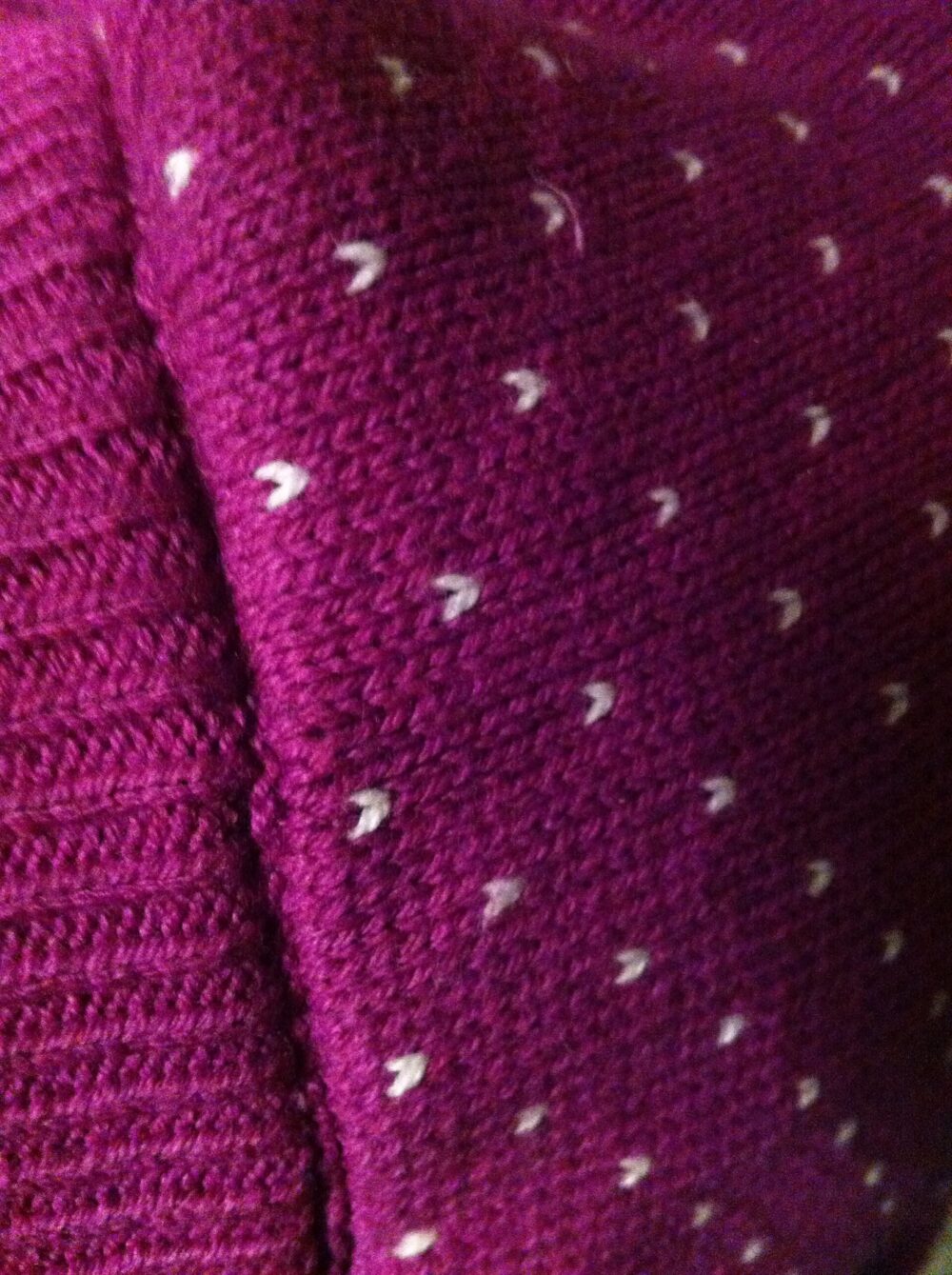
Joann-style retail is no longer a dependable path for buying knit fabric in bulk. With Joann in liquidation and focusing on clearing stores rather than supporting repeat orders, small US apparel businesses now have to treat knit fabric as a true wholesale sourcing decision, not a weekend errand. That usually means choosing between domestic knit wholesalers and cross-border marketplaces like DHgate for ongoing production runs.
For knits, the right channel depends on how much control you need over specs and repeatability. Domestic wholesalers tend to offer clearer fabric data and easier communication; DHgate can offer lower minimums and huge variety but requires more work verifying sellers and samples. Below is a fabric-specific workflow to help you decide where Joann-style buying stops and wholesale sourcing begins.
After Joann: How Knit Fabric Wholesale Really Works Now
Joann Fabrics grew up as a retail chain: walk in, buy a few yards, maybe catch a sale. That model breaks down once you’re trying to build a clothing line or a Shopify shop that needs the same knit, month after month. As AP News has reported, Joann has moved into liquidation and store closure, with orders prioritized in-store and a wave of lookalike domains confusing customers.AP News overview This is not the environment you want for planning next season’s production.
Knit fabric wholesale is structured very differently from retail. Most wholesale suppliers buy greige (undyed) knits from mills, then finish, warehouse, and distribute by the roll or case. Quality wholesalers distinguish themselves with clear specs: fabric type (jersey, rib, French terry, interlock), fiber content (e.g., 95% cotton / 5% spandex), weight (gsm or oz/yd²), stretch direction, and recommended use (leggings, tees, swimwear, etc.). Blogs from US knit specialists highlight how this spec clarity and consistent availability are central to being a reliable wholesale partner.Pinecrest supplier traits
If you used Joann knits for sampling, the big risk now is that you can’t reorder that same fabric once you’ve shown it to buyers and collected pre-orders. Wholesale guides warn that using non-repeatable fabrics for your prototypes is a classic mistake: you take orders and then can’t get the material again, or not at the same shade.CanvasETC bulk tips
For a small apparel brand, that means you now:
- Pick wholesale-grade knits from the start
- Confirm that your supplier treats the fabric as a running item, not a one-off
- Think in terms of color lots and reorder windows, not just today’s sale

Choosing Knit Fabric Suppliers: Domestic vs Cross-Border Marketplaces
For knits, you’re not just choosing a price; you’re choosing a spec you can live with for multiple runs. Use these fabric-specific filters when comparing US wholesalers with DHgate or other marketplaces.
1. Fabric specs and use-case clarity
A serious knit wholesaler will publish at least:
- Knit type (single jersey, rib, interlock, ponte, French terry)
- Fiber blend and stretch percentage
- Weight and hand feel (e.g., light tee vs heavy sweat)
- Recommended end uses
US wholesale blogs emphasize how this spec detail—and willingness to explain how a fabric behaves in garments—is a marker of a quality supplier, not just a reseller.Pinecrest supplier traits
On DHgate or similar marketplaces, you’ll often see more generic labels. Your job is to push for details via messaging before you treat a listing as production-grade.
2. Repeatability, color lots, and stocking behavior
Bulk buying gives you better pricing but introduces three knit-specific risks:CanvasETC bulk tips
- You may over-buy the wrong knit if you haven’t tested properly.
- Reorders can arrive from a different dye lot and not match perfectly.
- The fabric may be discontinued once you’ve built your line around it.
With a domestic wholesaler, you can ask directly how often they restock a given knit, whether it’s a long-running program, and how they handle lot differences.
3. Marketplace signals and red flags
Here are fabric-focused signals to compare channels:
| Channel type | Typical strengths (editorial view) | Common risks for knits |
|---|---|---|
| US knit wholesalers | Clear specs, domestic stock, easier communication | Higher MOQs; limited pattern/print variety |
| DHgate (China-based B2B marketplace) | Millions of products and suppliers, including clothing textiles; often lower MOQs than some traditional platforms | Spec gaps; more work verifying repeatability |
| Alibaba / Made-in-China | Strong for very high volumes and customized textile orders | MOQs and negotiation complexity for small runs |
| Yiwugo | Ultra-cheap small commodities, some apparel | Quality variation; not knit-specific specialists |
DHgate’s own editorial materials describe it as a large B2B marketplace connecting global buyers with millions of suppliers across clothing and other categories, with minimum order requirements that often trend lower than platforms built mainly for large importers.DHgate marketplace profile DHgate MOQ comparison That can be a real advantage if you want to test 50 yards of a knit before committing.
Wherever you source, insist on knit-specific sampling: order a small yardage, wash, sew, and wear test before you book a full roll.
Using DHgate for Knit Fabric Wholesale and When Alternatives Win
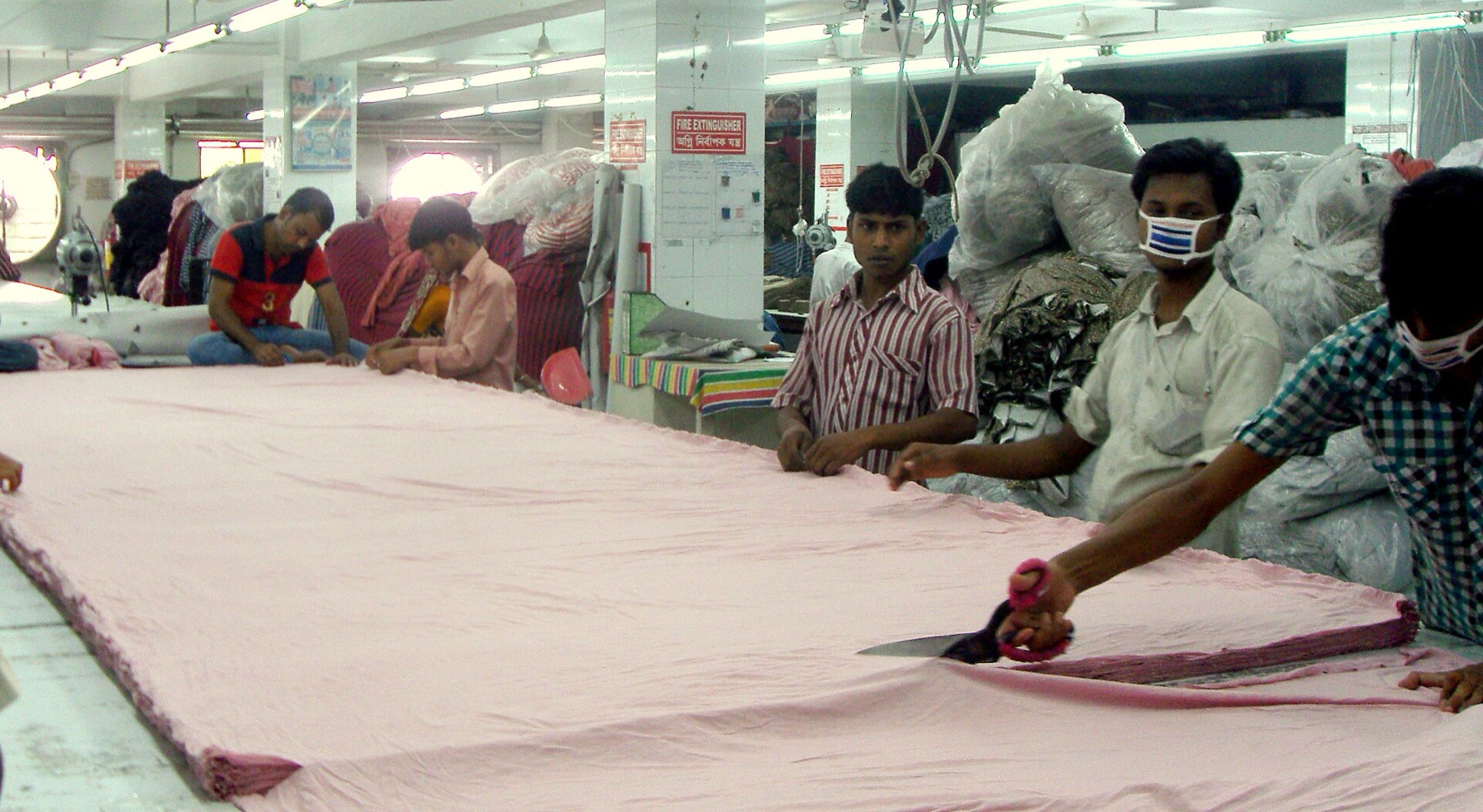
DHgate is not a fabric mill—it’s a marketplace directory of many sellers, some of whom trade in clothing textiles and knits. To make it work for wholesale knits, you need a structured workflow.
Step 1: Define your knit spec before you search
Write a simple brief:
- Product: “cotton spandex jersey for t-shirts” or “poly/rayon brushed knit for loungewear”
- Fiber blend, approximate weight, stretch requirements
- Color strategy: solids vs prints; do you need Pantone-level matching?
- Expected first order and potential reorders
Use these terms in DHgate’s search (e.g., “cotton spandex jersey fabric”), then filter to fabric/textile categories rather than finished garments.
Step 2: Screen sellers using listing evidence
Because DHgate listings and policies vary by seller, you’re looking for clues, not guarantees:
- Detailed specs that resemble what a US wholesaler would publish
- Clear photos of the fabric surface and selvage
- Stated minimum order quantities that match your testing budget (DHgate’s blog notes MOQs there can often be lower than some traditional wholesale sites, which helps with small test runs).DHgate MOQ comparison
For promising listings, send a message asking specifically:
- Is this a stock fabric or a custom run?
- Can you supply the same knit for at least 6-12 months?
- Will you ship a physical sample or small yardage first?
You can use DHgateWiki’s guides on finding DHgate suppliers and choosing a DHgate wholesale supplier as general frameworks; then adapt the questions to fabric behavior and repeatability.
Step 3: Plan sampling and landed cost
For each candidate DHgate knit:
- Order the smallest practical quantity that still lets you sew a test garment.
- Track total landed cost: fabric price + shipping + any fees, converted to cost per yard or meter.
- Compare that landed cost to domestic quotes from knit wholesalers you’ve contacted by email or phone.
Guides to bulk fabric buying underscore that price alone is a trap: buying a large quantity of the wrong knit can cost more than paying slightly higher prices for the right one.CanvasETC bulk tips
Step 4: Decide when DHgate is a fit—and when it isn’t
DHgate is often a good fit if:
- You need lower MOQs to prove out a new knit concept.
- You’re flexible on fabric origin and can invest extra effort in vetting.
- You value access to a wide variety of prints or specialty knits not stocked domestically.
Alternatives may win if:
- You need tight control over specs and color lots across many reorders (US knit wholesalers or long-term mill relationships often perform better here).
- You’re planning very large, customized runs with lab-dip processes; platforms like Alibaba or Made-in-China are more oriented to that scale.
- You want ultra-cheap, simple commodity textiles and are comfortable with quality variation; Yiwugo’s positioning is closer to that use case.DHgate competitor context
For many small US apparel businesses, the practical strategy after Joann is hybrid: use domestic knit wholesalers for your core program fabrics, and use DHgate or other marketplaces for experimental lines where lower MOQs and more variety outweigh the extra sourcing work.
Before choosing a DHgate supplier, use Find wholesale suppliers on DHgate.
If you treat Joann-style shopping as a sampling shortcut and wholesale channels as your real production source, you’ll be less exposed to closures and clearer about what each supplier in your fabric stack is actually doing.