
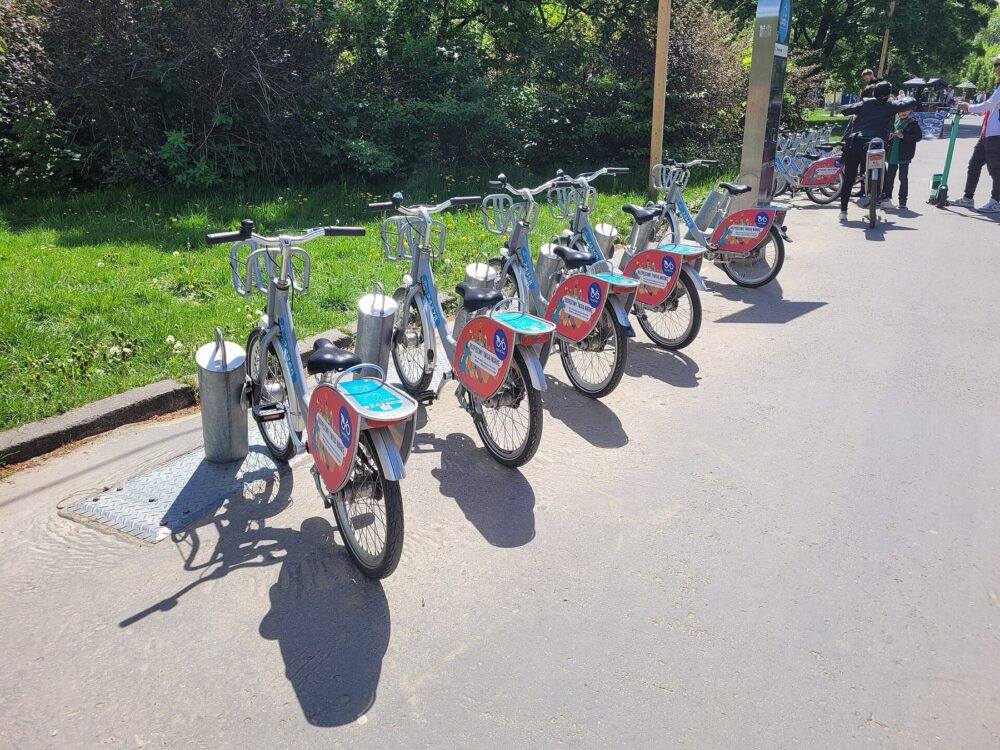
Wholesale children’s bikes means buying kid-specific bicycles in bulk from factories or trading companies and importing them for resale. For a US store, the real decision isn’t just price; it’s whether you can meet safety expectations, handle MOQs, and trust a supplier enough to repeat orders. Cross-border marketplaces like DHgate, and factory directories such as Made-in-China, can help you find suppliers, but you still have to do the hard work on samples, documentation, and landed cost before you commit.
How Wholesale Children’s Bikes Work and Who This Model Suits
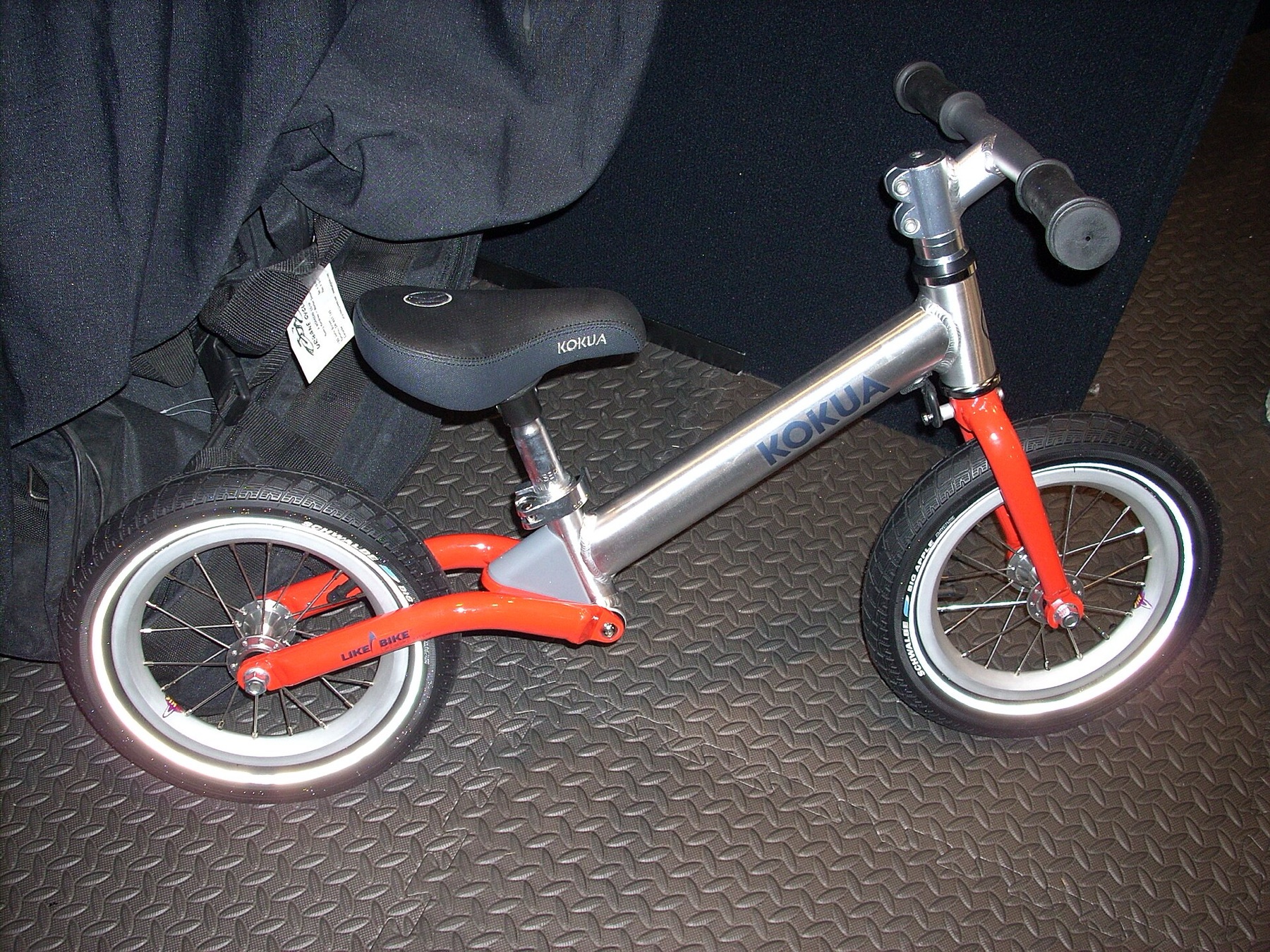
In wholesale, you’re buying bikes designed for kids across size ranges — often 12-20 inch wheels for US-focused sellers — in cartons or pallets instead of one-by-one retail units. Specialist wholesale sites like Ryden present kids’ bikes in clear age/size bands and emphasize US safety references like CPSIA, which is a good clue to how the category is structured for American buyers.
Production is heavily concentrated in Asia, especially China, where many OEM factories build children’s bikes with options for different wheel sizes, frame styles, and accessories. These factories typically expect you to buy in bulk and think in terms of containers or mixed batches, not single units.
Wholesale kids’ bikes make sense if:
- You have predictable demand (local bike shop, regional chain, school/club programs, or an ecommerce brand).
- You can store at least dozens of bikes and handle assembly or pay a local mechanic.
- You’re ready to engage with basic import logistics and US safety requirements.
If your current demand is fewer than a couple dozen kids’ bikes per season, local distributors or domestic brands may be lower risk than cross-border wholesale.
Choosing and Vetting Children’s Bike Suppliers
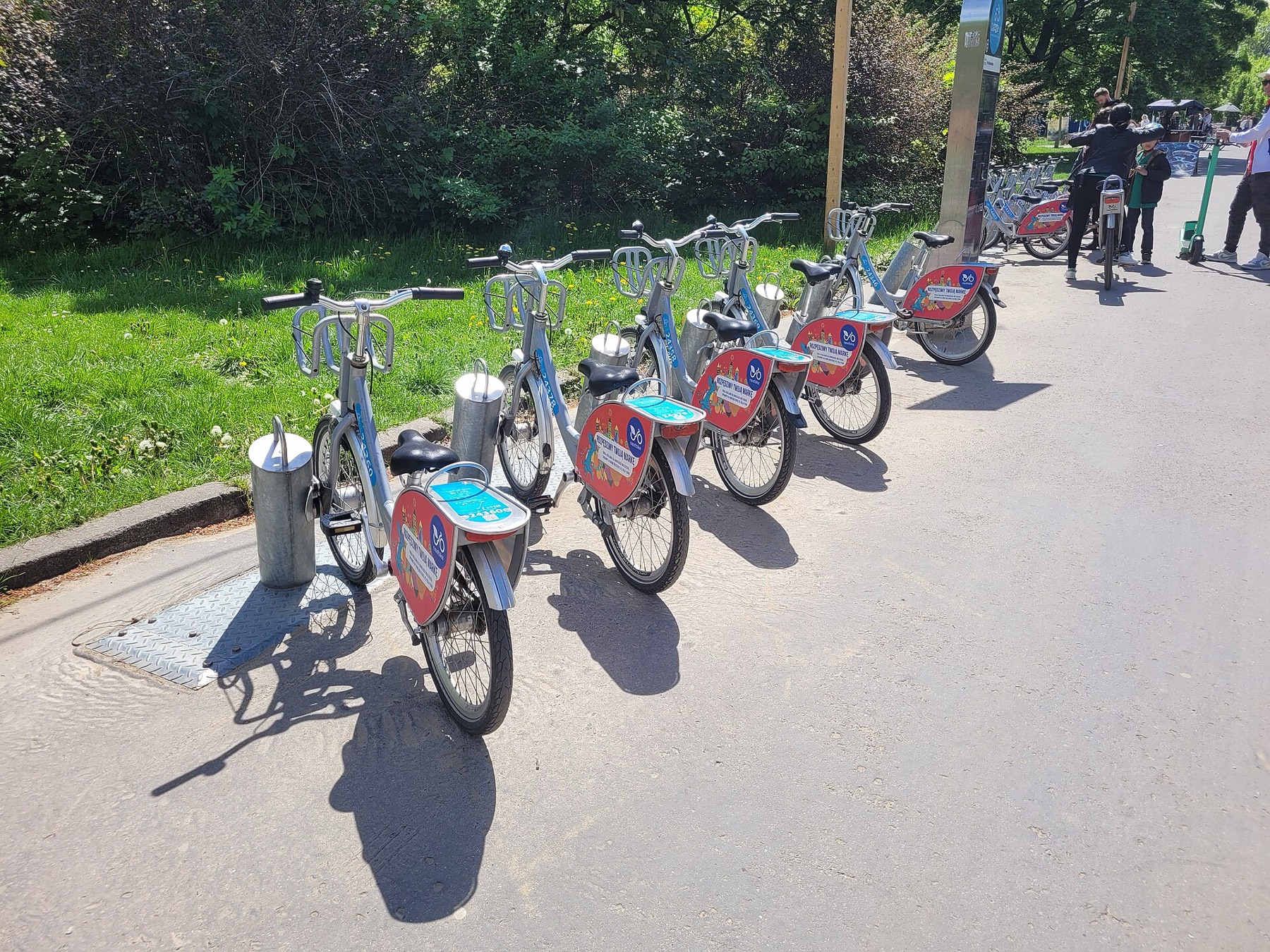
You’ll see three main supplier types: OEM factories, trading companies, and marketplace sellers who sit on top of those factories. OEM specialists like Bolun’s children’s bikes often offer multiple wheel sizes in one product family and allow custom decals or branding, which is useful if you’re building a house brand.
Regardless of channel, your vetting should be specific to bikes for kids, not generic “good supplier” rules.
1. Product range and specs Ask for a clear size and spec sheet: wheel size options (e.g., 12/14/16/18/20-inch), recommended age/height ranges, brake type, frame material, and whether training wheels are included. US-focused wholesalers such as Ryden structure ranges by size and age and explicitly call out CPSIA references; your export supplier should be able to talk about US standards even if they aren’t a US company.
2. Safety and compliance conversation (high-level, not legal advice) You’re responsible for ensuring products you import comply with US laws like CPSIA. Treat compliance as a separate workstream: ask suppliers what testing they’ve done for children’s products, whether they work with US buyers already, and what documentation they can provide. If the answers are vague or they try to brush off safety questions, that’s a red flag. Consider third-party labs and legal counsel for formal compliance — this article is not legal advice.
3. Sample inspection: a micro-checklist Factory-direct guides for kids’ bikes, like Bolun’s mixed-container article, stress hands-on checking of physical build quality before any big order. For each sample bike:
- Carton and packing – Is the box intact, labeling clear, and internal padding adequate?
- Welds – Look closely at the head tube, bottom bracket, and dropouts. Welds should be even, with no cracks or gaps.
- Paint and finish – Check edges and joints for runs, chips, and thin spots; kids’ bikes get knocked around.
- Wheel trueness – Spin wheels; they shouldn’t wobble side-to-side noticeably.
- Brakes and steering – Squeeze brakes for consistent feel, check that levers are sized for small hands, and make sure the fork and bars move smoothly without play.
- Assembly logic – Could a trained staff member assemble this reliably from the carton instructions?
Bolun’s guidance on welds, paint, wheel trueness, and assembly all points to the same idea: use samples to stress-test quality before mixing hundreds of bikes into a container (Bolun mixed-container guide).
4. Communication and transparency Ask factories or marketplace sellers concrete questions:
- Can we mix sizes in one order?
- What’s the usual lead time for children’s bikes once a deposit is paid?
- Who assembles the sample — your staff or an external assembler?
- Do you already ship to US bike retailers or organizations?
On multi-seller marketplaces like DHgate, where the platform hosts many independent suppliers, look closely at seller ratings, review content, and product photos, and use messaging to clarify specs and MOQ. Treat every listing as a separate business partner and don’t assume any marketplace-wide performance or protection.
MOQ, Pricing, Logistics and Channel Choices (Including Marketplaces Like DHgate)
Wholesale kids’ bikes rarely work as single-unit purchases. OEM suppliers such as Bolun explain that MOQs are tied to production runs and packaging, which is why they often encourage mixed-container orders: you fill a container with multiple models and sizes to meet total volume while still matching your store’s size curve.
Think of MOQ in three layers:
- Per model/size – The minimum units of a specific size/color.
- Per order – The minimum total bikes to make a production batch worthwhile.
A common pattern for a first test order is 40-80 bikes across sizes, rather than betting on a full container. Once you’ve proven demand and quality, a full container mixed across 12-20-inch sizes can drive your unit cost down — but raises your capital and storage risk.
Here’s how different sourcing channels typically compare for children’s bikes:
| Channel type | What you actually get | Fits best for | Trade-offs for kids’ bikes |
|---|---|---|---|
| OEM factory (direct) | Customizable models, multiple sizes, OEM decals | House brands, regional retailers | Higher MOQs; more logistics work |
| B2B platforms (e.g. DHgate, Made-in-China) | Access to many factories and traders via listings | Small ecommerce sellers testing suppliers | Must vet each seller; quality is uneven |
| Specialist wholesale broker | Curated factory network, US-market experience | Buyers prioritizing guidance over control | Extra margin; less direct customization |
On platforms like Made-in-China’s children bike factory listings, you’ll see dozens of factories offering kids’ bikes, which underscores how common cross-border wholesale sourcing is for this category. DHgate sits in a similar space as a multi-seller marketplace: it can be useful to discover suppliers and place smaller or exploratory orders, but only if you’re ready to dig into listing details, seller history, and samples.
For any channel, your landed cost per bike will depend on:
- Ex-factory price (often tiered by quantity and customization).
- Freight (sea vs. air), insurance, and domestic trucking.
- Import duties and customs clearance fees.
- Assembly, storage, and any local safety testing/documentation you commission.
A practical approach for a US small seller is:
- Shortlist 2-3 suppliers across channels (for example, one OEM factory, one marketplace seller you’ve vetted, and one broker-backed option).
- Order 2-4 samples from each and run the weld/paint/wheel/brake checklist.
- Build a simple landed-cost spreadsheet per bike.
- Start with a 40-80 bike mixed-size order from the supplier that balances safety, communication, and cost — not just the lowest unit price.
Before choosing a DHgate supplier, use Find wholesale suppliers on DHgate, Find DHgate suppliers, and Choose a DHgate wholesale supplier.
If none of the cross-border options can satisfy your safety questions or offer manageable MOQs, you’re better off buying from domestic wholesalers or established brands until your volumes and compliance resources grow.