
This guide walks through how wholesale custom tee printing works, how to choose and talk to suppliers, and where DHgate realistically sits next to local printers, print‑on‑demand, and other China‑based marketplaces.
How Wholesale Custom T‑Shirt Printing Works in Cross‑Border Supply Chains
Wholesale custom T‑shirts sit at the intersection of three pieces of the apparel supply chain:
- Blank T‑shirts – mills and garment factories produce blanks in different fabrics (basic cotton, cotton/poly blends, heavier fashion knits, performance fabrics). Many factories in China and other Asian countries specialize in blanks only.
- Printing / embellishment – a print house or factory adds your design. Common methods:
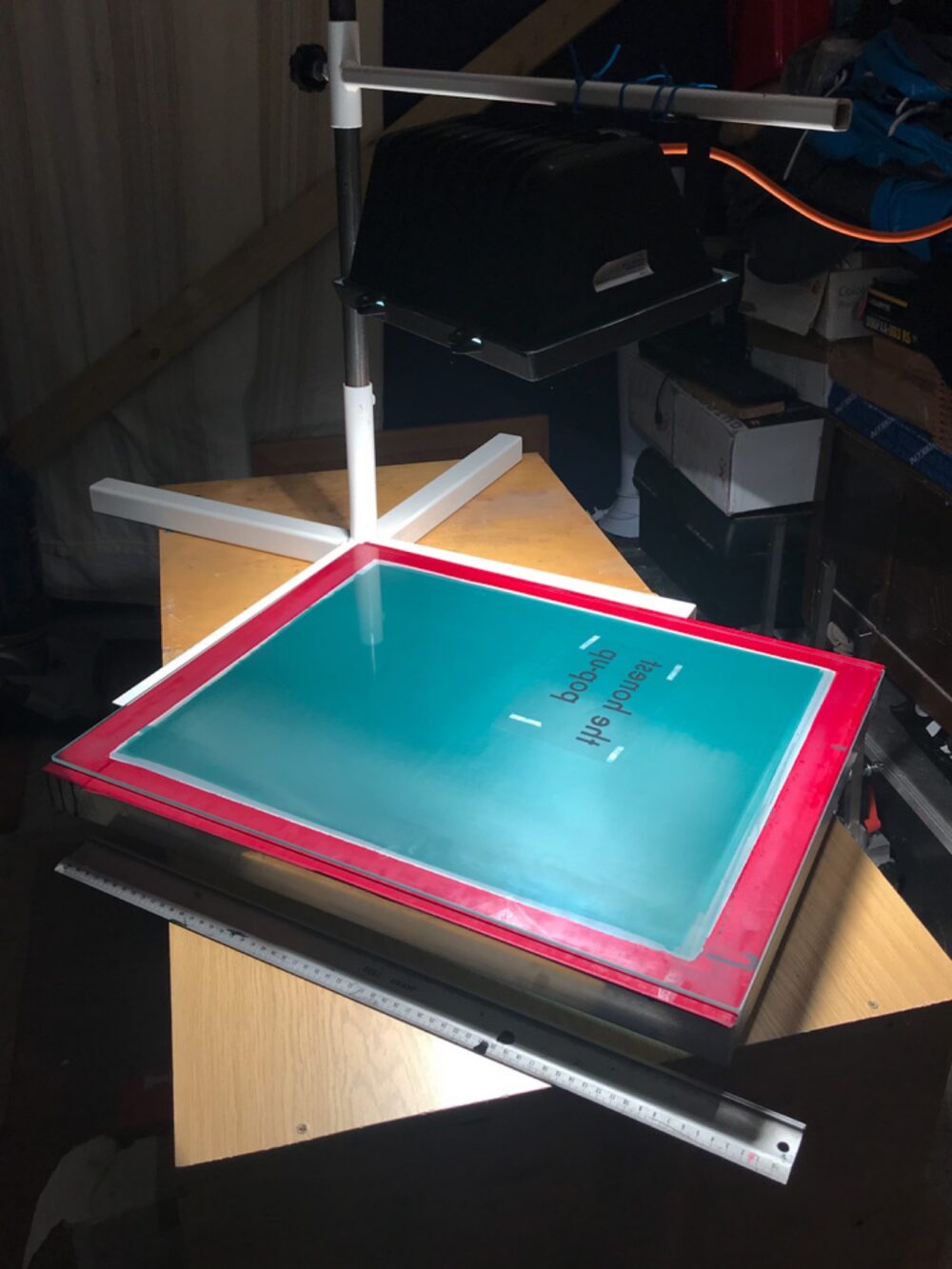
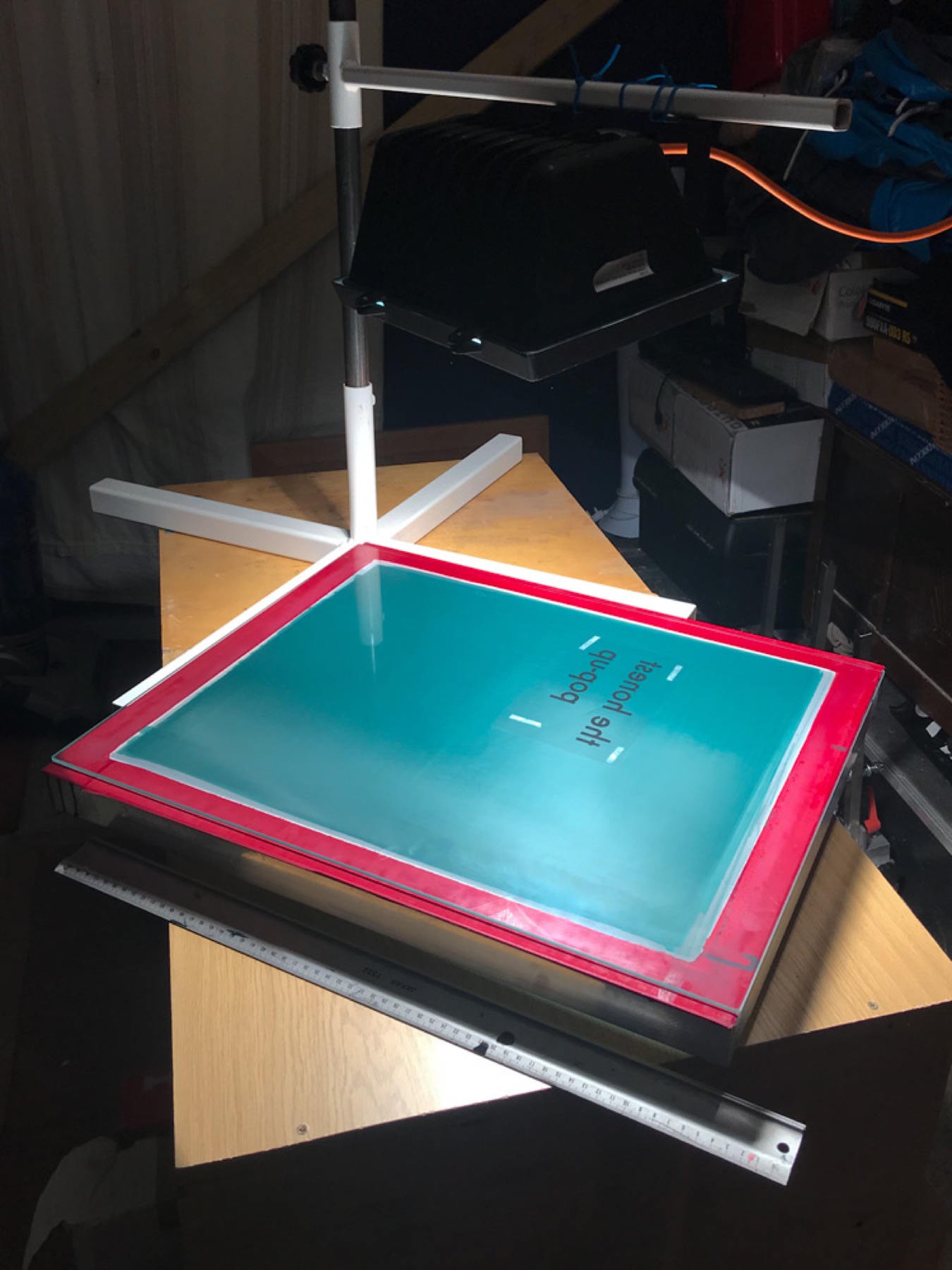
- Screen printing: Ink pushed through a stencil screen. Cost‑effective for larger runs with limited colors; durable on cotton.
- DTG (direct‑to‑garment): Inkjet printer for garments. Good for full‑color, small batches, but slower and more sensitive to fabric.
- DTF (direct‑to‑film) transfers: Designs printed on film and heat‑pressed onto shirts; popular for color detail and flexible placement.
- Embroidery: Stitched logos and text, often for polos or higher‑end merch.
- Finishing and packing – folding, bagging, size stickers, custom neck labels, and bulk carton packing for export.
A cross‑border supplier might handle all three, or you might mix and match:
- Factory that sews blanks and prints in‑house (common for OEM clothing factories). Good for full private‑label programs.
- Existing blank brands + printing subcontractor. You choose the blank style, and a print shop in China prints and packs.
- U.S. blanks + overseas printing. Less common, because shipping blanks overseas and finished goods back often kills the margin.
From a U.S. buyer’s perspective, a typical workflow for cross‑border wholesale looks like:
- Define your product spec: fabric, weight (e.g., lightweight vs. heavyweight), colors, sizes, print locations, and print method.
- Send a clear brief and artwork files to potential suppliers.
- Get quotes based on quantity tiers, print complexity, and packaging.
- Approve samples (a blank sample, a printed sample, or both).
- Place a bulk order, then arrange freight (air or sea) and customs clearance.
If you want to sanity‑check print methods and merch options from a U.S. perspective, browsing a site like RushOrderTees’ custom T‑shirts overview can help you see common fabric weights, styles, and use‑cases before you brief an overseas factory.
Choosing and Communicating With Custom T‑Shirt Printing Suppliers
Picking a supplier is less about finding the lowest price and more about finding someone whose capabilities match your product and risk tolerance.
On marketplaces like DHgate, its own ecommerce guide suggests a sourcing workflow that maps well to custom tees:
- Use filters and search tools to narrow to T‑shirts and clothing suppliers who explicitly mention OEM, custom printing, or logo service.
- Check supplier ratings, reviews, and transaction history to get a sense of real order volume and buyer feedback, not just glossy photos.
- Request samples: one or two printed shirts using your design, plus fabric swatches if you’re choosing among multiple blanks.
- Look for OEM factories that can add branded neck labels, custom packaging, or specific fabric blends if you’re building a brand versus one‑off merch.
The DHgate blog describing bulk T‑shirt sourcing claims there are hundreds of thousands of T‑shirt supplies listed across many colors, sizes, styles, and materials. That level of variety is helpful, but only if you filter aggressively and then vet individual sellers.
For cross‑border custom tees specifically, focus your evaluation on:
Print capabilities and method fit
Ask directly about methods and limitations:
- “Do you print via screen, DTG, DTF, or embroidery?”
- “Which method do you recommend for [cotton / polyester blend / performance fabric] and [number of colors]?”
- “Can you print on both front and back, and how does that affect cost?”
Fabric, sizing, and spec clarity
- Confirm fabric composition and weight (GSM or a clear description like “heavyweight cotton”).
- Ask for a size chart with measurements; Asian sizing often runs smaller than U.S. retail.
- Make sure color names are backed by Pantone codes or clear photos under neutral light.
Evidence of past work
- Request photos or short video clips of recent production runs that match your niche (band merch vs. corporate tees vs. fashion streetwear).
- Ask whether they print for any ongoing clients in the U.S. or EU and if they can show similar designs.
What to include in your first message
Instead of using a fill‑in template, make sure your initial inquiry—whether on DHgate or another marketplace—covers at least:
- A short description of your brand and use‑case (event merch, ecommerce, uniforms).
- Artwork files or at least low‑res previews so they can judge print complexity.
- Target quantity ranges (for example, “We’re considering 100-300 pieces per design”).
- Preferred fabrics and any must‑have features (tear‑away label, oversized fit, moisture‑wicking).
- Questions about MOQs, sample availability, and lead times.
Providing that level of detail forces useful answers and helps you compare suppliers side‑by‑side.
For broader marketplace vetting that you can apply to tee printers, see our guides on finding wholesale suppliers on DHgate, choosing a DHgate wholesale supplier, and finding DHgate suppliers.
MOQ, Pricing, Logistics and Where DHgate Fits Among Wholesale Channels
The DHgate blog on wholesale buying describes the platform as allowing purchases without a platform‑wide MOQ and even single‑item orders. It also notes that many sellers use tiered pricing, where per‑unit costs drop at higher quantities. In practice, that editorial means:
- You can often order small test runs or samples through DHgate without committing to very large quantities.
- Once you move into higher quantities, expect clear price breaks (for example, separate brackets for lower, mid‑range, and higher volumes), set individually by each seller.
Another DHgate clothing‑import article compares its typical minimum order requirements to platforms like Alibaba and Global Sources, framing DHgate as generally lower on MOQ for clothing. That can matter a lot if you’re:
- A new merch line testing designs.
- A small Shopify store trialing a niche graphic tee.
- A local business needing recurring but modest orders.
Here’s how DHgate sits next to other common channels for U.S. buyers, based on DHgate’s own editorial and typical market practice:
| Channel | MOQ & pricing tendencies (editorial/typical) | Typical buyer fit |
|---|---|---|
| DHgate (China marketplace) | DHgate blog highlights the ability to buy small quantities and notes many sellers use tiered pricing, with lower per‑unit costs at higher quantities. Individual sellers still set their own MOQs. | Small brands testing designs, cost‑sensitive buyers willing to compare and vet multiple suppliers. |
| Alibaba / Made‑in‑China | DHgate’s clothing‑import editorial describes their MOQ requirements as generally higher than what buyers often see on DHgate, especially for apparel. | More established brands planning larger, repeat runs and willing to meet factory MOQs. |
| Local U.S. print shops | Typically flexible on MOQ but with higher per‑unit prices; they lean on fast communication and local fulfillment. | Event merch, corporate orders, urgent timelines, or buyers wanting in‑person proofs and quick reorder cycles. |
| Print‑on‑demand platforms | No MOQ; each shirt is made to order, usually at a higher unit cost with limited control over blanks. | Low‑risk testing, dropshipping, and designs that don’t require inventory or bulk buying. |
Because DHgate’s blog also describes tens of millions of product listings and hundreds of thousands of China‑based suppliers, you can reasonably expect to find both T‑shirt blanks and custom printing offers there. The trade‑off is that you must piece together your own understanding of total landed cost:
- Unit price: Depends on blank quality, print method, and quantity tier.
- Sampling cost: Many cross‑border suppliers charge for printed samples; budget this in and treat it as R&D.
For a small U.S. brand, the practical decision often looks like this:
- If you’re willing to trade more upfront vetting work for lower per‑shirt costs and broader fabric/fit options, marketplaces like DHgate and other China platforms can be attractive—especially when you leverage lower editorial MOQs to run small test batches first.
Finally, don’t treat any marketplace—including DHgate—as a single “supplier.” Each seller has different MOQs, prices, printing capabilities, and reliability. Your real decision is whether to do the extra work of vetting cross‑border suppliers for better unit economics, or to pay more per shirt for local or print‑on‑demand services in exchange for speed and simplicity.