
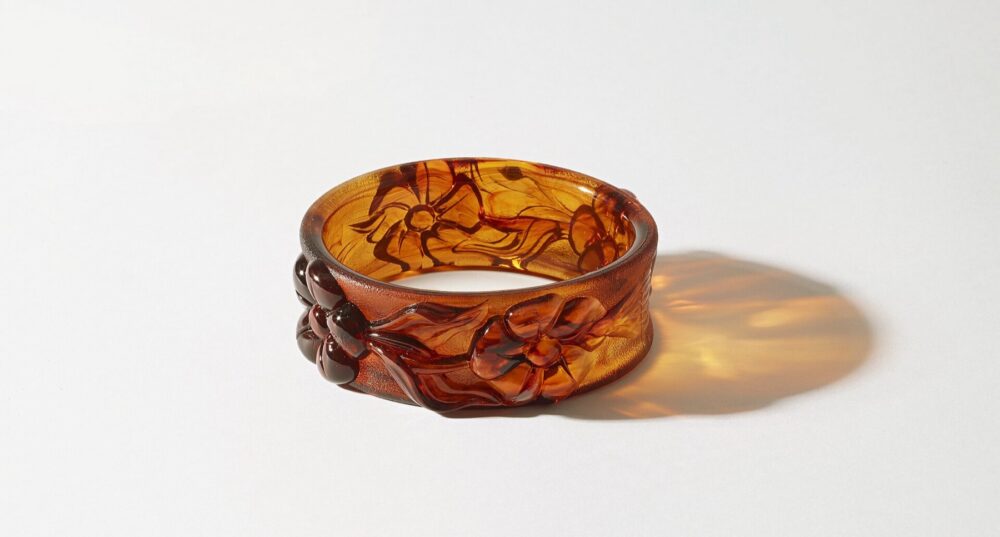
The wholesale bangle and bracelet market is a global supply chain that moves everything from $1 costume cuffs to sterling silver bangles from factories in China, India, and elsewhere into U.S. boutiques and online shops. As a small U.S. buyer, your job is to plug into that chain with clear style requirements, hard cost math, and a plan for repeat orders. Marketplaces like DHgate, Alibaba, and niche jewelry wholesalers give you access, but they differ in how easy it is to buy small quantities, test quality, and control risk.
DHgate sits in the middle of this picture as a large China-based B2B marketplace with extensive jewelry categories. Its blog describes millions of jewelry pieces on the site, including bracelets and bangles, and more than 22 million products overall from roughly 650,000 suppliers serving buyers in over 200 countries. That scale is useful, but it doesn’t replace basic work: you still have to vet each seller, request samples, and calculate total landed cost against what a domestic wholesaler or another marketplace can offer.
How the Wholesale Bangle and Bracelet Market Works for U.S. Small Buyers
Most bangles and bracelets you see in U.S. fashion boutiques or on Etsy/Shopify stores are built on three broad supply segments:
- Fashion/costume jewelry – plated alloys, stainless steel, acrylic, resin, rhinestones. These tend to come from large factories in China and other Asian hubs.
- Mid-tier metals – 925 sterling silver, gold-filled, higher-quality stainless. Often produced by specialized jewelry manufacturers or regional hubs.
- Fine jewelry – solid gold, fine silver, natural gemstones. Typically sourced from more tightly controlled suppliers or domestic wholesalers.
For U.S. small buyers, the wholesale bracelet market is split between:
- Cross-border marketplaces where you deal directly with overseas suppliers (DHgate, Alibaba’s apparel accessories categories).
- Niche jewelry wholesalers focused on specific materials/styles, such as sterling silver bangles on 925E or wire bracelets for boutiques on TrendyWholesale.
- Domestic wholesalers/distributors who import in bulk and resell smaller packs to U.S. retailers.
Cross-border sourcing usually gives you the lowest per-unit prices and the widest style range, especially for fashion and mid-tier pieces. Domestic wholesalers often cost more per bracelet but reduce complexity: shorter ship times, clearer communication, and easier returns.
Your fit in this chain depends on your volume and brand promise. A small lifestyle boutique doing 30-60 bracelet sales a month will usually prioritize reliable reorders and predictable quality over absolute rock-bottom cost, while a volume-driven online shop might accept more experimentation with low-MOQ overseas orders.
Choosing and Vetting Bracelet Suppliers Across Channels
Once you know your segment (costume vs sterling vs fine), the hard work is choosing actual suppliers.
On DHgate, the site’s own editorial guidance for boutique sourcing recommends a few very specific behaviors: check seller ratings, read customer feedback, request samples before bulk orders, and communicate directly with sellers about product details. Those habits are just as useful on Alibaba or a niche site.
Here’s how to make supplier vetting specific and jewelry-focused rather than generic:
- Style and construction match your brand
Look closely at product photos: clasp type, hinge on bangles, thickness of plating, stone settings. If your audience expects chunky boho cuffs, don’t source ultra-thin tennis bracelets and hope they’ll adjust.
- Material claims you can live with
For plated or alloy pieces, ask the seller to describe the base metal and plating (e.g., copper base, 18k gold plating). For 925 silver, niche sites like 925E position themselves around sterling bangles, while domestic players like JewelryBuyDirect’s bangle section focus on fashion versions. Treat “925” claims on marketplaces as information, not proof—plan to test samples yourself.
- Evidence of real buyers and repeat orders
Instead of just glancing at a star rating, read recent reviews that mention:
- how the plating held up after wear
- whether stones fell out
- any color change or allergy issues
On DHgate, Alibaba, and niche sites, prioritize suppliers with multiple reviews referencing quality over those with only star scores and no text.
- Sampling as a non-negotiable step
For bracelets and bangles, samples tell you things photos cannot: weight on the wrist, clasp reliability, how the finish looks in daylight. DHgate’s boutique sourcing advice explicitly suggests ordering samples before bulk purchases. Make this part of your standard process with every new supplier, regardless of platform.
- Communication and documentation
Message sellers with specific questions:
- “What is the exact inner diameter of this bangle?”
- “Is the plating PVD or electroplated?”
- “Can you confirm no nickel in the alloy?”
Keep answers in writing in case you need to compare later or hold the supplier to a spec on reorders.
If you decide DHgate is one of your channels, you can go deeper on marketplace-specific supplier checks with resources like Find DHgate suppliers and Choose a DHgate wholesale supplier.
Pricing, MOQ, Logistics and When DHgate Makes Sense
Bracelet sourcing is ultimately a math problem. You’re trading unit price and MOQ against freight, duties, and the value of your time.
DHgate positions itself editorially as a B2B marketplace where small and mid-sized global buyers source wholesale and dropship products from Chinese suppliers, typically at affordable prices and often with flexible minimum order quantities set by each seller. Independent analysis, like the breakdown on Miracuves’ business model of DHgate, describes it as asset-light: DHgate itself doesn’t own inventory, but connects you directly to manufacturers and exporters.
That structure is why DHgate can make sense for bangles and bracelets when:
- You want factory-adjacent pricing without committing to extremely high MOQs.
- You need access to wide style variety for trend testing.
A worked landed-cost example
Say a U.S. boutique wants 120 fashion bangles for a summer collection:
- Option A – DHgate seller (overseas)
- Indicative unit price (editorial hypothetical): $1.20 per bangle for 120 units
- Product total: $144
- Estimated international shipping for a small carton (editorial heuristic): $60
- Estimated customs/duties/fees: $25
- Total landed cost: $229
- Effective unit cost: $229 / 120 ≈ $1.91
- Option B – Domestic wholesaler
- Indicative unit price for similar fashion bangles bought domestically: $2.40 per bangle
- Product total: $288
- Ground shipping inside the U.S.: $20
- Duties typically handled upstream by the wholesaler
- Total landed cost: $308
- Effective unit cost: $308 / 120 ≈ $2.57
DHgate vs Alibaba vs Domestic Wholesalers: Where Each Fits
Here’s a compact, scenario-based view of how these bracelet channels often differ. This is editorial judgment based on the marketplaces’ positioning and public jewelry-category examples like Alibaba apparel bangles and niche sites such as TrendyWholesale:
| Channel | Typical Sweet Spot for Small U.S. Buyers | Style Range & Customization | MOQ Flexibility (seller-level, not guarantee) |
|---|---|---|---|
| DHgate | Testing multiple bracelet/bangle styles with relatively small overseas orders | Very broad, many fashion and mid-tier options; some custom work via individual sellers | Often workable for low-to-mid MOQs set by each seller; some listings allow small trials |
| Alibaba (apparel/accessories) | Larger, more committed orders or factory relationships | Extremely wide; better for deeper customization once you build a relationship | Many suppliers expect higher MOQs; some offer samples or small test runs |
| Domestic wholesalers | Fast, lower-risk replenishment and standardized quality for store staples | Narrower than giant marketplaces but curated to U.S. tastes | MOQs usually moderate; easier small reorders but less leverage on price per unit |
Because DHgate doesn’t impose a platform-wide MOQ policy and each seller sets their own terms, you should evaluate minimum quantities listing by listing. The same applies to Alibaba and niche wholesalers—you have to read and negotiate each supplier’s conditions.
Making DHgate part of a broader sourcing plan
A practical approach for a small U.S. bracelet brand is:
- Use DHgate to test several overseas suppliers with low-to-mid MOQs, ordering samples first and small bulk orders only after you’re satisfied.
- As a style proves itself, negotiate better pricing or more customized designs either via DHgate sellers or through a more formal relationship with a manufacturer on a marketplace like Alibaba.
If you decide DHgate will carry a meaningful share of your bracelet assortment, it’s worth spending time upfront to learn how to search and filter effectively. Resources like Find wholesale suppliers on DHgate can help you structure that search around ratings, categories, and communication patterns.
The right channel for you is the one that matches your bracelet aesthetic, your acceptable risk level, and your capacity to manage cross-border details—not the one with the lowest headline price.