
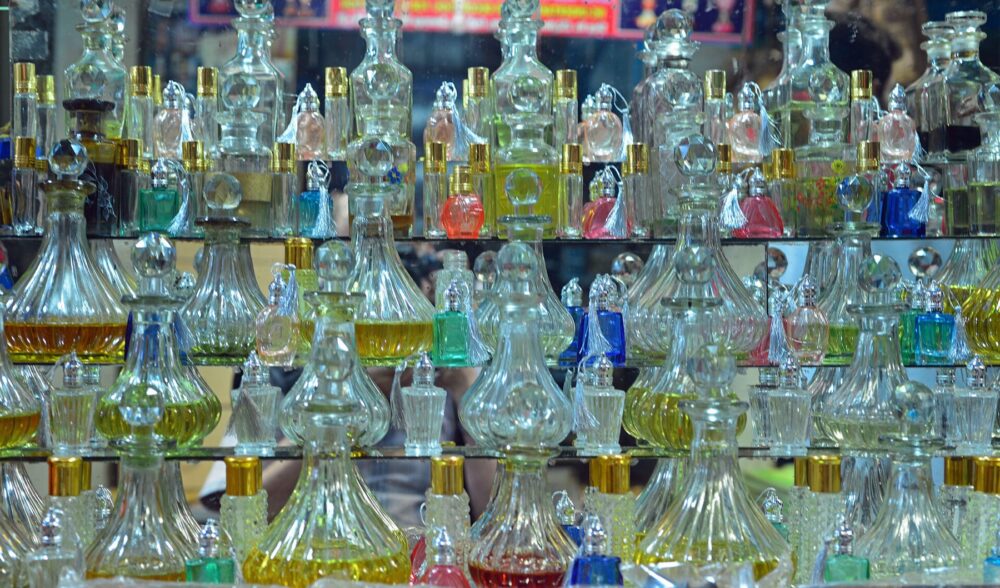
Private label aromatherapy and essential oils are oil-based products made by one company and sold under your brand name. You choose the scents, packaging, and label; the manufacturer handles the distillation, blending, and filling. For a small US brand, that usually means working with an OEM/ODM lab or wholesaler that already has formulas and packaging options you can plug into rather than building your own factory.Source DHgate can be one way to reach mostly China-based manufacturers for low-ticket tests and simple branding, but it’s rarely the best route for a highly regulated, premium “therapeutic” line.
The rest of this guide walks through how private label oil supply chains work, how to vet suppliers specifically for oils, and where DHgate fits alongside US/EU labs and other marketplaces.
How Private Label Aromatherapy and Essential Oils Work in Wholesale
At wholesale level, you’re not just buying “a bottle of lavender.” You’re buying into a supply chain and a manufacturing model.
What “private label” actually covers
Most private label aromatherapy programs offer some combination of:
- Single essential oils (e.g., lavender, tea tree, eucalyptus)
- Pre-made blends (“Relax,” “Focus,” sleep blends, massage oils)
- Ancillary products (roll-ons, room sprays, diffusers)
In a typical arrangement, the manufacturer owns the formula and sources the raw essential oils, then sells finished, ready-to-brand products that carry your logo and design.Source Many programs are explicitly OEM/ODM: you can choose from stock formulas or request variations, and the same factory will also handle bottles, droppers, boxes, and labels.
OEM/ODM labs such as AromaEasy describe this clearly: they supply essential oils, offer private label services, and bundle packaging and labeling so you don’t have to build a production line yourself. Other private label specialists in the US position the service similarly—ready-made essential oil lines, with customizable branding and packaging.
From a sourcing perspective, that means your main decisions are:
- Product model: stock oils and blends vs. custom formulas
- Origin: domestic lab/wholesaler vs. cross-border OEM/OEM factory
- Brand role: how “premium” or “clinical” you want the brand to feel, and whether you need strong compliance evidence to back that up
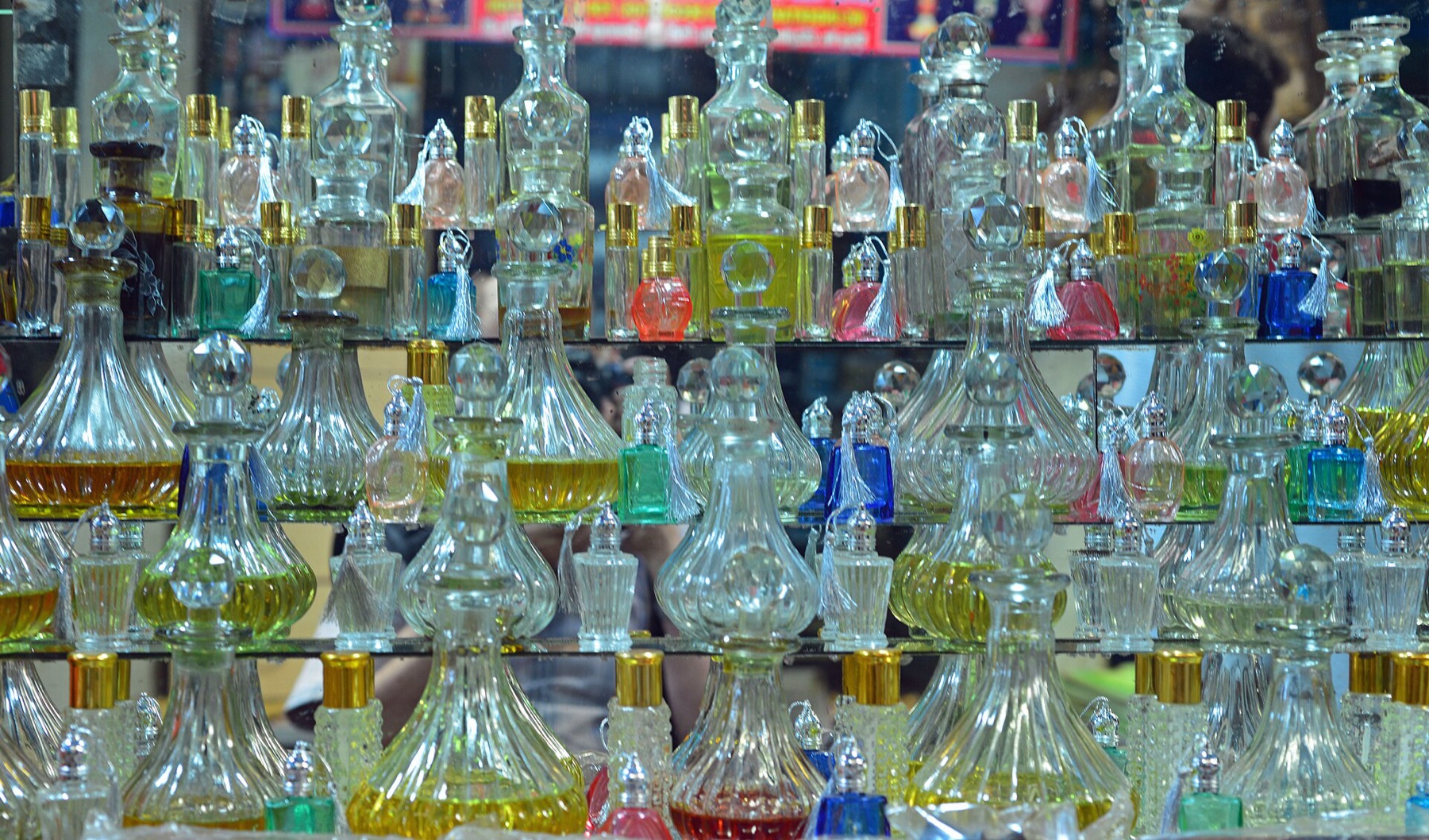
Cross-border sourcing can make sense when you want low MOQs, aggressive pricing, or access to packaging styles that US labs don’t offer. It becomes risky if you position the product as medically significant without having tight control over quality evidence and regulatory compliance.
Choosing and Vetting Private Label Essential Oil Suppliers
Aromatherapy looks simple—but you’re selling concentrated plant extracts that go on skin, into diffusers, and sometimes near kids and pets. You need more than nice branding.
A micro-checklist for oil-specific supplier vetting
When you evaluate any essential oil supplier (DHgate or otherwise), focus on four evidence buckets:
- Oil purity and sourcing
Reputable wholesalers emphasize where their oils come from and how they’re tested. DHgate’s own editorial guidance about essential oil suppliers highlights sourcing from reputable distillers and “rigorous testing” for purity and potency, sometimes backed by third-party lab reports. For any supplier, ask for:
- A written sourcing statement (countries/regions, distillers) for key oils
- Recent COA or GC/MS-type lab reports for at least your hero oils
- Clarification on whether oils are pure, diluted, or blended with carriers
- Manufacturing model: true OEM/private label vs. generic resell
Many OEM/ODM labs clearly advertise private label services: they sell oils plus branding, packaging, and labeling. In contrast, some generic wholesalers only ship unbranded bulk and leave you to figure out filling and compliance. Look for:
- Explicit “private label” or “OEM/ODM” services on the supplier’s site or listing
- Packaging options (bottle size, material, dropper vs. orifice reducer)
- Label printing and design support, or willingness to apply your ready-made labels
- Documentation and communication
Strong suppliers tend to have:
- Product specs for each SKU (composition, suggested use, storage)
- Basic safety data (e.g., flammability notes, dilution guidance for cosmetic use)
- Responsive communication channels—email or platform messaging that returns detailed answers, not one-line replies
- Reputation signals and transaction history
Platforms like DHgate recommend checking ratings, reviews, and transaction history when you choose a seller. In practice, you can:
- Read reviews specifically mentioning scent quality, consistency between batches, and packaging
- Avoid sellers with very low transaction counts on high-risk products like oils
- Prefer suppliers who have been active for several years (on-platform or via their own site)
Risk callout: purity and compliance
Essential oil purity and safety are sensitive topics. None of the channels in this guide are a shortcut around US regulations. You still need to:
- Avoid medical claims (“treats anxiety,” “cures insomnia”) unless you have proper regulatory and scientific backing
- Make sure your labeling complies with cosmetic or household product rules where you sell
- Consider consulting labeling/compliance specialists if you plan to distribute beyond a small direct-to-consumer store
The practical implication: if your brand promise leans on “organic,” “clinical grade,” or “therapeutic,” you’ll likely be better served by established US/EU labs that offer documented certifications and compliance support than by generic cross-border OEM factories.
DHgate and Other Channels: Structuring Orders, MOQs and Repeat Sourcing
Now to the big decision: should you source private label aromatherapy and essential oils through DHgate, a domestic lab, or a different marketplace like Alibaba?
Where DHgate fits in your sourcing mix
DHgate is described in its own editorial content as a global B2B marketplace linking mostly China-based manufacturers with small and medium buyers worldwide. It’s also described as famous for very low minimum order quantities, sometimes even single units, with tiered pricing so per-unit cost drops as you buy more—though MOQs are set per seller, not by DHgate itself.
Practically, that makes DHgate useful for:
- Low-risk test runs: ordering small batches of generic oils or aromatherapy accessories to validate demand
- Simple branding: sourcing unbranded oils plus packaging and doing labels yourself, or working with sellers that offer basic OEM silk-screen/printing
- Ancillary products: diffusers, gift boxes, inserts, and accessories that support an oil line you source elsewhere
It’s much less suited to:
- Premium, tightly documented “therapeutic” or “clinical” lines
- Products that rely heavily on certification (e.g., certain organic standards) unless you can verify those claims in detail
If you decide DHgate is relevant, you’ll still need to run a structured process. DHgate’s own guidance suggests using filters, checking ratings/reviews, and ordering samples before committing to larger purchases. Those are baseline steps; here’s how to translate them for oils.
Structuring samples, MOQs, and total cost across channels
Use a simple progression:
- Search and shortlist (DHgate / other marketplaces)
On DHgate or Alibaba-type platforms, filter for “essential oils” and then narrow by categories like “health & beauty” and “OEM” or “private label” where available. Shortlist 3-5 sellers whose listings:
- Show clear product specs
- Mention customization or OEM
- Have non-trivial ratings/reviews
- Request samples and documentation
Before any large order, request paid samples from 2-3 candidates. Ask at the same time for:
- Batch documentation (COA or similar) for the sample
- Packaging options and pricing at different quantities
- Whether they can keep fragrance and packaging consistent between reorder batches
- Build a landed cost comparison across channels
For each supplier type, model per-unit cost at your realistic first order size.
| Channel type | Typical fit for a small US brand | MOQ behavior (editorial judgment) | Best use case for private label oils |
|---|---|---|---|
| DHgate sellers | China-based manufacturers/wholesalers reached via marketplace | Often low and flexible; some listings allow very small orders | Test runs, generic lines, packaging + accessories, experimental SKUs |
| US/EU private label essential oil labs | Contract manufacturers or labs that own formulas and offer full private label servicesSource | Usually higher MOQs but more structured (e.g., per-SKU minimum) | Core brand line, premium positioning, documented purity/certifications |
| Domestic wholesalers (bulk oils) | Importers and distributors of bulk essential oils (no or limited branding) | Bulk-oriented; MOQs often by kilogram or case | Refill program, house blends you create yourself, or backfilling a private label line |
This table is editorial judgment based on how these vendor types present themselves in public materials.
- Plan repeat orders before you commit
Ask every candidate:
- What changes between batches (e.g., natural scent variation, packaging updates)
- How far in advance you need to place repeat orders to keep inventory steady
- Whether they can reserve formulas or packaging for your brand if volume grows
Scenario snapshots: DHgate vs. private label lab
To make the choice concrete, imagine two scenarios:
- Scenario A: Etsy aromatherapy shop testing ideas
You plan to sell a small range of 5-7 oils and diffuser blends, and you’re still figuring out which scents resonate. DHgate can be useful for inexpensive test batches, basic packaging, and diffusers—especially if you keep branding simple and avoid heavy medical positioning. Once you see which blends sell and your monthly volume stabilizes, you might migrate the winning SKUs to a US lab or established essential oil wholesaler for stronger documentation and support.
- Scenario B: Wellness brand aiming for premium, long-term positioning
Your marketing leans on quality claims and long-term subscription revenue. You want consistent sensory profiles and robust documentation. In that case, starting with a US/EU private label essential oil lab or established wholesaler is usually safer, even if MOQs and per-unit costs are higher. DHgate may still play a role for packaging, inserts, and gift sets rather than for the core oils.
If you do pursue DHgate sourcing, pair this article with platform-specific guidance on finding and evaluating sellers, such as the checklists in Find wholesale suppliers on DHgate, the search-focused advice in Find DHgate suppliers, and the deeper vetting steps in Choose a DHgate wholesale supplier.
Ultimately, private label aromatherapy and essential oils are a branding and supply-chain decision as much as a product decision. Use DHgate where its low MOQs and breadth help you experiment cheaply, and lean on more formal labs or wholesalers when your brand promise hinges on purity, documentation, and long-term consistency.