
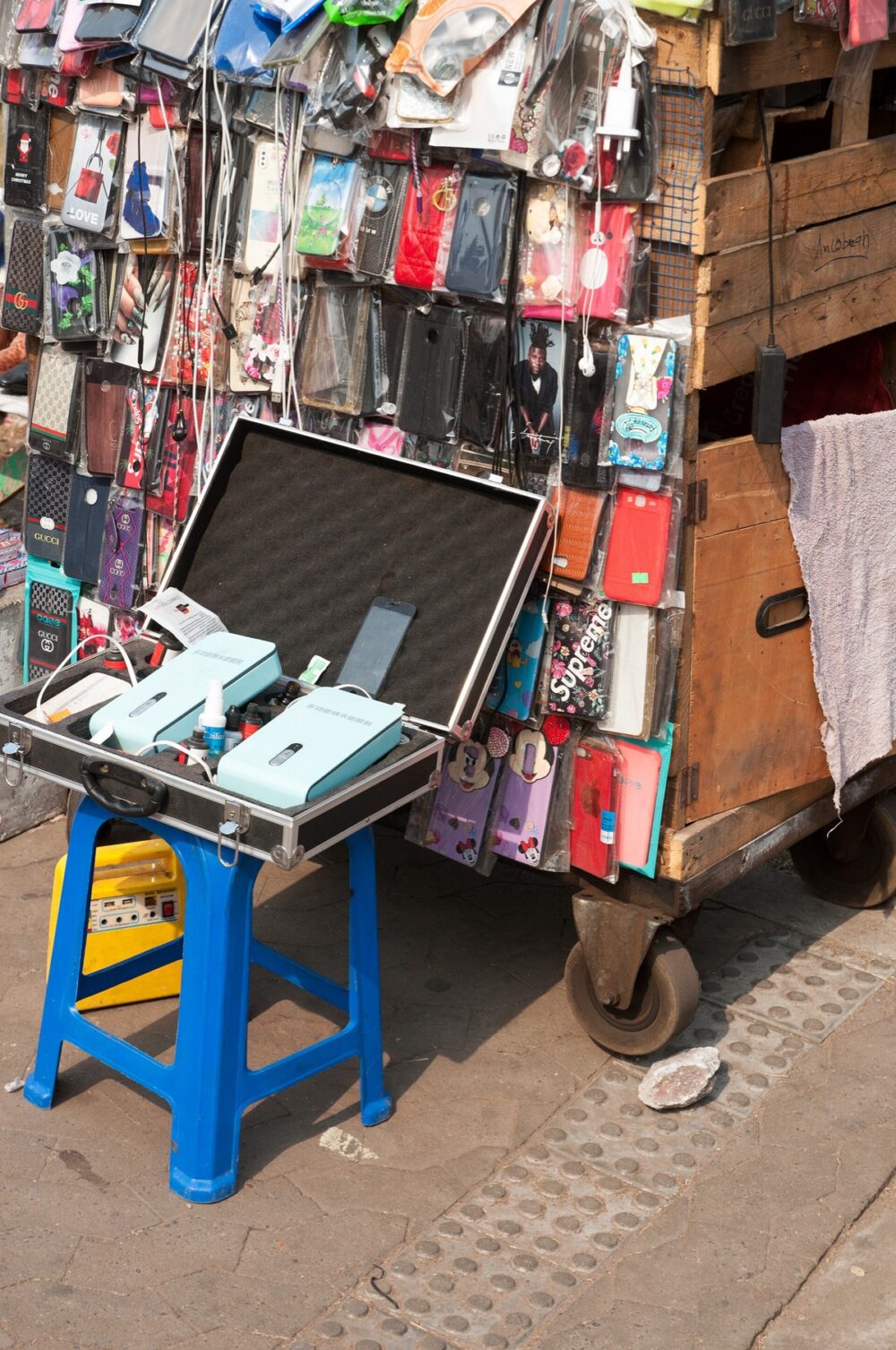
Wholesale sourcing for mobile phone accessories and parts works for US buyers if you treat accessories and repair parts differently and pay attention to landed cost. Cases, cables, and basic add‑ons are forgiving and often worth sourcing cross‑border in small batches; screens, batteries, and other repair parts are higher risk and usually better from specialists or trusted domestic distributors. DHgate is one practical cross‑border marketplace for variety and testing new SKUs in modest quantities, but it should sit alongside US wholesalers and repair‑part specialists, not replace them.
How Mobile Phone Accessories & Parts Wholesale Works for US Buyers
Wholesale mobile phone accessories and parts means buying products related to mobile devices in bulk for resale or repair work. That spans low‑stakes items like cases, screen protectors, and charging cables, and higher‑stakes components like batteries, displays, housings, and flex cables used in repairs.
US shops typically source from three buckets:
- Domestic accessory wholesalers – companies such as Entro Wholesale and USA Cell Inc carry bulk accessories for business customers. You trade potentially higher unit cost for simpler logistics, no customs paperwork, and faster replenishment.
- Repair‑part specialists – businesses like OHT Parts focus on preowned phones and phone repair parts, serving repair shops and refurbishers that need consistent parts assortments and stable supply.
- International parts & accessory suppliers – players such as THCEL specialize in wholesale spare parts and accessories across many brands and models, often shipping from Asia and giving access to a wide model spectrum, including older or less common devices.
Many US shops blend these channels: accessories from domestic distributors for day‑to‑day stock, niche or trend‑driven accessories from cross‑border marketplaces, and critical repair parts from a small set of trusted specialists.
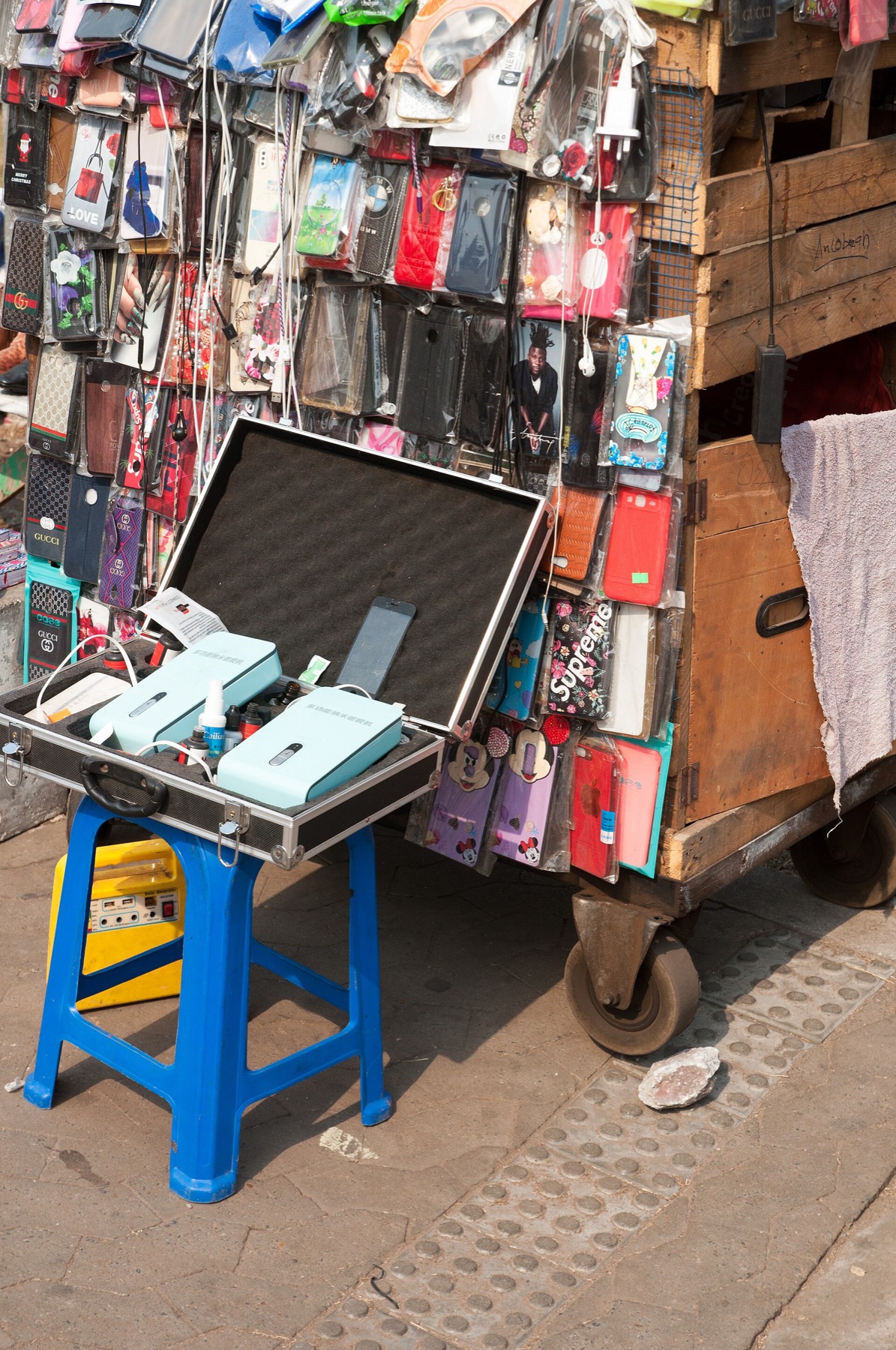
Choosing and Working with Accessories & Parts Suppliers
You should vet accessory suppliers and repair‑part suppliers differently, because the business risk is different.
For accessories (cases, cables, mounts, etc.), focus on:
- Assortment fit: Does the supplier cover the phones your customers actually use (current iPhone/Android lines, plus budget models)? US‑focused wholesalers like Entro and USA Cell position themselves around mobile accessories for business buyers, which typically means mainstream models and popular styles.
- MOQ flexibility: Ask upfront what minimum order quantities apply per SKU and per order. For small ecommerce brands, the ability to test smaller batches per design often matters more than chasing the lowest possible price.
- Packaging and branding options: If you’re building a DTC brand, clarify whether the supplier can ship unbranded bulk packs, simple hang cards, or custom packaging, and how that affects MOQs.
For repair parts (screens, batteries, small components), your checklist gets stricter:
- Scope and specialization: Suppliers like OHT Parts explicitly focus on preowned phones and repair parts, so their catalog is built around repair use rather than just retail accessories.
- Grade and sourcing transparency: Ask how parts are categorized (for example, cosmetic/functional grades), whether they’re reclaimed, refurbished, or new, and how batches are tested before sale. Don’t assume OEM authorization or warranties; those details need to be spelled out per supplier.
- Issue handling for defects: Because even good parts batches can have failures, you need a clear, documented process from the supplier for handling defective or early‑failure items.
A simple, practical supplier vetting checklist you can run for both categories:
- Check that the company clearly states it sells to businesses rather than only retail consumers (common for USA‑based wholesalers like USA Cell Inc and Entro).
- Look for a reasonably detailed catalog or line sheet grouped by brand/model, not just generic “phone accessories”.
- Ask for samples before committing to bulk – for accessories, a small handful across several styles; for repair parts, a test batch to install in a few devices.
- Start with a small initial order and treat it as a live test of quality, packing, and communication.
Cost & Logistics: When Cross‑Border Sourcing Is Worth It
Cross‑border wholesale can be attractive, but only if you understand landed cost—the real per‑unit cost once everything is in your US warehouse. That includes:
- Product price per unit
- International freight and insurance
- Customs duties, taxes, and brokerage fees
- Any platform or payment fees
Rather than relying on sample prices, build a simple worksheet and plug in actual quotes from your chosen suppliers, freight forwarder, and customs broker. Compare that landed cost with offers from domestic wholesalers for the same or similar accessories or parts. The logic is straightforward:
- If cross‑border sourcing gives you a meaningful margin advantage after all costs and you can manage the longer lead times, it may be worth it for accessories.
- If domestic sourcing is only slightly more expensive but dramatically simpler and more predictable, that convenience can outweigh a small per‑unit savings.
- For repair parts, a higher per‑part cost from a trusted specialist that reduces returns and reworks often beats chasing the lowest possible price.
Comparing Channels and When DHgate Makes Sense
You’re choosing between different types of channels, not just different brands. This table summarizes common use‑cases and where each channel usually fits:
| Channel type | Best for | Typical strengths | Typical risks |
|---|---|---|---|
| US accessory wholesalers (e.g., Entro, USA Cell Inc) | Everyday cases, chargers, mainstream models | Fast delivery within US; straightforward communication; business‑focused catalogs | Higher unit cost than some cross‑border options; limited very niche or experimental designs |
| Repair‑part specialists (e.g., OHT Parts) | Screens, batteries, board‑level parts, preowned phones | Tailored to repair shops; parts assortments and model‑specific focus | May have higher price per part; not ideal for fashion accessories |
| International wholesalers (e.g., THCEL) | Wide brand/model coverage, including older devices | Broad catalog across brands and accessories/parts | Longer lead times; cross‑border logistics; quality variance needs testing |
| Global B2B marketplaces (e.g., Cross-border multi-seller) | Testing new SKUs, small‑batch orders, niche accessories | Large marketplace connecting many suppliers and a wide range of products, including mobile phones and accessories | You must vet each seller and listing; cross‑border shipping and customs add complexity |
DHgate, based on DHgate’s own editorial descriptions, is a China‑based B2B marketplace that connects a large number of suppliers and buyers worldwide, with many millions of products across categories including mobile phones and accessories. That scale and variety are useful if:
- You want to experiment with new accessory styles or bundles in modest quantities before committing to a full domestic wholesale program.
- You serve a niche device segment or older models that US distributors barely cover, and need to search broadly by model.
- Your business can tolerate longer timelines and you’re comfortable running your own supplier vetting and landed‑cost calculations.
DHgate is less ideal when:
- You’re buying repair parts where consistency and clear grading matter more than variety.
- You prefer a single domestic vendor relationship with unified invoicing and support.
If you decide DHgate fits one part of your sourcing mix, treat it as a marketplace where each seller is its own relationship. Listing‑level checks—product descriptions, model compatibility, sample orders, and communication quality—matter more than any platform‑level assumptions. Internal DHgateWiki guides such as finding wholesale suppliers on DHgate, how to find DHgate suppliers, and choosing a DHgate wholesale supplier can help you structure that vetting work.
How US Buyers Can Combine Channels Practically
Most US shops will end up with a hybrid strategy:
- Use US wholesalers (Entro, USA Cell Inc, and peers) for your core accessory lines where speed, simplicity, and predictable restocks matter.
- Use repair‑part specialists like OHT Parts for the components that can make or break your repair reputation.
- Use international suppliers and marketplaces such as THCEL and DHgate for niche models, experimental accessory SKUs, or margin‑driven lines you’re willing to manage more actively.
If you’re starting from scratch, begin with domestic suppliers and one carefully chosen repair‑part specialist. Once that foundation works and your cash flow is stable, layer in cross‑border sourcing for accessories, using small test orders and your own landed‑cost spreadsheet with real quotes to decide which SKUs graduate into regular imports.