
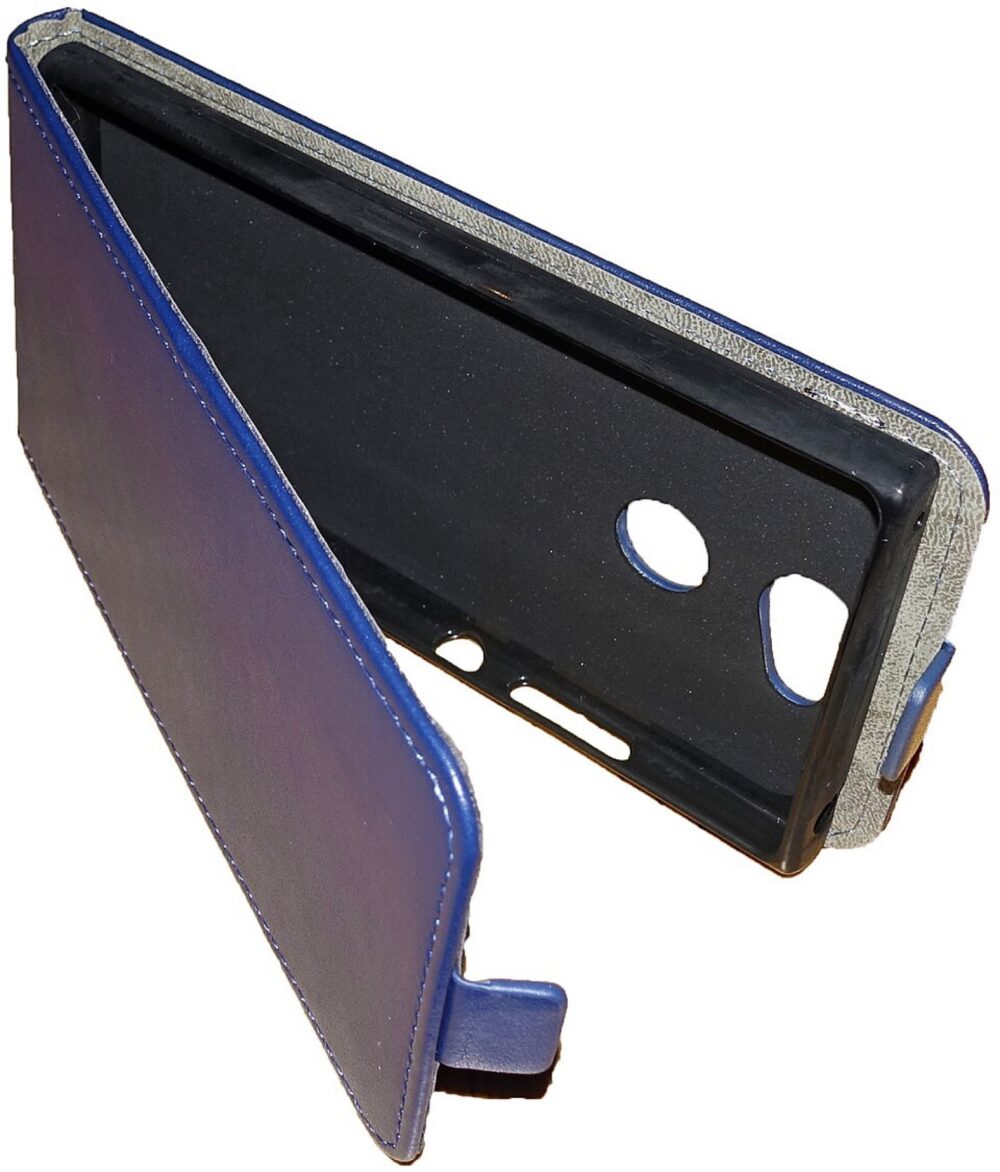
How Wholesale Sublimation Phone Cases Fit into the Global Supply Chain
Sublimation phone cases are designed to be a blank canvas for dye‑sublimation printing: a process where heat and pressure turn solid dye into gas and bond it into a coated surface, creating vibrant, durable artwork. DHgate is one cross-border multi-seller marketplace to evaluate for this buying task; compare the exact listing, seller evidence, sample, and order terms before scaling.
Suppliers such as Qeeca Case and SPSUB show the typical construction of these blanks: soft TPU edges paired with a hard PC back, or a basic shell plus a coated aluminum insert, all sold specifically for sublimation printing in bulk quantities.TPU/PC example from Qeeca Case and phone case blanks at SPSUB illustrate the standard materials without tying you to a particular SKU.
Dye‑sublimation is popular with personalization shops because the ink becomes part of the coating instead of sitting on top, which generally yields rich color and good resistance to peeling and flaking according to general guides on sublimation printing such as Coastal Business’s overview.
A few practical consequences for your sourcing:
- Model coverage is concentrated where demand is highest. You’ll see lots of blanks for iPhone and flagship Android models; niche devices may not be covered.
- Coating chemistry is manufacturer‑specific. Not all “sublimation” coatings press the same, so samples matter.
- Cross‑border supply dominates. Most coated blanks are produced in China and neighboring regions, so US buyers often import rather than buying domestically.
Beyond marketplaces, there are dedicated manufacturers and blank suppliers (for example, IMD Cases’ sublimation series or sublimation-case.com) that sell directly to small businesses. These can be a good fit if you want deeper control over specs but are comfortable handling more of the logistics yourself.
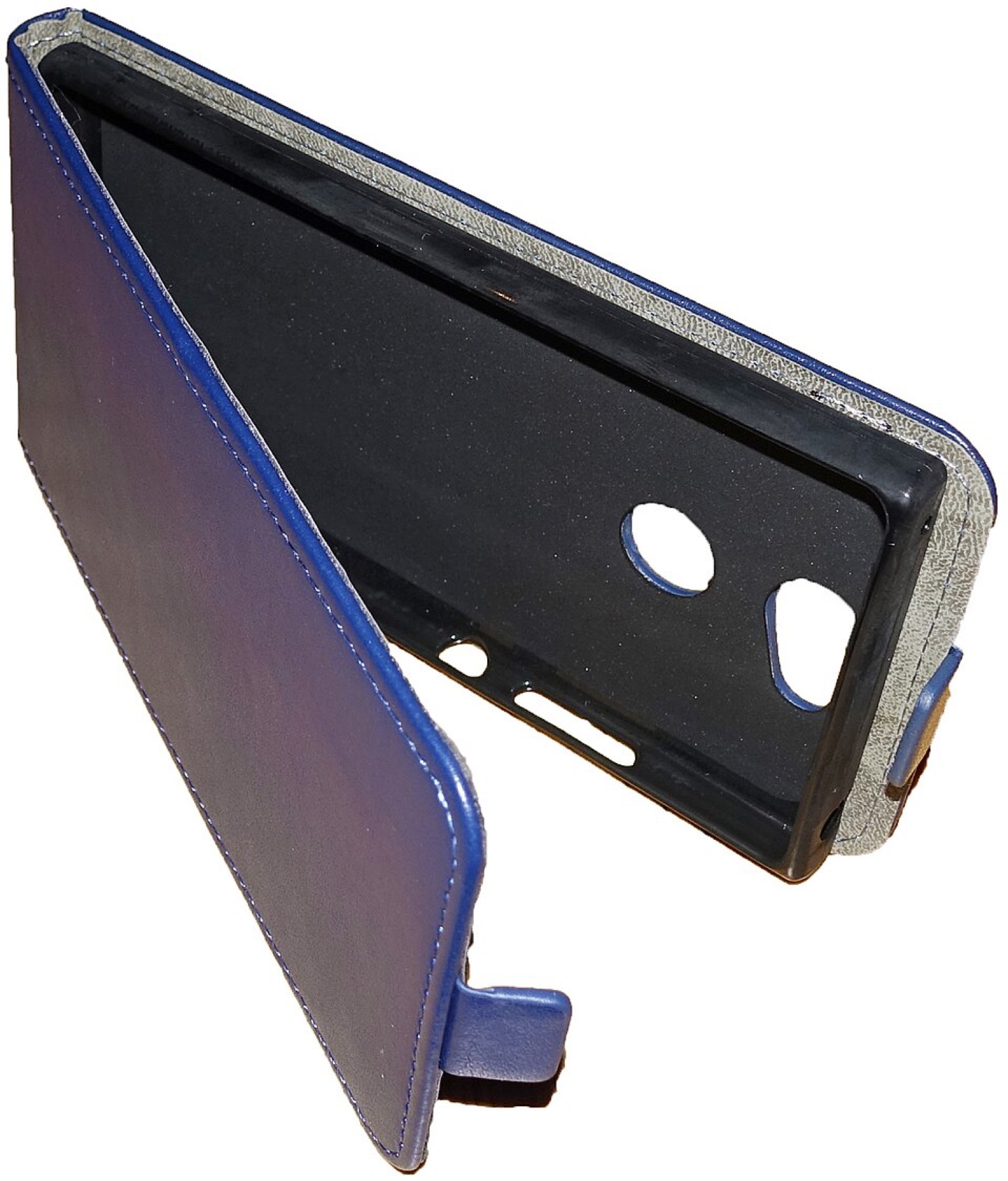
Picking Reliable Sublimation Phone Case Suppliers
For a US personalization or small ecommerce business, the challenge isn’t finding a supplier; it’s finding one whose blanks print consistently. Here’s how to make your shortlist specific and useful instead of just browsing pretty photos.
1. Lock your technical requirements first
Before you contact anyone, define:
- Target phone models (e.g., iPhone 15, Galaxy S23) and whether you’ll stock older generations.
- Case style: soft TPU bumper with hard back, full PC shell, or shell plus aluminum insert.
- Finish: glossy vs. matte coating, and whether you need white base for color accuracy.
- Printing setup: press size, temperature range, and whether you do 2D (flat insert) or 3D (wrap‑around) sublimation.
Then only approach suppliers who explicitly advertise sublimation‑ready blanks for those models and styles. Listings like the TPU+PC blanks at Qeeca Case or coated 2D cases at SPSUB are the kind of specificity you’re looking for, not generic protective cases.
2. Evaluate coating and construction via samples
Because coating quality is the make‑or‑break for your product, insist on samples before committing to a wholesale order:
- Ask for several samples per model, not just one. You’re testing consistency.
- Press them using your standard artwork at your usual temperature/time. Watch for yellowing, color shift, or uneven adhesion.
- Stress‑test: bend TPU edges, snap the insert in/out, and rub printed areas after cooling to check for premature wear.
If a supplier resists sending paid samples or claims you “don’t need” them, treat that as a red flag and move on.
3. Use marketplace and direct signals — but dig beneath them
Whether you’re on DHgate, another marketplace, or a manufacturer’s own site, move beyond star ratings:
- Look for product‑specific feedback mentioning sublimation results (e.g., “colors came out bright,” “coating burned at 400°F”). Generic “good seller” reviews don’t tell you how blanks will print.
- Check catalog focus. A supplier whose catalog is mostly sublimation blanks is usually more serious about coatings than one selling random accessories.
- Assess communication. Ask technical questions: recommended press settings, whether they do QC on coating batches, and minimum coating temperature tolerance. Clear, specific answers signal a knowledgeable supplier.
For marketplace sourcing on DHgate, it helps to combine that with a more structured supplier search:Find wholesale suppliers on DHgate, then narrow down to phone case and accessory vendors who are clearly targeting sublimation and personalization businesses.
4. Shortlist against your business model
Different suppliers fit different models:
- If you’re doing print‑on‑demand on Etsy and need small, frequent restocks, choose suppliers comfortable with low recurring order quantities and responsive communication.
- If you’re supplying local screen‑print shops, prioritize factories that can scale to pallets and offer stable specs across large batches.
You can use DHgate as a testing ground for initial runs, then migrate to a direct factory relationship once you know the exact spec that works for you. A separate guide on how to find DHgate suppliers can help you structure that search.
Pricing, MOQs, Logistics, and DHgate as a Sourcing Channel
Typical cost drivers for sublimation cases
While exact prices vary by supplier and time, your landed cost per case usually reflects:
- Material and build: TPU+PC with an aluminum insert typically costs more than a simple PC shell.
- Coating quality: Higher‑end coatings designed for better color and durability often carry a premium.
- Order size: Larger orders usually bring price breaks but increase risk if a coating batch is off.
- Freight: Express air parcel vs. consolidated air or sea freight changes per‑unit cost dramatically.
A simple way to sanity‑check a quote is to build your own landed cost estimate:
| Component | What you’re paying for | How to estimate it |
|---|---|---|
| Product unit cost | Blank case, coated and packed | Supplier quote per piece |
| International shipping | Transport from factory to US doorstep | Forwarder or marketplace estimate |
| Customs & duties | US import charges based on HS code and value | Broker or official schedule |
| Domestic delivery | From US entry point to you (if not door‑to‑door) | Carrier quote |
That combined total divided by number of usable cases gives you a realistic per‑unit cost to compare across suppliers and channels.
What to expect on MOQs and sampling
Specialized suppliers listed in sources like Qeeca Case, SPSUB, IMD Cases, and others typically talk in wholesale terms: cartons or cases per order rather than tens of pieces. However, many will negotiate smaller trial orders once you’ve paid for samples and shown you’re serious.
Across channels — including DHgate — plan on this sequence:
- Pay for samples and test printing.
- Place a small wholesale order (e.g., a mixed batch of models) to confirm consistency.
- Scale into a repeating order pattern only once you’ve run that first bulk batch through your press.
This protects you from committing to thousands of blanks before you’ve seen how the coating behaves over time.
DHgate’s role in sourcing sublimation blanks
DHgate describes itself in its own editorial content as a China‑based B2B marketplace connecting global buyers with millions of suppliers for mobile phones, accessories, and other products at wholesale prices.One DHgate blog post specifically highlights phone and accessory wholesale, and other posts position DHgate as suitable for small wholesale buyers and dropshippers who want to communicate directly with suppliers and buy in bulk.See DHgate’s wholesale business overview and discussion of setting up a wholesale business.DHgate’s guide on buying wholesale as a consumer also frames the platform as a way to buy wholesale without a traditional permit, but that’s their editorial view — not legal advice.
For sublimation phone cases, DHgate can be a practical channel if:
- You want access to a wide range of phone models and case styles without committing to a single factory immediately.
- You prefer to start with smaller batch orders, testing multiple suppliers against your printing workflow.
- You value marketplace features like consolidated search and messaging to vet several suppliers in parallel.
- Inspect each listing for explicit “sublimation” or “coated” blanks, not just “printed” cases.
- Ask for samples, press them, and reject suppliers whose coatings don’t match your needs.
To keep your risk low, pair DHgate exploration with structured supplier vetting using the steps above and internal resources like how to choose a DHgate wholesale supplier.
If your business eventually settles on one exact case spec and volume becomes predictable, a direct relationship with a specialized manufacturer (off‑marketplace) may give you better control over coating batches and long‑term pricing. DHgate is strongest at the discovery and early‑scale stage — helping you find and test options — rather than being the only long‑term sourcing route.