
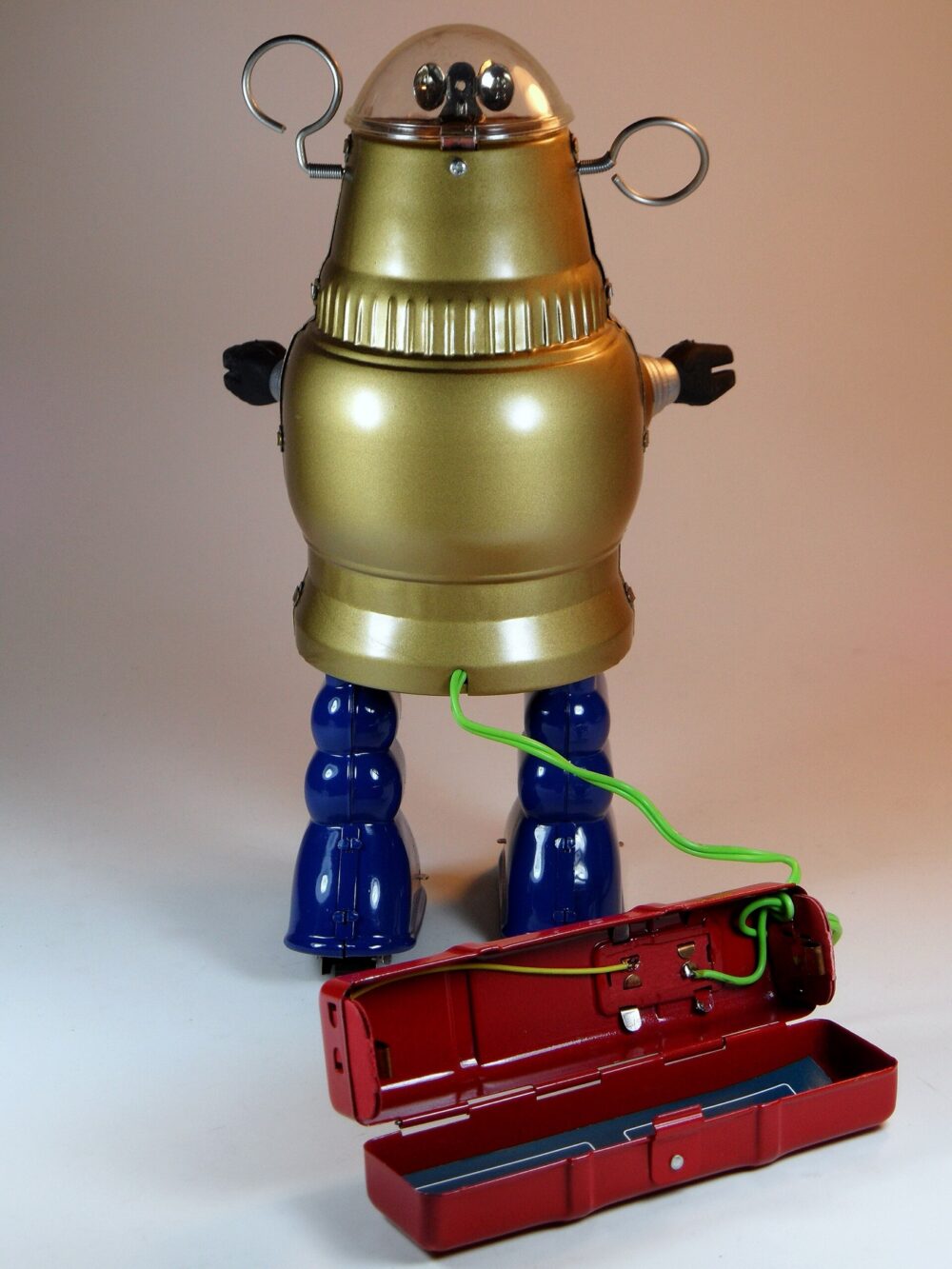
Wholesale remote control toys are bulk lots of battery‑powered RC cars, trucks, boats, drones, helicopters, robots and similar gadgets, usually manufactured in China and sold through exporters, distributors and online marketplaces. Your margin, risk and workload depend less on the toy itself than on which channel you use: a marketplace like DHgate or Alibaba, a China‑based factory or sourcing agent, or a US distributor. DHgate can be a flexible option because Chinese suppliers list RC toys there without a platform‑wide minimum order quantity, but you still have to evaluate each seller’s own MOQ, pricing and reliability before committing.
How Wholesale Remote Control Toys Are Produced and Distributed
In wholesale, “remote control toys” usually means battery‑operated devices controlled by radio signals or similar wireless links. Category pages from RC specialists like LINK BRAND show a broad mix: RC cars and trucks, boats, helicopters, quadcopters/drones, robots and animal figures such as dinosaurs that move via remote control.Source These are typically plastic or composite bodies with simple electronics, aimed at mass‑market retail rather than hobby‑grade racing.
Production is heavily centered in China. Factory‑focused exporters and sourcing agents such as TonySourcing describe remote control toys as a core export line, offering factory‑direct supply on RC cars, boats, robots and more to overseas wholesalers.Source They often cluster in toy‑manufacturing regions (for example, around Shantou), where many small and medium factories design and assemble toys, then work through:
- OEM/ODM factory relationships – factories build to their own designs (OEM) or customize for your brand (ODM/private label).
- Exporters and sourcing agents – firms that consolidate products from several factories, handle quality checks and shipping paperwork.
- Online marketplaces – platforms like DHgate and Alibaba where factories, exporters and trading companies list RC toys to reach global buyers.Source
- Domestic distributors – in the US, companies such as Crescent Distribution wholesale RC cars to retailers, offering shorter lead times and simplified import handling.Source
Your choice along this chain determines how much control you have over specs and branding versus how much support you get on logistics and compliance.
Choosing and Working With Cross‑Border RC Toy Suppliers
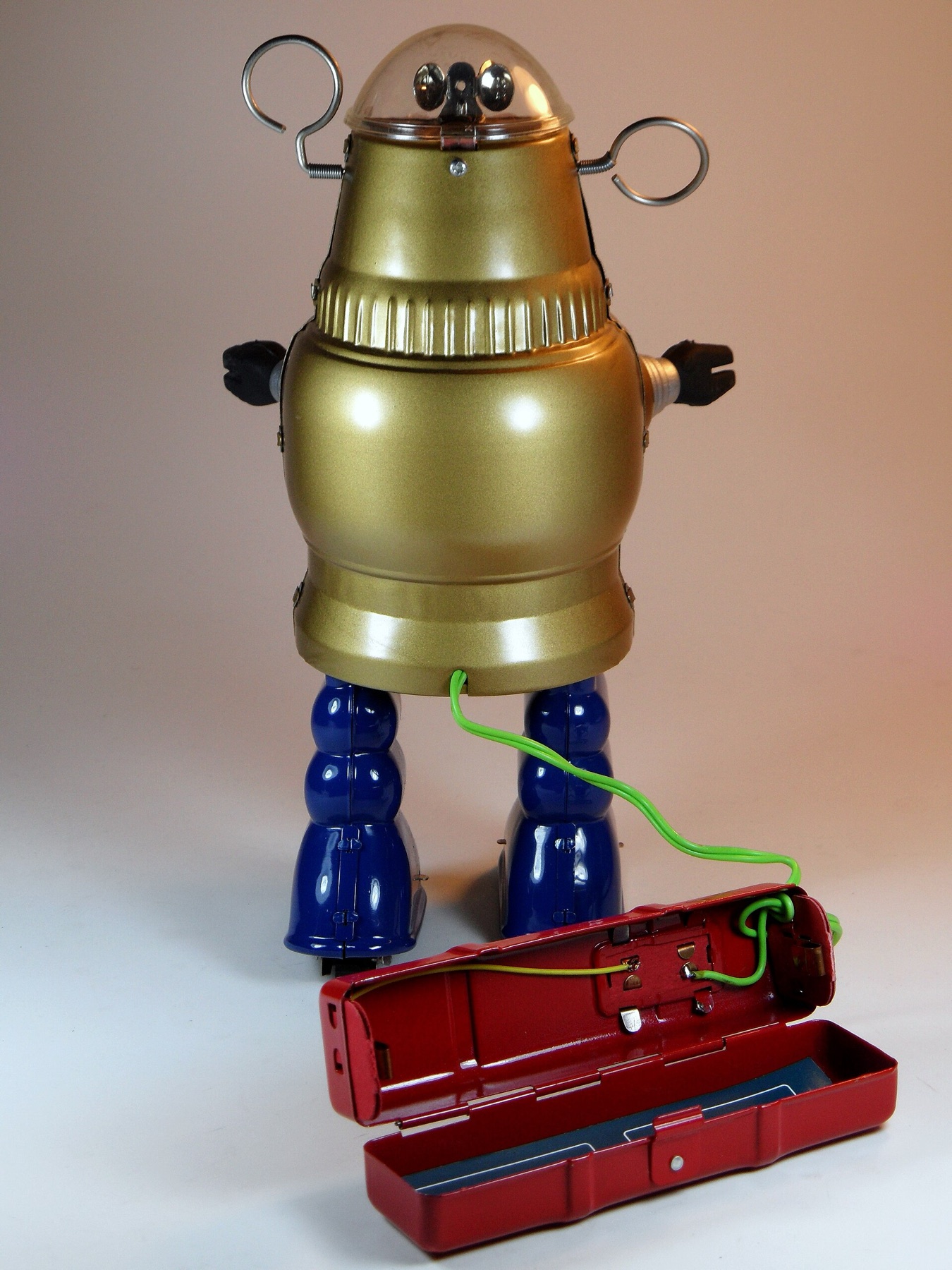
On a marketplace or factory‑direct site, you’ll see a mix of basic toy‑grade RC and slightly more advanced models. Since you can’t rely on any platform‑wide guarantee, you have to build your own picture of each supplier.
Signals that a supplier is worth shortlisting
- Clear product focus – exporters like TonySourcing explicitly highlight remote control toys as a category, which suggests repeat experience with RC electronics rather than random general merchandise.Source
- Category depth – LINK BRAND’s remote control section shows cars, boats, drones, robots and animals; breadth like this can indicate a supplier is targeting RC as a theme, not just stocking one impulse‑buy SKU.Source
- Consistent descriptions and images – look for detailed specs (scale, battery type, run time, frequency, recommended age), multiple photos and, ideally, short video clips.
On marketplaces such as DHgate, the platform’s editorial blog mentions seller badges and a tiered wholesale pricing structure, and emphasizes that wholesalers set their own prices and terms.Source That means you must:
- Compare multiple RC toy listings and sellers rather than assuming the first result is representative.
- Read buyer reviews and rating patterns for each seller.
- Ask targeted questions: what failure rates they’re seeing, how they handle defective units in subsequent orders, and whether they’ve shipped to the US before.
Internal guides like find wholesale suppliers on DHgate, choose a DHgate wholesale supplier and find DHgate suppliers can help you structure those checks specifically for that marketplace.
Red flags specific to RC toys
Because RC toys combine electronics, batteries and moving parts, weak suppliers often show their hand in a few ways:
- Very wide product range with no RC focus (everything from kitchenware to toys) but scant specs on electronics.
- Vague compliance claims like “meets all standards” with no mention of specific toy or battery norms.
- No history of selling into your market; for example, every review is from a single country with very different regulations.
If you see these patterns and the price looks unusually low, treat the quote as high‑risk, especially if you’re planning to sell to US families rather than hobbyists.
MOQs, Pricing, Logistics and When DHgate Makes Sense
Factory‑direct exporters and US distributors often advertise low MOQs or case‑pack requirements for RC toys, but the exact numbers vary widely by product and company. DHgate’s editorial blog describes the marketplace as having no platform‑wide MOQ requirement and using a tiered pricing system, where the per‑unit price drops as your order quantity goes up.Source It also stresses that individual wholesalers on DHgate set prices and quantities themselves.Source
To decide when DHgate, Alibaba, a factory‑direct agent or a US distributor makes sense, think in terms of scenario fit rather than a single “best” option. The table below compares several common situations:
| Buyer scenario | DHgate notes (editorial blog + RC context) | Other channel example |
|---|---|---|
| Testing 1-2 RC toy designs before committing | Blog notes you can sometimes buy very small quantities or even single units if a supplier agrees, and tiered pricing can still apply when you scale up.Source | US distributor such as Crescent Distribution: faster delivery and familiar terms, but usually case‑pack MOQs. |
| Small online store ordering mixed RC toys (cars + boats + robots) in modest bulk | DHgate blog and marketplace context describe millions of products from small and medium manufacturers, which suits varied RC assortments without committing to one factory.Source | Alibaba or a sourcing agent like TonySourcing: stronger if you want deeper customization or long‑term OEM across a narrower, branded range. |
| Large retailer planning a private‑label RC line | DHgate can connect you to small and medium manufacturers, but complex OEM projects often require more hands‑on coordination than a general marketplace listing.Source | Dedicated sourcing agent or direct factory networks that specialize in RC toys, using contacts similar to those highlighted by TonySourcing. |
If you’re leaning toward DHgate for RC toys, a practical way to proceed is:
- Use category and keyword searches to find multiple RC toy suppliers; don’t stop at one listing.
- Shortlist 2-3 sellers whose focus, reviews and product range look similar to exporters like LINK BRAND or TonySourcing.
- Request samples or very small trial orders using the low‑MOQ flexibility the DHgate blog describes.Source
- Only after you’ve physically inspected toys and checked failure rates should you negotiate a larger tiered price bracket.
For more marketplace‑specific tactics — search filters, communication scripts and review patterns — use internal guides such as find wholesale suppliers on DHgate alongside the RC‑specific checks in this article.