
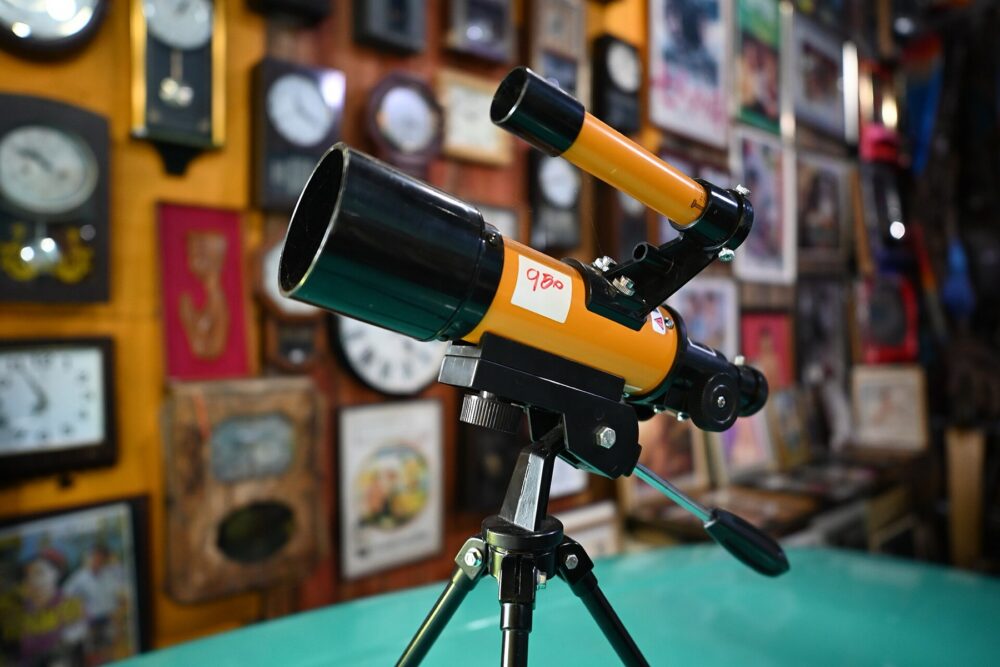
Home decor sale and wholesale means buying décor items in bulk at discounted per‑unit prices so you can resell them at retail margins. For a US shop or small ecommerce brand, DHgate is one of several ways to access Chinese manufacturers and suppliers, but it only makes sense if you can vet sellers carefully, test samples, and compare your total landed cost against alternatives like Alibaba, Amazon, and US wholesalers or liquidators.
This guide focuses on how to make that sourcing decision specifically for home decor—where style risk, quality variation, and breakage all hit your margins fast.
How Home Decor Sale and Wholesale Actually Works
Wholesale buying is different from catching a seasonal “sale.” A retail sale is a temporary discount on single items. Wholesale is a structural discount for buying cases or larger batches, usually tied to a minimum order quantity (MOQ).
Typical home decor wholesale categories include:
- Small decorative objects (vases, figurines, trays)
- Wall decor (prints, clocks, mirrors)
- Textiles (throws, cushion covers, table linens)
- Seasonal/holiday decor
Upstream, manufacturers and trading companies produce or assemble these items—often in bulk runs—then sell them through:
- B2B marketplaces (DHgate, Alibaba, AliExpress for small lots)
- US‑based wholesalers and distributors
- Local liquidation and overstock outlets
DHgate’s own blog describes it as a large B2B marketplace connecting manufacturers and suppliers in China with buyers worldwide, listing over 22 million products across more than 40 categories.DHgate overview That scale matters for decor: you can usually find many variations of similar items and compare pricing across suppliers rather than being locked into a single catalog.
For a small US seller, the basic margin logic looks like this:
- You buy a batch of candle holders at $3 landed cost per piece (unit price + shipping + duties + packaging).
- You retail them at $12.
- Your gross margin per piece is $9.
If a US wholesaler offers the same style at a $5 landed cost but ships faster and with lower defect rates, that might still be better for you once you factor in refunds, storage, and cash‑flow risk. Wholesale is not automatically “right” just because unit prices are lower—your whole supply chain has to work.
Choosing and Communicating with Home Decor Suppliers
Whether you source on DHgate or an American wholesaler’s site, your choice of supplier is the real risk lever. DHgate’s own guidance to buyers emphasizes using filters, checking supplier ratings, reviews, and transaction history, and ordering samples before larger commitments.DHgate sourcing tips That’s a useful structure you can apply anywhere.
Here’s a practical way to approach it, step by step.
1. Shortlist suppliers with specific filters
On DHgate or similar marketplaces, start by narrowing to:
- Category (e.g., “home decor,” “vases,” “wall art”)
- Material (ceramic, glass, metal, textile)
- Price range that fits your target retail price
On DHgate, use search filters to remove listings that don’t match your material or style requirements. This is especially important for decor where perceived quality is closely tied to material and finish.
2. Read ratings, reviews, and transaction history with a decor lens
Don’t just check that ratings are “high.” Look at:
- How many transactions a supplier has completed (especially for similar items)
- Review details mentioning color accuracy, finish quality, smell (for textiles), and packaging
DHgate’s blog repeatedly notes that reliability and quality vary by seller, so these checks are a first screen rather than a guarantee.DHgate vs Amazon analysis
3. Request samples and small test orders
Samples are non‑negotiable in home decor. A vase that looks great in photos can feel cheap or arrive with uneven glazing.
On DHgate, requesting a sample or placing a very small first order aligns with the platform’s own advice to test product quality before committing to larger orders.DHgate sourcing tips Apply the same rule across other channels:
- Order a handful of units across 2-3 styles.
- Inspect quality, packaging, and how the item photographs for your store.
If you plan private label or custom designs, DHgate’s editorial content mentions that some suppliers offer OEM (original equipment manufacturer) options, where you can request branded or customized products.DHgate sourcing tips Before committing, confirm with the supplier:
- What customization options exist (colorways, printing, labels)
- Extra cost per unit
- Minimum quantities for custom runs
4. Message suppliers with specific questions
Use concise, decor‑specific messages. For example, instead of a form with placeholders, send a plain message that covers:
- The item link and your intended order range (e.g., “small initial order” vs “larger reorder”)
- Material and finish details you need confirmed
- Pricing at different quantity tiers
- Whether OEM branding or custom packaging is possible
Key items to clarify on any marketplace or wholesale site:
- Material spec (e.g., “stoneware” vs “earthenware” for ceramics)
- Finish (matte vs glossy, hand‑painted vs printed)
- How items are packed (individual boxes, bulk cartons)
Those details directly affect perceived value and breakage.
5. Watch for red flags before scaling up
Actual red flags in home decor sourcing include:
- Inconsistent product photos (different finishes or backgrounds for the same SKU)
- Vague answers about materials (“metal” instead of “iron” or “aluminum”)
- No willingness to provide a sample
Treat every supplier—on DHgate, Alibaba, or a local wholesaler—as a separate business you must evaluate. A strong marketplace reputation does not automatically make each individual seller low‑risk.
If you want more structured help with DHgate supplier checks, you can also read internal guidance on how to find DHgate suppliers and choose a DHgate wholesale supplier.
Pricing, MOQs, and When DHgate Beats Other Channels
How bulk pricing typically works on DHgate
DHgate’s business‑owner content highlights that many sellers offer tiered pricing: the more units you buy, the lower the unit cost becomes.DHgate wholesale pricing For a decor item, a listing might show something like:
- 10-49 units: higher per‑piece price
- 50-199 units: mid‑range price
- 200+ units: lower per‑piece price
Exact numbers vary by seller and product, but the structure is common. Your job is to plug that into a simple margin model before you commit.
Example margin calculation (hypothetical):
- DHgate supplier quote for a ceramic vase:
- 50 units: $4 per unit
- 200 units: $3.20 per unit
If you sell at $16 retail:
- Gross margin per unit ≈ $11.80.
- At 50 units with higher unit cost and similar extra fees, you might be closer to $6-7 margin.
That difference is why tiered pricing can make DHgate attractive for bulk purchases—as long as you’re confident in sell‑through and quality.
DHgate vs Amazon and Other Channels
DHgate’s blog comparison with Amazon suggests DHgate is typically better suited for bulk purchases because of wholesale‑style pricing and discounts on larger orders, while Amazon tends to focus more on individual items and smaller quantities.DHgate vs Amazon analysis That doesn’t mean either platform is universally best; it depends on what you need.
| Channel type | Typical decor sourcing strength | Common limitations for small US sellers |
|---|---|---|
| Cross-border multi-seller-style B2B marketplace | Wide range of suppliers; tiered pricing for bulk orders; some OEM/customization options | Quality/logistics vary by seller; cross-border communication and longer timelines require more diligence |
| Amazon-style retail marketplace | Fast access to small quantities; simple, familiar buying process | Per‑unit prices often higher for resale margins; limited ability to negotiate tiers directly with sellers |
| US wholesalers/distributors | Stable catalogs; predictable reorders; domestic support | Unit costs can be higher; less variety in niche or trend‑driven decor |
| Liquidation/overstock outlets | Very low prices on mixed home decor pallets | Styles are inconsistent; difficult to build a repeatable product line |
DHgate’s blog also positions it alongside platforms like AliExpress as international marketplaces with competitive prices and no strict platform‑wide minimum order requirement, serving small businesses globally.DHgate vs AliExpress overview In practice:
- DHgate and AliExpress can both work for low‑MOQ decor sourcing and micro‑batches.
- Alibaba often leans more toward factory‑direct, higher‑MOQ arrangements and larger custom runs.
Scenario callouts: where DHgate fits, and where it doesn’t
Scenario 1: Small boutique testing new decor styles
You run a 600‑sq‑ft brick‑and‑mortar shop and want to try three new vase designs.
- Better immediate fit: US wholesalers or a platform where you can buy around a dozen pieces per style quickly, even at a higher unit cost, to test in‑store.
- DHgate role: A secondary channel for future reorders once you know which styles sell and you’ve validated a supplier via samples and small test orders.
Scenario 2: Amazon/FBA seller building a decor line
You sell on Amazon and want a private‑label decor line in your brand packaging.
- DHgate fit: Source base products and packaging from suppliers that explicitly mention OEM customization and tiered bulk pricing in their listings or descriptions. Use samples and small pilot runs to validate quality and branding.
- Alternatives: Alibaba may offer more factory‑direct options for very large runs, but expect higher MOQs and more complex negotiations.
Making a First DHgate Home Decor Order Safer
If you decide DHgate is worth testing for home decor, approach your first order like structured research, not a one‑off gamble.
1. Pick a narrow product niche
Choose a specific decor subcategory—such as “boho cushion covers”—instead of trying cushion covers, throws, and rugs all at once. That keeps your quality checks focused.
2. Shortlist multiple DHgate suppliers
Use DHgate’s filters to find several suppliers with relevant products, decent ratings, and visible transaction history in home decor categories.Wholesale suppliers overview
3. Request samples or very small orders
Order from at least two suppliers so you can compare:
- Fabric or material feel
- Color accuracy against photos
- Packaging robustness for shipping
DHgate’s own market‑research guidance stresses that requesting samples before larger orders is a key part of quality assurance for wholesale buyers.Market research on DHgate
4. Compare landed cost and margin before scaling
Build a simple spreadsheet for each tested SKU:
- Unit price at your target quantity
- Estimated per‑unit share of shipping, duties, and packaging
- Target retail price and expected margin
Only move to higher pricing tiers when the sell‑through, quality, and communication all check out.
5. Decide how DHgate fits alongside other channels
If DHgate doesn’t surface suppliers that can meet your quality or communication standards in that niche, that’s a useful outcome—not a failure. You can shift the same structured process to US‑based wholesalers, liquidators, or other marketplaces while keeping DHgate in mind for categories where its variety and bulk pricing are more compelling.
If you want to go deeper into DHgate‑specific sourcing mechanics, internal guides such as find wholesale suppliers on DHgate provide more focused walkthroughs on platform tools and supplier filters.