
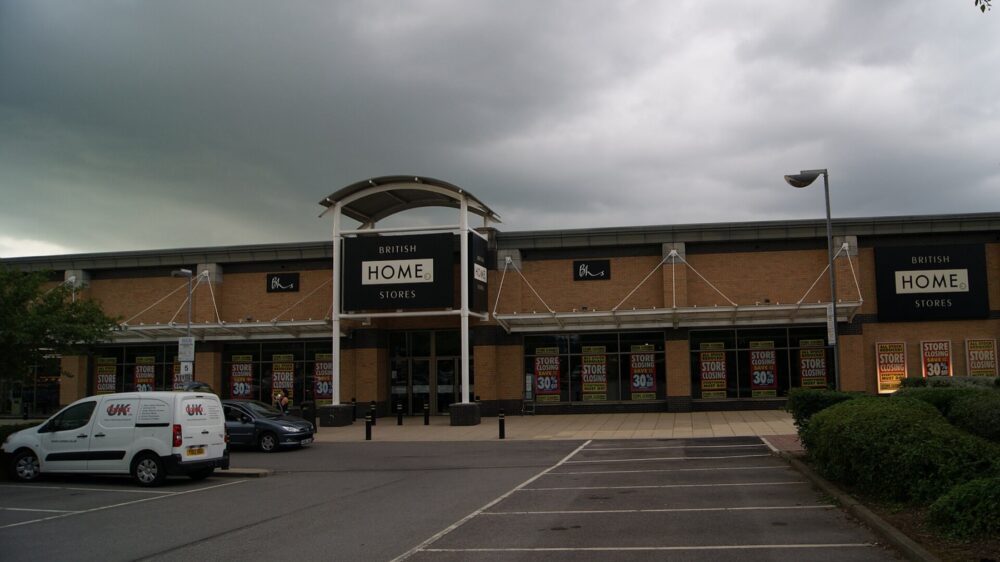
How Liquidation and Wholesale Stores Work in the US Resale Supply Chain
Liquidation and wholesale stores specialize in discounted merchandise often sourced from surplus inventory, customer returns, and overstock from major retailers. Local liquidation outlets, pallet warehouses, and truckload brokers all sit downstream from traditional retail and upstream from small resellers. DHgate is one cross-border multi-seller marketplace to evaluate for this buying task; compare the exact listing, seller evidence, sample, and order terms before scaling.
You’ll see a few common formats:
- Bin stores and public outlets – Goods dumped into bins or shelves, often untested returns and shelf pulls. Shoppers dig for deals one item at a time.
- Pallet warehouses – Pallets or gaylords sold by category (e.g., “general merchandise” or “home & garden”), often with a rough manifest or none at all.
- Online liquidation platforms – Auction or fixed-price lots that may be manifested by retail category or condition.
Wholesale stores can overlap with liquidation but usually focus on more consistent, new-condition products in bulk cases. Both channels serve individual deal-seekers and small businesses buying in bulk for resale, but the risk profile is different. Liquidation is closer to buying mystery boxes; wholesale warehouses are closer to traditional distribution with lower prices and less chaos.
DHgate, described in its own editorial content as a China-based B2B cross-border online marketplace founded in 2004, connects global buyers with Chinese manufacturers and wholesalers and hosts millions of sellers and over 20 million products at competitive prices. In the resale supply chain, it sits closer to the manufacturing end than to the liquidation end.
Choosing and Evaluating Liquidation & Wholesale Suppliers
The profit in liquidation isn’t just in cheap pallets; it depends on buying from the right supplier with the right expectations. Use this section as a practical filter when you’re considering a new liquidation or wholesale warehouse.
1. Know their stock pipeline and formats
Ask:
- Where does their inventory come from? Reputable operators will usually say they specialize in surplus, returns, or overstock, sometimes by region or retailer type.Source
- How do they sell? Bin store by the piece, manifested lots, unmanifested pallets, or truckloads. Your workflow will be very different for a manifested pallet vs. digging bins on public sale days.
- Condition mix. Are loads mainly new shelf pulls, mixed returns, or salvage? A bin-store flipper can live with mixed condition; an online seller who needs clean, re‑shippable items cannot.
If the seller can’t explain these basics in plain language, assume volatility and price your risk accordingly.
2. Inspect sample loads and read manifests skeptically
For local warehouses, ask if you can walk the floor or buy one test pallet before committing to a truckload. You’re checking:
- Repetition of useful SKUs vs. random one‑offs
- Packaging condition (crushed boxes mean more unsellable items)
- How closely real pallets match their advertised category and condition
When manifests exist, treat them as directional, not guaranteed. A manifest that lists counts and broad categories helps you estimate resale potential, but percentages of unsellable items can still be higher than you expect.
3. Clarify pricing, add‑ons, and return rules
Unclear fees can wipe out your margin. Get specifics on:
- How pricing is set (flat per pallet, percentage of supposed retail, or auction)
- Whether there are handling, loading, or mandatory delivery charges
- Their stance on problem pallets (most liquidation is final sale; some warehouses may adjust for extreme discrepancies)
Never assume you can return a bad load. Build your model expecting no refunds and treat any accommodation as a bonus.
4. Supplier communication and basic paperwork
For businesses, a decent liquidation or wholesale supplier should be willing to:
- Issue invoices with clear lot identifiers
- Explain basic buying terms in writing
- Provide a point of contact who can answer questions about upcoming loads
This is far from the full legal picture, and local requirements differ by state. If you plan to operate as a business, you may need permits or tax IDs; that’s a conversation with a local professional, not with the warehouse.
Quick checklist for a new liquidation/wholesale supplier
Use this inline checklist during your first contact:
- Do they clearly state their inventory sources (surplus, returns, overstock)?
- Do they offer at least one way to sample (single pallet, store visit, smaller lot)?
- Are condition and categories described in plain, non‑vague language?
- Are prices and fees predictable from load to load?
- Will they put basic terms and invoices in writing?
If you’re only getting hype and no specifics, treat that as a red flag.
Liquidation vs Online Wholesale Marketplaces (Including DHgate)
Liquidation pallets and cross‑border marketplaces like DHgate occupy very different parts of the sourcing spectrum. Liquidation gives you cheap, unpredictable inventory; online wholesale marketplaces aim for repeatable, controllable inventory.
DHgate’s editorial content describes it as a China‑based B2B cross‑border marketplace, founded in 2004, hosting millions of sellers and tens of millions of products from Chinese suppliers at competitive prices. It connects global buyers directly with manufacturers and wholesalers rather than with leftover retail stock.
How the workflows differ
DHgate’s wholesale buying guidance emphasizes:Source
- Doing market research and deciding on a niche
- Presenting a professional brand image
- Getting business licenses or reseller permits where applicable
- Using directories and trade shows to find and vet suppliers
Liquidation, by contrast, is rarely about building a brand relationship. You’re buying whatever lots the warehouse has today, often with limited control over product mix.
Compact sourcing comparison
Here’s a comparison on the dimensions that matter most to small US resellers:
| Sourcing channel | Predictability of SKUs | Typical MOQ feel* | Product control & customization |
|---|---|---|---|
| Local liquidation pallets | Low – mixed, changing loads | High in units (full pallet) | None; you take what’s in the load |
| Domestic wholesale warehouses | Medium – repeat categories, products | Medium (cases or small lots) | Low; some choice of lines, limited control |
| DHgate & similar marketplaces | High – you pick exact listings | Variable; often negotiable | High; you can choose specs, sometimes OEM |
\*This reflects typical buying experience, not strict rules for any platform.
Scenario callouts: where each channel fits
Think in terms of your business model:
- Bin store or local discount outlet. You’re selling surprise and variety. Liquidation pallets and truckloads fit well here because you want a wide mix and can absorb returns and shelf pulls.
- Online general reseller (eBay, Mercari, Amazon used goods). You need items with known comps and acceptable condition. Selective liquidation (manifested loads, visible inspection) can work, but damage rates and testing time must be built into your margin.
- Branded private label or consistent catalog (Shopify, Amazon new, social commerce). You need the same product week after week, with control over specs and packaging. Cross‑border marketplaces like DHgate, where you can evaluate specific suppliers and request samples, tend to be a better fit than liquidation.Source
DHgate’s editorial also suggests that some buyers can purchase wholesale quantities as consumers, but emphasizes that success depends on planning, sourcing, and margins rather than the platform alone.https://www.dhgate.com/blog/?p=12717 You still have to choose products with enough spread between your landed cost and resale price, and that’s true whether you’re importing new goods or flipping a pallet.
If you decide to explore DHgate as part of your mix, you’ll get the most value by treating it as a structured supplier search, not a one‑time bargain hunt. For more detail on the DHgate side of the process, see:
- How to find wholesale suppliers on DHgate
- How to find DHgate suppliers
- How to choose a DHgate wholesale supplier
The practical move for many US resellers is a hybrid: use liquidation or domestic wholesale for opportunistic buys that fit a discount or bin‑store model, and use structured marketplaces like DHgate when you need stable, repeatable products you can plan around.