
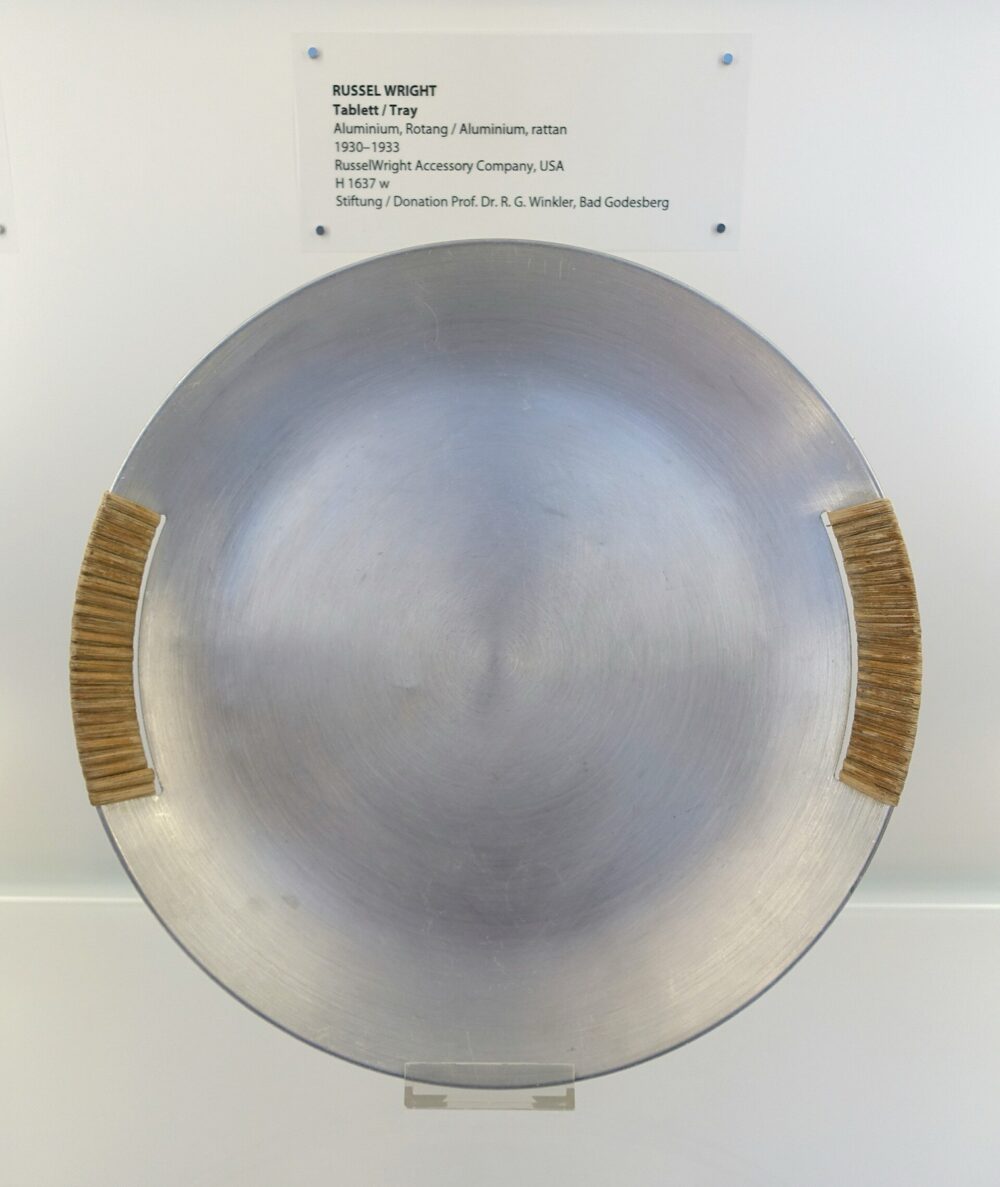
Rattan‑look storage trays can be a solid add‑on or hero product for a small U.S. decor business, but only if you treat your first order as a test, not a bet. You can use DHgate to place small, evidence‑driven trial orders—taking advantage of flexible quantities and seller‑set tiered pricing—and then scale with repeat buys only if the material, construction, and supplier communication hold up. If you need tight brand storytelling, eco certifications, or faster replenishment, specialist rattan manufacturers or U.S. B2B marketplaces like Faire often fit better.
Below is a practical way to think about tray types, quality, and a DHgate‑focused test‑and‑scale workflow.
What Rattan‑Look Storage Trays Are and How Retailers Actually Use Them
Rattan‑look trays are shallow organizers and display pieces made either from natural rattan cane or synthetic fibers that mimic the woven, warm texture of rattan. They sit in a sweet spot between functional storage and decor: they can hold remotes on a coffee table, bathroom toiletries, kitchen condiments, or jewelry on a dresser while doubling as styled props in photos.
Home‑decor manufacturers like Mekocraft’s round rattan storage tray and Artex Naman’s wholesale rattan trays show how broad the category is: round and rectangular shapes, nesting sets, trays with metal frames, and pieces designed specifically for vanity or hospitality use.
For small U.S. sellers, the appeal is:
- Visual upsell: Trays work well in lifestyle photography alongside candles, soaps, or bath accessories.
- Ticket booster: A tray can turn a <$20 basket of goods into a $35–$50 curated set.
- Giftability: Nested sets or styled bundles sell well as hostess or holiday gifts.
DHgate’s wide, mostly generic catalog makes it relevant when you want inexpensive, unbranded trays to bundle with other items—less so when you need a story around artisan production.
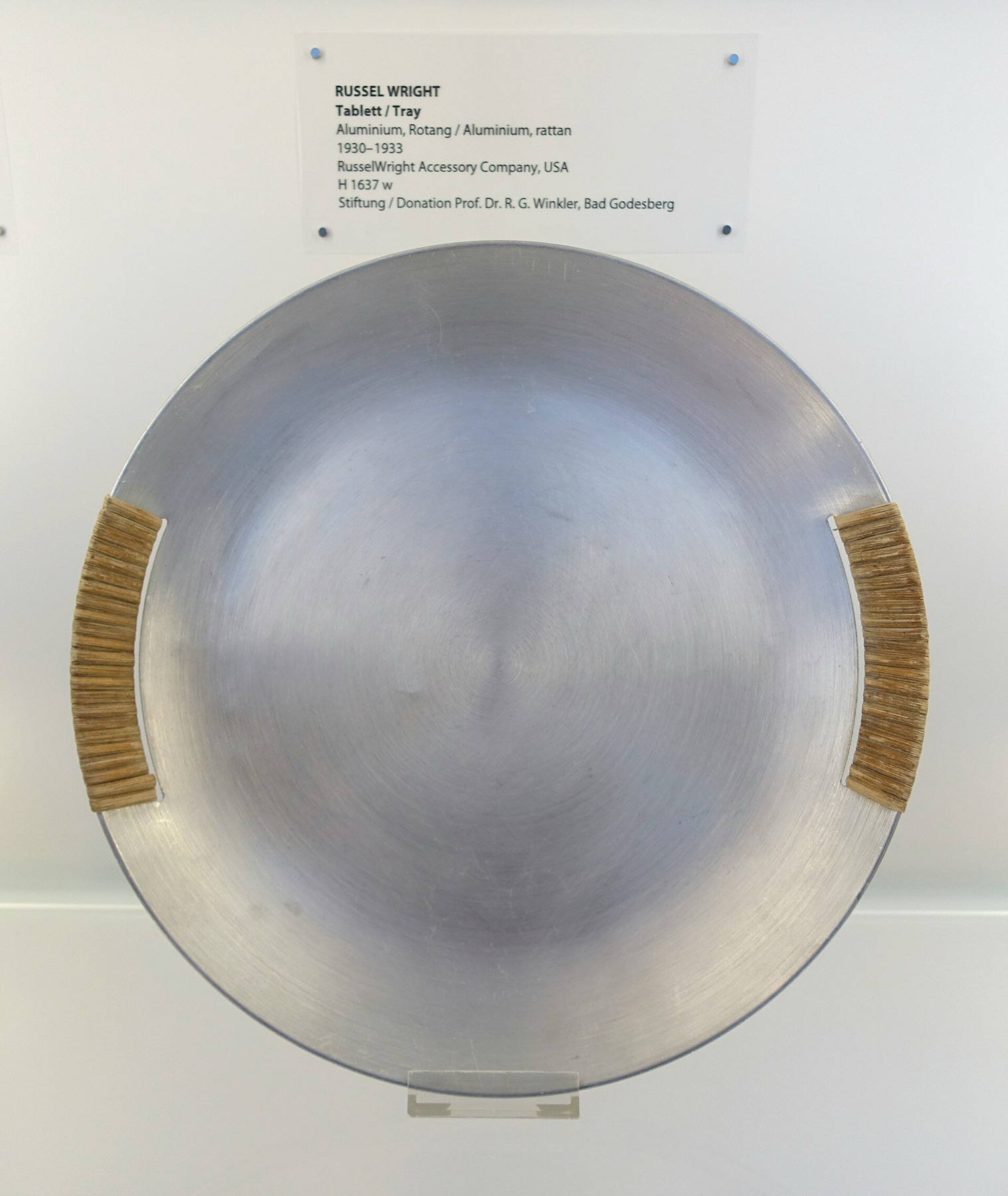
Key Tray Types and Buying Factors for Wholesale Orders
Before you send any RFQs or place a test order, decide which sub‑type you’re actually buying. That shapes your margin, shipping exposure, and customer reviews.
Core tray types you’ll see
- Natural rattan trays
Hand‑woven cane (often from Southeast Asia) with visible variation in weave and color. Examples on Artex Naman and Mekocraft include round serving trays and storage baskets. These skew more “artisan” and may appeal to eco‑conscious buyers.
- Rattan‑look synthetic trays
Plastic or resin fibers woven to imitate rattan. They tend to be more uniform, more resistant to moisture, and cheaper at scale. Good fit for bathroom, kitchen, and outdoor uses where customers care more about wipe‑clean durability than natural materials.
- Hybrid trays (rattan + metal or wood)
Rattan woven into a metal frame or mounted on wooden bases—like Artex Naman’s rattan tray with metal frame. These feel more premium and can anchor a high‑ticket vanity or coffee‑table set.
Specs and construction details that actually matter
For wholesale, focus on details that impact customer complaints, not just aesthetics.
- Material clarity: Is the listing explicit about natural vs synthetic? For natural rattan, ask sellers whether the weave is sealed or left raw; unsealed cane stains faster with oils and cosmetics.
- Dimensions and height: Tray length, width, and wall height determine what customers can actually store. For example, a shallow 1.5″ wall works for candles and bottles; 3″ or more is better for toys and loose items.
- Weave tightness and finish: Gaps in the weave or rough edges snag fabrics and feel cheap. Ask for close‑up photos and, if possible, a sample to confirm how smooth the edges are.
- Color consistency: Natural rattan has variation by nature; if you need identical sets for retail, lean toward synthetic rattan‑look material.
- Load use case: Heavy use (pantry, barware, office files) benefits from reinforced frames or hybrid trays; light use (jewelry, cosmetics) can tolerate thinner weave.
Buying factors and risks for bulk orders
Even generic trays can carry real risk if you skip the details:
- Margin vs positioning: Natural artisan trays from rattan specialists give you story and pricing power; generic synthetic trays from a marketplace are cheaper but need volume.
- Compliance and labeling: If you market anything as “eco,” “sustainable,” or “handmade,” you need supplier evidence that matches that claim. Many DHgate listings will not be set up for that.
- Breakage and warp risk: Large trays and nested sets can warp or crack if packed poorly. Ask suppliers how they pack sets—individual polybag, corner protection, inner cartons—before going beyond a trial order.
A quick sourcing checklist you can embed in your brief:
- Define: natural vs synthetic, target use (bath, kitchen, vanity, general storage).
- Specify: minimum wall height, max outer dimensions, acceptable color range.
- Require: photos of underside and edges, description of protection in packing.
- Ask: whether tray sets nest and how many pieces per set.
Using DHgate to Test and Scale Rattan‑Look Tray Sourcing (and When to Choose Other Channels)
Here’s a practical, tray‑specific workflow.
1. Run a focused search and shortlist sellers
On DHgate, start with targeted searches like “rattan storage tray,” “woven vanity tray,” or “synthetic rattan bathroom tray.” Use filters for material keywords and size ranges where available.
Shortlist only listings where:
- The description includes dimensions and material type.
- Photos show close‑ups of weave and edges.
- Seller ratings and reviews look active, not empty. DHgate’s editorial blog suggests using ratings and reviews to understand reliability and pricing structures, even though no rating system is perfect.
For more on reading DHgate seller evidence, see Find trusted sellers on DHgate.
2. Ask about tiered pricing, MOQ, and samples
Message each shortlisted seller with a simple grid:
- Quantity 1: single sample (paid)
- Quantity X: your desired test batch (for example, enough units to stock one collection launch)
- Quantity Y: hypothetical bulk order
Ask them to fill in unit prices for each tier and confirm whether they can send a single tray sample first. DHgate’s bulk‑buying guidance explicitly recommends starting small and requesting samples before placing large orders.
3. Place a small, controlled test order
Once you’ve seen:
- Sample pricing and photos, and
- A clear tiered pricing quote,
run a sample plus micro‑batch order:
- 1-2 units shipped first (or pulled from the batch) so you can physically inspect weave, finish, and true dimensions.
- A small batch sized to test demand across your main channels (boutique shelves, Shopify, Etsy).
Before checkout, align this with your broader process: Wholesale Sourcing has a useful framework for turning these small orders into evidence instead of guesswork, and DHgate order readiness checklist helps you avoid last‑minute surprises.
4. Inspect, launch, and watch the numbers
When the trays arrive, treat inspection as data collection:
- Compare actual dimensions to the listing description.
- Check a sample of units for weave consistency and rough edges.
- Note any smell, finish, or color variation that might trigger returns.
Launch with clear positioning: synthetic rattan‑look bathroom organizers at a value price, or natural rattan trays framed as decorative accents. Track:
- Sell‑through rate in the first 4-6 weeks.
- Customer comments about quality or function.
- Bundle performance (e.g., tray + candle + soap set vs tray sold alone).
If the numbers and reviews look solid, you now have evidence to justify moving up to the next tier in the seller’s pricing structure.
5. Decide whether to scale on DHgate or switch channels
Use a simple comparison to decide your repeat‑order route:
| Channel type | Best for | Typical trade‑offs |
|---|---|---|
| DHgate generic trays | Testing unbranded rattan‑look trays, value bundles, and basic organizers | Flexible quantities and tiered pricing, but uneven branding and limited certification detail; you must vet each listing. |
| Specialist rattan manufacturers (e.g., Artex Naman, Mekocraft) | Natural, artisan‑leaning trays with story and design consistency | Stronger product narratives and design depth; you may face higher MOQs and more complex importing. |
| U.S. B2B marketplaces (e.g., Faire, Goldwoven) | Faster restock and curated brands for boutique retail | Easier logistics and brand alignment; usually higher landed cost per tray than direct cross‑border sourcing. |
If your trial DHgate order reveals:
- Quality variance you can’t live with, or
- Customers clearly valuing the “artisan” aspect,
then look at suppliers like Artex Naman or Mekocraft, or U.S. platforms such as Faire and Goldwoven, as your main route for repeat buying.
For additional DHgate platform context, use What DHgate is and how the marketplace works.
If instead you find that customers mainly care about price and function—and your DHgate test seller proves consistent on material and dimensions—then DHgate can stay in your sourcing mix as a way to keep costs down while you allocate your brand budget to a few hero pieces from specialist suppliers.