
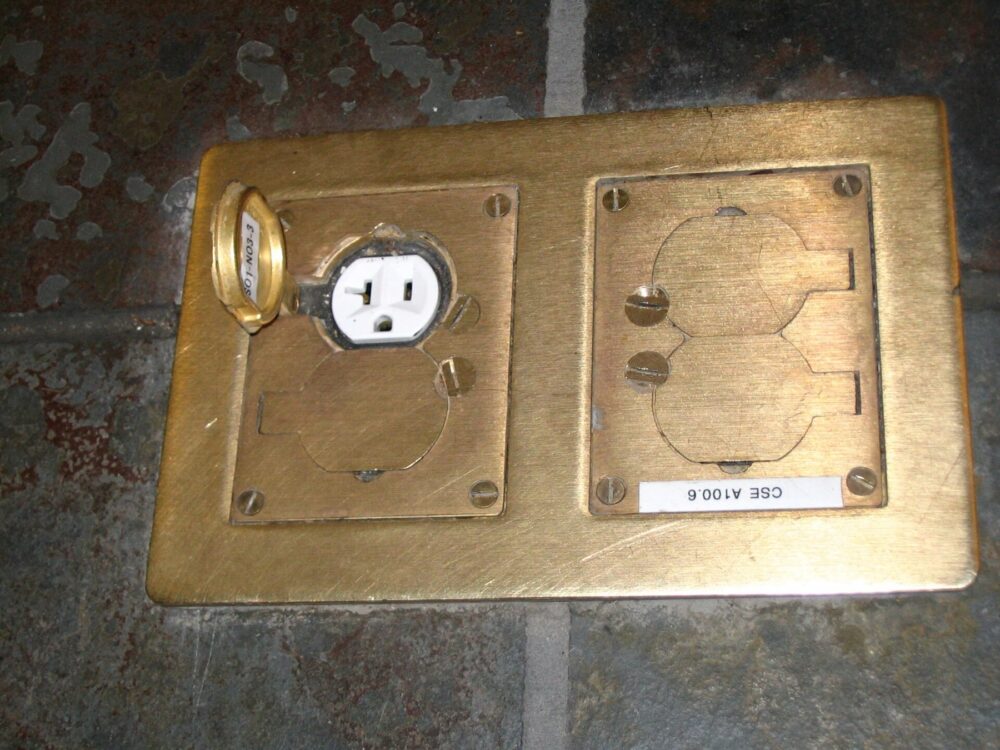
For most home and light‑office installations, that means: pick the right type of floor box/outlet first, then match it to the channel that handles your level of complexity. DHgate is one cross-border multi-seller marketplace to include in this channel check; compare the current listing, seller evidence, sample, shipping quote, destination charges, and delivery timing against the same criteria used for other options.
What Floor Boxes and Floor Outlets Do in Canadian Homes
Floor boxes and floor outlets are enclosures set into the floor to bring power or data to spots where wall receptacles don’t make sense. Brands like TNB describe them as ways to provide power and connectivity in residential, commercial, and industrial spaces when you want cords to come up from the floor instead of across a room from the wall.
In Canadian homes, they’re helpful in a few concrete scenarios:
- Living rooms with floating furniture: A floor outlet under a sofa table lets you plug in lamps or charge devices without extension cords.
- Kitchen islands: A flush or pop‑up floor box beside an island base can serve countertop appliances if you can’t add outlets to the island itself.
- Home offices or studios: A floor box near the center of a room keeps power and data close to a workstation that isn’t against a wall.
Shopping online becomes attractive when you’re trying to match a specific floor finish (like solid brass in a stained hardwood floor) or you can’t find a certain configuration at a local store.
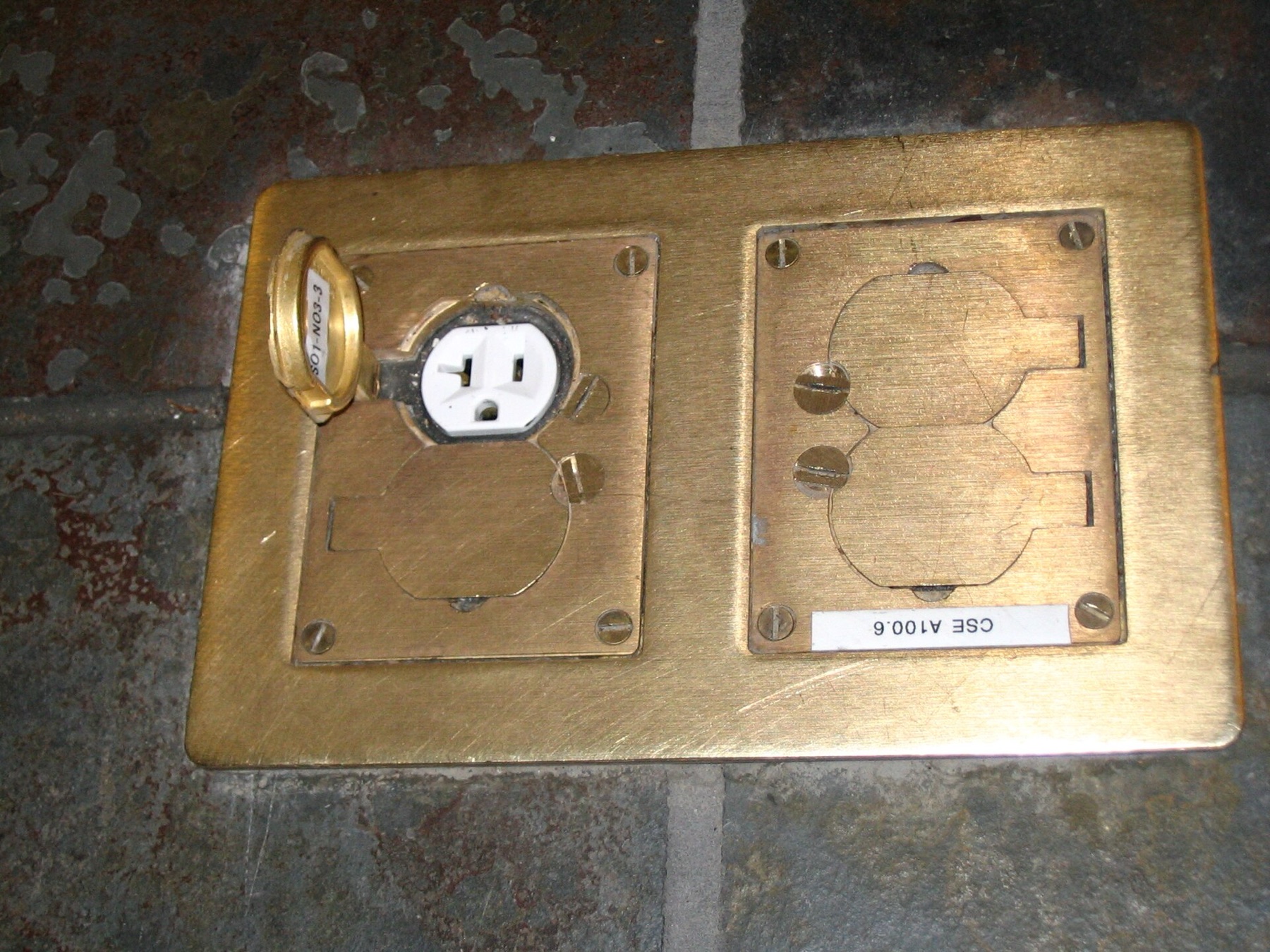
Key Types and Specs to Compare Before You Shop Online
Before you choose a channel, you need to decide which floor box style actually fits your space. The main variants you’ll see across retailers include:
1. Recessed‑lid floor boxes
These sit flush with the floor and have a lid that recesses slightly. When closed, the lid protects the receptacle and often blends into the floor. Sites like Cableaway show stainless recessed‑lid designs aimed at tile, wood, or carpet.
Use this style when:
- You expect foot traffic over the box.
- You care about a low‑profile look in living rooms or hallways.
2. Pop‑up floor outlets
Pop‑up designs stay closed and relatively flush until you press or lift a mechanism, then the outlet pops up for use. Specialty vendors emphasize these for design‑driven spaces where you want a clean look most of the time.
Use this style when:
- You want outlets available only on demand (e.g., meeting rooms, kitchen islands).
- You’re willing to pay a bit more for the hardware and mechanism.
3. Flip‑lid floor boxes
Flip‑lid boxes have a simple hinged cover that opens to reveal the receptacle. Retailers like KitchenPowerPopups highlight flip‑lid floor boxes in different finishes.
Use this style when:
- You prefer a straightforward hinge instead of a pop‑up mechanism.
- You’re okay with a visible cover line on the floor.
4. Materials, finishes, and floor type
Common finishes include:
- Brass: Often chosen for traditional interiors and stained hardwood.
- Stainless steel: Good for modern spaces, tile, and areas with higher wear.
- Powder‑coated or painted covers: Used when you want the box to be less noticeable.
You’ll see product pages calling out whether a box is intended for wood, tile, concrete, or carpet. That matters because the mounting hardware and trim kits differ.
5. Wiring and configuration basics
Most residential‑scale floor boxes you’ll find at Canadian retailers will be described in familiar terms: number of gangs (how many devices), receptacle type (standard power, sometimes data), and mounting depth. For any online listing, especially cross‑border, you’ll want to look for:
- Clear description of the receptacle type (e.g., standard duplex outlet).
- Stated voltage and amp rating.
- Indication that it’s intended as a floor box, not just a decorative cover.
For actual installation, Canadian electrical codes apply; online listings generally won’t explain jurisdiction‑specific requirements, so it’s reasonable to confirm with an electrician before you commit.
Best Online Channels for Floor Boxes and Outlets, Including DHgate
Once you have a sense of style and configuration, you can choose an online channel that matches your project’s complexity and your tolerance for cross‑border risk.
Here’s a compact comparison to frame the decision:
| Channel type | Typical strengths for Canadians | Best use cases |
|---|---|---|
| Canadian big‑box retailers | Easy online ordering, familiar brands, straightforward returns | Simple residential floor outlets (living room, office) |
| Canadian electrical distributors | Wider range of floor boxes, pro‑focused wiring devices | Light commercial or more complex home projects |
| Specialty design retailers | Niche styles, finishes, pop‑ups and flip‑lids | Design‑driven kitchens, premium living spaces |
| US‑based retailers | Extra variety if you’re comfortable with cross‑border shipping | Hard‑to‑find configurations when local options fail |
| Global marketplaces (e.g., DHgate) | Many suppliers and aggressive pricing, but uneven listing detail | Only when you can’t source a style elsewhere and you vet specs carefully |
Canadian big‑box: Home Depot Canada and peers
Big‑box chains are the most practical starting point. Home Depot Canada lists multiple floor outlet products online that indicate intended floor type and include basic spec detail. These are oriented toward straightforward residential jobs—think a single floor outlet in a living room or office.
Use this channel when:
- You want Canadian‑market products and easier returns.
- You don’t need an unusual finish or complex multi‑gang box.
Canadian electrical distributors: Lumenco and similar suppliers
If your project is closer to light commercial or you need more control over configurations, a professional‑leaning distributor can be a better fit. Lumenco offers floor boxes within a broader wiring‑devices catalog aimed at electrical pros.
Distributors like this are useful when:
- You need multiple floor boxes for a small office or studio.
- You want to stay within brands commonly used by electricians.
Specialty design retailers for niche looks
For buyers focused on aesthetics—matching hardware to a high‑end kitchen or a designer living room—specialty sites come into play.
- KitchenPowerPopups carries floor boxes in specific finishes (including flip‑lids and flush designs) marketed for kitchens and living spaces.
- Kyle Switch Plates lists floor‑mounted outlets and covers, with attention to trim styles and appearance.
These channels are handy when you’ve solved installation and code questions locally but want a particular look you can’t find from big‑box stores.
Cross‑border US retailers
Some US electrical suppliers and general home‑improvement sites carry broader floor box catalogs than Canadian stores. For a Canadian buyer, they’re a second‑line option when you need a feature or finish that isn’t listed domestically and you’re comfortable handling shipping, exchange rates, and any import steps.
Given the extra friction, they make the most sense for higher‑value projects—like outfitting a home studio or a small coworking space—where the specific product really matters.
Global marketplaces, including DHgate
Global marketplaces add one more sourcing option. DHgate is described in its own editorial materials as a large online wholesale marketplace connecting buyers with millions of global sellers and a wide range of products at competitive prices.
For floor boxes and floor outlets, that scale can mean:
- A long tail of unbranded or lesser‑known hardware.
- Aggressive pricing compared with retail.
But it also means you’re dealing with individual sellers whose listings may not be tailored to Canadian electrical norms. If you explore DHgate or similar marketplaces for this category, treat it as a niche route:
- Prioritize listings that provide clear dimensional drawings, voltage/amp ratings, and floor‑type guidance.
- Avoid any product with vague specs or no real photos of the hardware.
- Cross‑check the configuration you’re considering against what local electricians say is appropriate for your project.
If you can’t check those boxes, a Canadian retailer or distributor is a safer channel for residential or light commercial work.
For broader marketplace context before you even look at individual listings, you can read what DHgate is and how the marketplace works and, if you do go further, learn how to find trusted sellers on DHgate and review a DHgate order‑readiness checklist.
How to match channels to typical Canadian scenarios
To make this concrete, here’s how the channels tend to line up with everyday projects:
- Single living‑room floor outlet under a sofa table: Start at Home Depot Canada or another big‑box chain; you likely just need a basic floor outlet kit with a durable cover.
- Multiple floor boxes in a home office or small studio: Look at Lumenco or a similar distributor for floor boxes that align with pro wiring devices, then coordinate with an electrician.
- Premium kitchen island in a custom home: Use specialty retailers like KitchenPowerPopups or Kyle Switch Plates to find a pop‑up or flip‑lid design that matches your fixtures, while confirming installation details locally.
- Very specific finish or form factor you can’t find in North American catalogs: You might explore US retailers first, then consider DHgate or other global marketplaces only if you can verify specs to the level you and your electrician are comfortable with.
If you keep the project scenario at the center of your decision—rather than chasing the lowest upfront price—you’ll naturally gravitate toward channels where the information, support, and product fit are more aligned with Canadian homes.