
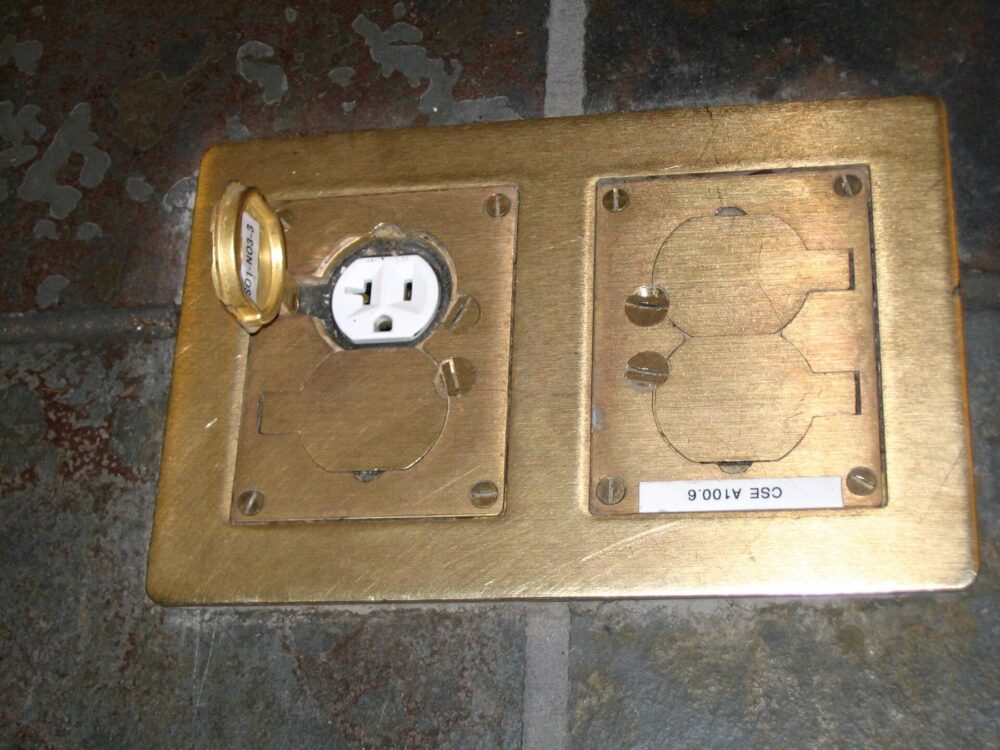
What Floor Boxes and Floor Outlets Are, and Why Cross-Border Sourcing Is Sensitive
Floor boxes and floor outlets are electrical or data connection points built into the floor so you can plug in power or network without wall outlets or dangling cords. You see them in living rooms with open layouts, home offices, conference rooms, and retail spaces where furniture sits away from walls. DHgate is one cross-border multi-seller marketplace you can use to look for these products, but you need to vet each listing, seller, and sample carefully before any real project use.
They’re more than decorative hardware. A typical floor box includes a metal or heavy-duty plastic box recessed into the floor, a cover (often flip-up or pop-up), and one or more receptacles inside. Because they house live electrical parts where people walk, spill drinks, and move furniture, they need to be robust, properly rated for dust and moisture, and installed per local code.
For cross-border buying, the risk is simple: a floor box built for another market can physically fit but be wrong electrically (different receptacle style, voltage assumptions, or uncertified components). On a marketplace like DHgate, that means you must treat every listing as unverified until you’ve confirmed technical compatibility and safety.
To understand DHgate’s general marketplace structure and listing behavior, you can review the brand’s own overview of how browsing and search work on the platform in Navigating DHgate’s website. It describes DHgate as a large B2B cross-border marketplace connecting global buyers with a wide array of products from suppliers in China, which is the context you’re working in here.
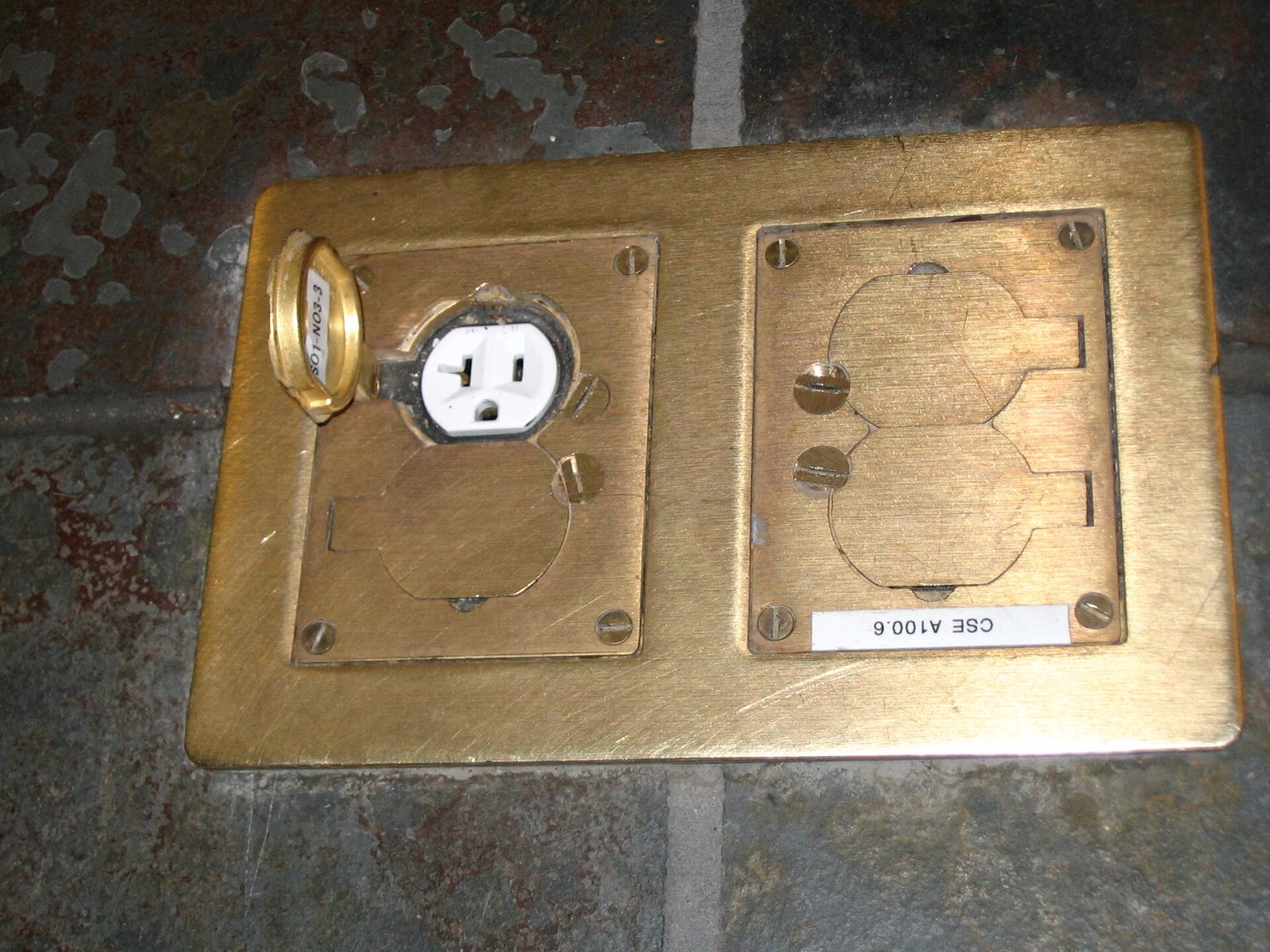
Types of Floor Boxes & Outlets and Specs to Pin Down Before You Search DHgate
Before you open DHgate in a browser, decide exactly what you’re trying to source. That makes your search terms specific and helps you avoid listings that look right but won’t work in a Canadian home.
Common types you’ll see
- Recessed power-only floor boxes: A box set into the floor with standard outlets on a recessed plate and a lid that closes flush or nearly flush. Good for living rooms or open-plan offices.
- Pop-up floor outlets: The receptacles sit inside a box and pop up when pressed. These are popular in residential renovations for their clean look.
- Combination power + data boxes: Boxes that include AC outlets plus RJ45, USB, HDMI, or audio. Often used in meeting rooms and retail.
- Service boxes / exhibition floor sockets: Larger modules intended for trade-show floors, often with multiple circuits and data ports.
You’ll see similar categories in DHgate results if you search phrases like “floor socket box” or “recessed floor outlet.” But you should choose your type first, so you can filter aggressively.
Specs you should define up front
For Canadian residential or light commercial use, have at least these details written down before you start searching. Use them as a checklist:
- Receptacle style compatible with Canadian plugs
- Voltage and frequency (typically 120V, 60 Hz assumptions in Canada)
- Box material (metal vs. plastic)
- Ingress protection or similar environmental rating for wet/dirty areas
- Cutout size, box depth, and lid dimensions
- Cover style (flush, pop-up, hinged) and expected foot traffic/load
The table below summarizes how these details connect to your DHgate search.
| Spec / detail | Why it matters in Canada | How it shapes your DHgate search |
|---|---|---|
| Receptacle style | Canada commonly uses NEMA-style 120V outlets; other styles may not fit local plugs | Don’t rely on keywords; inspect listing photos closely for outlet shape and ask the seller to confirm |
| Voltage & frequency | Typical Canadian assumption is 120V, 60 Hz | Look for listings that mention 110-120V; where unclear, message the seller for exact ratings |
| Box material | Metal vs. plastic affects durability and fire behavior | Add terms like “brass floor box,” “stainless steel,” or “PVC floor box” depending on project need |
| IP / ingress protection | Important in kitchens, near windows, or commercial spaces with spills | Search or filter for mentions of “IP44” or similar; treat missing information as a gap to clarify |
| Cutout size and depth | Must match your floor thickness and installer’s tools | Keep your required dimensions handy; compare with diagrams or request technical drawings |
| Cover style & load rating | Flush/pivot/pop-up, and how much weight it tolerates | Use terms like “flush mount” or “pop up”; ask about load rating if the outlet is in a main traffic path |
For a small ecommerce business, decide whether you’re reselling as decorative hardware only or marketing these products as electrical equipment for Canadian installations. The second path demands much stricter documentation and typically involves consulting a licensed electrician or local authority.
Step-by-Step: Using DHgate to Find, Filter, and Vet Floor Box & Floor Outlet Listings
This workflow keeps the process structured and anchored to DHgate’s actual search and listing features.
1. Set up your account and requirements
Create a DHgate account so you can save favorites and message sellers. Then write down:
- Your exact product type and key specs (from the checklist and table above)
- Quantity ranges (single project vs. trial batch vs. resale inventory)
- Target price bracket and materials
This mirrors DHgate’s own general sourcing guidance: define your requirements before browsing, then use that list to evaluate each supplier and product.Source
2. Search with targeted keywords
On the DHgate homepage, use the main search bar and try specific phrases such as:
- `floor socket box`
- `recessed floor outlet`
- `pop up floor socket`
- `power data floor box`
Search results for terms like “floor socket box” show that multiple suppliers list floor outlets and service boxes. Expect a mix of power-only and mixed power/data products. Open several promising listings in new tabs so you can compare them side by side.
If you want broader context on how DHgate’s search and browse functions behave, DHgate’s own buyer-focused overview in DHgate reviews: what buyers need to know explains that buyers can either search by keyword or browse categories to reach millions of listings.
3. Use filters and categories to narrow the field
DHgate lets you refine by categories and various filters. For floor boxes and outlets, practical ways to narrow include:
- Category / sub-category: Steer toward electrical or hardware categories rather than generic home decor.
- Price range: Set a realistic bracket and be cautious with ultra-low prices that may indicate very light-duty or questionable build quality.
- Seller ratings: Start with sellers that show a history of transactions and higher star ratings. Ratings are a useful reputation signal, not a guarantee.
You can also use DHgate’s comparison behavior—open multiple listings and manually compare images, spec tables, and any technical drawings they provide.
4. Read the product listing like a spec sheet
Each DHgate product listing typically includes specifications, images, prices, and seller ratings. For floor boxes and outlets, read it as if you were doing a basic technical review:
- Electrical details: Look for voltage, current rating, outlet type, and any mention of standards. If the listing is vague (e.g., “universal socket” without voltage), treat that as a red flag.
- Dimensions: Compare cutout size, box depth, and lid size with your floor and building plan. If dimensions aren’t listed, ask the seller for a drawing before you consider buying.
- Material and finish: Check whether the box is brass, stainless steel, aluminum, or plastic, and match that to your environment (traffic-heavy vs. low-use areas).
- Ingress or protection rating: Some listings will mention ratings like IP44 for splash resistance. For outlets near entryways or kitchens, prioritize products that state a rating rather than relying on looks.
Cross-check photos with the text; mismatches between what you see and what’s written are grounds to move on. DHgate’s own shopping tips emphasize the importance of reading listing details and comparing similar products before deciding, which applies directly here.Source
5. Evaluate seller history and buyer feedback
DHgate enables buyers to leave ratings and reviews, which can help you gauge seller reputation and the real-world behavior of a product. For floor boxes/outlets, pay attention to:
- Whether reviews mention build quality (sturdy lid, decent screws, no sharp edges)
- Comments about actual outlet type (matching local plugs or not)
- Any reports of wiring issues or overheating
Treat reviews as signals, not proof of safety or compliance. For a Canadian installation, even a well-reviewed product still needs your own compatibility checks.
If you want broader strategies for screening DHgate suppliers, DHgateWiki’s platform-level guidance at What DHgate is and how the marketplace works and Find trusted sellers on DHgate can provide checklist-style seller vetting steps you can overlay on this specific product category.
6. Message sellers for missing technical details
Use DHgate’s messaging to ask very specific questions before you buy:
- “What voltage and current are the outlets rated for?”
- “Can you confirm the outlet type (please send close-up photos)?”
- “Do you have a technical drawing with cutout size and box depth?”
- “Is this product tested to any electrical standard, and can you provide documentation?”
Avoid vague questions and avoid placing an order if you get non-specific responses. Marketplace sourcing advice from DHgate’s own editorial content repeatedly stresses requesting samples and clarifying specs before bulk orders, and floor boxes are a textbook case.
7. Order samples before any project-wide or resale purchase
For Canadian buyers and small ecommerce businesses, treating the first purchase as a sample run is often the safest route:
- Order a small quantity from one or two shortlisted listings.
- Inspect the product physically and have a qualified electrician review it for your intended use.
- Check tolerances, lid mechanism, and how the outlet sits in the box.
If a sample fails basic inspection or doesn’t clearly align with Canadian electrical assumptions, stop there—do not scale up the order. To keep your broader buying hygiene in check, you can also use Review the DHgate order-readiness checklist before committing to any cross-border electrical purchase.
8. Know when DHgate isn’t the right source
If you need floor boxes/outlets that are explicitly certified for Canadian electrical standards, or the installation is in a space with strict inspection (commercial offices, public venues), DHgate may not be your best primary source. Domestic electrical wholesalers, big-box stores in Canada, or Canadian branches of major electrical brands are often better aligned with local certification and code expectations.
Use DHgate when you’re comfortable doing your own vetting, starting with small quantities, and possibly using the hardware in non-critical or decorative contexts. If you want plug-and-play assurance of Canadian compliance, prioritize local channels instead.