

If you’re choosing cane or sorghum mill equipment for a small U.S. farm or syrup venture, start by matching the type of press to your actual juice volume, then size the rolls and drive so you’re not stuck with an underpowered hobby unit or an oversized industrial line. Antique 3‑roller sorghum presses and compact stainless‑steel cane juicers can handle a few rows of cane and weekend events; multi‑mill cane sugar systems with shredders are built for entire mill houses and aren’t realistic for most small buyers. Only after you’ve nailed type and capacity does it make sense to browse broad marketplaces like DHgate as a secondary discovery channel for adjacent ag/tool gear.
What Counts as Cane and Sorghum Mill Equipment Today
People use “cane mill” and “sorghum press” to describe a surprisingly wide range of hardware. On the small end, you have simple 3‑roller mechanical or motorized presses that crush stalks and squeeze out juice for fresh drinks or syrup. These are often countertop or cart‑mounted units; for example, Walmart Business lists a compact sugarcane juicer with three stainless‑steel rolls designed for small commercial juice operations, which is typical of the modern small‑scale format (product example).
On the other extreme are full industrial cane sugar lines. An equipment listing from American Plant & Equipment describes a cane sugar mill setup with five milling units and a 28‑inch‑wide cane shredder in the mill house (industrial listing). That kind of system is intended for large factories processing truckloads of cane daily, not a few acres of sweet sorghum.
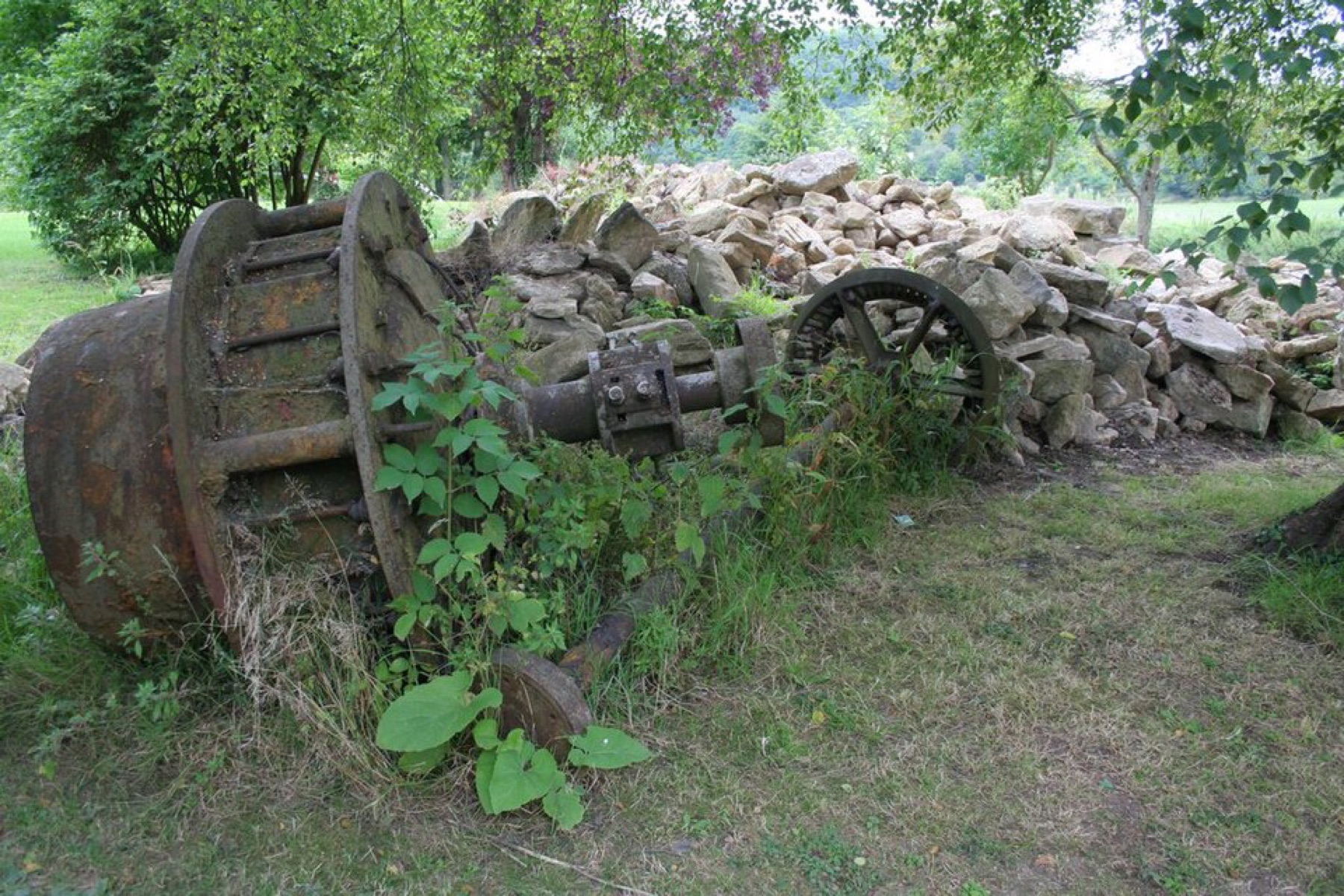
In between sit farm‑scale sorghum presses, many of them antique or heritage designs, plus small engineered cane/sorghum crushers sold through industrial and ag channels. Industry buying guides group these machines alongside broader sugar‑processing gear, emphasizing that “cane mills” can mean everything from a single press to an integrated line with feeders and drives (cane‑mill overview).
For practical purposes, most small U.S. buyers are choosing among:
- Antique or reproduction 3‑roller sorghum/cane presses (often PTO or belt driven)
- Modern small commercial sugarcane juicers with 3 stainless rolls and electric motors
- Farm‑scale cane/sorghum crushers sold as part of light industrial food‑processing equipment
Industrial mill houses with multiple mills and shredders are relevant mainly as a ceiling: they show how far the category can scale, but they’re usually overkill for direct‑to‑consumer syrup or farm‑stand juice.
Matching Mill Type, Roll Size, and Capacity to Your Operation
The key decision is not brand; it’s how much stalk you actually plan to run and at what pace. Cane‑mill buying guidance from industrial marketplaces stresses three linked factors: capacity, material quality, and energy efficiency, all matched to your intended processing scale (buying‑guide example). You can apply that logic even on a small farm.
Think in acres and event days
A simple way to right‑size:
- Hobby / demonstration (garden plot, a few dozen stalks at a time): An antique hand‑fed 3‑roller press or a very small motorized juicer is usually enough.
- Farm‑stand juice or small CSA (fraction of an acre planted, weekend service): A compact 3‑roller stainless‑steel juicer like the Walmart example is closer to the mark, designed for continuous use on event days.
- Commercial syrup across several acres: You’re into farm‑scale crushers that can feed multiple pans or evaporators. These are still single‑mill units, but with larger rolls, heavier frames, and proper power transmission.
A multi‑mill line with a 28‑inch shredder and five mills, such as the American Plant & Equipment system, is only realistic if you’re running a dedicated mill house and selling bulk sugar or syrup into wholesale channels.
Use roll size and mill count as quick filters
You won’t always get a neat gallons‑per‑hour figure, but specs still tell you a lot:
- Roll count: Small commercial juicers and many traditional presses use three rolls – a practical standard for juice extraction on small volumes.
- Roll width / shredders: A 28‑inch‑wide shredder and multiple downstream mills indicate industrial capacity. If you see shredder widths measured in dozens of inches and a chain of mills, you’re far beyond farm use.
Here’s how those patterns translate into typical buyers:
| Equipment style | Typical features | Who it suits |
|---|---|---|
| Antique / heritage sorghum press | 3 mechanical rolls, hand or PTO drive | Hobby syrup makers, heritage demos |
| Small commercial sugarcane juicer | 3 stainless‑steel rolls, electric motor | Farm‑stand drinks, small juice businesses |
| Farm‑scale cane/sorghum crusher | Larger rolls, heavier frame, dedicated drive | Multi‑acre syrup operations |
| Industrial cane sugar mill line | Cane shredder (~28″), ~5 mills in series | Mill houses processing truckloads of cane |
Don’t forget the “grain side” of sorghum
Sweet sorghum syrup uses the stalk; grain sorghum uses the seeds. Agricultural machinery guides show sorghum‑focused grain mills and hammer mills marketed alongside general grain‑processing equipment, illustrating that sorghum hardware overlaps with broader grain machinery. If your business plan includes flour or feed from sorghum grain, you may need:
- A cane/syrup press for stalks, and
- A grain or hammer mill for sorghum heads, similar to maize or mixed‑grain machines described by grain‑processing manufacturers.
Those are separate purchases, but the overlap matters: many “sorghum” listings online refer to grain‑processing machinery, not syrup presses. Read descriptions closely so you don’t accidentally buy a hammer mill when you wanted a cane crusher.
Buying Factors and Where DHgate Fits in Product Discovery
Once you know the scale of your operation, you can judge individual machines by a few specific traits rather than generic shopping rules.
Core quality checks for cane/sorghum mills
Industry buying guides for cane mills highlight three practical factors (cane‑mill overview):
1. Capacity vs. duty cycle
Look for clues like roll count, roll width, and intended environment (countertop juicer vs. mill house equipment). A small 3‑roller stainless unit advertised for juice bars, like the Walmart example, is built for regular daily use but not for factory throughput.
2. Materials and corrosion resistance
Sugarcane and sorghum juice are sticky and corrosive. Stainless‑steel rolls, juice trays, and housings (as seen on small juicers) handle food‑contact and cleaning better than untreated mild steel. Antique presses often use cast iron; those can be fine but expect more maintenance, repainting, and careful food‑safety practices.
3. Energy efficiency and drive
At small scale, “efficiency” mainly means: does the motor or PTO drive deliver enough torque without wasting power or stalling? Industrial guides treat this as a key spec for large mills, but for you it’s more about not pairing a heavy farm‑scale crusher with an undersized motor or tractor.
You’ll also want to decide whether you’re comfortable maintaining antiques or would rather buy new. An older press might fit your brand story at a U‑pick farm; a modern stainless juicer will usually be easier to keep sanitary in a juice bar.
Where DHgate realistically belongs
DHgate’s editorial blog describes the platform as a broad marketplace for tools and home‑improvement products, and recommends that buyers research product specifications, check seller feedback, and compare prices when sourcing specialized hardware (tools & home‑improvement guide). That framing matches how you should treat DHgate when you’re looking at cane and sorghum mill equipment:
- Use it for adjacent gear discovery: You may find agricultural tools, small grinders, or general food‑processing machines that support your sorghum or cane operation.
- Expect niche presses to be harder to find: Dedicated cane and sorghum presses are specialized. It’s more realistic to treat DHgate as a secondary marketplace for related equipment rather than your primary source for antique mills or engineered cane crushers.
If you want deeper guidance on searching and evaluating listings on DHgate specifically, you can follow the platform‑focused advice in the DHgateWiki article on how to find and evaluate cane and sorghum mill equipment there.
For most small U.S. syrup and juice operations, the practical path looks like this:
For additional DHgate platform context, use What DHgate is and how the marketplace works, Find trusted sellers on DHgate, and Review the DHgate order-readiness checklist.
- Decide your acreage, juice/syrup output targets, and whether you need grain milling as well.
- Choose your lane: antique press, small commercial 3‑roller juicer, or farm‑scale crusher.
- Use capacity clues (roll size, mill count) and material specs to narrow real‑world listings on specialized ag or industrial platforms.
- Keep DHgate and similar marketplaces as optional, secondary search tools for complementary equipment rather than your main source of cane or sorghum mills.