
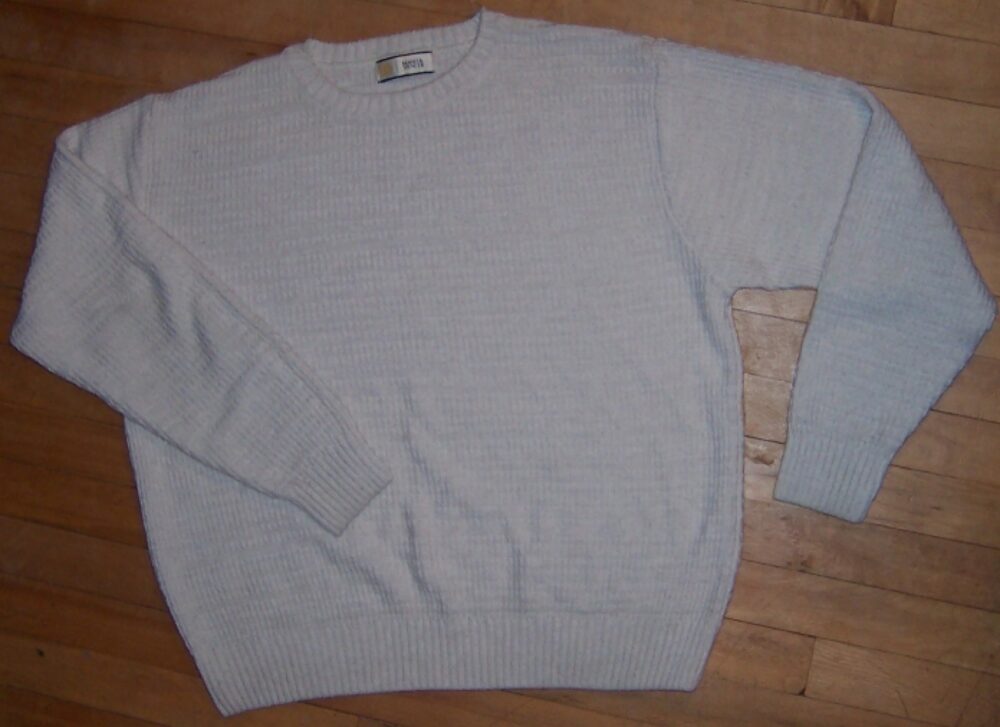
Most healthy, well-furred cats in UK homes don’t need sweaters at all. The key decision is whether your cat fits one of the edge cases that may genuinely benefit from clothing—such as hairless breeds, elderly or underweight cats, or post‑surgery pets in cool environments—then narrowing down fabric and fit. Once you’ve set that spec, you can compare UK retail brands with cross‑border marketplaces, including DHgate, by checking sizing charts, fiber content and reviews rather than chasing the lowest price.
When Does a Cat Actually Need a Jumper or Sweater?
Cat clothing is more about specific health and environment scenarios than fashion. Vet-backed guidance suggests most healthy, fully-furred cats regulate their temperature well indoors and can be stressed by restrictive clothing.
Guides such as AskAVet’s overview of whether cats need sweaters note that sweaters become more reasonable to consider when:
- Your cat is hairless or thin-coated. Breeds like Sphynx lack insulating fur and are often more comfortable with soft, warm layers in cooler rooms.
- Your cat is elderly, underweight, or chronically ill. These cats can struggle to maintain body heat, especially in winter or draughty housing.
- There’s a post‑surgery or recovery need. A soft, breathable jumper can sometimes help protect healing skin—always under your vet’s guidance.
- You keep the home cool. If you routinely run your heating low and your cat seeks heat constantly (curling on radiators, heating pipes or under blankets), a jumper may help.
On the other hand, you probably should not buy sweaters if your cat:
- Is young, active and fully furred, with no health issues
- Shows clear stress signs when anything touches their body (flattened ears, freezing, trying to back out of harnesses)
- Lives in a consistently warm, draft-free home
For borderline cases, it’s wise to ask your vet or a qualified nurse before ordering clothing, especially if you’re trying to solve a health concern rather than a style preference.
Key Types, Fabrics and Fits: Turning Your Cat’s Needs into a Product Spec
Once you’ve established that your cat could benefit from a jumper, translate that need into a clear spec. That makes every listing—whether on a UK pet site or a marketplace—much easier to judge.
Common styles and what they’re good for
- Simple pullover jumpers – Tube-style knits or fleece pullovers with leg openings. Good for everyday warmth and for hairless cats.
- Hooded sweaters – Add extra coverage but can annoy many cats; skip the hood for nervous or mobility-limited animals.
- Costume-style outfits – Seasonal novelty designs, often with extra seams and decorations. Best reserved for brief, supervised wear on tolerant cats.
For most cats with genuine warmth needs, a plain, soft pullover with minimal extras is the safest starting point.
Fabrics to prefer (and avoid)
Comfort and safety hinge on breathable fabric and smooth surfaces that don’t catch claws.
- Cotton or cotton blends – Soft, breathable, usually a good default for everyday wear.
- Fleece (polyester) – Warm and cozy; a common choice for hairless breeds. Look for smooth inner surfaces.
- Soft wool blends – Warm, but can be itchy for some cats; favor lightweight knits and watch for irritation.
Try to minimise:
- Rough acrylic-heavy knits – These can feel plasticky, trap heat, and snag claws more easily.
- Sequins, glitter, rigid appliqués – Attractive in photos, but they can scratch skin or be chewed off.
Hairless cats like Sphynx often do best in softer, warmer jumpers (fleece or lined cotton) and there are dedicated ranges built around their body shape and sensitivity.
Getting the fit right: a quick sizing checklist
Comfort and safety also depend heavily on fit. Every listing should give you enough information to answer these five fit questions:
- Neck opening: Is it snug but loose enough to slip two fingers under? Too tight risks breathing and swallowing issues.
- Chest and shoulders: Does the jumper allow full shoulder movement and stretching without pulling or twisting?
- Length: Does it stop before the tail base so the cat can sit, jump and use the litter tray without fabric dragging?
- Leg holes: Are they wide and low enough not to cut into the armpits or twist when the cat walks?
- Closures: If there are zips, buttons or Velcro, are they placed away from the spine and belly and fully covered on the inside?
A well-fitting jumper should look almost like a second skin: no gaping at the neck or chest, no fabric bunching near the elbows, and no stretched seams.
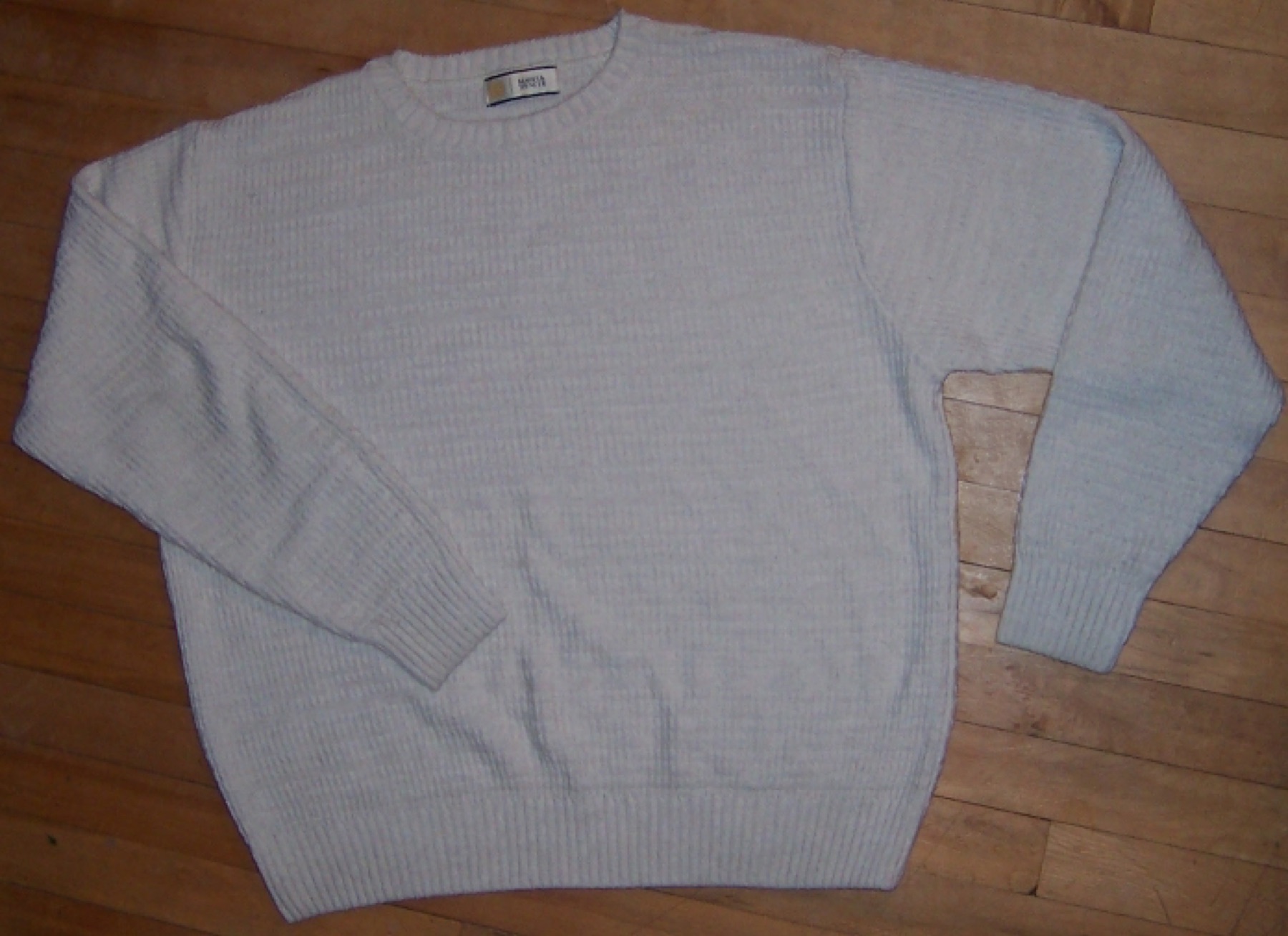
If you’re ordering from a marketplace, take your cat’s neck, chest, and back length measurements and compare them to the size chart rather than relying on “S/M/L” labels.
Safety design details that matter
Guidance from pet clothing reviews such as BestReviews’ cat sweater roundup echoes a few safety priorities:
- No dangling cords or long ties – These can wrap around the neck or limbs.
- Minimal raised knit patterns inside – Cable knits or lace-like stitches can catch claws when the cat scratches.
- Smooth interior seams – Feel inside the jumper for hard labels or scratchy seams if you can inspect in person.
For cats that only tolerate clothing briefly, consider shorter, lighter jumpers that can be slipped on and off quickly.
Compact fabric/fit comparison for common cat scenarios
| Cat scenario | Fabric focus | Style & fit priority |
|---|---|---|
| Hairless (e.g., Sphynx) | Fleece or lined cotton | Full torso coverage, very soft interior |
| Elderly, underweight | Lightweight cotton or soft wool blend | Easy pullover, no tight leg holes |
| Healthy, fully-furred, tolerant | Light cotton | Shorter jumper; avoid heavy, hot knits |
| Post‑op (vet-approved use) | Breathable, non-abrasive cotton | Coverage over specific area, zero decorations |
Use this sort of spec as your shopping filter rather than letting the listing photos dictate the choice.
Comparing Online Options: Retail Brands vs Cross‑Border Marketplaces (Including DHgate)
Once you know your fabric and fit requirements, your choice of channel—UK retail or cross‑border marketplaces—comes down to how much control you want over quality and sizing versus price and variety.
How local retail and niche brands behave
UK-focused pet retailers and niche brands often sell cat jumpers with:
- Clear sizing based on common cat breeds or weight bands
- More predictable fabric composition (e.g., “95% cotton, 5% elastane”) and care labels
- Product photography that reflects real fit on cats rather than generic graphics
These channels usually suit first-time buyers who want a single, reliable jumper and don’t want to decode complex size charts.
Specialist ranges aimed at hairless cats—like dedicated Sphynx jumpers—can be particularly helpful if your cat has an unusual body shape or very sensitive skin.
What cross‑border marketplaces offer
Large marketplaces such as Alibaba and DHgate host diverse pet clothing catalogs via third‑party sellers, including sweaters and jumpers that can ship to the UK. You’ll often see:
- A wide variety of designs, from simple fleece pullovers to elaborate costume sweaters
- Size charts expressed in centimetres, with multiple size options per design
- Listings that may emphasise low price or wholesale-friendly quantities
For small ecommerce sellers, these marketplaces can be appealing if you’re testing a micro-range of cat sweaters or jumpers for your shop. You can compare styles and listings side by side and order small batches, provided you’re ready to do extra checking.
However, cross‑border apparel listings tend to vary much more in:
- Sizing accuracy – Charts may not reflect real-world fit on UK cats; measurements matter more than labels.
- Fiber content – Descriptions can be vague (“soft material”), so expect a lot of acrylic unless clearly stated.
- Finish quality – Seams, decorations and interior texture can differ between batches and sellers.
Alibaba’s own guide on choosing cat sweaters, for example, highlights the importance of checking fiber content and sizing charts carefully when you buy through global marketplaces, because individual listings differ so much in material and cut. That sort of caution is useful to apply whether you’re looking at Alibaba, DHgate or another platform.
Practical comparison: retail vs marketplaces
| Buying channel | Typical strengths | Key fit/quality risks | When it usually makes sense |
|---|---|---|---|
| UK retail & niche pet brands | Clear sizing, consistent fabrics, real-cat photos | Higher per-piece price, fewer niche designs for resale | First jumper for a single cat; owners who want predictable fit |
| Cross‑border marketplaces (e.g., Alibaba, DHgate) | Wide design variety, options for small batches, centimetre-based charts | Variable sizing and fiber content, uneven seam/decor quality | Small ecommerce tests, buyers willing to measure carefully and vet listings |
Marketplaces like DHgate are best used when you already have a precise spec and are prepared to:
- Compare your cat’s measurements against each listing’s chart
- Focus on plain, low-risk designs (simple pullover, minimal decorations)
- Read buyer photos and reviews for real fit and fabric clues
If you’re sourcing for resale, treat each listing as a prototype: order a very small test batch, evaluate fit and safety on sample cats, then decide whether that seller’s sizing and finish are repeatable enough to build a product line.
For additional DHgate platform context, use What DHgate is and how the marketplace works, Find trusted sellers on DHgate, and Review the DHgate order-readiness checklist.
If you find yourself bending your cat’s needs to fit a cheap listing—accepting rough fabric or awkward leg holes just because the price is low—step back. In that scenario, a single well-made jumper from a UK-focused brand is often better value than multiple ill-fitting cross‑border sweaters that your cat refuses to wear.