
If you’re hunting for vintage or antique Klein pliers, DHgate should be treated as a long shot, not a primary source. DHgate is set up like a wholesale marketplace for new goods from global suppliers, so genuine older Klein pieces rarely surface there. You can still use it as a broad discovery tool for Klein‑style pliers, but you’ll need very specific searches, hard questions for sellers, and a clear point where you stop looking and move to platforms that specialize in vintage tools.
What Counts as Vintage or Antique Klein Pliers—and Why They’re Hard to Find on DHgate
Collectors usually call Klein pliers “vintage” once they’re several decades old and reflect earlier manufacturing eras: forged in the U.S., older logo styles, different handle shapes, and patina from real use. Antique examples tend to be early 20th‑century or earlier, often with more primitive jaws and finishes.
Klein has made lineman’s and side‑cutting pliers for generations. Many electricians keep old pairs in service, and collectors look for specific models, markings, and date codes. Klein itself publishes guidance on how to interpret the stamped code on pliers to estimate when they were made, which is a key tool for verifying age claims on any marketplace.
DHgate, by contrast, is designed around new products sourced from manufacturers and trading companies. Its own editorial material emphasizes using filters and categories to source items directly from suppliers, and describes a broad mix of modern tools and hardware. That setup works well for fresh production pliers or OEM tool lines, but it doesn’t naturally generate one‑off vintage Klein listings pulled from a U.S. electrician’s toolbox.
For a buyer or small reseller in the U.S., that means:
- Assume true vintage Klein pliers will be rare or absent on DHgate.
- Treat any “Klein” or “vintage” label there as a claim to verify, not a given.
- Use DHgate mainly to spot Klein‑style or generic lineman pliers, unless you see strong evidence that a listing is actual older Klein.
How to Search and Evaluate Klein-Style Pliers Listings on DHgate
If you still want to look on DHgate, you’ll need a tight workflow. Here’s a practical way to search and vet listings.
1. Start with targeted keywords and categories
Use DHgate’s search bar with combinations like:
- `Klein pliers`
- `lineman pliers USA style`
- `side cutting pliers high leverage`
Then narrow using DHgate’s generic filter tools (categories, attributes) to stay in hand tools and pliers. You’re looking for any listing that either:
- Mentions Klein by name; or
- Clearly mimics Klein designs (9″ lineman’s, side‑cutting jaws, high‑leverage hinge, insulated handles).
Be skeptical of one or two keyword hits. Many suppliers use brand names or “vintage” more as style descriptors than as accurate product info.
2. Read the listing like a detective, not a shopper
Open promising listings and focus on the elements DHgate’s own blog recommends: detailed product specs, photos, and seller ratings.
Work through the listing with these Klein‑specific questions:
- Brand markings in photos: Do you actually see the Klein logo forged or stamped into the head or handles, or is the tool blank/other‑branded?
- Model number: Is there a real Klein part number (for example, a D‑series code) in the description or visible in the photos, or just generic “9 inch pliers” language?
- Country of origin: Does the tool show “USA” markings that match known Klein patterns, or is it clearly a newly made offshore plier?
- Condition and patina: Vintage Klein usually shows wear, small rust spots, polished edges, and dings. A perfectly uniform black‑oxide tool with neon handles is more likely modern.
If the photos are low‑resolution or don’t show close‑ups of the markings, treat that as a red flag for a collector purchase.
3. Check seller history and what they normally sell
DHgate shows seller ratings, reviews, and transaction counts. Use those to answer a specific question: Is this seller a tool specialist or a general exporter?
Patterns that suggest you’re not dealing with vintage stock:
- The seller’s catalog is mostly new electrical tools, hardware, or OEM products.
- Reviews talk about bulk orders, consistent new quality, and modern packaging.
That doesn’t make them dishonest; it just means they’re unlikely to be offloading a single 1950s Klein lineman’s plier. For collectors or small U.S. resellers, a general exporter listing “vintage Klein” without proof is usually a pass.
You can deepen the check with Find trusted sellers on DHgate, which covers broader trust signals you can combine with the tool‑specific points here.
4. Message the seller for hard evidence of age
If a listing still looks interesting, contact the seller through DHgate’s messaging and ask for specifics:
- Clear photos of both handles and the head, including any stamped codes.
- Confirmation of any brand markings: exactly what is stamped (logo, model, country).
- Whether the tool is new production, refurbished, or used older stock.
Then cross‑check any date‑code photo against Klein’s official guidance at How old are my Klein pliers?. Klein’s article explains how to interpret their codes; you don’t need the seller to do it for you.
If the seller can’t or won’t provide clear, close photos of markings, or gives vague answers like “vintage style only,” assume you’re looking at a modern Klein‑style or generic plier and treat the listing as a working tool, not a collectible.
5. Use a simple scenario checklist before buying
Before you commit on DHgate, match the listing to your actual use case:
| Buyer type | DHgate fit for Klein pliers | What you should insist on |
|---|---|---|
| Working electrician (US) | Decent for inexpensive Klein‑style working tools | Clear specs, insulation rating, jaw style |
| Collector (single items) | Weak fit; vintage claims often unproven | Date‑code photo, Klein markings, used condition |
| Small reseller (vintage) | Poor fit for true vintage inventory | Age proof, brand authenticity, origin disclosure |
| Reseller (new tools) | Strong fit for bulk modern Klein‑style or generic pliers | Consistent quality photos, seller transaction history |
If you’re in the collector or vintage‑reseller columns and can’t get firm proof, that’s your cue to stop spending time on DHgate and switch channels.
To keep risk low on any DHgate purchase, especially cross‑border tool orders, walk through the DHgate order‑readiness checklist before paying.
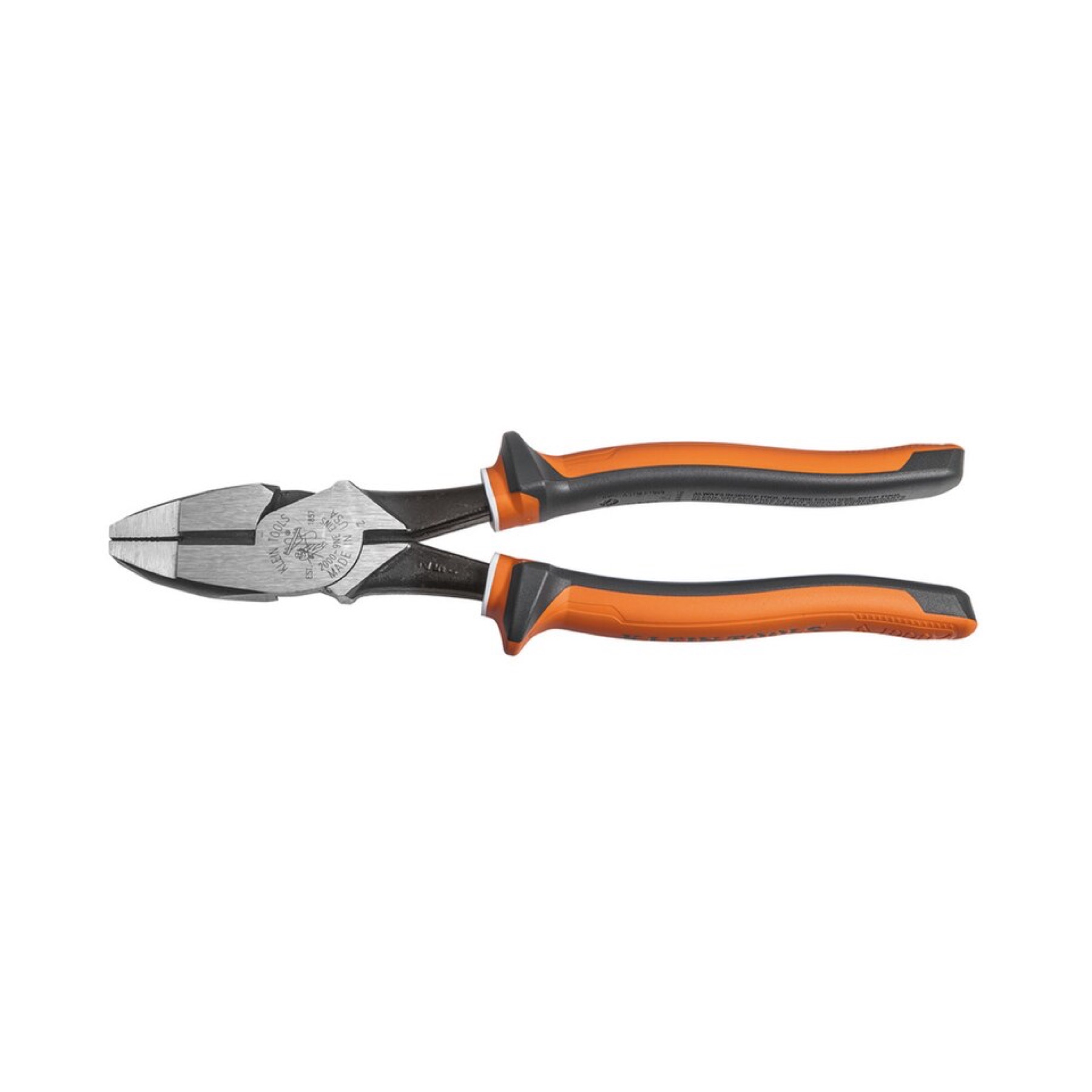
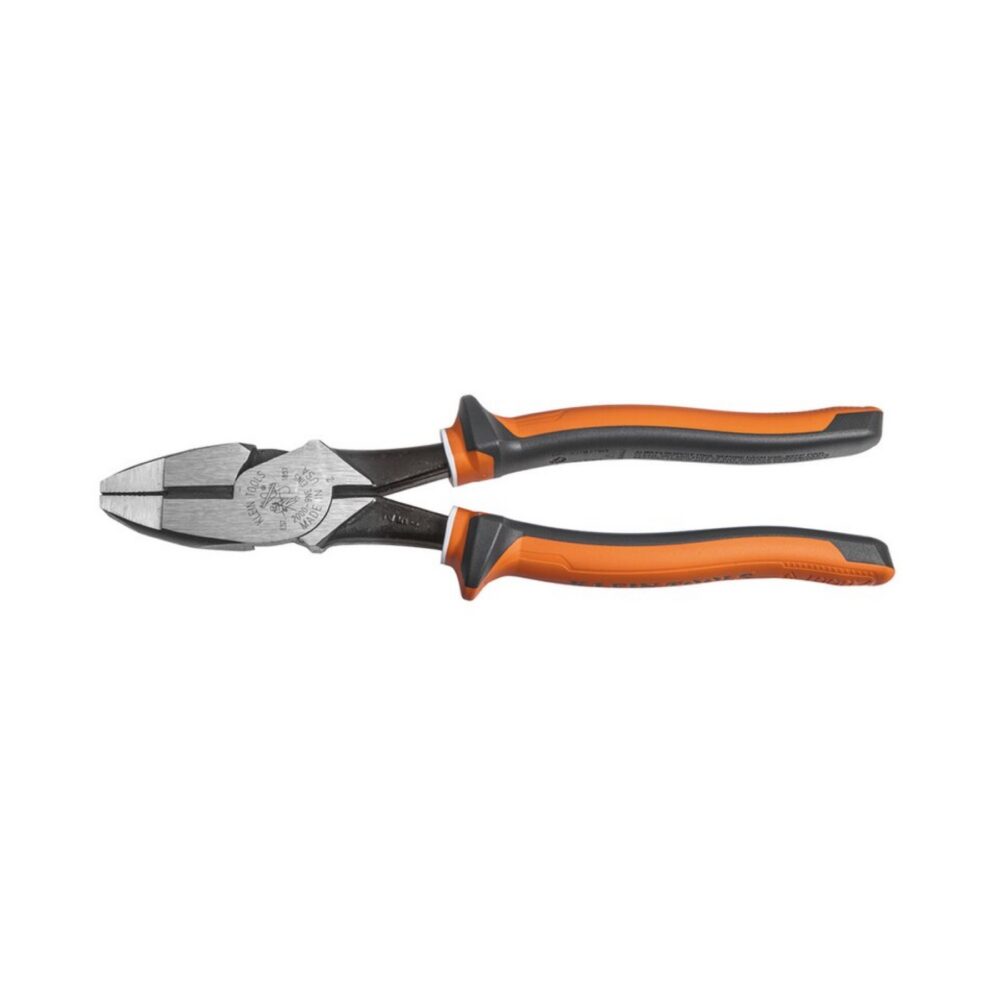
This image shows a modern insulated side‑cutting Klein plier. Vintage examples often have different handle styles and finishes, which you can use as a visual reference when judging photos.
When to Leave DHgate and Use Specialist Vintage Tool Marketplaces Instead
Specialist channels tend to handle vintage Klein pliers differently:
- General marketplaces like eBay typically have multiple vintage Klein listings at any given time, often with close‑up photos, condition notes, and model numbers. You still need to vet sellers, but at least the inventory is skewed toward older, one‑off tools.
- Niche vintage‑tool shops and platforms (for example, sites similar to those described in Antique Pliers Identification & Value Guide) focus specifically on older wrenches and pliers. Their descriptions usually call out age, brand, and any restoration work.
Sourcing from these channels is different from ordering new tools cross‑border:
- You’re usually buying individual items with unique wear, not bulk new stock.
- Condition grading, originality (no ground‑down tips or replaced handles), and documented age matter more than unit price.
A practical rule of thumb:
- Use DHgate for modern Klein‑style or generic lineman’s pliers, especially if your priority is working tools at wholesale‑style pricing.
- Use specialist marketplaces when you actually need vintage or antique Klein with verifiable age and markings.
If your main goal is to compare DHgate with other platforms for Klein pliers more broadly—not just vintage—you can pair this article with What DHgate is and how the marketplace works to decide where DHgate fits in your overall sourcing strategy.