
You can find arcade cabinets and accessories on DHgate by treating it like a parts catalog: search for very specific components (joystick kits, control panels, power supplies), use the filters to narrow by type and minimum order, then read listing specs and seller ratings before you buy. For hobby projects, that usually means a few small kits or an empty cabinet shell; for a small resale business, it means testing samples and only scaling up once a seller proves they can match your required dimensions and quality.
DHgate is a global marketplace with a searchable interface, product categories, and filters, so it can surface everything from generic fight-stick parts to DIY cabinet frames. But because listings and seller quality vary, you should build a shortlist, verify technical details, and be ready to walk away if the information looks thin.
What Counts as an Arcade Cabinet and Accessory When You’re Buying Online
Arcade gear on marketplaces breaks down into two broad buckets: full cabinets and parts.
A full arcade cabinet online usually means one of these:
- A complete, game-ready cabinet (housing, controls, display, internal board or PC).
- An empty cabinet shell or “DIY kit” that includes the wood or metal housing and sometimes a pre-cut control panel.
For cross-border buying, the realistic options on DHgate are often the shells and DIY kits. Fully populated cabinets are bulky to ship, and the boards inside may not match US power standards or be clearly documented.
Accessories and parts are where DHgate is more likely to be useful:
- Control components: joystick kits, buttons, encoder boards, pre-wired harnesses.
- Control panels: metal or acrylic panels pre-cut for a certain layout (2-player, 6-button per player, etc.).
- Internal electronics: generic power supplies, wiring harnesses, sometimes multi-game boards.
- Cosmetic pieces: marquee acrylics, side art decals, T-molding.
For a US buyer, parts and cosmetic accessories are usually safer to source cross-border than heavy cabinets or sensitive PCBs. A button kit that fails is annoying; a mis-specified power supply or board can be unsafe or incompatible.
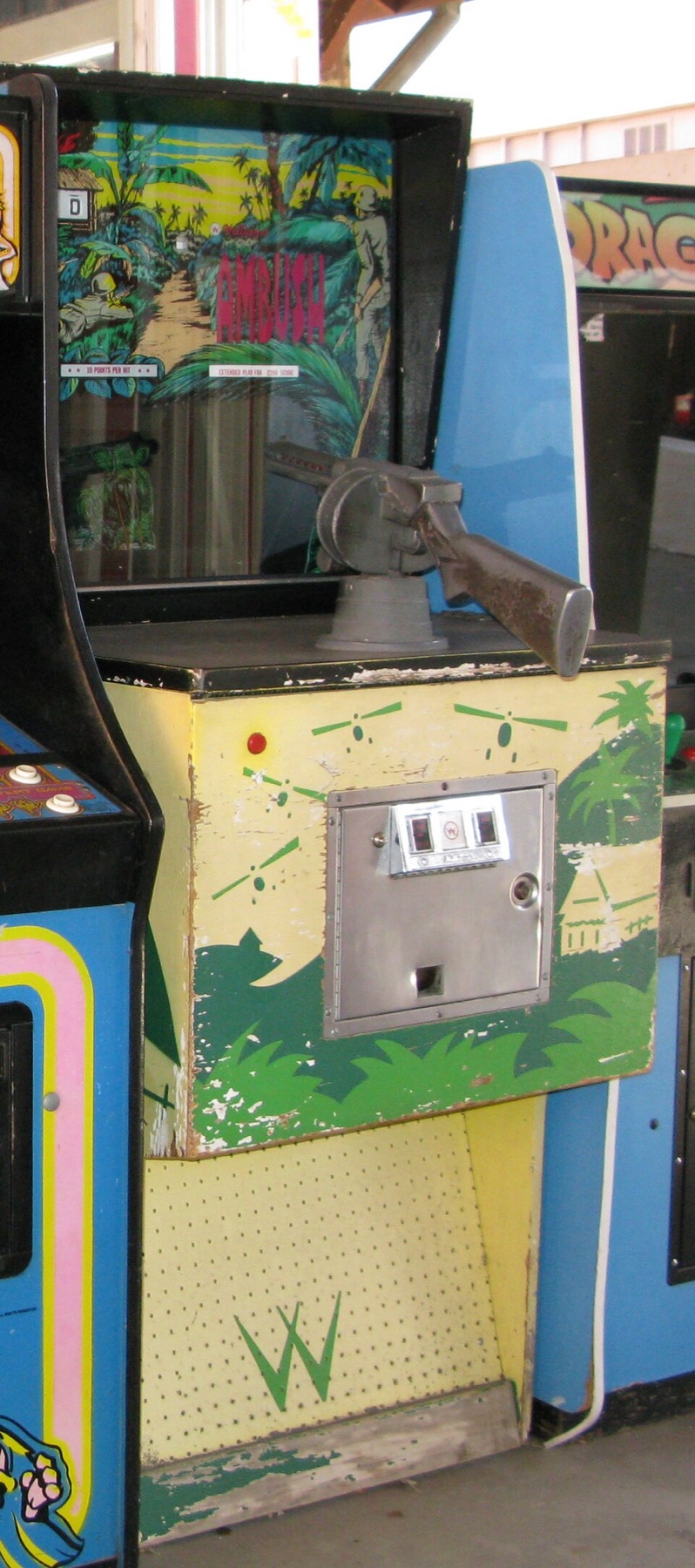
If you’re repairing an existing cabinet, start by listing what you actually need in component terms: “standard 30mm buttons,” “Sanwa-style joystick,” “12V switching power supply,” “JAMMA harness,” or “control panel 24″ wide”. Those are the phrases you’ll be translating into DHgate searches.
How to Search and Filter Arcade Cabinet Parts on DHgate
Here’s a practical workflow you can use on DHgate to get from vague search to a usable shortlist.
1. Start with targeted search terms
Use the search bar on DHgate’s homepage and type in component-level phrases, not just “arcade cabinet”:
- “arcade joystick kit”
- “arcade buttons 30mm”
- “arcade control panel 2 player”
- “arcade cabinet shell” or “DIY arcade cabinet”
- “JAMMA harness” or “arcade power supply 12V”
Generic terms like “arcade game” will pull in consoles and toys. The more specific your phrase, the less time you spend sorting out irrelevant listings.
2. Use filters to narrow results
DHgate’s interface lets you apply filters so you’re not scrolling forever. After you search:
- Filter by category if available (often under electronics or game accessories) to keep out unrelated toys or decor.
- Filter by minimum order if you want just one or a small batch. Some arcade parts are listed mainly for wholesale.
- If you’re a reseller, look for filters or options that indicate bulk quantities or OEM/ODM capabilities in the listing text.
The goal is to end up with 10-20 listings that genuinely match your component type.
3. Read listing details like a spec sheet
Typical DHgate listings include a combination of specifications, images, prices, and seller ratings. For arcade gear, treat those details as your first QC step:
- Dimensions: Does the control panel width and button spacing match your cabinet? Is the joystick shaft length stated?
- Standards and connectors: Look for mentions of JAMMA, USB encoders, or specific button sizes (24mm vs 30mm).
- Power information: For supplies, check input voltage range and output specs. If these aren’t stated clearly, that’s a red flag.
- Photos: Compare listing photos to your existing parts. Are the button plungers and bezels the same style? Does the panel cutout pattern match your layout?
If specs are missing or vague, assume you’ll need to message the seller or skip that listing.
4. Compare prices and options, not just the first match
Because multiple sellers often offer similar parts, scroll through your filtered results and:
- Note the price ranges for comparable joystick kits or button sets.
- See which sellers show real photos of stock and close-up shots of connectors or panel holes.
- Check whether listings mention small customization options (different colors, cable lengths, or layouts) that might matter to you.
You’re not just chasing the lowest headline price; you’re looking for the best combination of clear specs, reasonable cost, and a seller who looks established.
5. Use reviews and ratings as a tie-breaker
DHgate’s own editorial guidance encourages buyers to check seller ratings and product reviews because they carry actual buyer experiences. For arcade listings:
- Read product reviews specifically mentioning build quality (“buttons feel solid”, “stick is loose”, “panel is thin metal”).
- Look at overall seller ratings and transaction counts in the profile to see if they’ve been active and consistent.
If you have two similar joystick kits and one seller has many positive reviews on game accessories while the other has almost no history, the first is usually the safer bet.
6. Shortlist and save candidates
Once you’ve done a first pass, keep a shortlist of 3-6 listings for each part type (buttons, joystick, power, cabinet shell). This gives you options if one seller runs out of stock or doesn’t respond well.
Evaluating Sellers, Samples, and When to Choose Another Source
After you have a shortlist, your job shifts from “Can I find this part?” to “Is this seller a smart bet, or should I buy somewhere else?” That decision looks different for hobbyists and small resellers.
Read the seller profile like a résumé
DHgate provides a profile for each seller with ratings, feedback, and transaction history. Use it actively:
- Favor sellers with high star ratings and lots of feedback on similar categories (electronics, game accessories).
- Scan reviews for consistent patterns: do buyers complain about misdescribed items or praise accurate specs?
- Check how long they’ve been active and how often they’ve sold the specific item you’re considering.
As DHgate’s own blog FAQ suggests, you want more than a single five-star review. A long-selling seller with an above-average rating and ample feedback is less likely to surprise you.
For more detail on reading these signals, you can dig into Find trusted sellers on DHgate.
Use samples for anything you plan to resell
For a small ecommerce business, taking DHgate’s general sourcing advice seriously matters: start with samples.
- Order one or a small set of each critical part (joystick, button kit, control panel) from your top seller before committing to a bulk order.
- Once it arrives, test it in a real build: does the joystick center accurately, do buttons feel responsive, does the panel fit your cabinet without drilling new holes?
- If the sample doesn’t match the listing specs or feels flimsy, treat it as a warning and switch to another seller or sourcing channel.
You’re not just validating the product; you’re quietly testing the seller’s accuracy and consistency.
Compare hobbyist vs reseller needs
Different goals change how much risk you can tolerate:
| Scenario | DHgate use-case | Risk tolerance |
|---|---|---|
| Single home build | One-off joystick/button kits, art, trim | Moderate: a failed kit is annoying |
| Repairing a vintage cab | Specific-size buttons, T-molding, decals | Low: must match existing hardware |
| Small resale business | Repeatable parts in bulk, DIY shells | Very low: quality and consistency key |
| Commercial arcade | Heavy-duty, certified components | Very low: often better via specialists |
If you’re repairing a classic cabinet or equipping a public arcade, DHgate’s often-generic listings may not give you the assurance you need on durability or compliance. Specialty arcade suppliers or local electronics distributors can be safer for mission-critical parts.
Red flags that suggest choosing another source
While browsing DHgate arcade listings, treat these as hard caution signs:
- No clear dimensions for panels, buttons, or cabinet shells.
- No mention of voltage or power specs on supplies or boards.
- Stock photos only, with no close-ups of connectors or construction.
- Contradictory description vs images (e.g., 2-player layout in text but 1-player photo).
- Reviews mentioning mislabelled items or parts that don’t fit standard sizes.
If two or more of these show up in a listing you’re considering, look elsewhere. For a quick check across your cart before you buy, the DHgate order-readiness checklist is a useful general cross-border sanity check.
When DHgate is not the right tool
DHgate makes sense for:
- Generic joystick/button kits and encoder boards for DIY builds.
- Decorative and cosmetic parts like marquee acrylics and side art.
- Empty shells or control panels when you’re comfortable validating measurements.
It’s much less ideal for:
- Highly specific replacement boards for classic machines.
- Power and safety-critical components where certifications and clear documentation are essential.
In those cases, specialty arcade parts stores, brand-authorized distributors, or local shops with known stock are usually the better call.
If you’re still getting used to DHgate as a marketplace overall, it can help to skim What DHgate is and how the marketplace works before you commit to sourcing anything as heavy and technical as an arcade cabinet.