
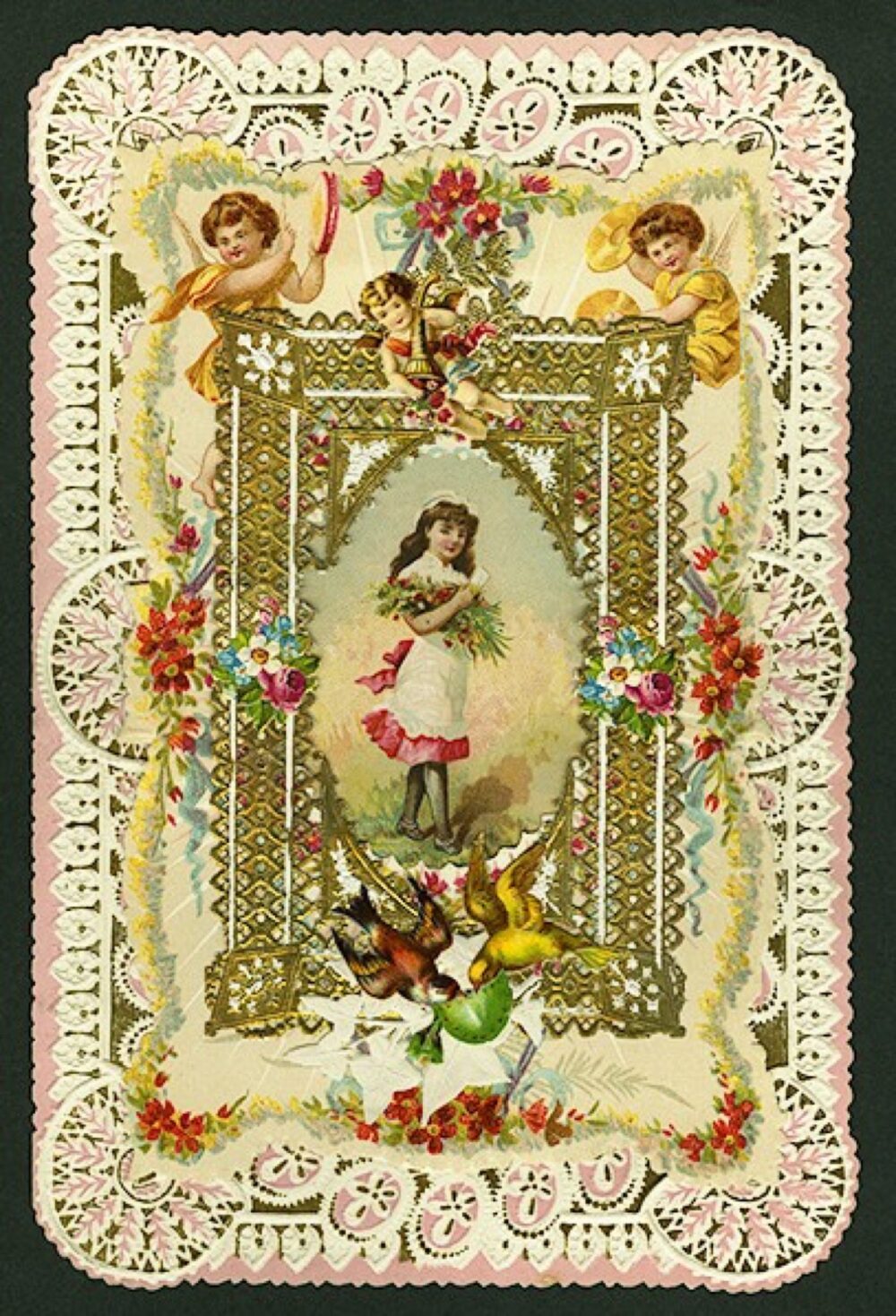
You find Valentine’s Day pop‑up cards on DHgate by starting with targeted search terms, then narrowing results by card style, materials, photos, seller ratings, and order terms before you commit to a larger quantity. For US buyers and small ecommerce shops, a practical path is to build a shortlist from the search bar, message two or three promising sellers, and place a small test order before deciding whether DHgate is the right Valentine source or if DIY tutorials or other card marketplaces will serve you better.
DHgate is a marketplace where many independent sellers offer greeting cards, seasonal decor, and party supplies. Its own editorial content highlights greeting cards as a category and stresses that high‑quality visuals and unique designs help products stand out, which is exactly what you should be hunting for with Valentine’s pop‑up cards. But those visuals are just a starting point; you still need to do your own vetting.
What Counts as a Valentine’s Pop‑Up Card and Why DHgate Is on the Radar
A Valentine’s pop‑up card is a folded greeting card that reveals a 3D element—often hearts, flowers, or romantic scenes—when opened. The pop‑up mechanism can be simple (one heart that rises from the center) or intricate (layered paper sculpture, bouquet, or cityscape). Buyers chase these because they feel more special than flat cards and can double as a keepsake or display piece.
For US buyers and small sellers, DHgate becomes relevant in two main scenarios:
- Bulk or semi‑bulk sourcing for resale or events. If you run a small online shop or need dozens of cards for a corporate Valentine campaign, a wholesale‑style marketplace can be appealing. DHgate’s seasonal decor guidance presents it as a B2B platform where you search with specific holiday keywords, then filter by price and supplier credibility, and review ratings and past feedback to judge suppliers (DHgate seasonal decor guide).
- Finding unusual designs at lower per‑unit cost. DHgate’s greeting‑card editorial encourages sellers to use unique designs and strong visuals to stand out (DHgate greeting card design guide). That variety can help you find designs that differ from big‑box store cards, provided you sift through listings carefully.
If you only need one or two sentimental cards for close partners or family—and care more about handmade touches than price—DIY tutorials on platforms like YouTube or handmade marketplaces may fit better than DHgate’s often bulk‑oriented offers.
Step‑by‑Step: Searching and Filtering Valentine’s Pop‑Up Cards on DHgate
This is a practical workflow you can follow directly on DHgate’s site.
1. Start with targeted search terms
From the DHgate homepage, use the main search bar (DHgate). Try very specific phrases first:
- “Valentine’s Day pop up card”
- “3D Valentine card”
- “heart pop up greeting card”
If results feel thin or too broad, back off to general phrases like “Valentine’s Day cards” or “greeting cards” and then narrow using filters and on‑page details.
2. Skim categories and obvious mismatches
Search results may mix pure pop‑up cards with flat cards, gift tags, or unrelated decor. Quickly discard listings that:
- Only show flat designs with no visible fold or 3D structure
- Focus on packaging (boxes, bags) rather than cards
This first pass is about trimming obvious non‑card items so you can spend time where it matters.
3. Use filters and visual scanning like a buyer, not a browser
DHgate’s general shopping guide notes that each product listing typically includes product specifications, images, prices, and seller ratings (DHgate shopping guide). Before you click into a listing, use what you can see from the results grid:
- Thumbnail photos: Is the card clearly shown open and closed? Do you see a real pop‑up structure or just a printed heart? Listings that show multiple angles usually signal more care.
- Price band: Since exact numbers vary, compare relative price within your search results. Extremely low prices can signal very simple designs or thinner paper; unusually high ones should justify themselves with more complex engineering or premium materials.
- Star rating and review count: Favor listings with both a rating and at least some reviews. A rating alone with no feedback is harder to judge.
Open 5-10 listings that look visually promising and sit in a realistic price band for your budget.
4. Read listing details with Valentine‑specific questions
Once inside a product page, treat it like a spec sheet.
Focus on:
- Materials: Look for mentions of cardstock weight, type of paper, and any glitter or foil. For pop‑ups, heavier cardstock usually survives repeated opening better than thin paper.
- Size: Compare listed dimensions to the use case (mailing vs. gift box). Oversized cards may cost more to ship for your own customers.
- Design structure: Does the description actually say “pop‑up” or “3D” and show how the mechanism works? If photos show cut lines and layered pieces, that’s a true pop‑up; a print with slight embossing is not.
- Included items: Many Valentine cards come with envelopes, stickers, or matching gift tags. Check if these are included or optional.
The shopping guide advises paying close attention to product specifications and images; for pop‑up cards that means zooming in on folds and joints to judge whether the card will stand up properly when opened (DHgate shopping guide).
5. Use reviews and seller ratings as tie‑breakers
User reviews are one of the strongest signals you have:
- Scan for comments mentioning paper thickness, color accuracy, and how well the card pops up.
- Watch for repeated negatives, like cards arriving creased, pop‑up sections not standing correctly, or designs looking cheaper than the photos.
Seller ratings matter too. DHgate’s editorial content stresses that ratings and past feedback help indicate reliability (boutique sourcing FAQ). For Valentine sourcing, prefer sellers who:
- Have a history selling greeting cards or seasonal decor, not just random mixed goods
- Show consistent ratings across multiple products, not just one hit listing
If you’re new to DHgate overall, pair this with a broader trust check using find trusted sellers on DHgate.
6. Shortlist and message sellers before you commit
Once you have 3-5 strong candidates, narrow further by contacting sellers.
From DHgate’s boutique‑sourcing guidance, three actions translate well to Valentine cards (boutique sourcing FAQ):
- Message sellers to ask for extra photos (especially of the card fully opened and folded back flat) and clarification on materials.
- Ask whether samples are possible before bulk orders. Samples are not guaranteed or free, but even a small paid quantity functions as your test run.
- Clarify customization options if you need logo printing, custom text, or different colorways.
This step helps you judge responsiveness, which matters for time‑sensitive holidays like Valentine’s Day.
Judging Sellers, Order Terms, and When DHgate Isn’t the Right Valentine Source
Finding cards is only half the job; you also need to decide whether DHgate—and a specific seller—fits how you plan to use them.
Reading seller signals with greeting cards in mind
DHgate’s greeting‑card editorial encourages sellers to build a consistent brand image with high‑quality visuals and unique designs (DHgate greeting card design guide). As a buyer, flip that around:
- Sellers with a coherent style across multiple card listings are more likely to deliver what their photos promise.
- Randomly assorted designs and low‑effort images can signal generic stock, which might be fine for budget bulk but weak for a boutique Valentine assortment.
If you’re sourcing for resale, match the seller’s design language to your audience. Cute cartoon hearts may work for kids; minimalist line art and foil might better suit a high‑end gift shop.
Order size, timing, and testing strategy
DHgate’s seasonal decor guidance suggests treating it as a cost‑conscious channel for buyers who care about volume and variety (DHgate seasonal decor guide). For Valentine’s cards, the holiday’s tight window affects how you order:
- Personal use or very small events: A single small order from one seller may be enough. Here, DHgate can feel like overkill compared with grabbing a card locally or following a DIY tutorial.
- Small ecommerce or boutique: Follow a two‑step process—order a test batch from one or two sellers, then place a larger order only after inspecting physical samples.
Before any checkout, use the DHgate order‑readiness checklist to make sure you’ve captured key details like quantities and options from the listing itself. Don’t assume anything beyond what the seller has clearly listed or confirmed in messages.
Table: Matching Valentine Needs to DHgate Workflow
| Buyer scenario | How well DHgate typically fits | DHgate workflow focus |
|---|---|---|
| Personal card for one partner | Low | Browse designs for inspiration; consider DIY |
| Classroom or office Valentine exchange | Medium | Search simple multipacks; test one seller |
| Online boutique or Etsy‑style shop | High | Shortlist unique designs; request samples; vet sellers |
| Event planner needing themed decor sets | High | Combine pop‑up cards with other seasonal decor listings |
If your scenario sits in the low‑fit column, you may spend more effort than the benefit you get from DHgate. If you’re in the high‑fit column, the structured search and vetting process above can make DHgate a genuinely useful Valentine sourcing channel.
Where alternatives beat DHgate for Valentine’s pop‑up cards
DHgate is strongest when you need volume plus price efficiency and are willing to do the legwork on seller vetting. It’s less ideal in some Valentine scenarios:
- One‑off, highly personal cards. If you want something that feels handmade and intimate, DIY pop‑up tutorials on platforms like YouTube or handmade card idea collections like Valentines pop out cards inspiration often provide more emotional impact.
- Strict brand or IP requirements. DHgate’s research base here doesn’t provide verified licensing details. If you need officially licensed characters or corporate‑brand compliance, work with known US greeting‑card publishers or commercial printers that can document rights.
If you find that your needs fall into these buckets, treat your DHgate research as design inspiration rather than a sourcing plan, and pivot to DIY, local, or other online card marketplaces.
For buyers who do decide DHgate is a fit beyond Valentine’s cards, it can help to understand what DHgate is and how the marketplace works so you’re not learning basic platform mechanics while racing the holiday.