
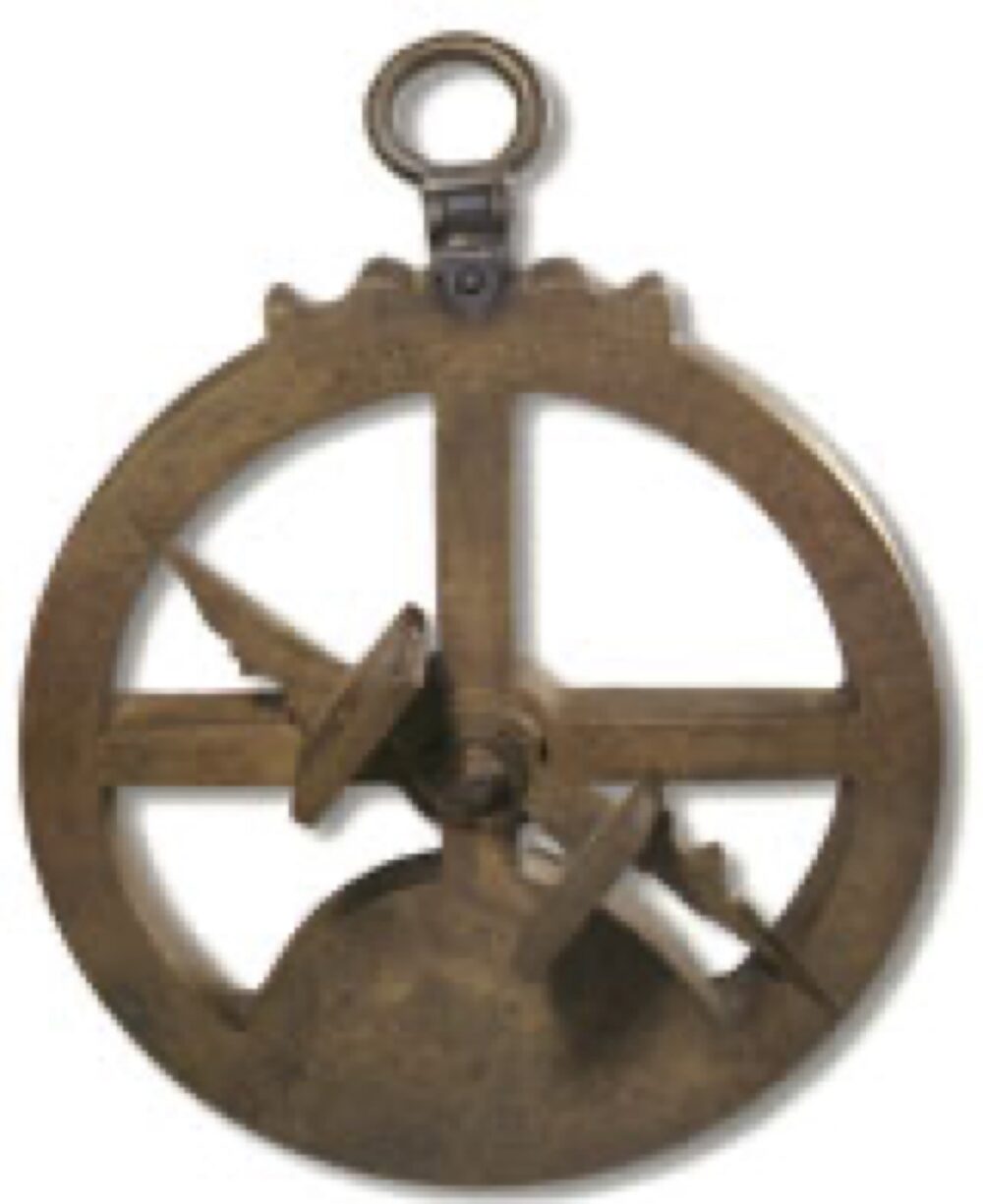
If you’re choosing a mariner’s astrolabe and companion compass, start by deciding whether you want a historically accurate, working instrument or a decorative or classroom replica. A functional astrolabe is a heavy metal ring with precisely engraved degree scales and a stable sighting arm (alidade), designed to measure the altitude of the sun or stars to estimate latitude at sea. Replicas and decor often copy the look but use softer materials, coarse engraving, or simplified markings that make them better for display than measurement. Broad marketplaces like DHgate can be useful for affordable replicas or themed decor, but you’ll need to read listings carefully to separate true instruments from generic nautical props.
Once you know your use-case—personal study, museum-style display, teaching, or hobby navigation—you can match it to specific features, materials, and size. The sections below walk through what these instruments actually are, how to decode product photos and specs, and how to judge whether a listing on a marketplace (including DHgate) really fits what you need.
What a Mariner’s Astrolabe and Compass Actually Are
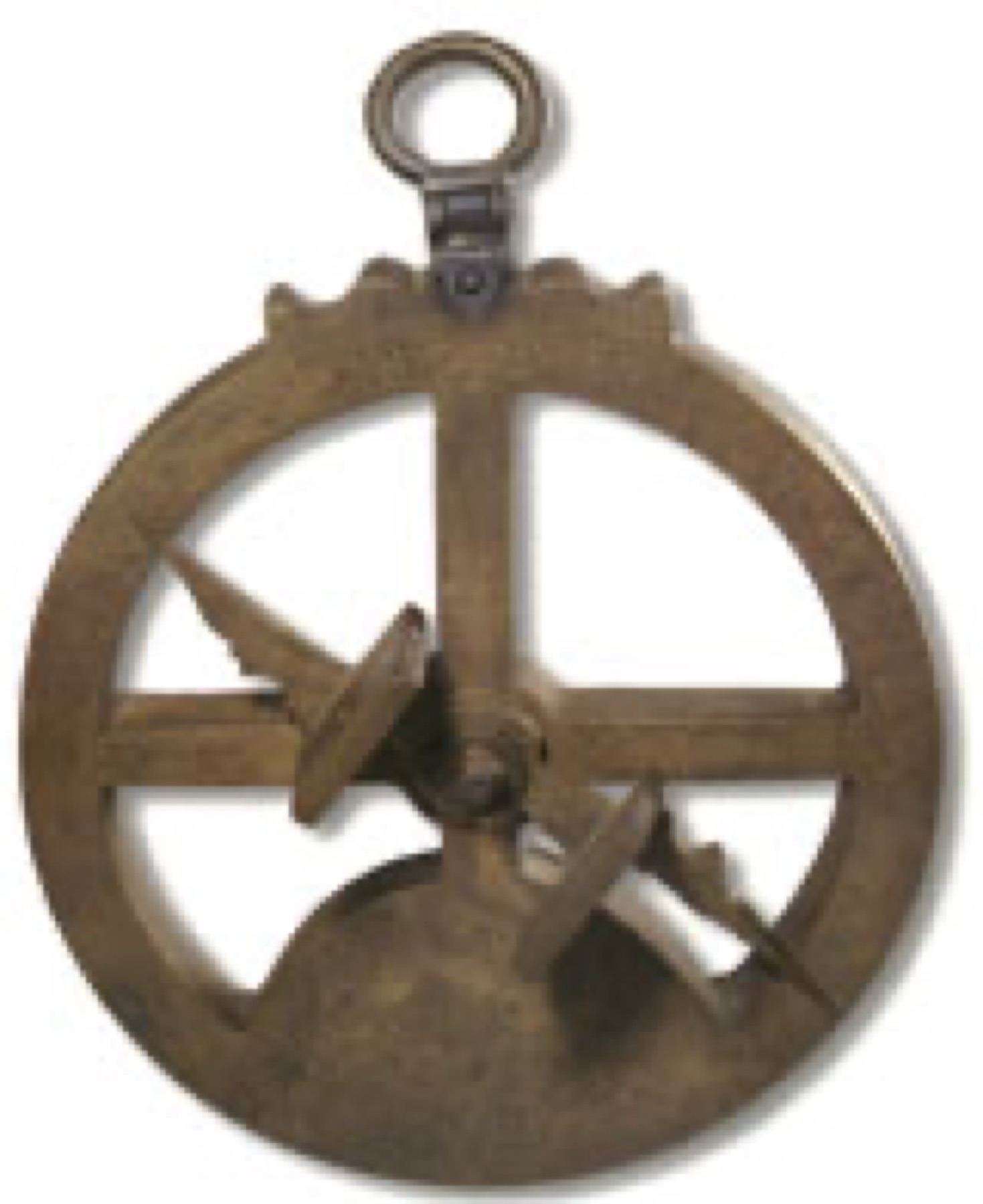
A mariner’s astrolabe is a specialized form of astrolabe built for life on a rolling ship. As described by the Mariners’ Museum, it’s essentially a heavy metal ring (often brass or bronze) with a graduated scale around the edge and an alidade—an arm with sights—mounted across the center. Sailors used it to measure the altitude of the sun at noon or key stars at night, then referenced tables to estimate their latitude.
Two design traits matter for buyers:
- Weight and robustness. Historical mariner’s astrolabes were intentionally heavy and often had open frames. That mass helped them hang vertically and resist wind and ship motion, and the cutouts reduced wind resistance.
- Graduated scale and alidade. The degree markings on the rim and the straight, stable alidade are what make the instrument useful. If the markings are uneven or the arm is loose, you can’t trust the angles you read.
A simple maritime compass is much more familiar: a magnetic needle or card aligned with Earth’s magnetic field to show direction (north, south, east, west). For modern buyers considering an astrolabe-and-compass pairing, the compass is usually either:
- A traditional marine-style compass for orientation, or
- A decorative compass included in a themed set or box to match the astrolabe.
You’re not buying these to replace modern GPS or certified safety gear. Instead, buyers today typically fall into three groups:
- Collectors and history enthusiasts who want an object close to museum pieces seen at places like the Smithsonian or Mariners’ Museum.
- Teachers and educational programs that use replicas, kits, and charts for hands-on demonstrations of celestial navigation.
- Hobby navigators and sky-watchers who enjoy manual angle measurements alongside modern tools.
Understanding which group you’re in is the first filter: it will decide whether you need precise scales and strong construction or simply a good-looking piece that tells a story.
Functional Instruments vs Replicas: How to Read Specs
From the outside, many astrolabes look similar. The real difference is in materials, size, and the precision of the scales and moving parts. Modern buyers have three broad types to choose from.
1. Precision brass reproductions
Specialist astronomical and navigation retailers offer modern reproductions in solid brass or similar metals. For example, AstrolabeShop sells detailed mariner’s astrolabe models with carefully engraved scales and robust construction, while Astroshop’s historical instruments highlight museum-inspired designs.
Key signals that you’re looking at a functional-grade instrument:
- Material: Brass or bronze, often with a patinated or polished finish. The listing will emphasize weight and durability.
- Engraving quality: Degree scales look crisp and evenly spaced in close-up photos. Numbers are clear, not blurred or stamped crudely.
- Alidade design: The arm appears straight and substantial, with sighting holes or pinnules and a secure pivot. Product descriptions may mention stability or repeatable readings.
Celestial-navigation resources like CelestialNavigation.net note that any practical instrument depends on precise scales and a stable alidade. If either is sloppy or wobbly, you’re limited to rough demonstrations rather than usable measurements.
These instruments are typically aimed at serious enthusiasts, educators, or collectors who want something close in feel and performance to historical gear, while still recognizing it’s not certified for modern commercial navigation.
2. Educational and DIY kits
Educational publishers and small makers offer wooden or lightweight metal kits. Some, like the mariner’s astrolabe kits seen on European educational sites, are designed to be assembled by students and used to illustrate how angles relate to latitude.
What to expect from kit-style products:
- Materials: Plywood, laser-cut board, or thin metal. Lighter weight makes them easier for classroom use but less stable in wind.
- Printed scales: Degree markings are printed or laser-etched rather than deeply engraved. This is fine for learning but less robust long term.
- Assembly: Listings mention gluing, screwing, or snapping parts together; sometimes instructions or lesson plans are included.
If your priority is teaching or resale into schools, these kits can be ideal. Just don’t expect museum-level finish or repeatable 0.5° readings in outdoor conditions.
3. Decorative replicas and themed decor
Nautical decor suppliers and general marketplaces sell mariner’s astrolabe lookalikes, often alongside ship wheels, sextants, and compasses. These range from solid, attractive display pieces to very loose interpretations that mainly function as wall art.
Traits of a display-focused replica:
- Design emphasis: Product photos showcase the overall aesthetic more than close-ups of the scale. The engraving may be stylized or purely ornamental.
- Mixed metals or plating: Silver-plated or mixed alloys are common, like the CC0-licensed “Silver-plated Mariner’s Astrolabe” images on Wikimedia Commons; visually striking but not always engineered as instruments.
- Simplified or inaccurate scales: Markings might skip graduations or be misaligned. This is acceptable for decor but a red flag for measurement.
If you simply want an eye-catching piece in a study or to photograph for a store catalog, these replicas can deliver good visual value. For hands-on celestial navigation practice, they’re usually not enough.
Quick comparison: how the three types differ
| Buyer need | Best-suited astrolabe type | Typical material | Scale and alidade quality |
|---|---|---|---|
| Hands-on angle practice | Precision brass reproduction | Brass/bronze | Carefully engraved, stable alidade |
| Classroom demonstrations | Educational or DIY kit | Wood/thin metal | Printed or light etching; adequate |
| Wall display / themed gift | Decorative replica or decor piece | Mixed metals/plating | Coarse or stylized; mostly visual |
| Museum-style collecting feel | High-end reproduction from specialist shop | Brass/bronze | High-detail, historically inspired |
Use this table against product photos: if a listing claims “functional navigation tool” but the scales look like a decor stamp, treat it as a display item.
Buying Considerations Across Marketplaces, Including DHgate
You can find mariner’s astrolabe and compass sets through specialist navigation shops, educational suppliers, antiques channels, and broad online marketplaces. Each has its role.
Specialist navigation and astronomy shops focus on historical instruments, charts, and related gear. Their mariner’s astrolabes and companion charts—like the Celestaire star chart referenced at Kart.no—are curated for people who care about correctness and build quality. Listings usually include technical detail (dimensions, weight, engraving method, usage notes) and sometimes background on the historical model being reproduced.
Broad marketplaces aggregate a mix of products: accurate reproductions, simple classroom kits, low-cost decor, and occasionally items that only loosely reference historical instruments. DHgate, for instance, is described in its own editorial blog as an “ocean of merchandise” with numerous independent sellers offering a complex mix of genuine and knock-off items. That means it can surface affordable nautical-themed pieces and replicas, but it also shifts more responsibility onto you to discern what’s authentic enough for your purpose.
Here’s how to judge listings across any marketplace, including DHgate:
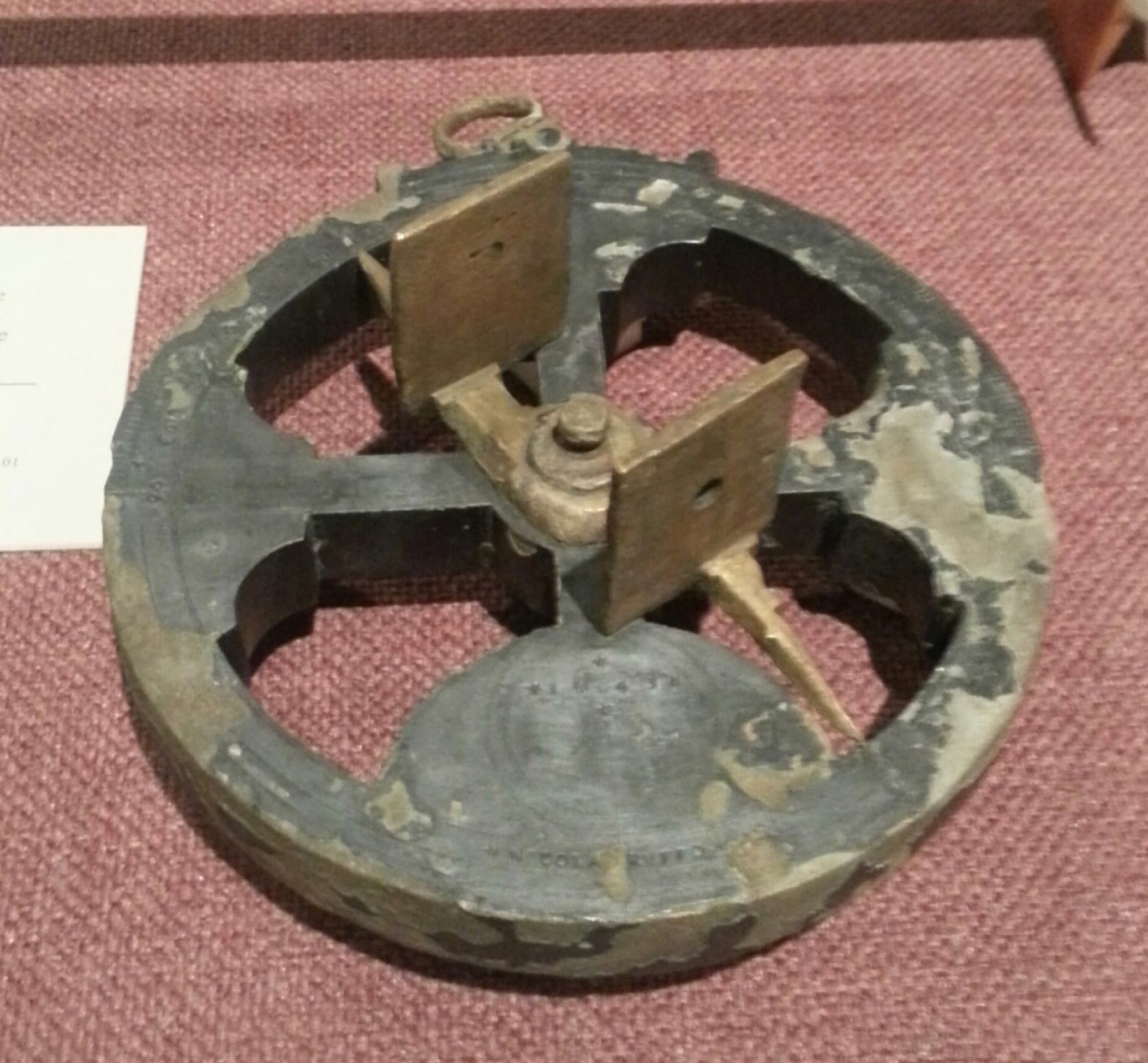
- Demand close-up photos of the scales and alidade. For an astrolabe, zoom in on the degree markings and pivot. Coarse or misaligned engraving and a visibly loose arm indicate a decorative piece.
- Check the material and weight in the description. Historically inspired instruments are heavy brass or bronze; if a listing only mentions “metal” or feels toy-light in reviews, treat it as decor or a basic teaching tool.
- Look for usage framing. Phrases like “historical instrument reproduction” or “for celestial navigation practice” on specialist sites contrast with marketplace wording such as “vintage-style nautical decor” or “gift piece.” Take those signals seriously.
- Read reviews for clues about finish and function. On large marketplaces, reviewers often comment on whether an item feels solid, whether moving parts work, or if it arrived as expected. Use those specifics, not just the star rating.
For US buyers and small ecommerce businesses, a practical way to decide channel is:
- If you need high credibility and consistency (museum-ish display, serious teaching, resale to enthusiasts), start with specialist navigation or astronomy retailers and museum-affiliated catalogs that clearly document their instrument models.
- If you’re sourcing decor, photo props, or low-stakes gifts, general marketplaces like DHgate can be reasonable, as long as you accept varied quality and spend extra time comparing listings.
If you do explore DHgate specifically, treat it as one option among many. Get familiar with how the marketplace works via broader explainers such as What DHgate is and how the marketplace works and consider reading guidance on finding trusted sellers on DHgate before you commit to any higher-value historical instrument purchase.
For additional DHgate platform context, use Review the DHgate order-readiness checklist.
The right mariner’s astrolabe and compass set is ultimately about fit: honest about whether it’s a tool, a teaching aid, or decor, and matched to how demanding your audience or customers will be.