
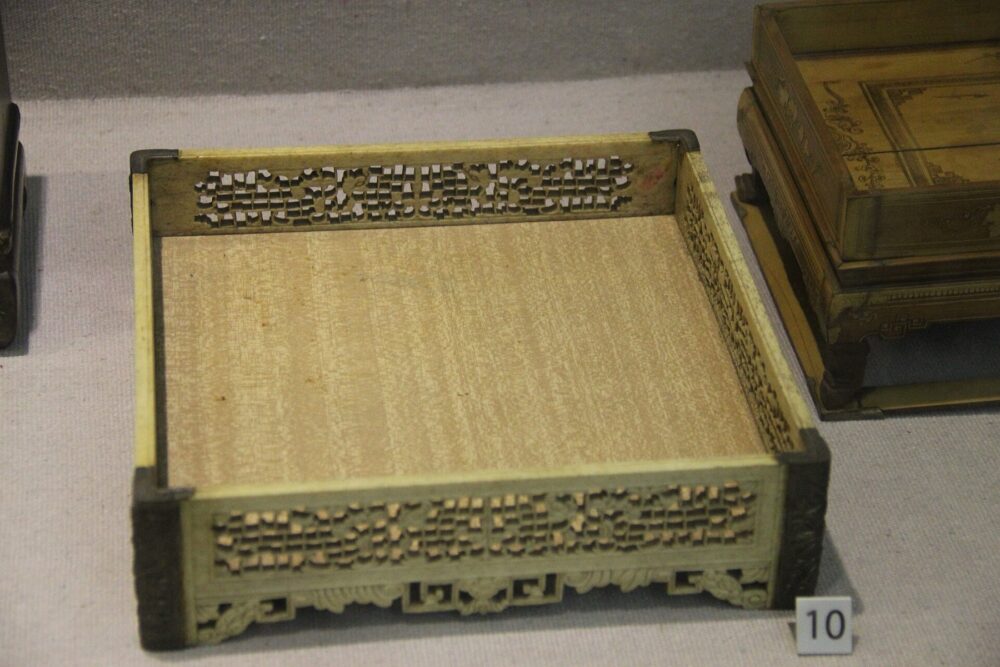
You can find burl wood trays on DHgate by searching with precise wood terms, scanning photos for the right grain and edge profile, then shortlisting sellers with solid ratings and ordering samples before any large buy. For a US buyer or small boutique, DHgate works best when you’re sourcing decorative trays in modest bulk or looking for OEM-style pieces; it’s weaker for one-off signed artisan trays, where platforms like Etsy or local woodworkers tend to have clearer provenance.
To decide whether DHgate is the right route, you need to understand what counts as a burl wood tray, which product details matter most, and how to work through DHgate’s search, filters, and seller pages without taking the listing at face value.
What Burl Wood Trays Are and Why Buyers Look for Them
A burl wood tray is usually a serving or catchall tray made from a board that includes burl—irregular tree growth that produces swirling, clustered grain. The appeal is visual: you get dramatic patterns and a sense of one-of-a-kind character, even in factory-made pieces.
US buyers use these trays as:
- Coffee table or ottoman trays
- Bar trays for decanters and glassware
- Vanity or entryway catchall trays
- Boutique display props for jewelry, candles, or small gift sets
For small ecommerce brands and boutiques, cross-border sourcing matters because natural wood trays with interesting grain can be expensive domestically. Marketplaces like DHgate connect you directly with suppliers who make home decor for export, often willing to tweak dimensions, edge profiles, and finishes if you’re ordering multiple pieces.
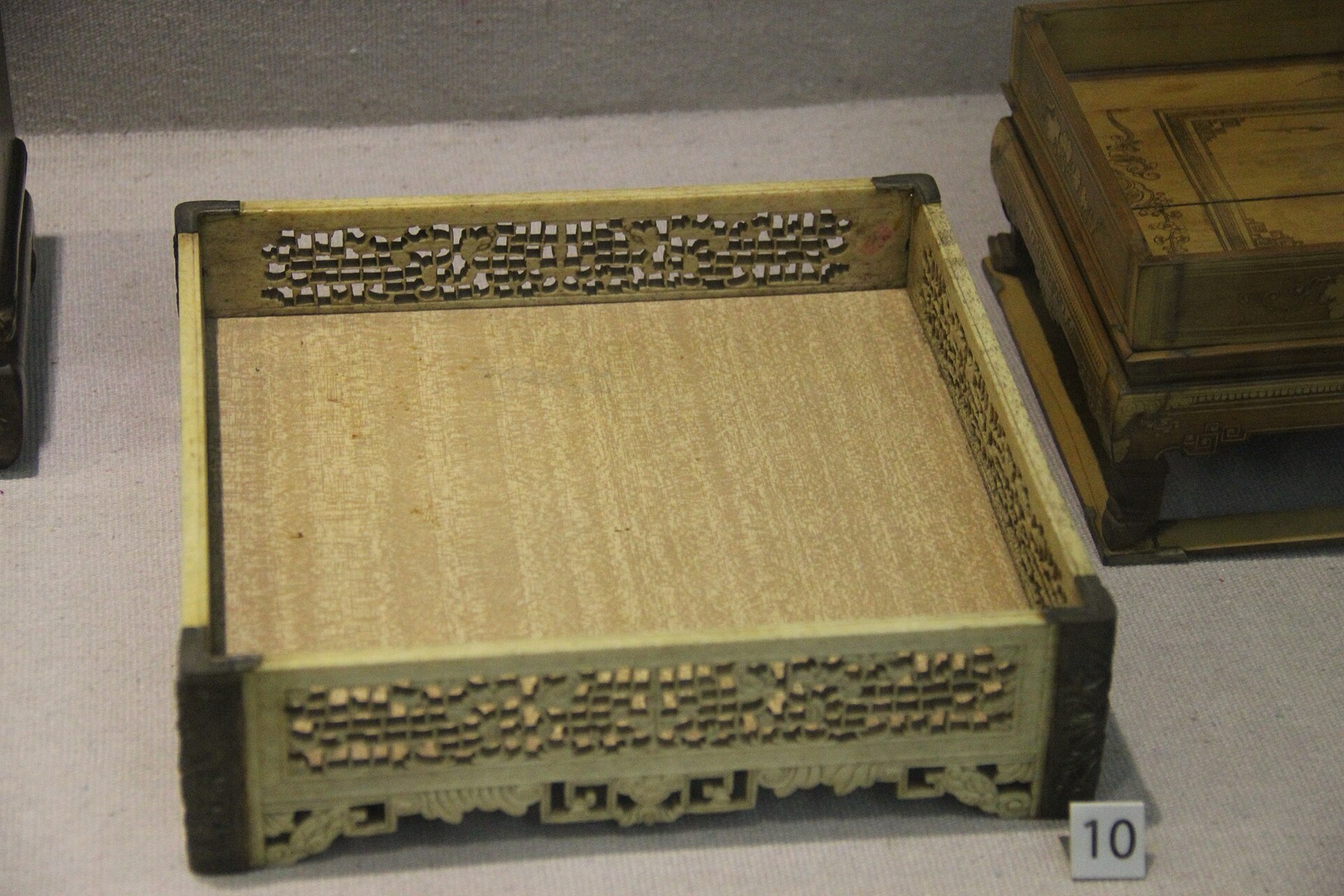
Key Buying Checks for Burl Wood Trays (Grain, Finish, and Risk)
With natural-wood trays, the photos rarely tell the full story. Colour, grain, and even flatness can shift from batch to batch, so you want to treat burl trays like a material-driven purchase, not just decor.
1. Material type and grain
Most burl-look trays online use species like maple, walnut, poplar, camphor, or mixed woods. On DHgate, listings might say “burl wood,” “wood grain,” or name a specific species, but you can’t assume those labels are precise.
Practical checks:
- Read the material line carefully: solid wood vs. veneer over MDF
- Zoom in on close-up images to see if the “burl” is a printed pattern or genuine grain
- Ask the seller which species they actually use and whether the tray is one-piece or laminated
If your brand story depends on a specific species (“walnut burl”), you’ll need samples to confirm that the appearance matches what you plan to market.
2. Finish and use case
Finish affects both look and durability. For decorative-only use, a standard clear lacquer or oil is fine. For light serving use (drinks, snacks on plates), you want a finish that can be wiped without clouding or flaking.
Before you buy:
- Look for finish descriptors: “matte,” “glossy,” “oiled,” “lacquered”
- Check photos under different angles; uneven shine can hint at inconsistent coating
- Ask how the tray should be cleaned and whether the finish is water-resistant
If you intend to use the tray near food (for example, cheese boards), treat it closer to a cutting-board-level decision and ask explicitly about food-safe finishes, then validate via samples.
3. Dimensions, weight, and build
Burl trays can look substantial in photos but arrive smaller or lighter than expected. For retail or merchandising, exact size matters.
Key details to nail down:
- Length, width, and height in inches or centimeters (check the listing and confirm in messages)
- Edge style: flat, raised lip, carved handles
- Base: flat enough to sit on upholstered furniture without wobbling
For ecommerce, measure your staging props or packaging, choose a few target sizes, and avoid listings that only say “medium” or “large” without numbers.
4. Batch variation and mislabeling risk
Natural wood means no two trays will match exactly. That’s part of the charm, but it’s also a risk if your product photos rely on a specific look.
Risks you should plan for:
- Grain variation: a sample with strong burl may lead to a batch with more straight grain
- Colour shifts: lighter vs. darker boards from the same species
- Wood species swapped or blended without clear labeling
Best practice is to order samples in the exact wood/finish combination you plan to sell, then base your listing photos and customer expectations on those samples. For wholesale quantities, repeat sample checks if you change suppliers or specs.
Here’s a simple checklist you can adapt for DHgate listings:
| Checkpoint | What to ask or verify | Why it matters for burl trays |
|---|---|---|
| Material & species | Solid vs. veneer, claimed species | Ensures grain is real, not printed |
| Finish description | Type of coating, cleaning instructions | Determines shine, feel, and durability |
| Exact dimensions | Length, width, height in units you use | Avoids scale surprises in retail photos |
| Grain expectations | Range of variation within a batch | Sets customer expectations for uniqueness |
| Sample availability | Single-piece or small-lot sample order | Lets you see real colour and texture |
For broader wood-tray buying guidance, including how grain and finish interact, you can cross-check ideas against sources like the wood-tray buyer notes surfaced in this Google-indexed article.
Step-by-Step: Finding and Vetting Burl Wood Tray Listings on DHgate
On DHgate, burl trays won’t sit in a single dedicated category. You’ll be working through search, filters, and seller pages to uncover relevant options, then using samples to confirm quality.
1. Start with targeted search terms
Go to DHgate’s homepage and use the search bar.
Good starting queries:
- “burl wood tray”
- “wood serving tray burl”
- “walnut wood tray” or “maple wood tray” if you’re flexible on burl
- “wood grain decorative tray” for broader options
Because not every supplier will use “burl” in their English listing, mix grain-related terms with broader home decor keywords. Expect to refine from a generic wood-tray result set.
2. Use filters to narrow results
For burl trays, focus on:
- Category: Select home decor / kitchen & dining / serving trays where relevant
- Price bands: Exclude ultra-low prices that often signal printed patterns or plastic
- Minimum order: If you’re testing, look for listings that allow small quantities or sample orders
This aligns with DHgate’s own advice for boutique sourcing: use search and filters to reduce the product list to relevant candidates rather than scrolling endless pages of unrelated items, as highlighted in their editorial guide on boutique sourcing (source).
3. Read listings like a materials spec sheet
Click into promising products and treat each listing as a spec document, not just a product page.
Work through:
- Title and bullet points: look for wood type, finish, and dimensions
- Image set: zoom in on close-up shots of corners and edges; check that grain continues over the edge rather than abruptly changing (which suggests veneer)
- Variants: if the listing offers multiple sizes or finishes, track which one matches your planned product
If the listing is vague about wood species or finish, assume you’ll need to confirm those details directly with the seller before relying on them for branding.
4. Vet the seller, not just the product
For wholesale or boutique use, you’re effectively choosing a supplier. DHgate’s own wholesale guidance recommends prioritizing sellers with strong ratings, positive reviews, and meaningful transaction history (source).
Concrete signals to compare:
- Seller rating score and number of reviews
- Volume of transactions on similar home decor items
- Review content mentioning material quality, finish, or colour accuracy
For deeper checks, DHgateWiki has a separate guide on how to find trusted sellers on DHgate, which you can apply directly to burl tray suppliers.
5. Use reviews as a grain and finish sanity check
Customer reviews and ratings on DHgate offer real-world feedback on how closely the product matches its listing. The platform’s own shopping tips emphasize reading reviews to understand product quality and seller reliability (source).
For burl trays, look specifically for:
- Comments about colour being lighter/darker than photos
- Mentions of “real wood” vs. “looks fake” or “printed”
- Notes on finish quality: smooth vs. rough, strong smell, sticky surface
Treat reviews as helpful signals, not guarantees. If feedback is mixed or thin, weigh that against your willingness to test via samples.
6. Order samples before committing to bulk
DHgate’s wholesale-focused editorial content repeatedly recommends ordering small sample quantities before larger investments. This is especially critical for natural materials, where grain and finish can’t be fully understood from images alone (source).
For burl wood trays, a sample-first routine might look like:
- Request 1-3 pieces in each size/finish combination you’re considering
- Inspect grain, colour, and weight against your brand’s expectations
- Test how the finish reacts to gentle cleaning and light use
If the samples match your requirements, you can move toward a larger order. Before checkout, you may want to run through an order-specific checklist, like the one in DHgateWiki’s DHgate order-readiness checklist, to confirm specs and quantities.
7. Know when DHgate isn’t the right channel
DHgate is positioned—by its own editorial—as useful for boutique and wholesale sourcing thanks to variety and direct-from-supplier access. That aligns well with sourcing decorative burl-look trays in volumes where you can afford to test suppliers and refine specs.
It’s less suitable when:
- You need a signed, one-of-a-kind artisan burl tray with documented provenance
- You rely on a named species and region (“English walnut burl,” “Claro walnut”), which general export listings rarely specify accurately
- Your brand hangs on sustainability certifications or domestic hardwood sourcing
In those scenarios, artisan platforms like Etsy, local craft fairs, or direct relationships with US woodworkers and lumberyards usually provide clearer material transparency and story. DHgate fits best when you’re comfortable treating burl trays as design-driven decor sourced from manufacturing-oriented suppliers and you’re willing to manage quality via samples and ongoing seller vetting.
For additional DHgate platform context, use What DHgate is and how the marketplace works.
If you approach DHgate with that mindset—seeing wood and finish details as hypotheses to verify rather than promises—you can build a reliable burl tray line without depending on perfect listing accuracy.