
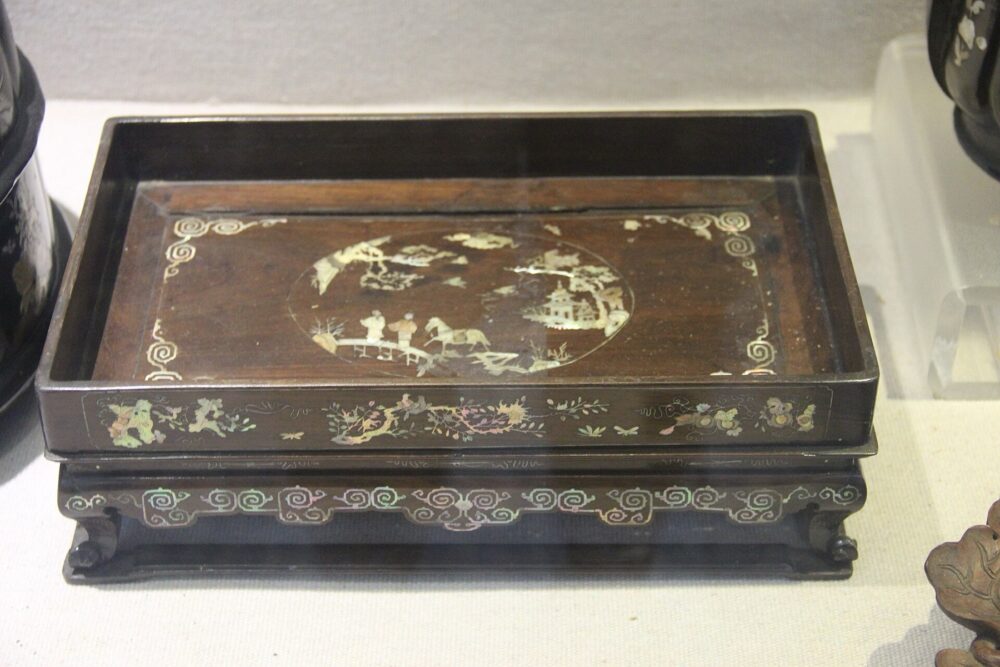
You’ll choose burl wood trays more confidently if you start with how you’ll use them, then match material (solid vs veneer), size, shape, handles, and finish to that purpose. For one-off, highly curated statement pieces, US decor brands and design retailers tend to describe those specs clearly; for bulk or budget-friendly trays with a “burl look,” large marketplaces—including DHgate—offer more volume but often looser documentation, so you’ll be reading between the lines.
What Burl Wood Trays Are and Who They’re For
Burl wood comes from abnormal growths on trees that twist the grain into tight swirls, eyes, and ripples. Guides to burl wood furniture like Glamorwood’s overview point out that this irregular figure is exactly what makes burl so sought-after in decor.
A burl wood tray is any serving or decorative tray where that kind of figured grain—or a convincing imitation—is the main visual feature. Buyers reach for these trays when they want:
- A statement piece on a coffee table or ottoman (stacked books, a candle, a small vase).
- A glamorous bar tray for glassware and bottles.
- An upscale catchall for entries or nightstands.
Editorial decor coverage, such as Livingetc’s burl wood decor feature, treats burl trays as “luxury accent” territory: they’re often the thing that adds visual drama to an otherwise simple room.
If you’re a small ecommerce seller, that same drama is the selling point. Burl trays photograph well, and the grain gives each piece a slightly unique look, which you can present as limited or boutique—even if the underlying construction is mass-produced veneer.
Key Tray Options: Solid vs Veneer, Shapes, Handles, and Finish
Before you compare platforms or prices, decide which construction and design details matter for you.
Solid vs veneer burl
Most affordable burl trays aren’t carved from a thick block of burl. They use a thin layer of burl veneer over a stable core like MDF or another wood. For example, the burl tray collection at Global Table explicitly describes a burl veneer surface.
Here’s how solid vs veneer typically compares for trays:
| Tray type | What it usually means | Visual impact | Durability & stability (tray use) |
|---|---|---|---|
| Solid burl wood | Tray body made largely from burl block or slab | Deep, three-dimensional grain, unique | Can be beautiful but sensitive to movement, cracking, and warping if not well-made |
| Burl veneer | Thin burl layer over MDF/wood substrate | Strong burl look, more consistent | Generally more stable and warp-resistant; common for everyday decor trays |
| Burl-look print | Printed burl pattern on veneer or plastic surface | Imitation of burl, often repeats | Stable and cheap, but looks flatter and less natural |
For most home users and resellers, a good veneer tray gives the best mix of price, stability, and appearance. Solid burl trays are more of a niche art-object buy.
Size and shape
Retail tray listings from decor brands like Crate & Barrel’s burl trays and Alice Lane’s burled ash tray highlight exact dimensions. You should think in terms of:
- Coffee table display: roughly 12″–20″ long, rectangular, with a lip to contain objects.
- Bed or breakfast service: wider footprint (often 18″+), sturdy base, easy-to-grip handles.
- Entry catchall or vanity: smaller, sometimes square or oval, where grain is the main focus.
Shapes vary: long rectangles feel modern and work well on sofas and benches, while rounded corners or oval forms skew softer and more traditional.
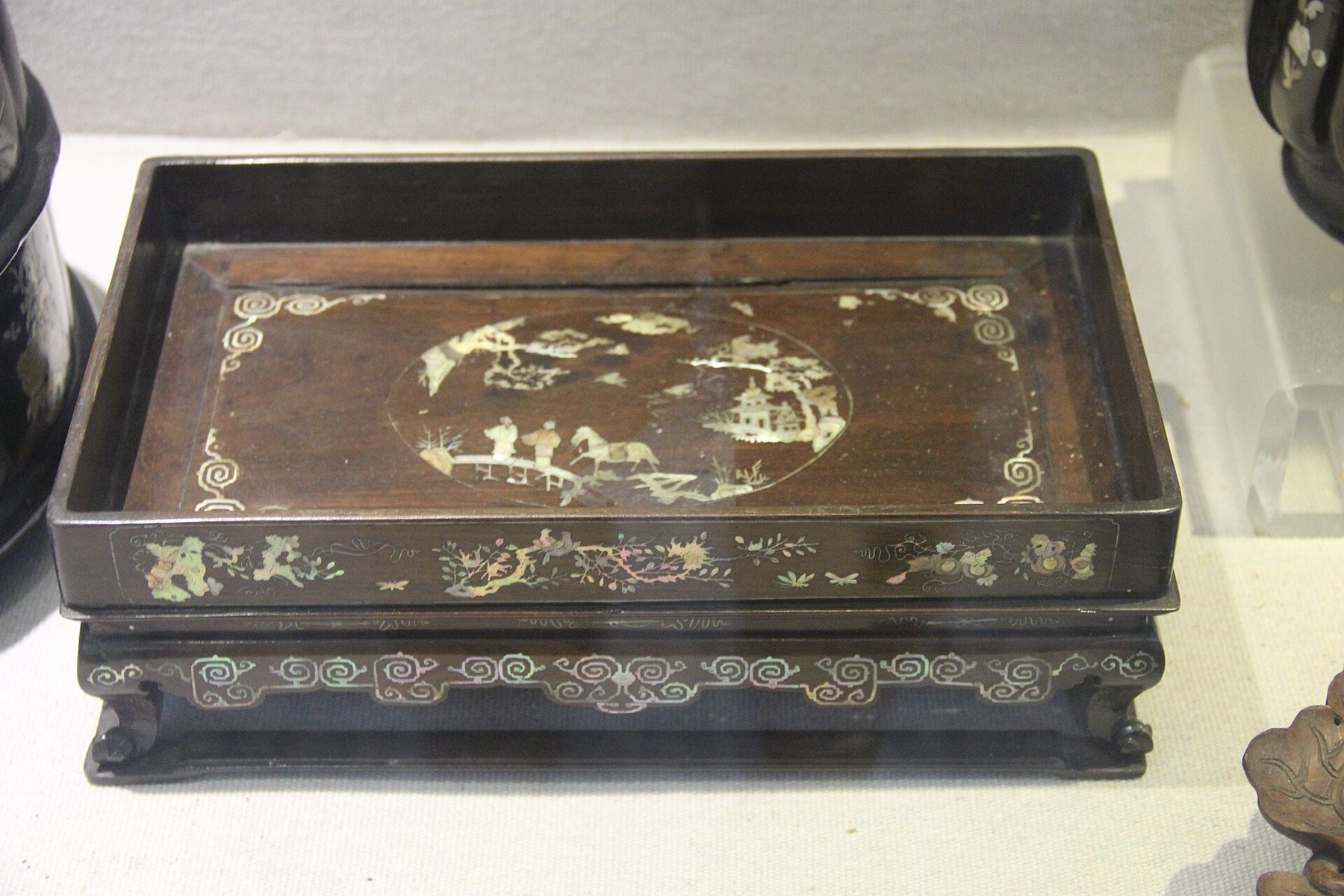
Handles and edge design
Handle style changes how practical the tray is:
- Cutout handles in the side walls keep the silhouette clean but require enough wall height to grip.
- Metal bar handles (often in brass or black) give a more formal, furniture-like feel, as seen on some burl trays sold through multi-brand decor shops.
- No handles is common for purely decorative trays meant to stay put.
For serving, you generally want either tall lips and cutouts or attached handles so you can move a loaded tray without worrying about slipping.
Finish
US brands usually specify finish type: glossy lacquer, satin, or matte. A high-gloss burl tray reads very glamorous and reflects light; matte or satin feels more organic and hides fingerprints better.
Buying guides like Walmart’s burl wood tray overview implicitly push you to think about finish in relation to use: high-shine for showpiece decor vs softer finishes for everyday handling.
Buying Criteria and Platform Tradeoffs (Including DHgate)
Once you know the tray you want, the real question is where to buy it—and that’s where DHgate and other marketplaces come into the picture.
1. Match grain quality to your expectations
If the burl pattern is the whole point, look closely at product photos:
- Design-forward US retailers often show multiple angles and close-ups so you can see how wild, tight, or subtle the grain is.
- General marketplaces can be more hit-or-miss: some sellers show real veneer; others use repeated printed patterns that look “burl-like” but lack depth.
2. Size, shape, and use case: home vs resale
For home use:
- If you want one tray that fits a specific surface, measure that surface and compare against listed dimensions. The Crate & Barrel and Alice Lane examples show how clearly those brands publish measurements; many DHgate or mass listings may use rounded numbers or only one dimension, so be cautious when you need an exact fit.
For small ecommerce sellers:
- Consistency matters. Domestic decor brands or established wholesale catalogs often provide standardized SKUs with repeatable sizes and finishes—useful if you want to restock and keep your product photos valid.
- Marketplaces like DHgate are more relevant if you’re hunting for low-cost inventory, experimenting with styles, or need customization at the factory level. DHgate’s blog about artisan products encourages buyers to message sellers about methods and customization; that mindset can help you clarify whether a tray is real burl veneer, generic wood with a burl stain, or a printed design.
If you’re building a brand on a particular look (say, high-gloss caramel burl), a decor retailer or a tightly curated supplier may be safer than chasing similar-looking DHgate listings that could change finishes or grain patterns between batches.
3. Finish and practicality vs price
Think about how much handling and cleaning the tray will see:
- High-gloss lacquered trays from US brands tend to be marketed clearly as decorative but often wipe clean easily.
- A lower-priced tray from a mass marketplace might list “painted” or “polished” without detail; that can be fine for occasional use, but you might not know how the finish will age.
Retail guides like Hompkin’s burl furniture tips suggest balancing aesthetics with practicality—apply the same logic here. If you plan to serve food and drinks regularly, it’s worth favoring listings that plainly state what the finish is and how to care for it.
On DHgate, that translates into asking sellers about the surface: Is it sealed? Can it be wiped with a damp cloth? Is it intended as decor only? Answers will vary by seller rather than following one platform-wide standard.
4. Where DHgate belongs in your shortlist
Summing up the tradeoffs:
- Better fit for DHgate and similar marketplaces:
- You want inexpensive trays with a burl-inspired look for staging photos or low-risk resale.
- You’re comfortable messaging sellers to clarify materials and maybe negotiate custom sizes or hardware.
- You’re buying in quantity and can live with some variation in grain and finish from batch to batch.
- Better fit for US decor retailers and big-box sites:
- You care about the exact grain and finish matching the photos.
- You need clear dimensions and a specific design language (e.g., brass handles, chamfered edges) for your room or brand.
- You’re treating the tray as a long-term statement piece rather than disposable prop.
If you do decide that DHgate is worth exploring, it’s helpful to understand the marketplace structure first via this overview of what DHgate is, and then use buyer-focused guides like how to find trusted sellers on DHgate and the order-readiness checklist to keep your tray purchases aligned with your material and design expectations.
The core decision, though, stays simple: pick the burl tray construction, grain, size, and finish that genuinely fit your space or catalog—and only then choose between a well-specified domestic listing and a more flexible but less standardized marketplace option like DHgate.