
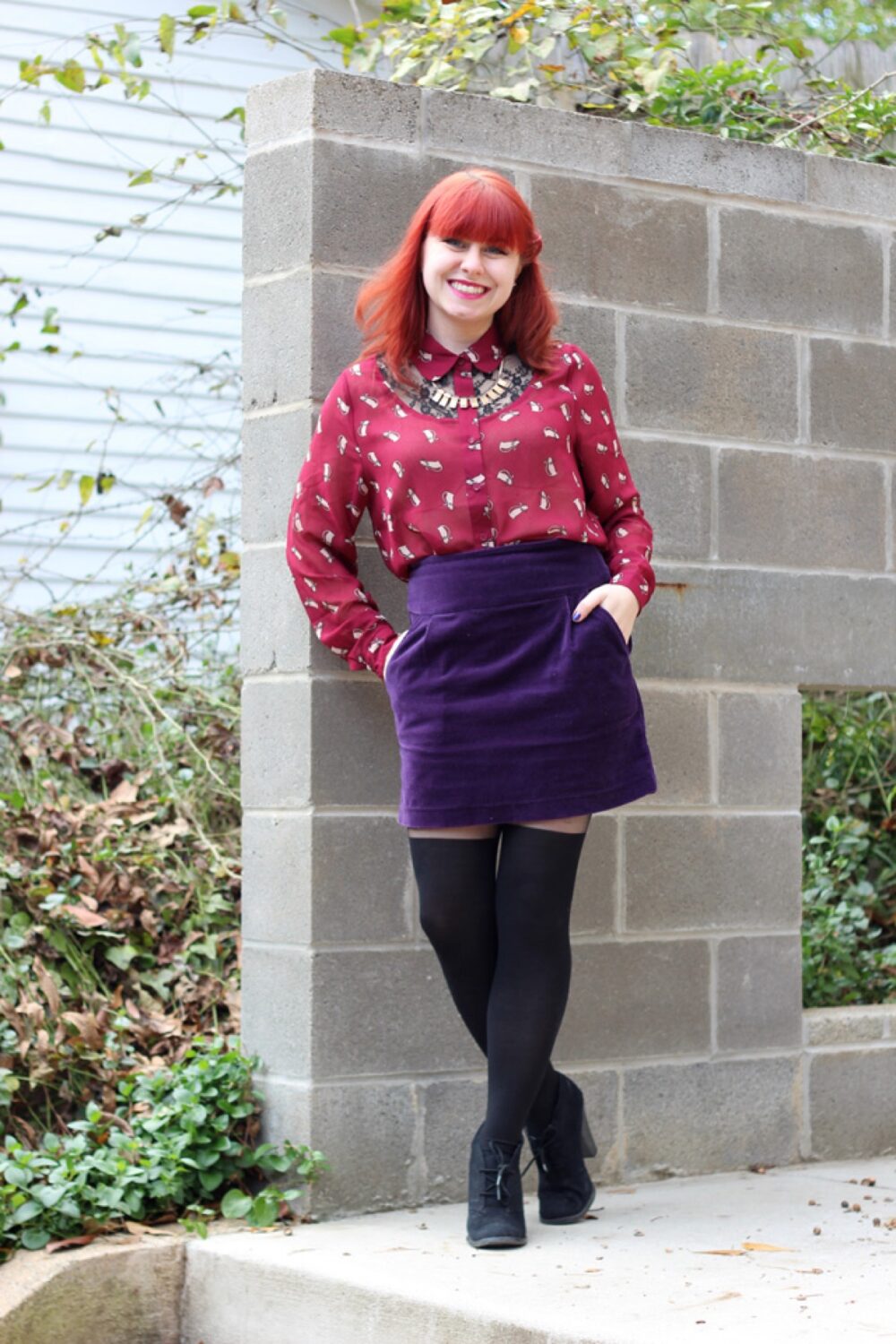
You can find plenty of women’s velvet skirts on DHgate, but the platform won’t do the curation for you. You need to drive the search yourself: use specific skirt and fabric keywords, apply filters for price, material and seller rating, read listings critically, and often request a sample before any serious order. For both UK individual buyers and small ecommerce brands, DHgate can work as a global source of affordable velvet skirts, but quality and colour consistency vary, so your process matters more than the marketplace label.
What Counts as a Good Velvet Skirt and Who Buys Them
A women’s velvet skirt is typically made from pile fabrics like polyester or mixed-fiber velvet, cut into silhouettes such as pencil, A-line, skater, pleated, or maxi. You’ll also see stretch velvet, crushed velvet and “velour” used in listings; these differ in sheen, thickness and drape, which matters for how formal or casual the skirt feels. Higher-end silk or viscose velvets are less common on mass marketplaces and more likely to appear with independent or designer brands, so boutiques using DHgate should expect mostly synthetic velvet and judge quality within that band.
For UK buyers, velvet skirts tend to fall into three broad use cases:
- Occasion wear: party, Christmas, New Year, weddings – deep jewel tones and rich pile.
- Everyday fashion: skater or A-line styles with softer pile, often paired with tights and ankle boots.
- Boutique stock: small batches for online shops or market stalls, where the look and feel must match brand photos.
Key quality points to keep in mind before you even open DHgate:
- Fabric weight and pile: thin velvet can look flat and clingy; heavier velvet holds structure and looks richer.
- Colour stability: velvet’s pile means it reflects light differently – cheap fabric can look patchy or streaky.
- Lining and construction: an unlined velvet skirt may ride up or cling; better pieces use lining and proper waistbands.
- Fit and measurements: many sellers are based in Asia, so size runs often differ from UK high-street norms. Treat labelled sizes (“S/M/L,” “XL”) as rough guidance and rely on waist, hip and length measurements instead.
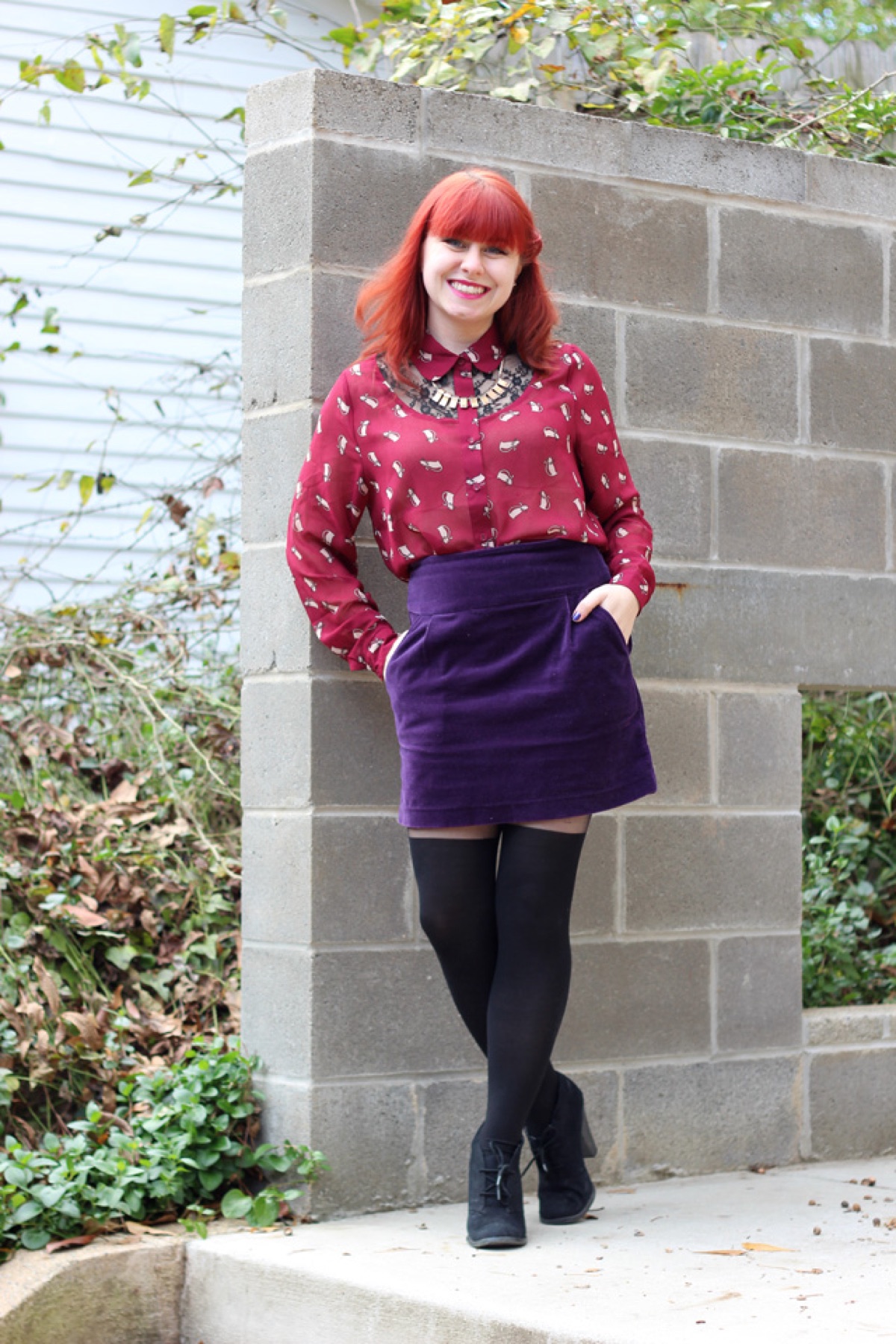
Start your DHgate search with a mental spec: length (mini/midi/maxi), silhouette (pencil/pleated/skater), fabric type (stretch or structured velvet), and whether you need lining. That spec will drive better keywords and filter choices.
Turning DHgate’s Search Tools Into a Velvet Skirt Shortlist
DHgate is a global online marketplace with many independent sellers, and many appear to be manufacturers rather than retailers.Retro midi skirt guidance shows that search outcomes depend heavily on how you use keywords, filters, and listing details. Here’s a practical workflow tailored to velvet skirts.
Step 1: Build smarter search queries
Start on DHgate’s homepage and use the main search bar. Instead of just “velvet skirt,” try queries that reflect your spec:
- “women velvet midi skirt”
- “high waist velvet skater skirt”
- “pleated velvet long skirt”
- “plus size velvet pencil skirt”
If you’re sourcing for a boutique, add style words like “party,” “elegant,” or “vintage” to surface more specific cuts.
Step 2: Use filters that actually matter for velvet
DHgate’s skirt guidance highlights three useful filters: price, material, and seller rating.Retro midi skirt guidance
Once you have results:
- Set a price range that matches your project (e.g., keep ultra-cheap listings if you’re testing samples, raise the floor if you want better fabric odds).
- Use material filters where available (look for velvet, velour, or polyester blends) and avoid listings that don’t state any fiber content.
- Sort or filter by seller rating to push low-feedback sellers down your list.
This won’t guarantee quality, but it rapidly removes the no-information, no-feedback fringe.
Step 3: Read descriptions like a fabric spec sheet
DHgate blog advice on skirts stresses reading descriptions carefully to check fabric, style and size.Retro midi skirt guidance For velvet skirts, scan for:
- Fiber and composition: phrases like “polyester velvet,” “spandex,” “velour”.
- Weight cues: “thick,” “winter,” “heavy” vs. “light,” “summer”; these hint at how the skirt will drape.
- Construction: lining, waistband type, closure (zip vs elastic), and hem details.
- Sizing data: a measurement chart with waist, hip, and length in cm.
If a listing only says “women skirt” with no fabric or measurements, treat it as a low-priority option.
Step 4: Scrutinize product images for pile and colour
DHgate’s skirt guidance recommends scrutinising product images and looking closely at multiple angles.Retro midi skirt guidance For velvet skirts, zoom in and look for:
- Pile direction and sheen: does the fabric look evenly rich, or are there dull patches and stripes when it catches the light?
- Colour consistency: compare studio images against any customer-uploaded photos for unexpected tone shifts.
- Construction clues: puckering at seams, uneven hem, thin waistbands.
If all photos are heavily edited and there are no real-life shots, assume colour may differ in person.
Step 5: Use ratings, reviews and Q&A as filters, not guarantees
DHgate’s boutique sourcing guidance frames customer reviews and seller ratings as useful signals of product quality and seller reliability.Boutique sourcing guide Scroll past the stars and read the text:
- Filter for buyers mentioning fabric feel (“soft,” “thin,” “cheap,” “luxurious”) and colour accuracy.
- Check whether multiple buyers mention sizing issues, such as running small vs. true to the chart.
Treat these as pattern hints. A single good or bad review shouldn’t drive your whole decision, but a cluster of complaints about thin fabric or off sizing should.
Step 6: Communicate with sellers before shortlisting
DHgate blog guidance encourages keeping lines of communication open and asking sellers questions when you’re unsure.Retro midi skirt guidance For velvet skirts, message the seller of any promising listing and ask:
- For unedited photos of the actual fabric and skirt.
- To confirm fiber makeup and whether the skirt is lined.
- For exact waist and hip measurements for your target size.
Many DHgate sellers appear to be manufacturers, which gives you scope to ask about minor adjustments (length, colour runs) if you plan a bulk order, although you shouldn’t assume every request will be accepted.Retro midi skirt guidance
At the end of this workflow, you should have a small shortlist: maybe 3-8 listings with clear fabric descriptions, usable measurement charts, visible pile in photos, and sellers who respond to questions.
Matching DHgate Velvet Skirt Offers to Your Sourcing Needs
Once you have that shortlist, the question isn’t “which skirt looks prettiest” but “is DHgate the right sourcing route for what I’m trying to do?” The answer changes for personal purchases vs. UK-based small businesses.
Micro-checklist: evaluating skirt sellers for UK buyers
Use this focused checklist before you buy any velvet skirt on DHgate. It concentrates on skirt-specific signals rather than general marketplace trust.
| Checkpoint | What to look for specific to velvet skirts |
|---|---|
| Seller track record | Consistent ratings and written feedback mentioning skirts or apparel, not just random goods. |
| Fabric clarity | Listing or seller messages clearly state velvet type, fiber blend, and whether the fabric is thick or thin. |
| Colour and photos | At least one real-life photo (seller or buyer) where the colour and pile look even, without streaks. |
| Sizing data | A measurement chart and at least a few reviews confirming how sizing compares to the chart; assume sizes may differ from UK norms. |
| Communication | Seller responds to questions with specific answers (measurements, extra photos), not generic scripts. |
If one of these checkpoints is a complete blank, proceed as if risk is higher and lower your expectations or order size.
Samples and small-batch tactics for boutiques
DHgate’s boutique sourcing guidance recommends reviewing seller feedback, requesting samples before bulk orders, and negotiating prices.Boutique sourcing guide For velvet skirts, treating samples as essential is especially important because pile and colour can shift under different lighting.
If you’re stocking an online boutique or market stall:
- Order 1-2 samples per style so you can feel the fabric, test colour in daylight, and compare real measurements to the chart.
- Use those samples to decide whether you can rely on that seller for a small batch, and only then discuss price breaks or minor custom changes.
- Document any defects or major differences between listing and sample photos so you can decide whether to walk away or renegotiate.
When DHgate isn’t the right place for your velvet skirt project
DHgate is a global multi-seller marketplace that can work well for buyers who are flexible about exact shade, pile richness and fit.Boutique sourcing guide It’s less suitable when:
- You need precise colour matching across multiple skirts (e.g., bridesmaid sets where a single tone shift would be obvious).
- Your brand relies on consistent premium velvet, similar to UK designer or high-end high-street standards.
- You have tight deadlines and can’t absorb cross-border variability, including potential customs processing and VAT at the border.
In those cases, UK-based wholesalers, independent velvet skirt brands, or platforms with stricter curation may serve you better, even at higher unit prices.
For additional DHgate platform context, use What DHgate is and how the marketplace works, Find trusted sellers on DHgate, and Review the DHgate order-readiness checklist.
If your needs are more experimental or budget-conscious, DHgate’s mix of manufacturers and boutique-focused sellers can be a useful source—as long as you search methodically, vet listings and sellers, and treat samples as mandatory rather than optional.