
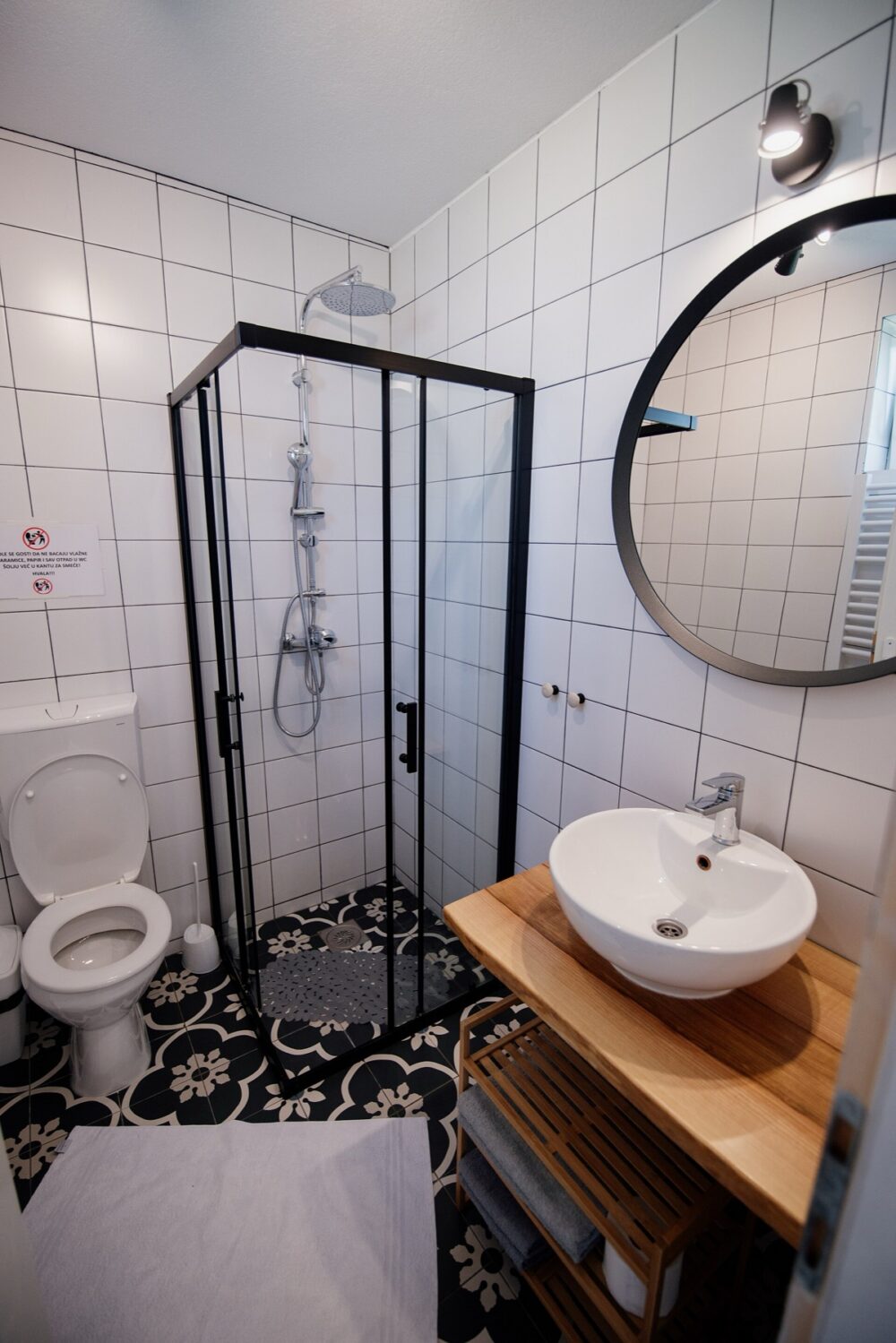
Start with the layout of your tub or shower and the height of your ceiling. Your shower curtain has to stop splashes and give privacy, while any cornice or valance on top is purely visual. Measure width and height, choose a fabric that matches how steamy your bathroom gets, then decide if you want a simple rod-and-curtain or a more built-in look with a topper. Once you know your specs, DHgate can be useful alongside US retailers and Etsy if you’re hunting for low-cost damask, paisley, crochet or other niche prints, but it’s overkill for a basic white polyester curtain.
What counts as shower curtain and cornice decor in a US bathroom?
In a typical US bathroom, there are a few separate pieces that all get lumped together as “the shower curtain”:
- Shower curtain: the decorative outer panel. It’s the thing you see from the room and is often treated as a focal point for color and pattern in design guides.
- Liner: the inner, more water-resistant sheet. Some curtains are waterproof on their own, but many people use a separate vinyl or polyester liner inside the tub for better splash control.
- Rod and hooks/rings: hardware that affects how high the curtain hangs and how much fabric you see. Curved or double rods change the feel; ceiling-height rods make the curtain look more like drapery.
Cornice-style decor sits above all of that:
- Valance: a short fabric piece that covers the top of the curtain and rod. This can be gathered, pleated, or tailored.
- Cornice topper: usually a boxier treatment—sometimes a padded fabric board, sometimes a built-out wood frame—installed at or near ceiling height so the curtain hangs from underneath. Decor articles use these to fake a custom, built-in shower surround.
Functionally, the curtain + liner handle privacy and water. The valance or cornice barely affects performance; its job is to hide hardware and make the bathroom feel more finished, especially if your shower is in a main hallway bath or a guest space.
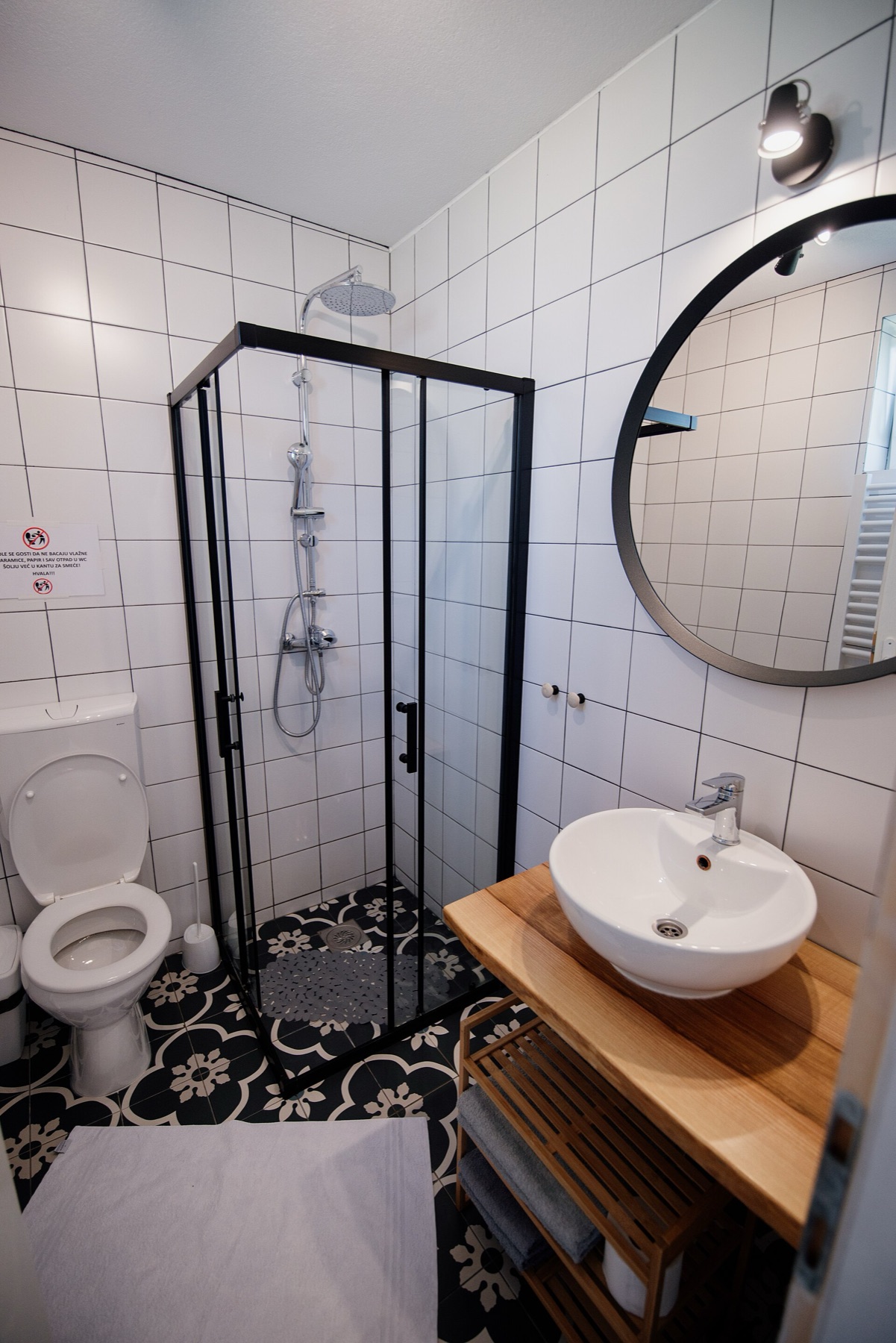
Key style, size, and fabric choices for curtains and cornices
Before you compare designs or platforms, lock in three specs: size, fabric, and layout.
Getting the size right
Most buying guides describe commonly sold US shower curtains as roughly 70-72 inches wide by 70-72 inches high. That works for a standard 5-foot tub with a rod mounted a few inches above it.
You’ll want:
- Width: at least as wide as the opening, plus a bit for gentle folds. For a typical tub, that’s the standard ~70-72″ width.
- Height: measure from rod to inside of the tub or shower threshold. If you hang the rod higher (near the ceiling), you’ll need an extra-long curtain—often marketed as 84″ or more.
Design-focused sites show ceiling-height rods paired with long curtains or cornices to make small baths feel taller. If you’re planning that look, shop in the “long” or “extra-long” category and ignore standard lengths.
Comparing fabrics by use case
Common shower curtain fabrics include polyester, cotton, and vinyl, and each behaves differently under steam and splashes.PickHonest’s guide and similar sources make these trade-offs clear:
| Fabric type | Water behavior (with/without liner) | Care & feel | Best suited for |
|---|---|---|---|
| Polyester | Resists water fairly well; can be used alone in low-splash setups, but many people still add a liner | Machine-washable, soft drape, less stiff than vinyl | Everyday family baths where you want easy care and prints |
| Cotton | Absorbs water, so it really needs a liner inside the tub | Feels more like real drapery, often used in higher-end or decor-heavy baths | Bathrooms where look matters more than pure function and you’re willing to wash often |
| Vinyl (or PEVA) | Highly water-resistant and often used as a liner; some vinyl outer curtains exist | Wipeable, more plasticky feel, can off-gas at first in some products | Budget setups and rentals where you prioritize waterproofing over texture |
For cornices and valances, you’re usually dealing with outer fabric only, attached to foam, wood, or a small rod. Here, prioritize look and how easily you can spot-clean dust; they’re above the steam and don’t get direct spray.
Matching decorative styles to fabric and care
Design blogs frequently highlight damask, paisley, and crochet styles for shower curtains:
- Damask: woven or printed motifs that feel formal. Often on heavier polyester or cotton; pair well with tailored cornices or boxy valances.
- Paisley: droplet-shaped patterns, sometimes quite busy. These tend to appear on lighter polyester or cotton, making them good if you want color but still need machine washing.
- Crochet / lace: openwork designs that are strictly decorative. These usually sit outside a solid liner and may be attached as a valance or topper.
If you’re building a cornice look, think about how the pattern flows:
- A box-style cornice wrapped in the same damask fabric as your curtain can create a hotel-like, custom feel.
- A short lace valance over a solid polyester curtain gives you texture at the top while keeping care simple below.
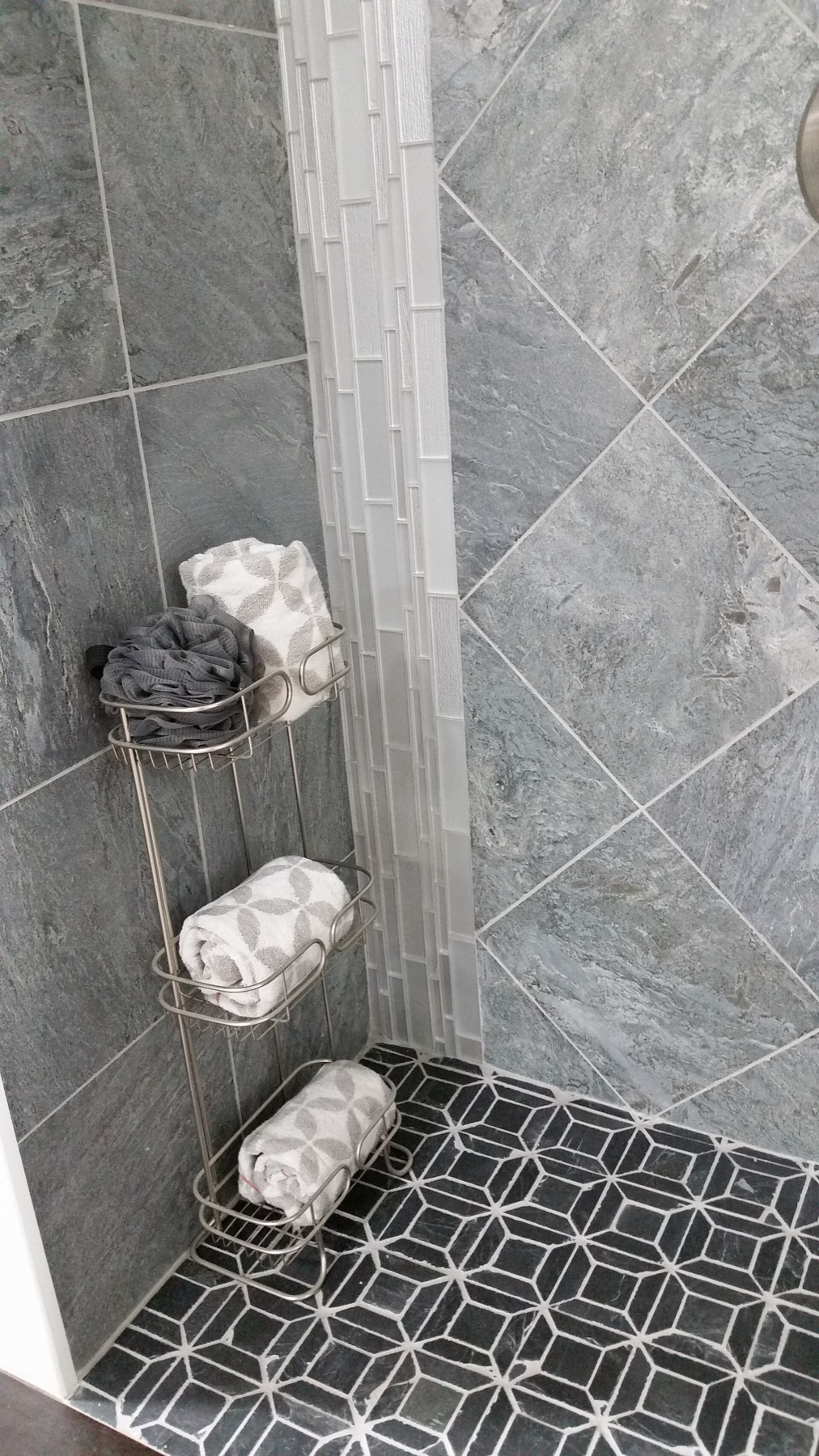
Visual layout: a few reliable combos
You don’t have to design from scratch; most bathrooms boil down to a few repeatable layouts:
- Standard rod + curtain + liner: rod just above the tile, 70-72″ curtain, no topper. Functional and easy to match at big-box stores.
- Ceiling-height rod + extra-long curtain: rod mounted near ceiling, 84″+ curtain. Works well with modern prints and makes the room feel taller.
- Rod at normal height + cornice above: cornice or valance installed at or near ceiling, hiding the rod. Curtain remains standard length, but the topper makes it look custom.
If you’re a small ecommerce seller buying for resale, these layouts also help you sort your catalog: basics for standard rods vs “designer” SKUs that assume ceiling-height installs or bundled cornice-and-curtain sets.
Where DHgate fits alongside other platforms for unique sets
Once you know your size and fabric, the question becomes: where do you actually find the designs and toppers you want?
- US big-box retailers and home centers (Target, Lowe’s, Home Depot, etc.) skew toward standard 70-72″ polyester or cotton curtains in solid colors and mainstream prints. They’re reliable for basics, liners, and hardware, but you’ll see fewer damask-and-cornice-style combos in-store.
- DHgate, described in its own blog as a marketplace connecting Chinese manufacturers with global buyers, surfaces a wide range of home decor including shower curtains.DHgate’s editorial specifically calls out damask, crochet, and paisley shower curtain styles in polyester, cotton, and vinyl at budget-friendly levels.
For unique sets and niche prints, DHgate is most relevant if:
- You want bold damask, paisley, bohemian, or themed patterns that don’t show up in local stores.
- You’re price-sensitive and willing to browse multiple sellers for the look you want.
- You’re okay separating function (buying liners and hardware locally) from decor (importing the outer curtain or valance).
If you go that route, treat DHgate as a pattern and style discovery tool, not a one-click fit solution. Double-check:
- Listed dimensions against your own measurements, especially for extra-long curtains and any attached valances.
- Fabric descriptions (polyester vs cotton vs vinyl) so you know whether you’ll need a separate liner.
- How complex cornice-style pieces actually ship—some may arrive as flat fabric, others as assembled boards.
For additional DHgate platform context, use Find trusted sellers on DHgate.
For platform mechanics—how DHgate works, and how to evaluate individual sellers—readers who need more depth can use guides like What DHgate is and how the marketplace works and the checklist in Review the DHgate order-readiness checklist. Those resources focus on seller and order vetting so this article can stay on styles, specs, and fit.