
You can find Baroque-style wall clocks on DHgate by treating it as a source of new replica pieces: run a focused search for ornate wall clocks, use categories and filters to narrow by size and style, then deeply inspect each listing’s photos, specs, and reviews before you ever place a bulk or resale order. DHgate’s listings show product details, images, prices, and seller ratings, but you still need to verify whether the clock’s materials, finish, and movement match what you expect, especially for heavily decorated Baroque designs.
This guide walks through a practical search and vetting workflow and points out when a different marketplace is a better fit—especially if you’re after true vintage Baroque clocks rather than modern reproductions.
What Baroque Wall Clocks Are and Why DHgate Mostly Offers New Replicas
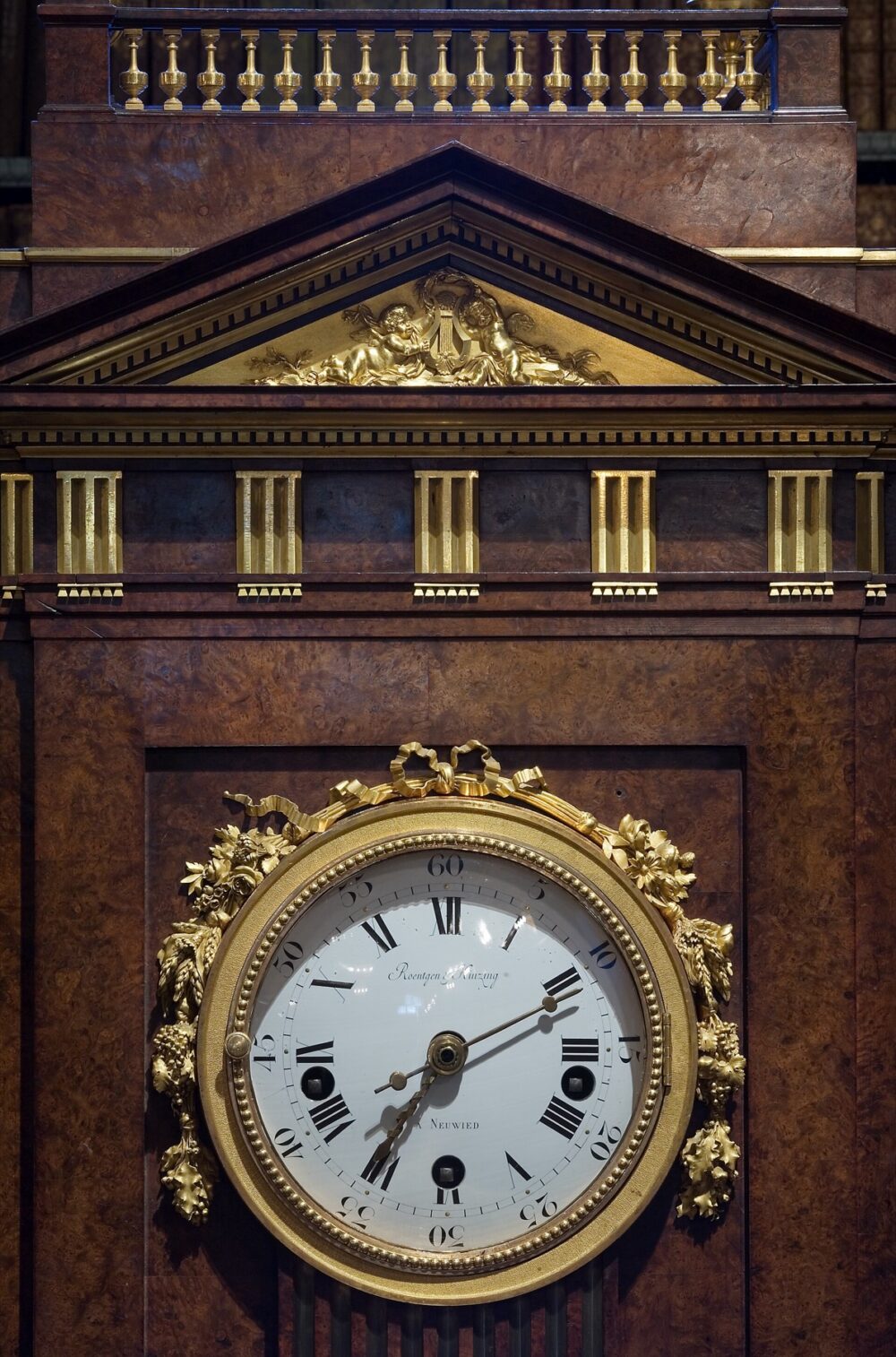
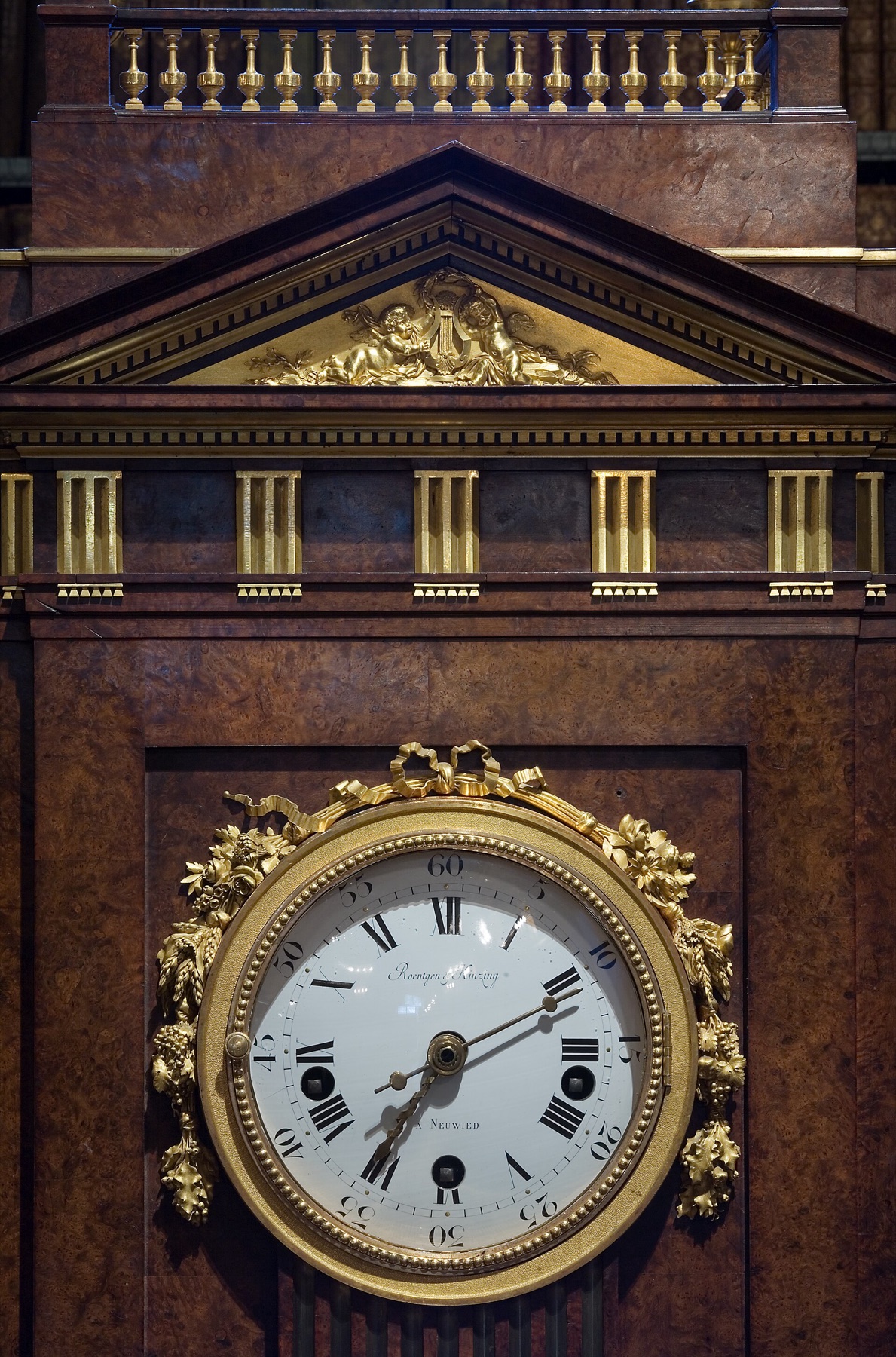
Baroque wall clocks come out of the 17th–18th century European Baroque aesthetic: dramatic curves, heavy ornament, gilded finishes, and carved motifs like scrolls, shells, foliage, and cherubs. The clock case is treated as sculpture as much as a timepiece, often in wood or metal with layered relief.
A few key traits you’re usually looking for:
- Rich ornament: deep carved or molded details, not just a flat printed pattern.
- Dramatic silhouette: pediments, flourishes, and asymmetric curves.
- Luxurious finish: gold or bronze tones, polished wood, or painted accents.
Genuine Baroque or 19th‑century revival clocks tend to appear on antique dealers’ sites, auction platforms, or specialty clock shops—not on mass cross‑border marketplaces. DHgate is better viewed as a source of new Baroque‑style replicas: modern wall clocks that borrow the look (ornate frames, gold coloring, vintage dials) but use contemporary quartz movements and mass-production materials.
That distinction matters:
- If you need true vintage or period‑correct Baroque for a collector or high‑end interior project, DHgate is usually the wrong channel. Antique marketplaces or local dealers are a better starting point.
- If you’re a US buyer or small ecommerce business looking for affordable ornate decor—for home staging, themed restaurants, or budget home décor—DHgate can be workable, as long as you accept that you’re sourcing replicas and scrutinize quality listing by listing.
Step-by-Step: Running a Focused Baroque Wall Clock Search on DHgate
You won’t find a dedicated “Baroque clock” category on DHgate, so the way you search matters. Here’s a concrete workflow that surfaces usable ornate options and weeds out noise.
1. Start with targeted search terms
Go to DHgate’s main site and use the search bar. Try combinations that reflect both the style and the product:
- “baroque wall clock”
- “vintage gold wall clock”
- “ornate wall clock”
- “European style wall clock” or “European retro clock”
Run several searches; different sellers use different adjectives. Your goal is to collect a first batch of potentially relevant listings.
2. Use categories and filters to narrow
From DHgate’s own guidance, you can use categories and filters to refine any search so you’re not scrolling hundreds of generic clocks. After the initial search:
- Click into the home decor / wall clock category path if it appears, so you’re only seeing clocks rather than unrelated items.
- Use available filters to narrow by broad attributes—such as color (gold, bronze, brown), material (metal, wood, resin), and approximate size.
These filters aren’t Baroque-specific, but they help isolate clocks that could support an ornate, statement look.
3. Build a shortlist based on thumbnails
Now scan the search results visually. For Baroque style, focus your shortlist on listings that show:
- Complex, raised frames with scrolls and flourishes.
- Dials with Roman numerals or vintage typography.
- Gold or antique metallic finishes rather than flat plastic.
Open only those listings in new tabs. Your goal is to shrink a large search page down to 5-15 serious candidates.
4. Read the listing specs and description line by line
DHgate’s blog explains that each product listing contains specs, images, prices, and seller ratings, and that you should pay close attention to these details to ensure the product meets your requirements.
For ornate clocks, that’s doubly true because photos can hide thin materials. For every candidate listing, check:
- Dimensions: overall height, width, and depth. Baroque frames can look huge in photos but be surprisingly small in person. Compare the listed size to the wall space you’re decorating.
- Material wording: look for clear terms like “solid wood,” “metal alloy,” or “resin.” If a listing only says “plastic” or uses vague phrases like “environmental material,” assume it’s lightweight and lower‑end.
- Finish description: “electroplated” or “hand-painted” suggests more effort than “color: gold.” If there’s no mention of finish, expect standard paint.
- Movement type: quartz movements are typical. If quiet operation matters (bedrooms, libraries), look for phrases like “silent sweep” or “non‑ticking”.
If any spec feels inconsistent with the photos—for example, an extremely low weight for a big “wood” frame—flag that listing as higher risk.
5. Use photos deliberately, not just to admire the design
Zoom in on close‑up photos to answer specific questions:
- Can you see seams where molded pieces join? That hints at how visible joints will be in person.
- Does the gold look uniform or patchy? Patchy finishes often mean a cheaper paint process.
- Are there real depth and shadows in the carvings, or is it a flat stamped pattern?
If the listing only shows the clock from a straight-on front view, and you’re about to spend real money or buy for resale, treat the missing angles (side, back, macro close‑ups) as information gaps. That’s a good reason to contact the seller.
6. Read reviews with Baroque-specific questions in mind
DHgate’s editorial advice repeatedly emphasizes reading customer reviews and checking seller ratings before buying. For Baroque‑style clocks, you’re not just looking for star counts—you’re trying to validate how the ornament actually feels:
Scan reviews for comments on:
- Material feel: do buyers say “looks expensive” and “heavy,” or “feels cheap” and “plastic”?
- Color accuracy: does the “gold” appear yellow, bronze, or more muted than the photos?
- Noise level: are there complaints about ticking being loud?
- Damage in transit: ornate frames have protruding parts that can chip; repeated damage mentions may be a warning sign.
If a clock has few or no reviews, you’re relying entirely on the seller’s marketing. That doesn’t rule it out, but it raises the bar for how much clarification you should get before ordering.
7. Compare your top picks with a simple table
Once you’ve narrowed to a handful of listings, a quick comparison helps you avoid impulse choices based only on the prettiest photo.
| Shortlisted clock | Listed size (HxW) | Material wording | Movement type | Seller evidence to check* |
|---|---|---|---|---|
| Clock A | Medium | “Resin” / “plastic” | Quartz | Rating level and number of reviews |
| Clock B | Large | “Solid wood” or “metal” | Quartz, “silent” | Rating history and review details |
| Clock C | Small | Vague material terms | Quartz | Recent feedback and description care |
*Use DHgate’s seller ratings and review tools as described in its shopping guides to fill in this column for your own shortlist.
Pick candidates where the style matches your room, the material and size meet your expectations, and the seller reputation looks solid enough to justify the purchase or sample.
Evaluating Sellers, Ordering Samples, and When to Choose Another Marketplace
Once you have a shortlist, your decision shifts from “Is this clock pretty?” to “Is this seller reliable enough for my use case—and should I be buying on DHgate at all?”
Judging sellers for ornate clock orders
DHgate’s navigation and buying tips highlight a few specific checks:
- Look at seller ratings and feedback: higher average ratings and more total reviews generally signal more consistent performance.
- Read seller profile details where available: how long they’ve been active, how many transactions they’ve completed.
- Compare product descriptions across sellers: if one listing uses detailed specs and clear photos while another is vague, that’s a meaningful difference.
If a seller has very few sales, minimal feedback, and only generic descriptions, that might be acceptable for a single home‑use clock at a low price, but it’s a risky partner for a boutique or bulk order.
You can find more general guidance on evaluating sellers in Find trusted sellers on DHgate, which applies directly to sourcing ornate decor.
Sample-order strategy for small ecommerce buyers
For boutique sourcing and ecommerce, DHgate’s blog suggests reviewing ratings, requesting samples, and negotiating prices before committing to larger orders. Applied to Baroque-style clocks, a practical pattern is:
- Request 1-2 samples from your top seller(s) instead of jumping straight to a bulk order. Use platform messaging to ask whether sample orders are possible and on what terms.
- When you receive the sample, evaluate:
- Weight and sturdiness of the frame.
- Detailing quality up close: are edges clean or rough? Does the finish chip easily?
- Movement reliability over a few weeks.
- If the sample passes, discuss pricing and customization (e.g., different dial design or color tone) if that matters for your brand.
This adds lead time and some upfront cost, but for ornate decor it’s often the difference between a product line that feels premium and one that drives returns and complaints.
You can see broader ecommerce sourcing context in What DHgate is and how the marketplace works.
When DHgate isn’t the right place to buy Baroque clocks
There are clear scenarios where DHgate is a poor fit and you should move to other channels:
- You need genuine antiques or museum‑grade Baroque: For historically significant pieces, specialist antique platforms, auction houses, or local clock restorers are more appropriate than a cross‑border wholesale marketplace.
- You care about documented history for each piece: If you need detailed historical documentation, dedicated antique dealers and auction houses are better positioned to provide it.
- Your budget supports high‑end craftsmanship: If you’re willing to pay for hand‑carved wood, artisan metalwork, or bespoke designs, a handmade marketplace or direct commission from a craftsperson is often better.
On the other hand, DHgate is still relevant if:
- You’re staging short‑term rentals or themed spaces and need visually impressive but affordable clocks.
- You run a decor shop focused on accessible price points and are comfortable with replicas as long as the quality matches customer expectations.
Before you actually place an order, especially a larger one, run through the DHgate order-readiness checklist to confirm you’ve captured measurements, material expectations, and seller evidence.
In short, use DHgate as a flexible source of ornate Baroque‑style wall clocks, not as an antiques marketplace. A careful search, listing‑by‑listing vet, and sample‑first approach will help you get the look you want while staying honest about what you’re actually buying.