
Baroque wall clocks are high-impact statement pieces, so you choose them differently from flat modern clocks. Start by deciding how dramatic you want the clock to be, then narrow by size, depth, material, movement noise, and dial readability. Once you know those specs, you can decide whether you’re shopping for a one-off vintage or artisan piece (often better suited to Etsy or specialist Baroque retailers) or Baroque‑inspired decorative clocks and small batches, where large marketplaces like Amazon, Wayfair, eBay, and DHgate can belong in your shortlist.
For US buyers and small ecommerce shops, the goal is not just to find something “ornate,” but to pick a clock that actually works on your wall and feels like the right level of Baroque—rich, but not chaotic.
What Baroque Wall Clocks Are and How They Behave in Real Rooms
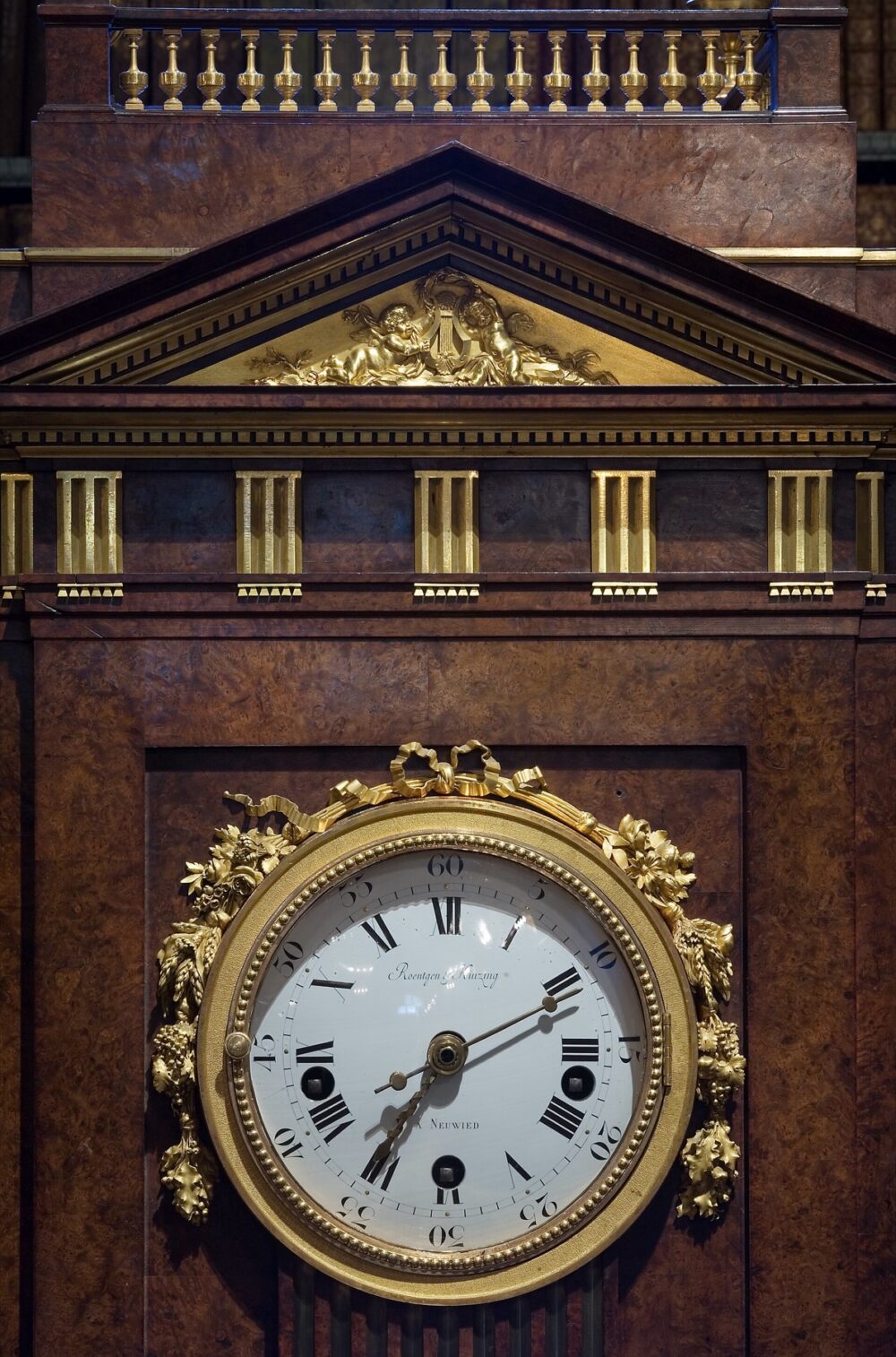
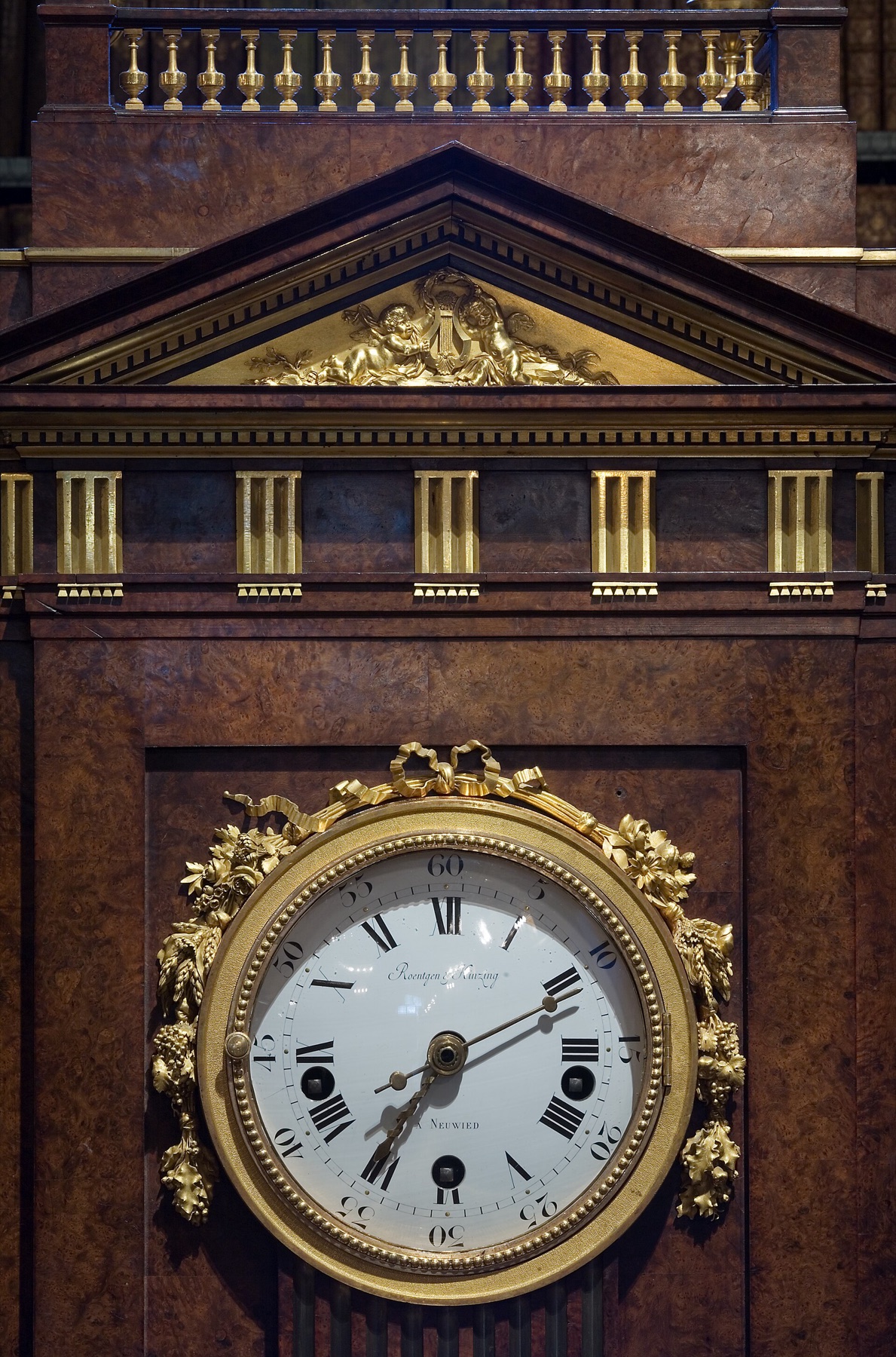
Baroque clocks are defined by exuberant decoration: curves and scrolls, gilded accents, carved foliage, shells, cherubs, and other classical motifs. Retailers that focus on Baroque decor show wall clocks framed with heavy ornamented borders, often in gold or bronze tones, sometimes with contrasting dark backgrounds for drama.https://www.barockgrosshandel.de/en/pages/baroque-clocks
On a wall, that has three practical consequences:
- They dominate the sightline. A 20-30 inch Baroque clock with a wide carved frame behaves almost like a wall sculpture. In a living room or foyer, it becomes the focal point; in a small room it can easily feel overbearing.
- They stick out more. The carved or cast frame usually adds substantial depth compared with a flat modern clock. On examples from specialist sellers, Baroque-style frames can project several inches from the wall, which matters in narrow hallways or above seating.
- They read as traditional or palace-like. In contemporary spaces, that contrast is either intentionally bold or visually jarring. Baroque looks pair most naturally with classical, traditional, or glam interiors, and with period details like paneling and chandeliers.
So before you look at listings, decide where you want this visual weight. Over a fireplace, behind a reception desk, or centered on a feature wall are common placements. Baroque clocks are rarely a good fit for functional, high‑traffic zones like a tiny kitchen where you just need a quick glance at the time.
Key Baroque Wall Clock Types and the Specs That Actually Matter
Specialist and marketplace listings show three broad build types for Baroque-style wall clocks: carved wood, metal, and resin/gilt-look frames. Neo‑classical variants overlap with these, using similar motifs but slightly cleaner lines.https://casaclock.com/products/baroque-antique-wall-clock-silent-metal-45cm https://stavrosdecor.com/articles/reznye-nastennye-chasy-iz-dereva-stavros-ch-001-i-ch-002-dlya-klassicheskogo-interera
Here’s how they differ and which specs matter when you compare them:
| Type | Typical look & use | Material feel & durability | Price expectation (relative) | Best use cases |
|---|---|---|---|---|
| Carved wood Baroque | Deep relief, hand-carved or CNC; rich stains or gilding | Solid, heavy; can dent or chip if knocked | Higher for artisan work | Formal living rooms, hotels |
| Metal Baroque frame | Cast or stamped motifs; often antique gold or bronze | Rigid; resists minor knocks; can show scratches | Mid to higher | Glam apartments, dining |
| Resin/gilt-look Baroque | Molded motifs; often bright gold or white+gold | Light; more prone to surface wear over time | Budget to mid | Rental decor, themed shops |
| Neo-classical inspired | Cleaner lines, columns, laurel wreaths, fewer curves | Wood, metal, or resin mixtures | Wide range | Transitional and modern mix |
Beyond the frame material, general wall clock guides consistently highlight a few specs as the ones that actually affect usability.https://casaquip.com/blogs/guides/how-to-choose-a-wall-clock https://telectronichub.com/home/how-to-choose-the-best-wall-clock-a-complete-buying-guide
Diameter and overall height Baroque clocks often occupy more wall space than their dial diameter suggests because of the ornate frame. A “45 cm” metal Baroque clock from Casaclock, for instance, uses a decorative border that extends the visual footprint beyond the dial itself.https://casaclock.com/products/baroque-antique-wall-clock-silent-metal-45cm In US homes, that scale typically suits medium to large living rooms and entryways.
As a rule of thumb:
- Under ~16″ total width: accent for hallways or small rooms.
- ~18-24″: clear focal point on a standard 8-9 ft wall.
- 24″+ with heavy frame: statement piece best used on larger or double‑height walls.
Depth (projection from the wall) General guides rarely talk about Baroque depth specifically, but their advice on clock thickness and clearance matters more here. Ornate frames and bracket-style Baroque clocks can project several inches, enough to interfere with doors, people walking close to the wall, or shelving.https://formadore.com/wall-clocks In tight spaces, look for listings that specify thickness or side photos.
Movement type and noise Most modern Baroque-style clocks use quartz movements. Some, like the Casaclock metal Baroque model, are explicitly described as “silent,” implying a sweep or non‑ticking movement.https://casaclock.com/products/baroque-antique-wall-clock-silent-metal-45cm If you’re sensitive to sound or placing the clock in a bedroom or quiet office, prioritize silence in the listing description.
Dial layout and readability Baroque frames can visually compete with the dial. Better-designed pieces keep strong contrast—dark numerals on a light face or vice versa—and simple Roman or Arabic numerals that can be read from across the room. Generic buying guides stress dial contrast and clear numerals as key usability specs; ornate dials with low contrast may look luxurious but be frustrating day to day.https://casaquip.com/blogs/guides/how-to-choose-a-wall-clock
Turning Specs into a Shortlist: Room Fit, Noise, and Platform Choices Including DHgate
Once you understand the styles and specs, you can filter options quickly—whether you’re buying one clock for your home or planning inventory for a small decor shop.
1. Match the clock’s visual weight to the wall and room
- Measure the wall zone where the clock will hang, especially width between nearby objects (door frames, art, shelving). Leave breathing room around Baroque frames; they read best with at least several inches of blank space on each side.
- In a small US apartment living room, a resin or metal Baroque clock around 16-20″ can give a classical feel without overwhelming the wall.
- In a hotel lobby or formal dining room, carved wood or large metal (20″+) makes sense because the surrounding decor can support the drama.
Noise callout: If the clock is visible from a bedroom or quiet workspace, treat “silent” or “sweep” movements as a non‑negotiable spec. Ornate frames don’t soften an intrusive tick.
2. Decide how much depth your layout can tolerate
- For corridors, entries next to doors, or areas over seating, prioritize shallower designs—often metal or resin frames with less relief.
- Reserve deep, bracket‑style or heavily carved clocks for walls where nobody will brush past them: above a mantle, behind a reception desk, or high on a stair landing.
A quick test: imagine opening doors and walking past the wall with bags or backpacks. If anything could catch on a protruding ornament, choose a slimmer build.
3. Choose materials based on longevity vs. flexibility
For individual buyers:
- Pick carved wood or heavier metal if you expect to keep the clock long-term and already have classic furniture and trim.
- Pick resin/gilt-look if you’re experimenting with Baroque style or renting and may not want the same clock forever.
For small ecommerce businesses:
- Use carved wood and higher‑end metal Baroque clocks as flagship items with higher margins in a classical or luxury decor niche.
- Use resin/gilt-look and lighter metal pieces as volume decor for themed collections (Victorian, palace, vintage glam) where affordability and shipping weight matter.
4. Map your needs to platform types, including DHgate
Different channels tend to excel at different kinds of Baroque wall clocks:
- True vintage, branded, or artisan Baroque clocks
These are more often found on specialist European Baroque decor sites and artisan marketplaces like Etsy’s Baroque-style clock category. You’ll see one‑off antiques, hand‑carved wooden pieces, and branded classical clocks. This is usually the better route if originality, provenance, or craft is your priority.
- Baroque-inspired decorative clocks (modern production)
Large marketplaces such as Amazon, eBay, Wayfair, and DHgate typically carry broad assortments of decorative clocks with Baroque or neo‑classical styling, often in resin or metal and produced in modern factories. These are practical choices for buyers who:
- Want a Baroque look at lower cost than artisan carved wood.
- Need multiple similar pieces for staging, themed hospitality decor, or ecommerce inventory.
If you’re new to DHgate, it can help to first understand the marketplace structure via What DHgate is and how the marketplace works and then, if you do find Baroque-style listings, apply listing-level checks similar to other platforms. For broader DHgate buying prep, some readers also review the DHgate order-readiness checklist.
5. Use a simple shortlist filter
For each room or business scenario, ask:
- Does the clock’s diameter and frame scale suit the wall, leaving space around it? If not, size up or down before worrying about details.
- Is the dial legible from where you’ll stand or sit? If the frame steals all the attention and you struggle to see the time in photos, skip that listing.
- Will the movement noise be acceptable? Prioritize silent quartz for quiet spaces.
- Is the material appropriate for how often the wall is bumped or rearranged? Heavy carved wood may be overkill for temporary staging; thin resin may disappoint in a formal home.
For additional DHgate platform context, use Find trusted sellers on DHgate.
If a candidate clock passes all five checks, you’re no longer just buying “something ornate”—you’re choosing a Baroque wall clock that behaves well in your room or business and comes from a platform aligned with your actual needs.