
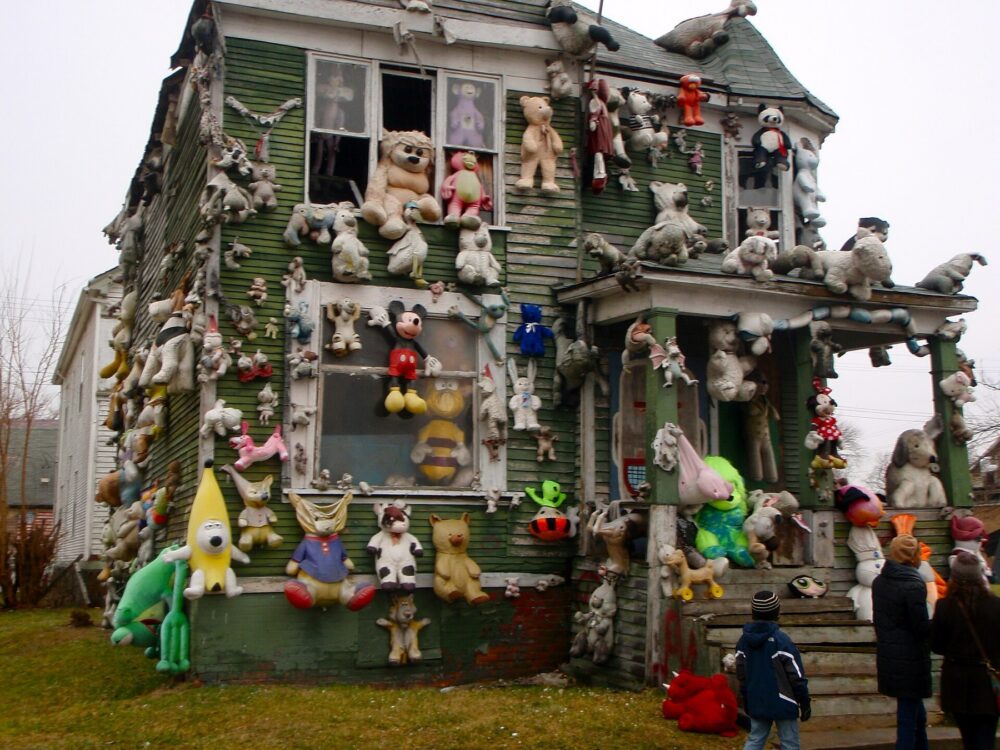
Pregnant stuffed animals are a niche plush: think a mama dog, cat, or bear with a rounded belly, often hiding baby animals inside. To choose well, start by deciding if you want realistic anatomy or a goofy novelty look, then check how the belly is built (zippered compartment vs just printed), what the fabric and stuffing feel like, and whether any parts are safe for the age group. DHgate can be useful as an extra catalog for variety and price on general plush if you’re comfortable screening individual cross‑border sellers and you don’t need a specific Western brand.
Toy safety guides for stuffed animals stress age‑appropriate designs, secure seams, and avoiding small detachable parts for babies and toddlers, especially around the face and belly areas where kids grab and chew. Experts also advise keeping plush toys out of sleep spaces for young infants because of suffocation risk, even if a toy is labeled safe for that age group.Stuffed animal safety guidance
What Pregnant Stuffed Animals Are and Who They’re For
A pregnant stuffed animal is any plush toy where the character is clearly depicted as expecting: a rounded or exaggerated belly, often with removable baby plushies tucked inside a compartment, sometimes with printed “expecting mom” themes.
In practice, these break into two broad uses:
- Milestone and gag gifts: For baby showers, fertility journeys, or maternity announcements. Editorial gift guides show that many buyers choose unusual or themed stuffed animals for these moments rather than for everyday comfort.Baby stuffed animal gift ideas
- Kids’ play and learning: As a way to explain pregnancy or animal families to children, where the baby animals can be taken out and put back.
These designs are usually not ultra‑basic infant comfort toys. If you’re buying for:
- Young babies (under ~1 year): Treat pregnant plush primarily as a supervised play or photo prop, not a sleep companion. Keep it out of the crib or bassinet.
- Toddlers and preschoolers: Focus on secure belly closures and minimal small parts so the toy survives rough play and mouthing.
- Collectors or novelty buyers: You can prioritize unusual designs, detailed embroidery, or themed outfits over kid‑durability.
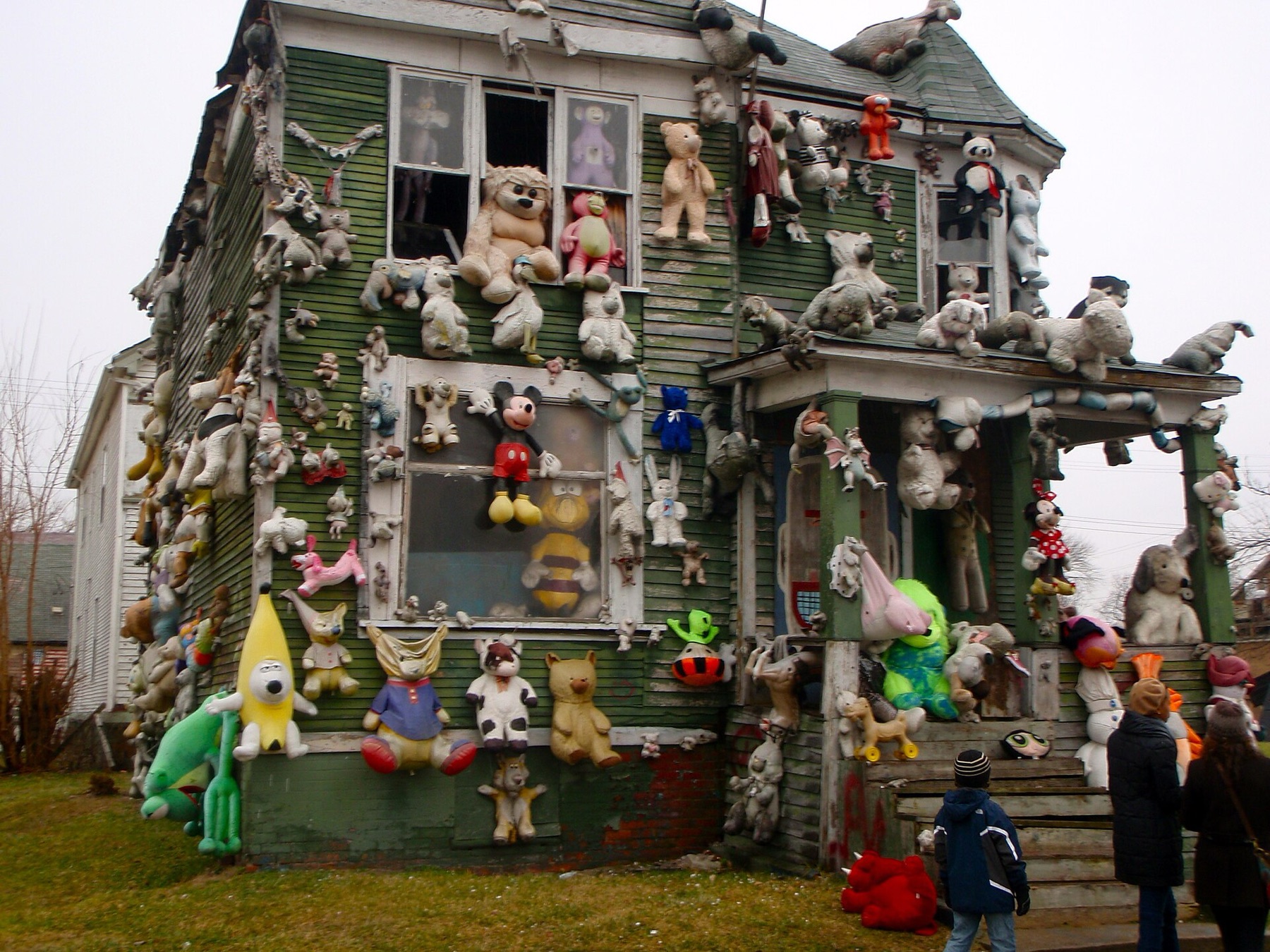
Key Types and Specs: Belly Design, Materials, Size, and Details
How a pregnant stuffed animal is built changes both the look and how safe or durable it feels. Here are the most meaningful variables.
1. Belly Construction Types
Most pregnant designs use one of three belly styles:
| Belly style | How it works | Best for | Watch out for |
|---|---|---|---|
| Hidden compartment with zipper | Belly opens; tiny baby plushies inside | Kids’ play, educational family sets | Zipper pulls, loose baby pieces for under 3 |
| Velcro/flap belly | Fabric flap hides babies or accessories | Cheaper toys, lighter play | Velcro that snags fabric, weaker seams |
| Printed/embroidered pregnant belly | Belly only looks pregnant; no moving parts | Gag gifts, decor, teen/adult collectors | Less interactive for kids |
Inline image idea: one toy with an open zippered belly and tiny babies vs one with a simple printed bump.
If you’re buying for kids, an internal compartment can be great fun but increases the number of small pieces. For toddlers, look for larger baby animals (no marble‑sized pieces) and a zipper with an enclosed pull tab rather than dangling charms.
2. Fabric and Stuffing Quality
Stuffed‑animal guides highlight fabric type, stuffing quality, and construction as main drivers of softness and durability.Plush material tips
Common options you’ll see across marketplaces:
- Short‑pile polyester plush: Standard “teddy” feel. Soft, usually affordable, and durable for everyday play.
- Minky/microfiber plush: Extra‑soft, almost velvety; popular for baby‑adjacent gifts. Nice if the toy will be hugged a lot.
- Cotton or cotton‑blend outer: Sometimes used for more artisanal animals; can feel cooler and less static‑prone.
For pregnant designs, check:
- Belly firmness: Over‑stuffed bellies may feel hard or strain seams. Under‑stuffed bellies can sag and look less “pregnant”.
- Seam reinforcement: The belly seam and compartment opening get the most stress, so double stitching there is a good sign.
3. Size and Proportions
Size affects both gift impact and safety:
- Mini (under ~8″): Cute for adult novelty gifts or desk decor; baby animals inside tend to be tiny, so not ideal for toddlers.
- Standard (10-14″): Good balance for kids and collectors; babies inside can be larger and easier to handle.
- Large (16″+): Big visual impact at showers or in store displays, but heavier and more awkward for very young kids.
For small ecommerce sellers, standard sizes are usually easier to ship and photograph, while a single larger statement piece can anchor a gift bundle.
4. Faces, Accessories, and Embroidery
Details can make a pregnant stuffed animal feel sweet or cheap:
- Eyes and nose: Embroidered features are usually safer for young children than plastic safety eyes, and they won’t fall off or crack.
- Accessories: Mini bottles, bows, or removable clothes add charm but create extra small parts. For any child under 3, simpler is safer.
- Text and embroidery: Phrases like “Mom‑to‑be” or custom names turn the toy into a keepsake. Check product photos to ensure stitching is clean and readable.
Buying Factors and Where DHgate Fits Among Your Options
Before you choose a pregnant stuffed animal—whether for one gift or a small batch for resale—use a quick, product‑specific checklist:
Safety and age fit
General stuffed‑animal safety guidance recommends:
- Keeping plush toys out of sleep spaces for young infants because of suffocation risk.Infant sleep guidance
- Avoiding small detachable parts (tiny babies, buttons, charms) for babies and toddlers.
- Choosing embroidered or firmly attached facial features and checking seams, especially around the belly compartment.Stuffed animal safety basics
Materials and construction
- Read listings for fabric type (poly plush vs minky vs cotton) and stuffing description.
- Sense check photos: does the belly look over‑stressed, or does the toy keep its shape?
- For repeat resale, look for consistent stitching and finish across multiple photos or samples.
Use case alignment
- Baby shower or maternity gag gift: You can prioritize a bold pregnant silhouette and funny wording over interactive baby compartments.
- Kids’ educational play: Choose a compartment style with fewer, larger baby animals and a sturdy closure.
- Collector or niche online shop: Look for unusual species (pregnant fox, dinosaur, etc.) or higher‑end fabrics.
Where DHgate Belongs in Your Search
DHgate’s own toy overview highlights categories like stuffed animals, plush toys, dolls, squishy toys, and other novelty items as part of a wide catalog of cross‑border merchandise.DHgate toy variety context Its blog also showcases variety in specific plush niches such as stuffed bunny rabbits, noting multiple sizes, styles, and aesthetics on the marketplace.Stuffed bunny editorial example
Pregnant stuffed animals, though, are a niche within plush. That means:
- It’s less relevant if you need a specific US or European brand, or strict local compliance labeling for baby products—domestic retailers and specialty toy shops are usually a better starting point there.
If you do decide to explore DHgate for pregnant or family‑themed plush, it’s worth first understanding what DHgate is and how the marketplace works and how to find trusted sellers on DHgate. That way, you can combine the product‑level checks above with sensible seller screening.
For additional DHgate platform context, use Review the DHgate order-readiness checklist.
For small ecommerce businesses, the practical play is to decide the exact pregnant stuffed animal spec you need—belly type, size range, safety profile, and materials—then test searches across both domestic platforms and DHgate. If pregnant designs prove too scarce or inconsistent, you can always pivot to more common “family” plush (parent and baby animals sold together) using the same safety and quality criteria.