
If you’re choosing resonator guitar parts or a DIY kit, your first decision isn’t cone size or body material—it’s what kind of project you’re doing and which type of platform actually fits it. Small-format builds (license‑plate or hubcap guitars), full acoustic or electric resonators, repair parts, and inventory for a micro‑brand all tend to come from different kinds of sites. Once you know whether you need a turnkey kit, a pile of hardware, or a consistent wholesale source, you can match that to a specialist parts store, a DIY kit brand, a musician marketplace, or a general import marketplace.
How Resonator Guitar Parts and Kits Are Sold Across Platforms
Resonator hardware and kits live in a niche corner of the guitar world. You don’t usually find spider bridges and tricone coverplates on big-box general music sites; instead, they’re scattered across a few distinct platform types.
Specialist parts retailers keep dedicated resonator catalogs. For example, C.B. Gitty offers resonator cones, coverplates, and related hardware in a focused section that’s clearly aimed at builders and tinkerers. StewMac’s resonator guitar parts category groups components by instrument, which helps if you’re repairing a traditional resonator rather than building folk art. Aiersi Music runs an online category specifically for resonator guitar and ukulele parts, including tailpieces and coverplates.
DIY kit brands sit next to those parts specialists. Some focus on unconventional builds—C.B. Gitty’s catalog includes compact projects and resonator kits—while others sell more conventional body-plus-hardware kits so you can assemble a full guitar without sourcing individual parts.
Then you have musician marketplaces and general import marketplaces. On musician-focused platforms, individual sellers bundle sets of parts or kits and list them in a peer‑to‑peer marketplace environment. On broader import sites, resonator components show up as another SKU among many, usually aimed at price‑sensitive buyers or small resellers.
Here’s a quick view of what each platform type tends to offer for resonator projects:
| Platform type | Typical resonator offer | Best suited to |
|---|---|---|
| Specialist parts retailer | Individual cones, coverplates, spiders, tailpieces | Repairs, precise upgrades, custom builds |
| DIY kit brand/site | Turnkey kits (body + hardware, sometimes electronics) | First full build, hobby projects, teaching kits |
| Musician marketplace | Seller-made bundles of parts or partial kits | One-off projects, vintage/odd parts |
| General import marketplace | Mass-made parts and occasional full kits | Budget builds, small reselling, cross‑border |
Platform Models for Resonator Kits and Hardware
Different platform types don’t just list different products—they operate differently, which changes how you buy cones, coverplates, and full kits.
Specialist parts catalogs
Parts-focused sites behave like traditional retailers but within a narrow niche. On C.B. Gitty’s resonator parts page, you’ll see cones, coverplates, and associated hardware sold à la carte. This model is ideal if you already have a body or vintage resonator and just need specific components.
StewMac does something similar, but with more emphasis on repair and luthiery. Its resonator guitar parts category is structured by instrument type, which makes it easier to match factory‑style parts to an existing guitar.
Aiersi’s resonator parts category shows another angle: a manufacturer offering tailpieces, cones, and coverplates tied closely to its own instruments, which can matter if you’re standardizing parts for a small line of builds.
DIY resonator kit sites
DIY kit brands essentially package the design work for you. C.B. Gitty’s Reso-Plate 3‑string license‑plate resonator guitar kit is a good example: a small-format, license‑plate build where the body is a metal plate and the kit supplies the resonator hardware and structure.
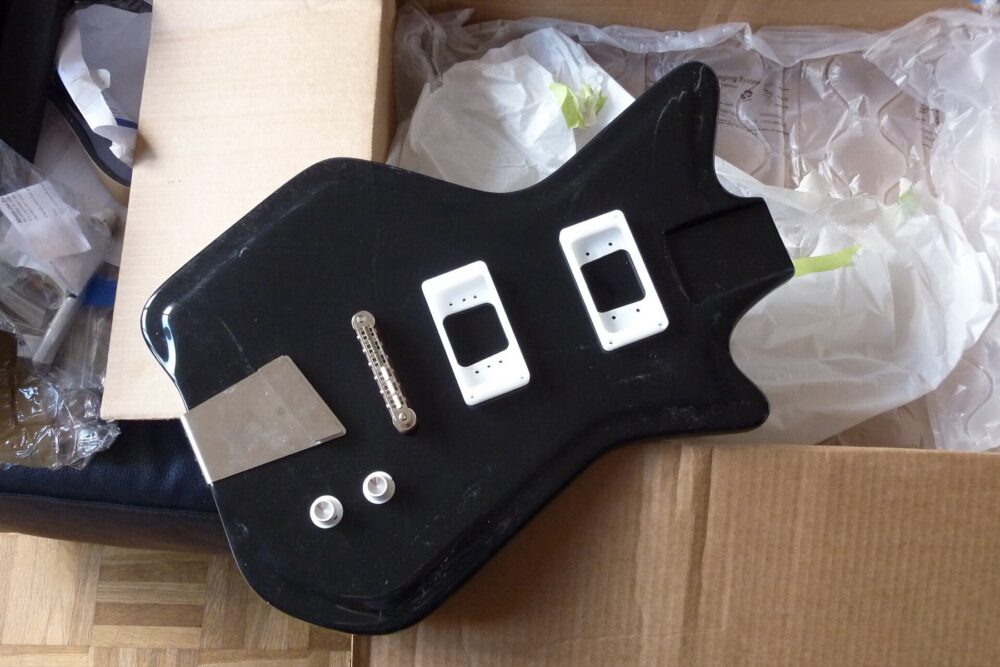
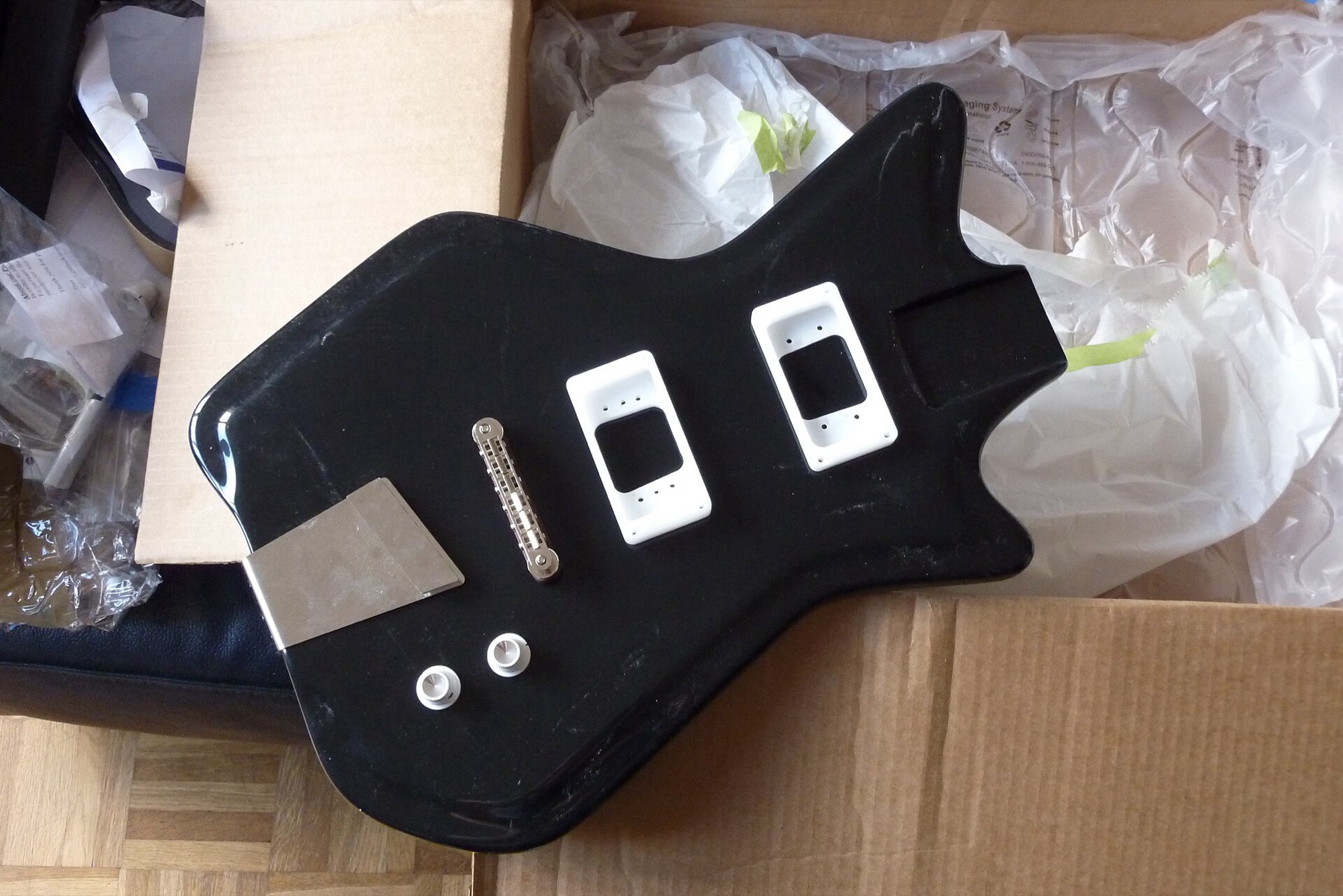
At the more conventional end, GuitarKit.shop’s resonator DIY electric guitar kit bundles a pre‑made body with resonator hardware and electronics. That kind of kit suits someone who wants the resonator look and sound but prefers a predictable assembly process and doesn’t want to design bracing and cavity depths from scratch.
Articles like the GeekChamp piece on a $178 resonator guitar kit and the format breakdown on KeepCalculator’s DIY resonator guitar kits highlight how kits range from sub‑$200 entry builds to more elaborate formats tuned to blues slide playing or bluegrass Dobro‑style work. That affects which platform you pick: blues‑oriented license‑plate or hubcap kits often show up on niche DIY sites, while more traditional square‑neck or round‑neck kits may be listed by brands aiming at bluegrass.
Musician marketplaces
On musician marketplaces, the platform mostly provides the venue and payment rails; individual sellers decide how to bundle resonator parts. A listing like the resonator guitar kit on Reverb that includes coverplate, spider bridge, tailpiece, cones, and a slotted bridge shows how a single seller can assemble a ready-to-install hardware set.
This model is helpful if you want a complete hardware package for a scratch build but don’t care about a provided body. It can also surface vintage or discontinued parts that don’t show up in modern catalogs. The trade‑off is variability: every listing has its own specs, and you’re buying from individuals or small shops rather than a centralized parts brand.
General import marketplaces
General import marketplaces host a large number of third‑party sellers, including factories and trading companies that may list resonator hardware or full kits among many other products. These platforms tend to emphasize breadth and price over specialization.
For a US hobbyist or small ecommerce seller, the appeal is obvious: you might find budget cones, coverplates, or even complete resonator kits that undercut domestic retail prices, especially at small-batch or wholesale quantities. The downside is that resonator gear is just one niche among thousands, so product descriptions, documentation, and musician‑centric support can be thin.
If you’re considering this route, it’s worth understanding how a given marketplace works at a platform level. Our overview of online marketplaces and shopping platforms and the explainer on what DHgate is and how the marketplace works can help set expectations before you move niche instrument buying into a general import environment.
Choosing the Right Platform for Your Resonator Project
To actually pick a channel, start with the project type, then match it to a platform.
Scenario 1: Hobbyist building a first resonator
If you’re doing a first build and want something fun rather than perfectly traditional, small-format kits are your friend. The Reso-Plate kit from C.B. Gitty is a contained three‑string project; hubcap or license‑plate builds highlighted in DIY kit articles often sit in approachable price territory, which keeps the risk low.
For a more guitar‑like feel, a full kit like the resonator DIY electric guitar kit from GuitarKit.shop gives you a body plus hardware and electronics, so you’re mostly bolting and soldering rather than designing. In both cases, buying direct from the kit brand simplifies support and reduces the chance of mismatched parts.
Scenario 2: Upgrading or repairing an existing resonator
If you already own a resonator and want to change tone or fix damage, specialist parts catalogs are usually the safest starting point. StewMac’s grouped resonator hardware or C.B. Gitty’s cones and coverplates make it easier to cross‑reference dimensions, and Aiersi’s resonator parts category is useful if your instrument is from that maker and you want like‑for‑like replacements.
A musician marketplace like Reverb becomes interesting if you’re chasing a specific vintage‑style cone or a bundle that matches an older design, but you’ll spend more time comparing individual listings.
Scenario 3: Small ecommerce seller or micro‑brand
If you’re a small US shop thinking about stocking resonator hardware or offering your own builds, you’ll probably mix channels:
- Use specialist catalogs (C.B. Gitty, StewMac) for predictable quality on critical parts like cones and spiders.
- Explore manufacturer catalogs like Aiersi’s for consistent supply if you want to base your builds around a single parts family.
- Look at musician marketplaces to source occasional unusual parts that differentiate your inventory.
- Consider general import marketplaces if you’re price‑sensitive, experimenting with low‑cost hardware, or need volume at margins that domestic niche brands can’t hit.
When you move into small reselling, it also helps to think about how you bundle and order parts, even without naming specific minimum order quantities:
| Buyer type | Useful platform mix | Practical ordering approach |
|---|---|---|
| Hobbyist occasional seller | Parts retailers + musician marketplace | Order small sets, bundle into 1-2 complete kits |
| Dedicated kit micro‑brand | DIY kit brands + manufacturer catalogs | Standardize on a few formats, reorder consistently |
| Hardware-focused reseller | Specialist retailers + general import marketplaces | Buy core parts domestically, experiment with imports |
Focusing on repeatable bundles (for example, a cone + coverplate + spider + tailpiece set) makes it easier to manage stock and list clear products, regardless of the platform you source from.
How kit format influences platform choice
The KeepCalculator guide on resonator kit formats points out that different builds favor different genres: compact, folk‑art resonators often lean toward raw blues slide playing, while more formal square‑neck or round‑neck kits better suit bluegrass. Combine that with the GeekChamp analysis of a resonator kit around the $178 mark and you get a practical rule of thumb:
- If you want genre‑specific tone and playability, look to DIY kit brands and musician marketplaces, where format choices are clearer and often described in musical terms.
- If you’re experimenting cheaply or building decorative instruments, general import marketplaces and low‑cost kits can be fine.
- If you’re chasing predictable performance for gigging, stick to parts specialists and established kit brands, even if the headline price is higher.
Matching your resonator project to the right platform is less about loyalty to a single site and more about choosing the selling model that fits how much design control, support, and price flexibility you actually need.