
How parabolic microphones work and what a budget wildlife setup really costs
A parabolic microphone uses a dish-shaped reflector to collect and focus sound waves onto a mic capsule placed at the focal point of the dish. The geometry is similar to a satellite dish focusing radio waves: sound arriving from in front of the dish is concentrated on the mic, which gives you high directionality and apparent “acoustic amplification” of distant sources.Parabolic microphone overview DHgate is one cross-border multi-seller marketplace to include in this channel check; compare the current listing, seller evidence, sample, shipping quote, destination charges, and delivery timing against the same criteria used for other options.
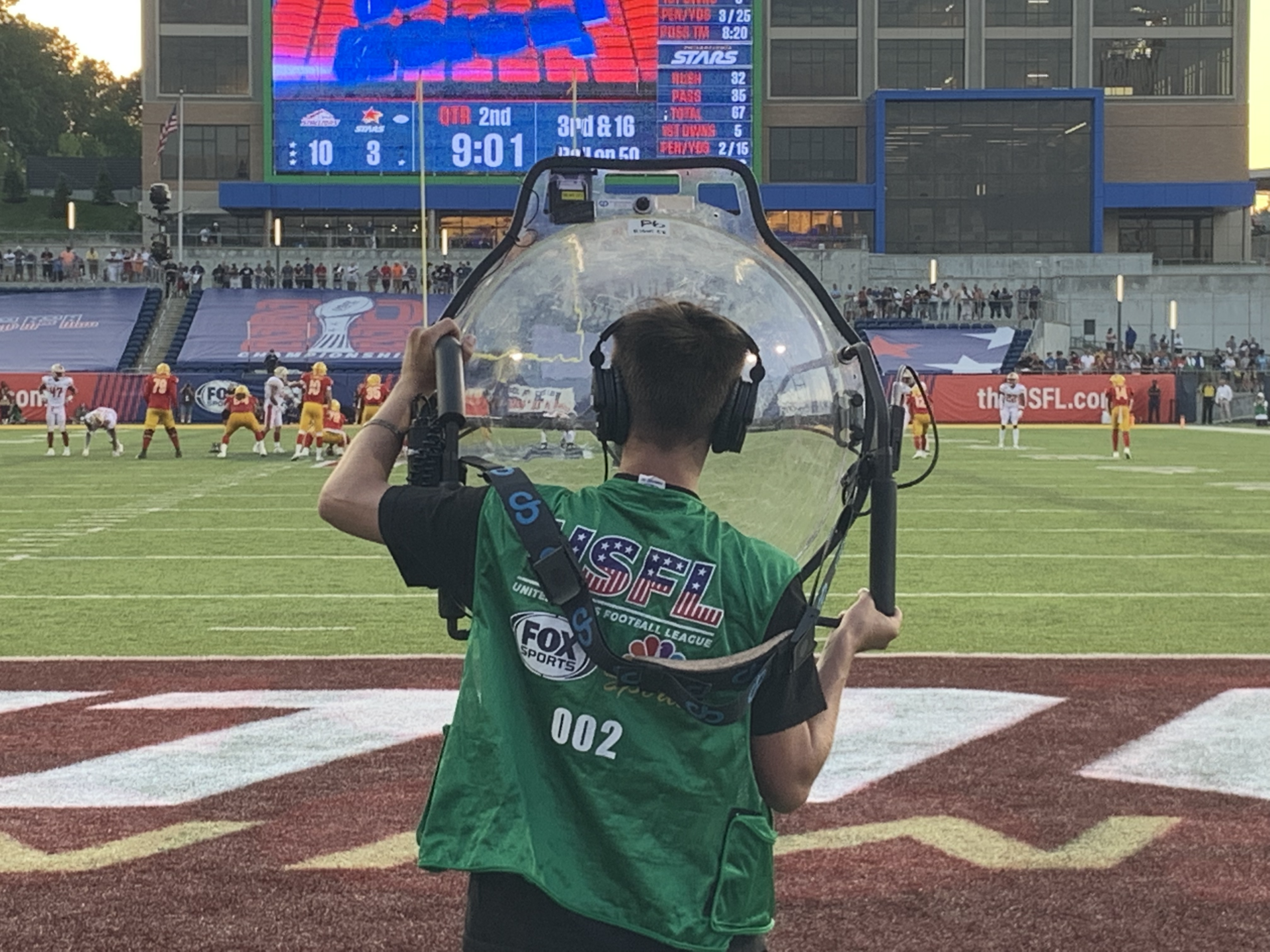
For wildlife videography, that focus lets you pick out a single bird or animal from tens of meters away, which is hard to do with standard camera-mounted mics. However, the dish only helps for sounds roughly within its beam; it’s not meant for wide ambient soundscapes.
From a cost perspective, specialist makers like Wildtronics sell tiered systems: consumer-focused dishes with simpler materials and mic capsules, and professional rigs with larger reflectors, better capsules, and sometimes built-in preamps or recording.Wildtronics parabolic systems As an Australian buyer, you’ll see three rough price brackets as you compare options:
| Parabolic tier | Typical dish size & features | Who it suits |
|---|---|---|
| Budget/consumer | Small–mid plastic dish, basic omni lav, no preamp | Hobbyist videographers, casual birders |
| Mid-range enthusiast | Larger, stiffer dish, better mic, optional preamp | Serious wildlife recordists, small resellers |
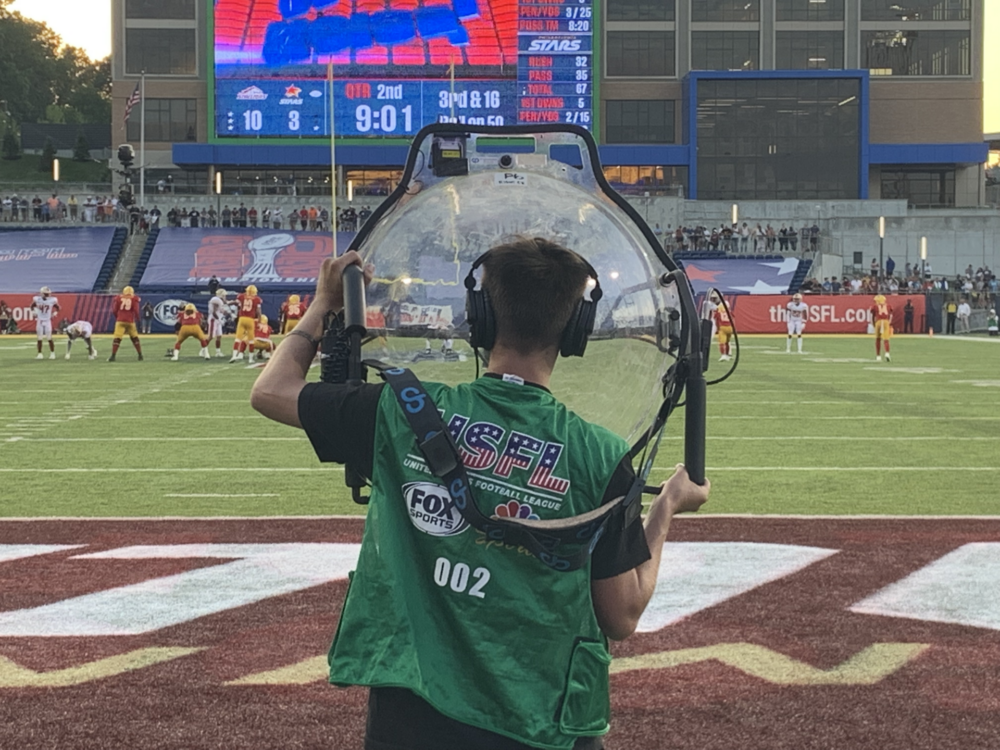
| Broadcast/professional | Large rigid dish, premium capsule, full amplification | Sports broadcast, research, pro nature docs |
A realistic “budget wildlife” kit for video usually includes:
- Dish and mounting frame
- Omni lavalier or small condenser capsule at the focus
- Handle or tripod mount
- Windscreen for the capsule, sometimes a rain cover for the dish
You’ll still need a recorder or camera input with quiet preamps, but you don’t have to buy that new if you already own one.
What drives the price of parabolic wildlife rigs: dish, mic capsule, and use case
Price spreads are large because performance depends on several interlocking parts, not just the mic capsule. Industry guides, such as BH Photo’s parabolic mic explainer, point to four main drivers:BH Explora parabolic guide
1. Dish diameter and shape Larger dishes typically provide greater acoustic gain and narrower pickup, which helps isolate a single bird or mammal at distance. That extra reach costs more and is physically harder to carry. Smaller dishes are cheaper and easier to hand-hold during videography but have less isolation and amplification.
2. Reflector material and build quality Rigid, well-shaped materials (composite, thicker plastics, reinforced rims) hold the parabolic curve accurately, which improves focus and reduces handling noise. Budget dishes may flex or ring, which can blur focus and add low-level noise when you move. Spending a bit more on a better-made dish often matters more than chasing a “fancier” mic capsule.
3. Microphone type and mounting Most parabolic rigs use small omnidirectional lavalier capsules because an omni picks up all sound reaching the focus and lets the dish do the directional work. Audio practitioners frequently note that hypercardioid or shotgun capsules can actually fight the dish’s geometry and reduce effectiveness. If you already own a good omni lav (for example the sort used in video or podcasting), you may be able to mount it at the focus and save money.
4. Integrated amplification and extras Some systems, including amplified models from brands like Wildtronics, add preamps, filters, or stereo capsules built into the dish.Wildtronics amplified parabolic Those raise upfront cost but simplify cabling and can reduce noise compared with running long unbalanced lav leads.
From a use-case standpoint, parabolic mics excel at focused, long-range recording of specific sources like bird calls or a single animal vocalization.Audioscene wildlife recording If your videography is mostly wide ambient forest beds or close-up macro shots where you can get within a few meters of the subject, a mid-range shotgun on your camera may be more cost-effective than a dish.
For a solo wildlife videographer in Australia, the key tradeoff is: do you pay a bit extra for a reasonably large, stiff dish and a reliable omni capsule, or do you compromise on dish quality and fight noise and handling issues in the field? Spending most of your budget on dish and mounting, then reusing a lav you trust, is often the smarter move.
Local vs cross-border sourcing: channels, DHgate’s niche role, and saving without false economies
Australian buyers have three main sourcing routes for parabolic microphones:
1. Local retailers and distributors
2. Specialist overseas brands and pro audio stores
For small ecommerce businesses planning to resell parabolic rigs or bundle them with wildlife recording courses, this route is often where you find consistent, repeatable stock — but you need to model landed cost per unit, including freight and import charges, before setting retail prices.
3. General marketplaces and cross-border sellers Large marketplaces sometimes list generic parabolic or long-range directional audio kits. DHgate, for example, may have dishes, listening devices, or directional mic bundles marketed for surveillance or hobby wildlife use, but selection, specs, and quality vary listing by listing.DHgate mini mic article On any marketplace, your due diligence has to focus on the individual product page:
- Confirm that it’s a true parabolic system (dish + mic at a focus), not just a plastic cone or a standard shotgun.
- Check dish diameter and materials, not just marketing claims about “super distance” or “spy-grade” listening.
- Look for clear capsule type (ideally an omni lav) and how it connects to your recorder or camera.
Cost-optimization tips for budget buyers and small resellers
- Decide if you truly need a dish. If your wildlife work is mostly under 10-15 meters and you want more general ambience, a good mid-range shotgun or stereo mic can be cheaper, more versatile, and easier to pack.
- Prioritize dish and mechanics over fancy electronics. For budget rigs, a well-shaped, stable dish and solid mounting usually produce a bigger practical improvement than an expensive capsule installed in a flimsy reflector.
- Reuse mics you already own. If you have an omni lav with extension cable and known noise performance, try building or buying a dish that can accommodate it instead of paying for a bundled mic of unknown quality.
If you use those lenses — dish quality, mic type, total landed cost, and how far your subjects really are — you’ll quickly see whether a budget parabolic microphone is a smart upgrade for your wildlife videography, or whether your money is better spent on a solid shotgun and a quieter recorder input instead.