
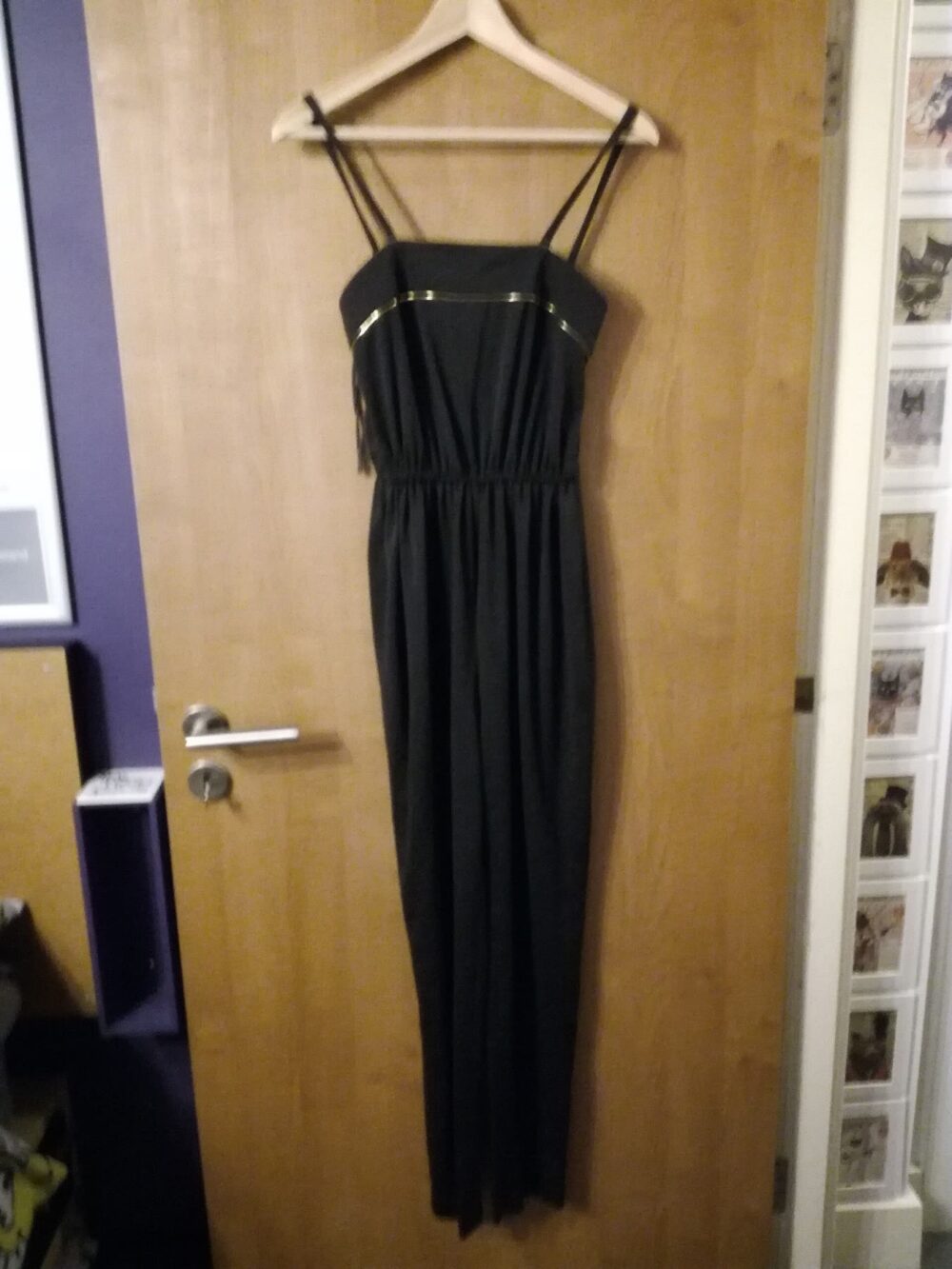
Vintage men’s jumpsuits and overalls mostly show up in three online buckets: curated vintage shops, peer resale markets, and big marketplaces selling either secondhand or vintage‑style workwear. Boutique sites such as Kitsch Vintage and Motley Vintage focus on true vintage pieces, while resale platforms like Etsy and Grailed mix genuine era items with modern reproductions. Large marketplaces and retailers (for example, Walmart’s “vintage overalls” listings) often use “vintage” as a style term for new garments. DHgate is one more marketplace route for men’s jumpsuits and overalls, but you need to treat each listing as a separate claim about whether the garment is actually vintage.
How Online Platforms Actually Handle Vintage Men’s Jumpsuits and Overalls
Overalls started as functional protective garments worn over other clothing and have since become mainstream fashion pieces, so you’ll find vintage and vintage‑inspired stock across both workwear and fashion platforms. The same goes for men’s jumpsuits: originally utilitarian one‑piece garments, now reinterpreted as everything from retro disco outfits to streetwear boiler suits.
Online, the word “vintage” is used in three different ways:
- True vintage: older, previously owned garments from past decades, sold secondhand. A 1970s denim bib overall or a 90s workwear jumpsuit falls here.
- Vintage‑inspired: new pieces cut to look retro – think 70s jumpsuit silhouettes or railroad‑stripe overalls made today.
- Generic workwear marketed as vintage: durable overalls and coveralls presented with heritage styling, but not necessarily from a past era.
Curated sites like Kitsch Vintage and Motley Vintage label their jumpsuits/overalls collections explicitly as vintage, but they still rely on the shop’s knowledge and description rather than a universal authenticity standard. On Etsy, you’ll see many men’s 1970s jumpsuit listings tagged by individual sellers; on Grailed, “vintage” designer overalls and jumpsuits appear in brand‑specific and generic vintage categories. Mass retail sites, including Walmart’s vintage overalls category, generally feature new garments where “vintage” describes the look, not the age.
Platform Types for Sourcing Vintage Jumpsuits and Overalls
Different platform models handle this niche in very different ways.
1. Curated vintage boutiques
Specialist vintage shops behave more like online galleries. Kitsch Vintage’s jumpsuits/overalls collection and Motley Vintage’s similar section each show a tightly edited set of men’s and unisex pieces presented as vintage workwear or fashion.
For a US buyer or small reseller, these shops are useful when you want:
- Clear photography and styling that highlights details (labels, hardware, fades).
- A smaller, curated selection instead of endless search results.
They often price like specialty retail, not flea‑market finds, but curation can save time if you’re hunting for specific aesthetics, like 80s mechanic coveralls or 70s one‑piece suits.
2. Peer-to-peer and resale marketplaces
Platforms such as Etsy and Grailed sit between classifieds and stores. Individual sellers list pieces, set their own prices, and describe the era.
On Etsy, the men’s 1970s jumpsuits search surface many listings for disco, safari, and utility jumpsuits tagged “70s” and “vintage” by sellers. On Grailed, the vintage overalls/jumpsuits category mixes no‑name workwear with branded pieces and designer jumpsuits.
Peer markets are strong for:
- Unique one‑offs: deadstock coveralls, niche workwear labels, odd size runs.
- Era‑specific sourcing: searching “70s jumpsuit” or “90s denim overalls” and filtering by size.
- Small‑scale resale: you can buy in ones and twos, test styles in your store, and adjust quickly.
The trade‑off is inconsistency. Two sellers can use “vintage” very differently, so you need to read descriptions closely and look for label shots, fabric tags, and any mention of repairs or alterations.
3. Mass retailers and general marketplaces
General marketplaces and retailers are where vintage‑style and generic workwear dominate.
Walmart’s “vintage overalls” results illustrate this pattern: you’ll see overalls labeled “vintage” or “retro” that are typically new items. Some mimic classic railroad stripes or faded washes associated with older workwear, but they are sold as current production.
Fashion‑forward sites like Harmony Gallery’s men’s overalls and jumpsuits section highlight overalls and jumpsuits as style pieces: wide‑leg overalls, cargo details, and boiler suits that feel vintage‑inspired rather than archival.
This channel fits best if you:
- Want new garments with retro styling and consistent sizing.
- Need repeatable stock for a small ecommerce shop (reordering the same SKU).
- Care more about aesthetic than exact decade provenance.
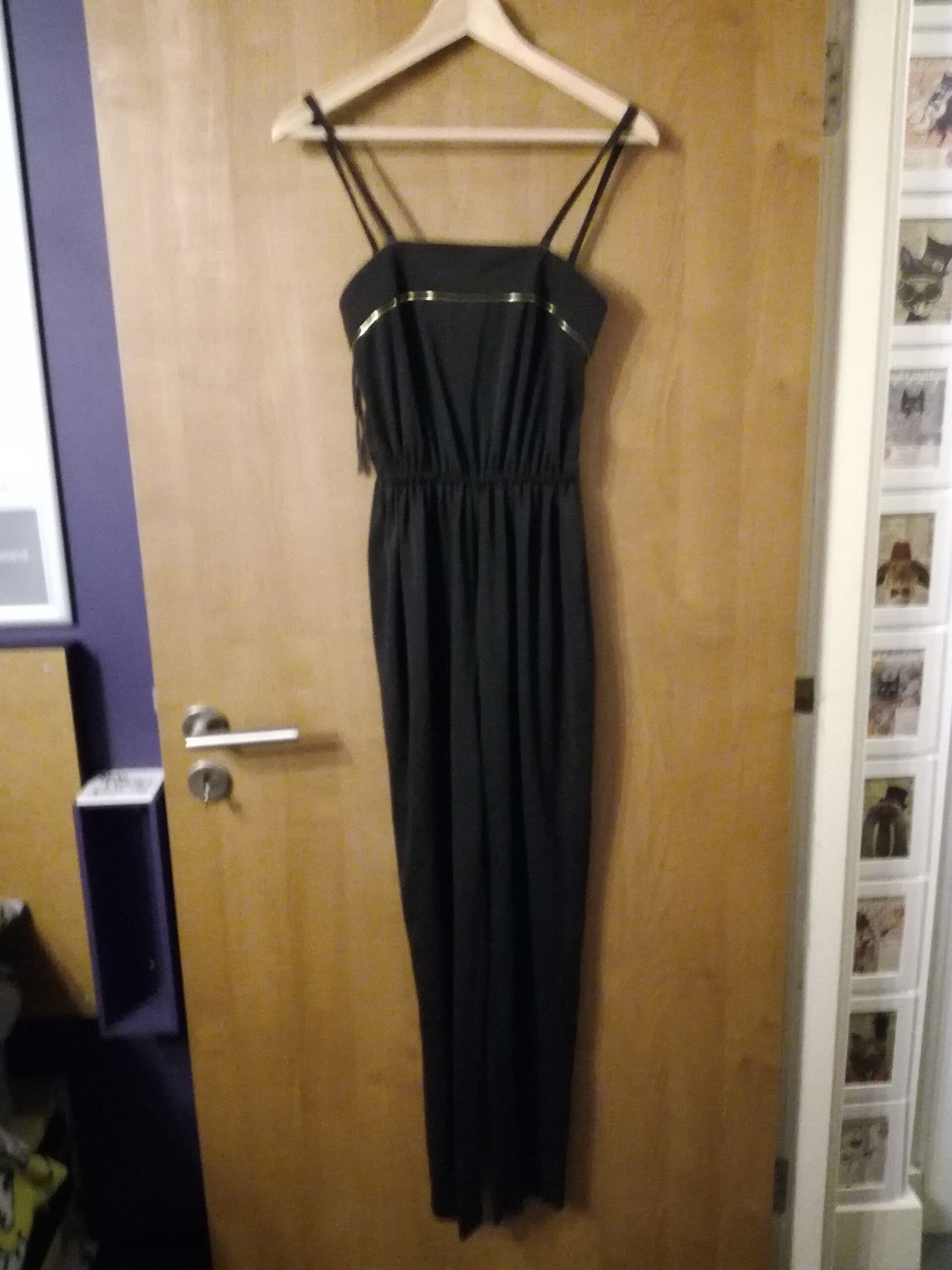
Comparing Channels on Cost, Scale, and Buyer Protection
Below is a simplified comparison of platform routes for US buyers and small resellers.
| Channel type | Typical stock for this niche | Cost/scale fit | How you actually protect yourself* |
|---|---|---|---|
| Curated vintage boutiques | True vintage jumpsuits/overalls, hand‑picked collections | Higher per piece; low volume; good for statement items | Check photos for labels/wear, compare descriptions across sites, start with a single test order. |
| Peer resale (Etsy, Grailed) | Mix of true vintage and vintage‑inspired, era‑tagged listings | Wide price range; easy to buy 1-5 pieces | Read seller descriptions, examine label/fabric shots, favor sellers with detailed condition notes. |
| Mass retail/marketplaces (Walmart, fashion sites) | Mostly new vintage‑style workwear and fashion jumpsuits | Lower cost per unit; repeatable SKUs; scale‑friendly | Confirm items are new or secondhand in listing text; check size charts and return options seller by seller or brand by brand. |
\*This is about your own checks, not platform‑wide guarantees.
For hobby buyers, curated boutiques and peer resale markets are the fastest path to genuinely old garments with character. If you’re building a small resale business, mixing channels often works best: use boutiques and peer platforms for standout pieces, then layer in new vintage‑style overalls from mass retailers or fashion sites for fill‑in sizes.
Cross‑border marketplaces sit closest to the mass‑retail/marketplace column. DHgate, for example, is a large marketplace where independent sellers can list men’s denim overalls, workwear coveralls, or fashion jumpsuits alongside many other garments. DHgate’s own blog content highlights brands like Levi’s, Carhartt, Dickies, Wrangler and ASOS DESIGN as strong options for men’s denim jumpsuits and overalls, but that editorial context doesn’t mean any specific DHgate listing is authentic vintage or official brand stock. If you look at cross‑border marketplaces for this niche, treat every listing individually: read the title carefully for “vintage” vs “vintage‑style,” look for brand tags in photos, and decide whether the seller’s description matches what you need for personal wear or resale.
If you’re comparing marketplace mechanics more broadly before choosing a sourcing route, it can help to zoom out beyond this specific product category. Guides like online marketplaces and shopping platforms and this overview of how DHgate works as a marketplace give platform‑level context, and DHgate vs AliExpress, Alibaba and Temu can help you place cross‑border marketplaces in your overall sourcing mix.
For both hobbyists and resellers, the practical decision is simple: if you care about real age and patina, start with boutiques and peer resale; if you care about consistent sizing and reorderable stock, lean into vintage‑style overalls and jumpsuits from fashion and workwear platforms, and treat any marketplace listing — including DHgate — as a claim that you personally have to verify.