
If you’re trying to buy “homemade” chili sauce online — whether for your own pantry or to resell in a small shop — you’re really choosing between a few platform types. US buyers typically use large retail marketplaces (like Amazon or Walmart’s sites), specialty hot‑sauce shops, grocery and delivery apps, local channels such as farmers markets or restaurants selling their own sauce, and wholesale or cross‑border marketplaces.
Each route handles volume, price, and risk differently. Large marketplaces are convenient and variety-rich, specialty shops curate hard‑to‑find bottles, local channels feel closest to true homemade, and wholesale platforms are about bulk and margins rather than individual jars.
How Online Platforms Handle “Homemade” Chili Sauce
On consumer sites, “homemade chili sauce” almost never means something mixed in someone’s home kitchen and mailed in a mason jar. It usually signals small‑batch, artisanal, or homemade‑style production: branded sauces made in a commercial or cottage‑food setting that feel closer to a family recipe than a mass market brand.
Recipe blogs like Cup of Yum’s homemade chili sauce and MomsBestRecipes’ chili sauce show the core idea: tomatoes or peppers plus vinegar, aromatics, and spices, adjusted from mild and sweet to sharp and fiery. In the retail world you’ll see that same spectrum applied to many styles:
- Hot sauce – thin, vinegary, high‑heat sauces used as table condiments.
- Sriracha and garlic chili sauces – thicker, garlicky, slightly sweet.
- Sambal and chili pastes – chunkier, often less acidic, used in cooking.
- Chipotle and smoked sauces – emphasizing smoke and depth.
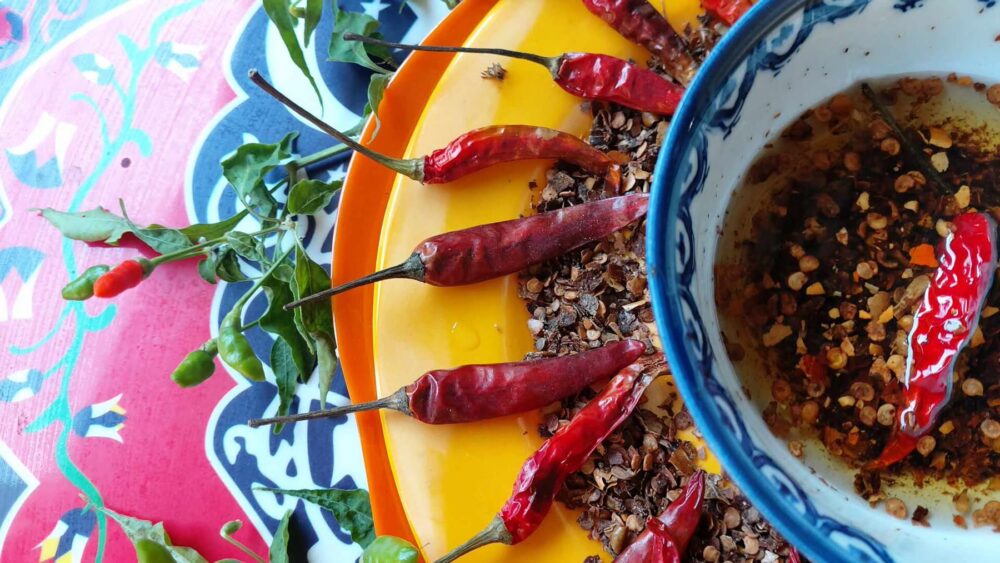
- Chili oil – oil infused with dried chilies for stir‑fries and noodles.
Online platforms don’t group everything under “homemade chili sauce”; they tag by cuisine (Mexican, Korean, Indonesian), format (sauce vs. paste vs. oil), and sometimes heat level. As a buyer, you’re really deciding which platform type gives you the mix of flavor, origin, and volume you need.
Platform Types and Operating Models for Chili Sauce
Homemade‑style chili sauces are sold through several distinct platform models. They feel similar from the buyer side, but they operate very differently behind the scenes.
1. Big retail marketplaces
Retail marketplaces like Amazon USA or Walmart’s site are the default route for many US buyers. If you search “chili sauce” on Amazon, you’ll see pages of options: everything from Asian chili garlic sauces to Mexican salsas and branded “hand‑crafted” or “artisanal” hot sauces, along with mainstream grocery staples highlighted in lists like “Top 10 Best Chili Sauces to Buy on Amazon USA”.
How they operate:
- Many individual brands and resellers list products side‑by‑side.
- Fulfillment may be handled by the platform or the seller.
- You buy by the bottle or small multipacks; bulk cases are available but not the focus.
These marketplaces are strong on variety and convenience. For true homemade‑style sauce, you’ll need to read descriptions to distinguish mass‑produced brands from smaller producers that emphasize artisanal or small‑batch manufacturing.
2. Specialty hot‑sauce and chili shops
Specialty hot‑sauce websites curate focused catalogs: only spicy condiments, often organized by Scoville heat, flavor profile, or regional origin. Community discussions such as the r/spicy threads on European chili‑shop options show similar niche platforms exist outside the US as well.
How they operate:
- Often run by chili enthusiasts or small businesses.
- Carry limited, curated lines including micro‑brands and house‑made sauces.
- Ship retail quantities, but may be open to wholesale or case pricing on request.
This route suits buyers hunting for distinctive or high‑heat sauces that general marketplaces rarely stock, and small ecommerce sellers who want unique SKUs rather than commodity brands.
3. Local/food channels: grocery, farmers markets, restaurants
For genuinely homemade‑style sauce, local food channels still matter a lot. A DHgate blog overview of green Mexican sauce buying notes several common paths that apply broadly to chili sauces: Mexican or specialty grocery stores, gourmet stores, farmers markets, and restaurants that bottle their own sauce.
How they operate:
- Grocery and gourmet stores: shelf space for branded sauces, sometimes local producers.
- Farmers markets: direct sales from small producers, often with tasting and origin stories.
- Restaurants: some sell their signature sauce in bottles or jars to take home.
Online, these channels sometimes show up via grocery delivery apps or the restaurant’s own web shop, but many still rely on in‑person sales. For personal buyers this is the most likely place to get a sauce that genuinely feels like it was made in a small kitchen, not a national factory.
4. Wholesale and cross‑border marketplaces
Wholesale marketplaces and cross‑border platforms focus on volume and sourcing relationships rather than single bottles. This category includes B2B platforms where manufacturers and trading companies list sauces, pastes, and related ingredients for case or pallet orders.
How they operate:
- Suppliers list product types, typical order quantities, and target regions.
- Buyers negotiate price, packaging, and labeling directly with suppliers.
- Food products may be shipped internationally, which triggers import and compliance questions.
This route is mainly relevant for small ecommerce brands or grocers looking to stock chili sauces, not for someone wanting one or two jars for home.
Quick View: Platform Types vs. Buyer Profiles
| Platform type | Best for personal use | Best for small ecommerce/resale |
|---|---|---|
| Big retail marketplaces | Easy one‑off buying, variety, gift packs | Test demand with existing brands, low setup effort |
| Specialty hot‑sauce sites | Unique flavors, chili‑enthusiast selections | Distinct SKUs, curated brands, possible case orders |
| Local grocery / farmers markets | Most “homemade” feel, local producers | Hyper‑local resale, co‑branding with local makers |
| Wholesale / cross‑border platforms | Not ideal for one‑off home purchases | Bulk sourcing, private label, margin optimization |
The right platform type changes once you cross the line from tasting to trading.
Comparing Routes: Personal Buying vs. Small‑Batch Sourcing
For US consumers and small ecommerce sellers, the decision usually comes down to four questions: volume, flavor/uniqueness, logistics, and compliance.
Personal chili‑sauce fans
If you’re stocking your own pantry, retail marketplaces and specialty sites are the most straightforward:
- Retail marketplaces: fast to search, lots of reviews, big brand and small‑brand options in one place. Lists like Amazon’s chili‑sauce best‑seller pages show what many buyers are actually choosing.
- Specialty hot‑sauce shops: narrower catalog, but deeper into very hot, regional, or experimental sauces that give you more variety across styles like sambal, sriracha, or chili oil.
- Grocery delivery platforms: often mirror your local store’s shelf, which means practical everyday sauces rather than niche imports.
Local farmers markets or restaurant‑bottled sauces are the closest analog to home kitchen batches. If the exact sauce matters more than convenience, sourcing in person and then using online re‑ordering (if the producer offers it) gives you a mix of trust and repeatability.
Small ecommerce sellers and micro‑brands
If you’re planning to resell homemade‑style chili sauces, your platform choice has more moving parts.
- Starting small: Buying retail cases via major marketplaces or specialty sites is a way to test demand without dealing with import logistics. You’ll usually be reselling branded product as‑is.
- Local partnership: Working directly with a farmers‑market producer or restaurant can give you an exclusive sauce, but you’ll need to check how — or if — they’re licensed to sell beyond direct customers.
Whichever sourcing route you choose, food products carry extra obligations. US and state rules often govern how sauces can be produced, bottled, labeled, stored, and sold — especially if you imply that they’re homemade or artisanal. If you plan to resell:
- Confirm how the sauce is produced (commercial kitchen, certified facility, cottage‑food operation).
- Check labeling for ingredients, allergens, and origin, and verify what’s required in your jurisdiction.
- Be realistic about import complexity if you move beyond domestic suppliers.
For most very small sellers, it’s simpler to begin with domestically produced, clearly branded sauces bought through retail or specialty platforms, then graduate to wholesale or cross‑border marketplaces once you understand your customers and have a handle on regulatory requirements.
If you later consider a cross‑border marketplace more deeply as part of your sourcing mix, broader platform guides such as Compare online marketplaces and shopping platforms and Compare DHgate with AliExpress, Alibaba and Temu can help you position it against other options.