
You can buy solid solar string lights in Canada for roughly CAD $25–$80 per strand. On the lower end, shorter mini‑LED fairy strings sit around that $25 mark, while mid‑length decorative strands and more rugged globe or Edison‑style lights often land in the CAD $40–$80 range at large retailers. The smartest spend is matching what you pay to what you actually need: coverage (length and bulb count), weather resistance for your climate, and how “premium” the bulbs and housings really are.
For a single patio or balcony, a good rule of thumb is one strand in the CAD $30–$60 band. For a small backyard or a micro‑reseller starter pack, budgeting CAD $50–$100 per two to three mid‑grade strands is realistic. You’ll see Sunforce and similar brands marketed around these levels, but the value difference comes less from the logo and more from build quality, panel/battery size, and outdoor durability.
What Solar String Lights Cost in Canada: Breaking Down the Price
Canadian listings make it clear there is a wide but predictable spread.
At big‑box and national chains, basic solar string lights with many small LEDs are typically the entry point. For example, mini‑LED strands from brands like Lumabase on Home Depot Canada and similar multi‑LED strings at Best Buy Canada often sit around the mid‑20‑dollar range. These usually give you a long wire with 50-100 tiny LEDs, a compact integrated solar panel, and a few lighting modes.
Decorative globe and Edison‑style strings cost more. Hampton Bay’s solar globe strands on Home Depot Canada and similar brands often fall in the CAD $40+ territory for a 20‑foot run with about 10-30 bulbs. You’re paying for the larger lenses, more substantial housings, and usually better hardware for mounting the solar panel.
Longer mid‑range strings (around 30-44 ft with 30-100 LEDs) are widely offered and often land between those two tiers. A 44‑foot solar string product at Canadian specialty retailer VPO is an example of this mid‑priced band: long coverage, many LEDs, and an integrated solar panel in a still budget‑friendly package.
From a cost‑structure standpoint, your ticket price reflects a few main components:
- Bulbs and wire: more bulbs and heavier wire cost more, but mini LEDs are cheap compared to large globes.
- Solar panel and battery pack: bigger panels and batteries support more runtime and brighter light, and they push the strand into the mid‑ and upper price bands.
- Outdoor hardware: stakes, clips, and housings strong enough for snow, ice, and wind add material cost.
- Controls and modes: remotes, multi‑mode controllers, and sensors are inexpensive individually, but they usually indicate a higher‑spec product overall.
Price and feature tiers at a glance
| Tier & typical spend (CAD) | Common length & style | Durability profile | Best fit |
|---|---|---|---|
| Value (≈ $20–$30) | 30-72 ft mini‑LED fairy strings | Basic water resistance, more fragile parts | Seasonal decor, low‑risk areas |
| Mid‑range (≈ $35–$60) | 30-44 ft, 30-100 LEDs or small globes | Better waterproofing, sturdier housings | Patios, decks, year‑round home use |
| Premium (≈ $60–$80+) | 18-30 ft Edison/globe, smart sets | Shatter‑resistant bulbs, robust hardware | Statement lighting, small commercial use |
These aren’t rigid categories, but they mirror what you’ll see browsing Canadian listings.
Why Some Solar Strings Are Cheaper Than Others: Key Budget Tradeoffs
Two strands can both say “solar decorative lights” and still behave very differently once you hang them outside. Here’s what typically drives the price gap between CAD $25 and CAD $80, and what that means in real use.
1. Length and bulb style
A 72‑foot fairy string with 200 tiny LEDs is often cheaper than a 20‑foot strand with 12 big Edison‑style bulbs. Editorial and retail examples show that premium globe/Edison strings with 10-20 bulbs tend to sit above basic mini‑LED strands in price, even if the total light output is similar.
Use case:
- Tight balcony rail or small pergola: a shorter Edison/globe strand is worth the spend for a café‑style look.
- Wrapping trees and fences on a budget: a long mini‑LED fairy string gives more coverage per dollar.
2. Panel and battery quality
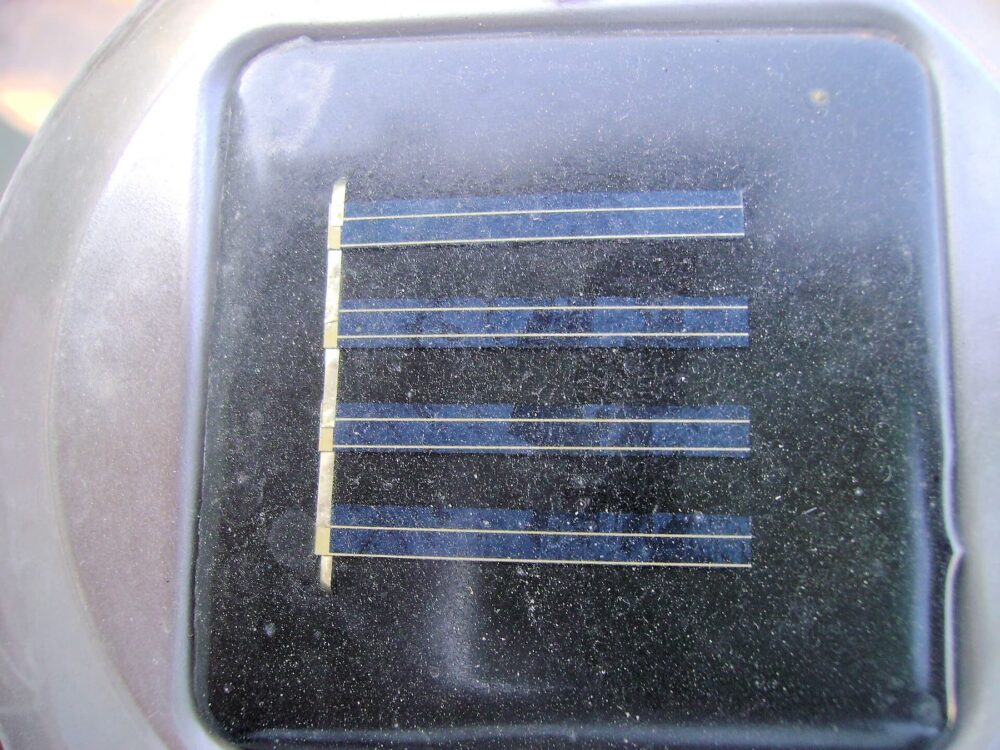
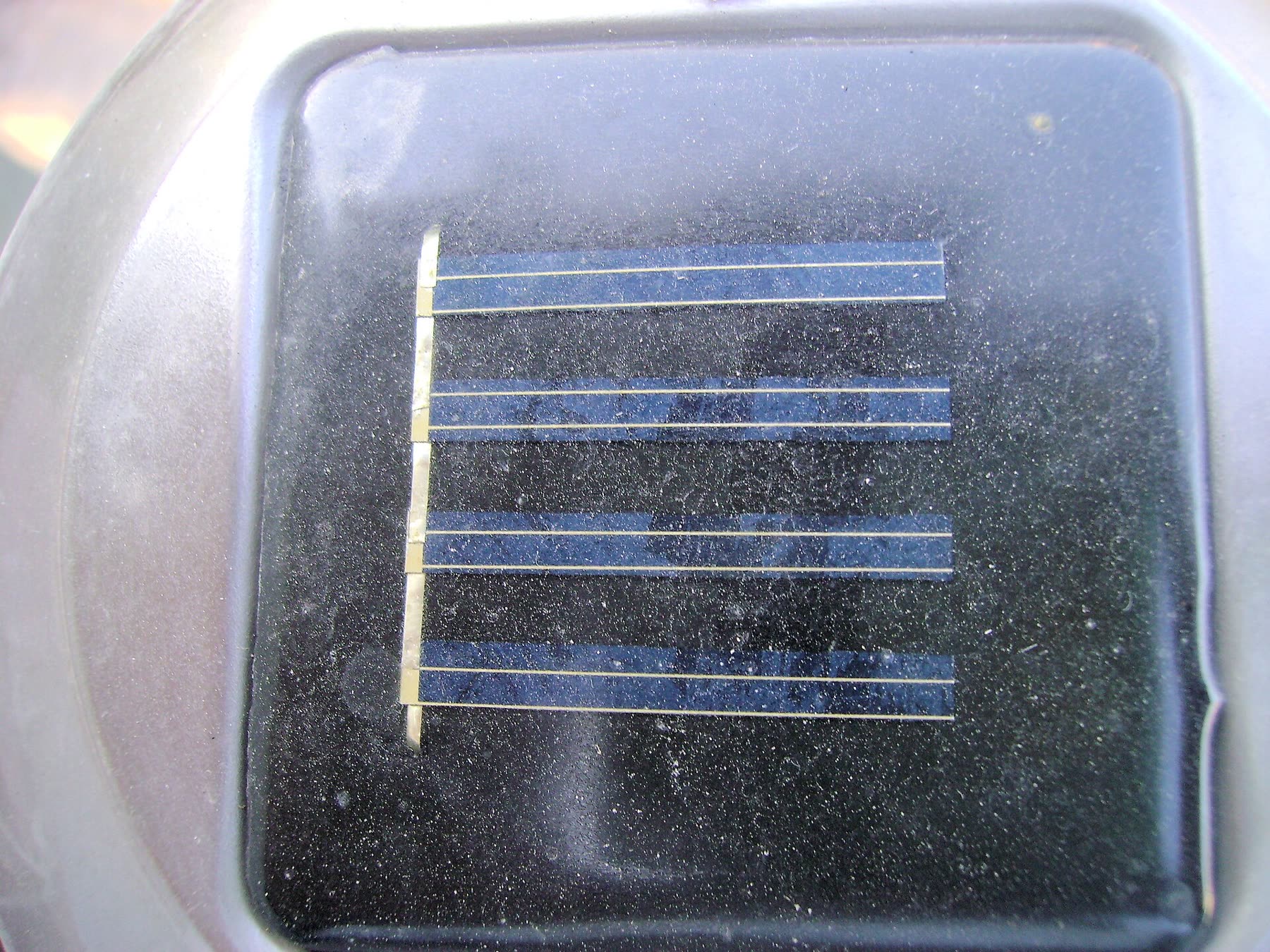
Solar string lights all advertise “no wiring,” but the actual panel and battery size determine how forgiving they are in real Canadian weather. Mid‑priced products like BioLite’s color solar string set, highlighted on BioLite’s product page, pair a robust panel with a battery pack that can support lighting and occasional device charging. That kind of hardware typically costs more than the very small panels on bargain fairy lights.
If you’re in a region with frequent cloudy days or plan winter use, stepping up one tier for a better panel/battery combo usually matters more than an extra lighting mode.
3. Weather and impact resistance
Editorial guides to solar fairy lights note that waterproof, shatterproof bulbs and durable housings are key durability features. In practical terms, this is where your dollars prevent frustration.
- Budget strings: thin insulation, basic splash resistance, and glass bulbs or brittle plastic lenses. Fine for short summer use under cover.
- Mid‑range: water‑resistant designs, thicker cable jacketing, and sturdier lenses; often described as “shatterproof” or “impact‑resistant” for outdoor use.
For a Canadian backyard with kids, pets, or the occasional hailstorm, shatter‑resistant globes can justify that move from the low‑20s to the 40‑to‑60‑dollar band per strand.
4. Features and controls
Multi‑mode controllers, remotes, and dusk‑to‑dawn sensors appear across price levels, but they tend to be more refined in mid‑priced strands.
Typical examples:
- Simple fairy strings: several lighting modes and an auto on/off sensor — good for festive setups where precision isn’t critical.
- Premium decorative strings: more stable dimming, better sensors, sometimes remote brightness control — useful for patios where you care about ambiance.
If you just want “twinkle at night,” a cheaper, multi‑mode fairy set is often enough. If you’re lighting a small commercial display where you need consistent, non‑flickering light, the higher‑grade control hardware is easier to live with.
Choosing a Sourcing Channel: Local Retail, Online Marketplaces, and Cross‑Border Options
Once you know your tier, the next question is where to buy.
Local Canadian retail and chains
Buying from Canadian stores such as Home Depot Canada, Best Buy Canada, or regional retailers like VPO is usually the simplest route for both homeowners and small ecommerce sellers testing the category.
Pros:
- Clear specs and photos; relatively standardized outdoor ratings for Canadian conditions.
- No cross‑border shipping surprises or currency issues.
- Straightforward returns under domestic ecommerce rules.
Cons:
- Less room to drive down unit cost if you need more than a handful of strands.
- Limited choice on niche colors or bulb styles compared with global marketplaces.
Large online marketplaces
Global but consumer‑oriented marketplaces tend to carry everything from ultra‑cheap fairy strings to branded solar sets and smart outdoor lights. They’re useful if you:
- Want fast, domestic shipping and bundled returns for personal use.
- Need to browse many brands (including products similar to Sunforce) and quickly compare reviews.
They’re less ideal if you’re trying to build a private‑label line with distinctive packaging or features; you’re mostly buying finished retail units.
Cross‑border sourcing and DHgate
If you’re a small ecommerce business looking to resell budget‑friendly solar string lights, cross‑border marketplaces can unlock lower per‑unit costs, but the tradeoffs are real.
Platforms like DHgate host many solar fairy/string light listings, often in styles similar to what you’d see at Canadian chains but with more variation in color, length, and bulb shapes. This can be cost‑effective for:
- Micro‑resellers testing small batches of decorative strings.
- Buyers who don’t need branded packaging and are comfortable evaluating unbranded listings.
However, you shoulder more due‑diligence work:
- Verify length, LED count, panel/battery specs, and waterproof claims against your needs.
- Read buyer feedback carefully for comments about real‑world brightness and durability.
For help comparing DHgate with platforms such as AliExpress and Alibaba, see this marketplace comparison. To understand how customs, tariffs, and import fees affect your budget, the overview at customs, tariffs, and import fees explained can help you price cross‑border orders more realistically.
Stretching a $50–$100 Budget Without Sacrificing Quality
For Canadian buyers watching every dollar, a few practical tactics make solar string lights a better value:
- Match tier to exposure: put your mid‑range or premium strands where weather and impact risk are highest (front patio, retail entrance), and keep cheaper fairy strings for sheltered or occasional festive use.
- Prioritize panel/battery over modes: an extra flashing pattern rarely beats a panel and battery that keep lights running reliably through shoulder seasons.
- Bundle lengths intelligently: one well‑placed 30-44 ft mid‑range string can replace two short premium strands for general ambiance in a modest backyard.
- Time purchases to seasonal sales: Canadian retailers often discount solar lighting at the end of summer; stocking up then can move you one tier up in durability for the same spend.
For small ecommerce sellers, the budget calculus shifts slightly. If you’re testing the category, start with a few mid‑range strands from Canadian retail or domestically shipped marketplaces to validate demand and understand returns, then consider dipping into cross‑border sourcing for volume only after you’ve priced in shipping, duties, and your own time verifying listings.
Well‑chosen solar string lights can be both budget‑friendly and durable enough for Canadian conditions. The key is not chasing the absolute lowest price, but spending just enough on the features that actually affect how long your lights stay on — and how long they survive outside.