
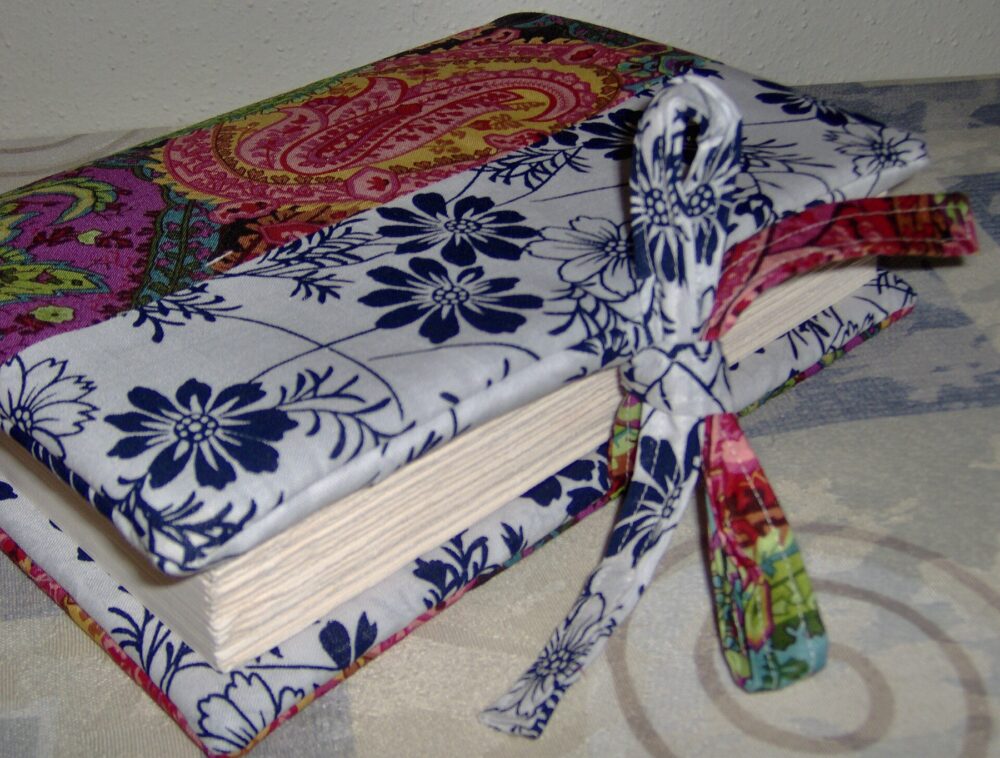
What Cowboy-Style Leather Bible Covers Are and Why Buyers Look Online
Cowboy or Western leather Bible covers are book-style cases—often with a zipper, snap, or wrap—that protect a Bible while reflecting ranch, rodeo, or Western motifs. Common design cues include tooled floral patterns, cowboy silhouettes, horses, boots, longhorns, or rustic stitching. Many buyers in the US use them as keepsakes or gifts, especially for church events, graduations, and Western-themed occasions. Small ecommerce shops may bundle them with other Western accessories or faith-based gift sets. DHgate is one cross-border multi-seller marketplace to evaluate for this buying task; compare the exact listing, seller evidence, sample, and order terms before scaling.
You might look online instead of locally for a few reasons:
- Design variety: Local Christian bookstores may stock generic covers, but it’s harder to find cowboy-themed tooling or laser-etched Western art in volume.
- Price and margin: Cross-border sourcing from manufacturers can open up lower cost-per-unit if you’re testing Western faith accessories for your boutique.
- Customization potential: Some suppliers of leather goods will emboss initials or adjust color and hardware, which matters if you sell monogrammed gifts.
On DHgate specifically, you’re not browsing a neat “cowboy Bible cover” category. You’re exploring broader leather accessories and seeing whether any suppliers can match your theme or customize their existing book covers.
Step-by-Step: Searching and Vetting Cowboy Bible Cover Listings on DHgate
Because this is such a narrow product, you need to be intentional in how you search and evaluate.
1. Start with specific, blended search keywords
From the DHgate homepage, use the search bar with combinations that mix the Bible-cover concept with Western cues. For example:
- `cowboy leather bible cover`
- `western bible case leather`
- `tooled leather book cover western`
- `cowboy christian gift leather`
If those show little or no relevant results, try widening the query to the product shape and material, then ask sellers if they can adapt designs:
- `leather book cover zipper`
- `leather bible case handmade`
This is exploratory sourcing: you’re checking what styles exist, then seeing who is willing to make them more Western.
2. Use filters to cut noise and focus on workable listings
Once you have a results page, use DHgate’s filters and sort tools to narrow down products to match your criteria and compare options across sellers. DHgate’s own ecommerce guidance notes that buyers can use filters and search tools to narrow products to match specific criteria and compare prices across multiple sellers, which applies well here.
You can typically filter or sort by:
- Price range (to stay within your retail margin expectations)
- Material cues in the listing text (e.g., items mentioning “leather” rather than purely synthetic)
- Seller rating or number of transactions
Filters won’t magically surface “cowboy Bible cover” as a category, but they help you isolate realistic candidates—such as leather book covers—from generic fabric pouches or unrelated Western items. The DHgate ecommerce business guide explains this general filter-and-compare approach.
3. Read each product listing like a quality checklist
DHgate product listings provide specifications, images, prices, and seller ratings. DHgate’s own shopping guide encourages buyers to pay close attention to these details and to compare prices and read reviews to make informed decisions.
For leather Bible covers and similar items, go through each listing systematically:
- Dimensions: Compare listed size to your Bible format (KJV standard, study Bibles, etc.). Oversized or undersized covers are a common failure point.
- Material: Look for clear mentions of “genuine leather,” “cowhide,” or “PU leather.” Many listings mix terms; treat vague descriptions as a red flag.
- Closure and layout: Check photos for zippers, snaps, pen loops, and inner pockets. Some covers are simple sleeves; others function like organizers.
- Design execution: Zoom in on tooling, stamping, or printed graphics. Western themes can look generic or low-resolution on cheaper items.
If the listing doesn’t show the inside of the cover, message the seller and ask for extra photos. For a resale business, you want enough detail to avoid surprises.
4. Use seller ratings and reviews as a reality check
When you’re considering a potential cowboy-style Bible cover supplier:
- Favor sellers with higher ratings and a reasonable history of transactions.
- Read reviews that reference leather feel, smell, and durability (even if they’re for other leather goods from the same seller).
- Watch for comments on color accuracy and craftsmanship—important for Western designs where contrast and tooling matter.
DHgate’s shopping and navigation tips emphasize checking seller ratings, reading product reviews, and analyzing product descriptions to avoid misunderstandings, which fits well with this more niche category.
5. Request samples before you commit to bulk
For boutiques or small ecommerce brands, ordering samples is a practical safeguard. DHgate’s boutique sourcing editorial recommends reviewing seller ratings and customer feedback, requesting samples before making bulk orders, and communicating directly with sellers for more detail on products.
Use that same pattern here:
- Ask for one or two units in your preferred size and finish.
- Confirm whether they can add cowboy or Western motifs (tooling, laser engraving, patches) on future batches.
- Evaluate sample stitching, edge burnishing, hardware quality, and how the cover fits your test Bible.
Treat samples as your real-world test of both the product and the supplier’s communication before staking a Western Bible-cover line on cross-border manufacturing.
6. Compare a few candidate paths side by side
Once you have a shortlist of viable options—whether specific listings or supplier types—a simple table can keep your decision grounded.
| Option type | Where you’d source it | Pros | Risks / trade-offs |
|---|---|---|---|
| Plain leather Bible cover on DHgate | General leather book-cover listings found via search and filters | Easier to find via generic queries; potentially lower unit cost | Design may not be distinctly Western; limited storytelling for customers |
| Leather book cover with tooling on DHgate | Listings that already feature decorative embossing or patterns | Has some decorative work that can feel Western without full custom work | Tooling pattern may look generic or busy; hard to control exact cowboy theme |
| Customizable leather accessory seller on DHgate | Sellers who offer OEM or custom branding on leather goods | Potential to add cowboy-themed art or initials once you’ve validated quality with samples | Requires clear communication, iterative sampling, and design compromise |
| Artisan or local leatherworker | External platforms like Etsy or local makers who handcraft Bible covers | Strong Western identity and craftsmanship; easier to get specific cowboy designs and monograms | Higher per-unit pricing; limited scale; more time-intensive for large orders |
The goal isn’t picking a single perfect listing. It’s figuring out which sourcing path can realistically deliver a Western look plus acceptable durability and margin for your audience.
When DHgate Works for Cowboy Bible Covers—and When Other Channels Are Better
DHgate can be useful if you’re flexible about the exact design and willing to do some development work with suppliers. Its marketplace hosts a wide variety of themed fashion accessories—from vintage apparel to custom jewelry and other style-driven pieces—so it’s plausible to find factories making leather covers or related Western accessories even if “cowboy Bible cover” isn’t a stocked item. DHgate’s boutique-sourcing editorial specifically highlights that you can find products aligned to distinct themes and styles.
That makes DHgate a fit in scenarios like:
- You want to test a Western Bible-cover concept with a small audience using existing leather book covers before investing in fully custom designs.
- You’re comfortable iterating with a factory, adding cowboy motifs to their base leather covers after you’ve evaluated samples.
- You value unit cost and scale over one-off artisan touches and can live with a more standardized Western look.
However, DHgate is less effective when your priorities look like this:
- You need a very specific cowboy design (e.g., a particular ranch logo, scripture plus rope border, or hand-tooled pattern) and aren’t interested in factory-standard art.
- You care most about handcrafted, small-batch leatherwork with a story you can share with customers.
External artisan marketplaces such as Etsy host custom leather Bible covers and cowboy-themed cases from individual makers, often with detailed photos and clear customization notes. The Etsy listing surfaced in research demonstrates that custom leather Bible covers are actively sold by artisans there, even though we’re not relying on any one product’s details.
If you find that DHgate results are too generic or require more customization work than you’re ready to take on, treat DHgate as a research stop rather than a dead end. Use it to understand what factories can do, then pivot to artisan platforms or local leatherworkers for the cowboy Bible covers that need to feel truly special.
For broader context on how DHgate operates as a marketplace, you can also read What DHgate is and how the marketplace works. And if you do move forward with a DHgate supplier, it’s worth applying the guidance from Find trusted sellers on DHgate and the DHgate order-readiness checklist before you finalize any cowboy Bible-cover order.