
Cake pop and lollipop sticks are easy to find, but not all buying channels make sense for every baker or small ecommerce seller. In the US, you can source sticks from big‑box and craft chains, grocery stores, specialist baking suppliers, restaurant/foodservice wholesalers, and cross‑border marketplaces. For a home baker doing a few dozen cake pops, local retail or Amazon‑style marketplaces are usually enough. Once you’re making hundreds of pops a week, specialist or foodservice platforms that sell higher‑count, purpose‑made sticks tend to be more efficient.
This guide maps those platform types with concrete examples so you can pick the route that fits your volume, budget, and timing.
Where Americans Actually Buy Cake Pop and Lollipop Stick Supplies
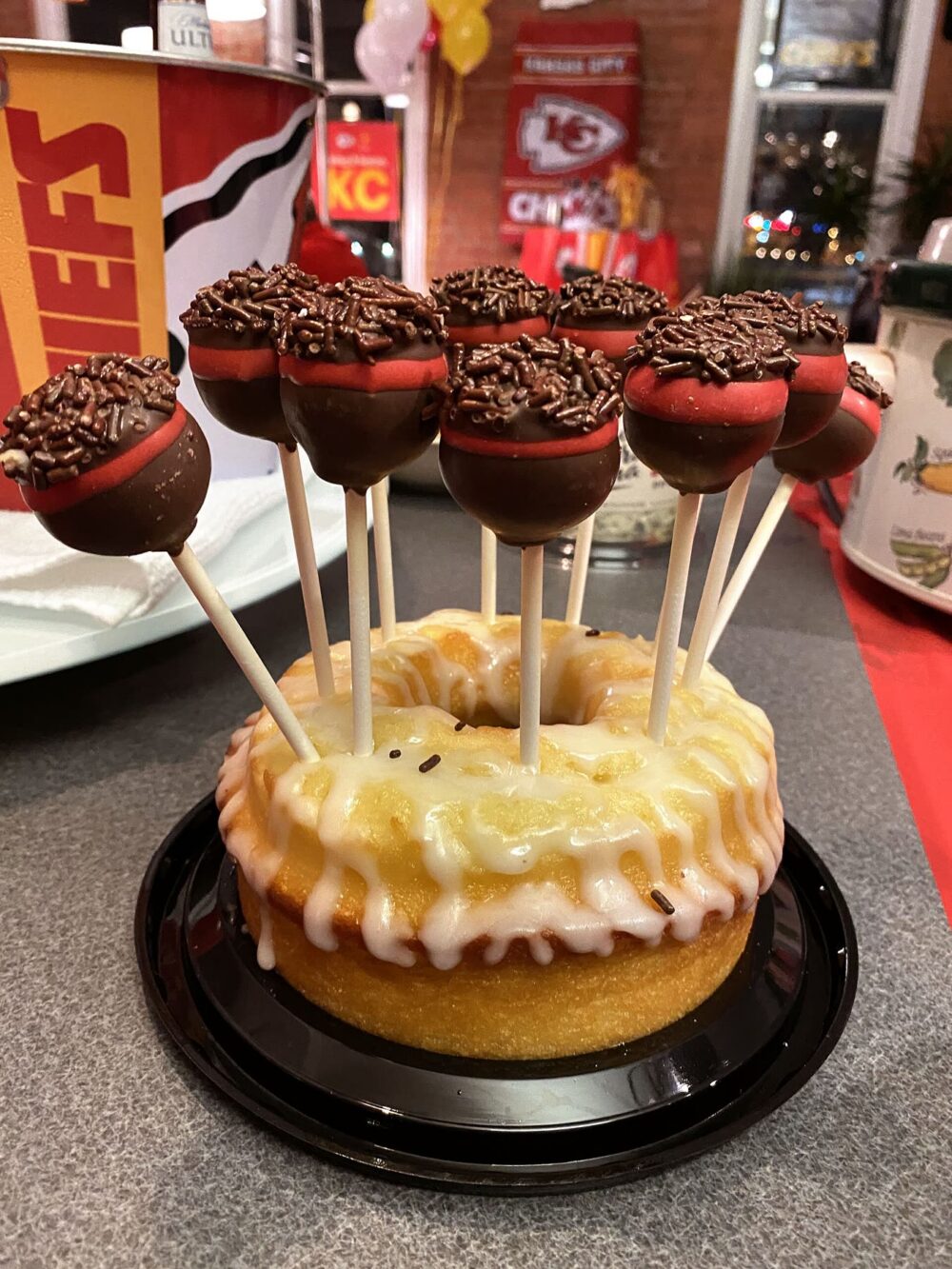
Cake pops are small balls of cake mixed with frosting, shaped and attached to a stick, then coated and decorated, similar to lollipops.Source That simple stick drives a whole mini‑market of food‑grade lollipop and cake pop sticks.
In practice, US buyers tap several distinct channels:
- Online retail marketplaces and big‑box sites. The DHgate blog’s overview of cake pop sticks points to online stores like Amazon and Walmart, which carry many brands and materials (paper, plastic, wooden) in small to medium packs.
- Craft chains and general retailers. Brick‑and‑mortar craft stores such as Michaels stock cake pop or lollipop sticks near candy melts and sprinkles, usually in packs sized for hobby baking.
- Specialist baking suppliers. These sites focus on cake decorating and candy‑making tools. For example, NY Cake sells white paper lollipop/cake pop sticks in both 100‑count and 1,000‑count packs, a good illustration of how specialist platforms cater to higher volume while still serving enthusiasts.
- Regional cake and candy supply shops. Stores like Annette’s Cake Supplies list large lollipop cake pop sticks and other niche items, often with a more local focus but still available online.
- Restaurant and foodservice platforms. Business‑oriented sites such as WebstaurantStore sell cake pop, lollipop, and candy apple sticks in bulk, aimed at bakeries, cafes, and caterers.
- Specialist international suppliers. UK‑based Yolli offers round wooden lollipop and cake pop sticks made from birch, showing how specialist sites expand options beyond standard white paper.
The result is a layered market: hobbyists mostly use grocery, craft, and general online retail; micro‑bakeries start leaning on specialist baking sites; and food businesses doing serious volume often migrate to restaurant/foodservice platforms.
How Different Platform Types Work for Buying Sticks
Each platform type handles sticks a bit differently in terms of pack sizes, materials, and the way you order.
Craft chains, grocery, and big‑box retail
These platforms treat sticks as a consumer baking accessory:
- Pack sizes: Often tens to low hundreds of sticks per pack, designed for one party or a few batches of cake pops.
- Materials: Commonly white paper; some packs use colored paper or plastic for themed designs.
- Ordering mechanics: Grab‑and‑go in store, or add to cart online. No business account required, and you rarely see minimum order quantities (MOQs) beyond “one pack.”
For a home baker making 24-48 pops, this is fast and simple: you can see the thickness and length in person, or rely on reviews on retail marketplaces.
Specialist baking suppliers
Specialist platforms sit between hobby retail and full wholesale:
- Pack sizes: A mix of small and bulk. NY Cake’s listing of paper lollipop/cake pop sticks in 100‑ and 1,000‑count options is typical of sites targeting both hobbyists and small businesses.Source
- Materials and formats: Wider range—different lengths, diameters, and sometimes colors. Many listings are explicitly positioned for cake pops and lollipops, so you’re less likely to accidentally buy crafting‑only sticks.
- Buyer relationship: You can usually order as a consumer, but the catalog and pack options are designed with bakeries and decorators in mind.
If your side‑hustle bakery has outgrown buying five consumer packs at a time, this category is often the first upgrade.
Restaurant and foodservice platforms
Foodservice platforms are built for business‑level purchasing:
- Pack sizes: Bulk by default. WebstaurantStore’s category of cake pop, lollipop, and candy apple sticks is structured around larger quantities, often tagged for commercial kitchens.Source
- Product framing: Sticks are grouped with other confectionery supplies, and descriptions often emphasize suitability for specific items (cake pops vs. candy apples), helping you match stick length and diameter to product.
- Buyer relationship: Many sellers welcome sole proprietors and micro‑businesses; you don’t necessarily need a huge order volume, but the catalog assumes repeat purchasing.
Operationally, ordering from these sites feels more like buying ingredients from a restaurant supplier than shopping a craft aisle.
Specialist international sites and alternative materials
International specialist platforms expand material choices:
- Yolli offers round wooden lollipop and cake pop sticks made from birch wood, which some bakers prefer for sturdiness or aesthetics.Source
- These sites often carry both paper and wooden sticks in various lengths, giving you options for heavy candy apples, tall display pieces, or eco‑leaning branding.
Cross‑border ordering introduces shipping time and currency considerations, but it’s often the easiest way to access specific materials or looks not common in US retail.
Cross‑border wholesale marketplaces
Marketplaces where many independent suppliers list products—cross‑border and often factory‑adjacent—can surface very low per‑stick costs in large quantities. They usually:
- Present sticks as generic “lollipop” or “cake pop” supplies with wide variations in quality and material.
- Expect buyers to compare multiple sellers and read listing details carefully.
These platforms behave less like a single store and more like a search engine over hundreds of factories and trading companies.
Comparing Routes: Retail vs Specialist vs Wholesale vs Cross‑Border
To pick a platform, you have to balance unit cost, convenience, and risk against your actual stick usage.
Quick view: who each route fits
| Platform type | Typical pack sizes | Best fit usage level | Pros | Trade‑offs |
|---|---|---|---|---|
| Craft/grocery/big‑box retail | ~25-200 sticks per pack (varies) | Home bakers, occasional parties | Instant availability, simple ordering | Higher unit cost, limited materials |
| Specialist baking suppliers | 100 to 1,000+ sticks | Side‑hustle bakers, micro‑bakery | Purpose‑made sticks, more sizes | Slightly more effort to comparison‑shop |
| Restaurant/foodservice platforms | Bulk cartons (hundreds+ sticks) | Small bakeries, cafes, caterers | Business‑friendly bulk, repeat ordering | Bigger upfront purchase |
| Cross‑border marketplaces | Wide range, often very large | Higher‑volume sellers with planning | Potentially low per‑stick cost, variety | Longer lead times, seller vetting |
Pack size ranges are editorial approximations based on how these platforms position their products; always check the actual listing before buying.
Scenario: home baker or occasional seller
If you bake cake pops for birthdays, holidays, or a modest Etsy shop:
- Retail channels (Amazon, Walmart, craft stores) are usually the most rational choice. The DHgate blog’s list of common sources—online stores, local supermarkets, and craft stores—reflects how casual bakers actually shop.
- Specialist baking sites like NY Cake become appealing if you want a specific length or need a couple of hundred sticks without repeatedly clearing out the craft aisle.
Cross‑border marketplaces and foodservice platforms are rarely necessary at this stage unless you have a very specific material requirement or are experimenting with bulk ahead of growth.
Scenario: micro‑bakery or local dessert business
Once you’re selling cake pops weekly to local customers, you usually feel the pain of consumer‑pack pricing and inconsistency:
- Specialist suppliers offer smoother scaling: ordering 1,000 paper sticks from a baking site such as NY Cake or stocking large lollipop sticks from Annette’s Cake Supplies lets you buy once per season instead of every weekend.
- Restaurant/foodservice platforms like WebstaurantStore start to make sense if you’re already using them for boxes, liners, or ingredients, because you can consolidate supplies.
This is also where international specialists such as Yolli become interesting if your brand leans on a particular look—wooden sticks for a rustic or eco‑styled product, for example.
Scenario: growing ecommerce brand and cross‑border options
For small ecommerce businesses shipping cake pops nationwide or supplying other bakeries, unit cost and reliable bulk become more critical. You might:
- Use foodservice sites for standardized paper sticks in bulk.
- Layer in specialist suppliers for niche sizes and materials.
- Explore cross‑border marketplaces (including DHgate as one example) mainly when you’re ready to test factory‑level sourcing.
On marketplaces such as DHgate, you’re not buying from “DHgate” itself but from individual sellers listing cake pop or lollipop sticks. That means your process should focus on seller‑specific checks: carefully reading product descriptions (length, diameter, material), comparing multiple listings, and starting with smaller trial orders before committing to large volumes. If that extra work doesn’t pay off in a clear per‑stick cost advantage or unique spec, staying with domestic specialist or foodservice platforms is often the lower‑friction route.
How to upgrade your supply as volume grows
A simple way to keep stick sourcing under control is to step up one platform tier at a time:
- Start: Local craft or grocery + online retail for flexibility and speed.
- Upgrade: Specialist baking suppliers once you’re buying hundreds of sticks regularly.
- Scale: Foodservice platforms when you’re consistently at bulk volumes and ordering other business supplies there.
- Optimize: Cross‑border marketplaces only if you can plan for longer lead times and do the work of evaluating sellers.
If you’re unsure how cross‑border marketplaces operate generally, the broader guides on what DHgate is and how the marketplace works and on online marketplaces and shopping platforms can help you understand the mechanics before you change your stick supply.