
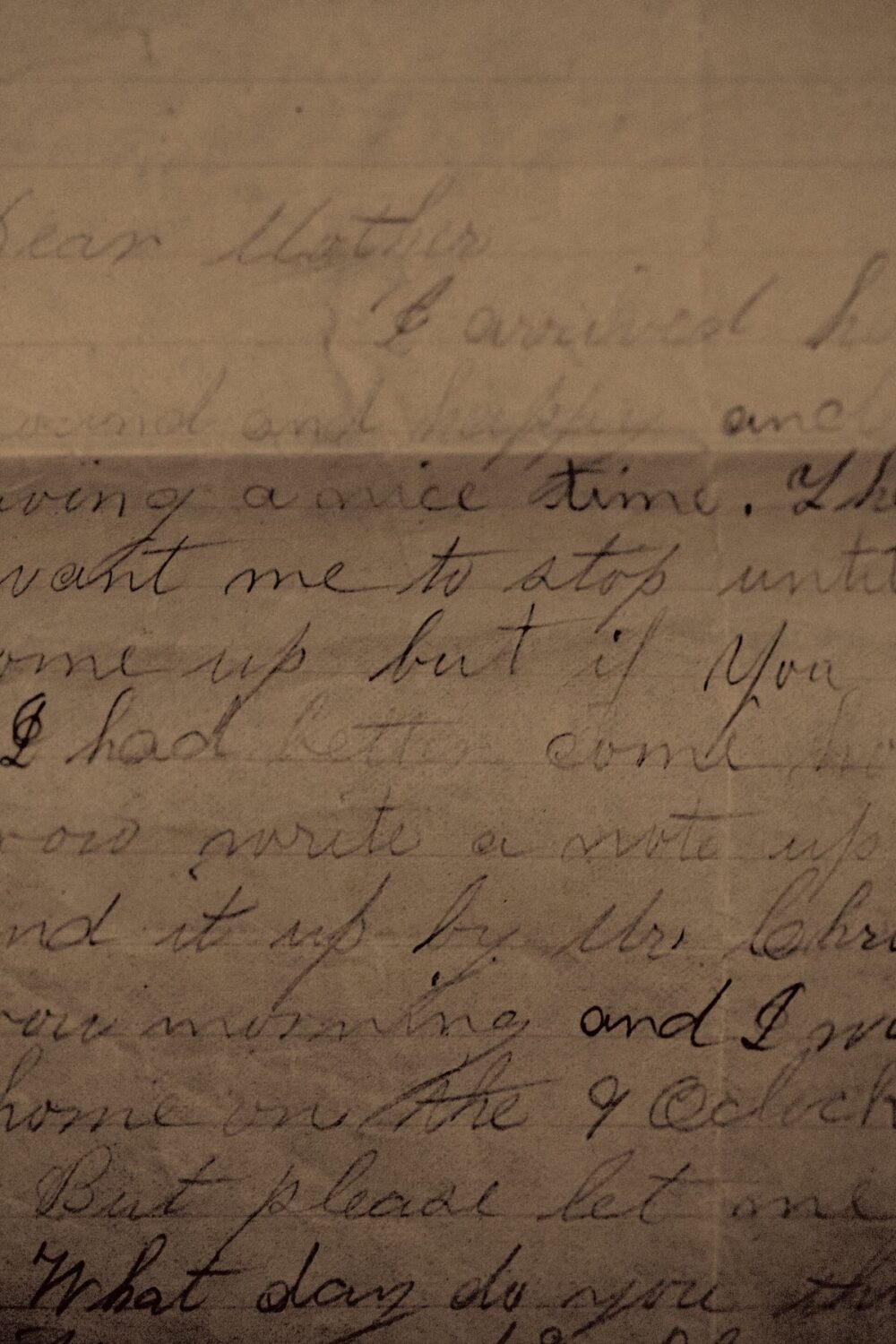
You won’t find handwritten vintage cookbooks in bulk on one “perfect” site; they surface as one-off collectibles across niche vintage marketplaces, general resale apps, specialist book dealers, and local estate or library sales. For a single family recipe binder or to build a small online shop, you’ll usually start with peer marketplaces like Etsy or AbeBooks, then layer in casual resale apps and offline hunting. Cross‑border marketplaces are more of a side bet than a primary channel.
Handwritten vintage cookbooks behave more like art or ephemera than ordinary used books. That’s why choosing platforms is less about chasing coupons and more about matching your goals—do you want one meaningful household manuscript, or enough inventory to justify an Etsy shop of your own?
What Counts as a Handwritten Vintage Cookbook (and Why It’s a Special Category)
Harvard Library’s guide to manuscript cookbooks describes them as unique, handwritten collections of recipes and culinary notes compiled by individuals, often including household tips, remedies, and personal annotations.Harvard’s overview highlights that these are unpublished manuscripts, not mass‑printed titles. That uniqueness is the key difference for buyers and sellers.
You’ll see at least three flavors in the market:
- Pure manuscripts – loose pages or bound notebooks containing only handwritten recipes and notes.
- Hybrid cookbooks – printed community or commercial cookbooks that later owners filled with inserted recipe cards or margin notes.
- Recipe binders – three‑ring or clasp binders assembled at home from clipped, copied, and handwritten recipes.
ReadingVintage points out that handwriting in old cookbooks can add appeal and collectible interest, especially when it shows tested recipes or traces of family history like names and dates.Their article treats handwriting as a positive feature rather than “damage.” Appraizely’s cookbook price‑guide puts these items in an antique/collectible bucket where rarity, condition, and historical interest all influence pricing.Appraizely’s guide stresses factors, not fixed values.
All of that affects platforms:
- Inventory is almost always one‑of‑a‑kind.
- Photos and descriptions matter more than standardized ISBN data.
- Sourcing for resale is about spotting under‑described manuscripts, not replenishing a SKU.
Platform Types for Finding Handwritten Vintage Cookbooks
You can think of the market in four useful channel types: curated vintage marketplaces, broad resale apps, specialist dealers, and local offline sources.
1. Niche vintage & craft marketplaces (curated but still peer‑to‑peer)
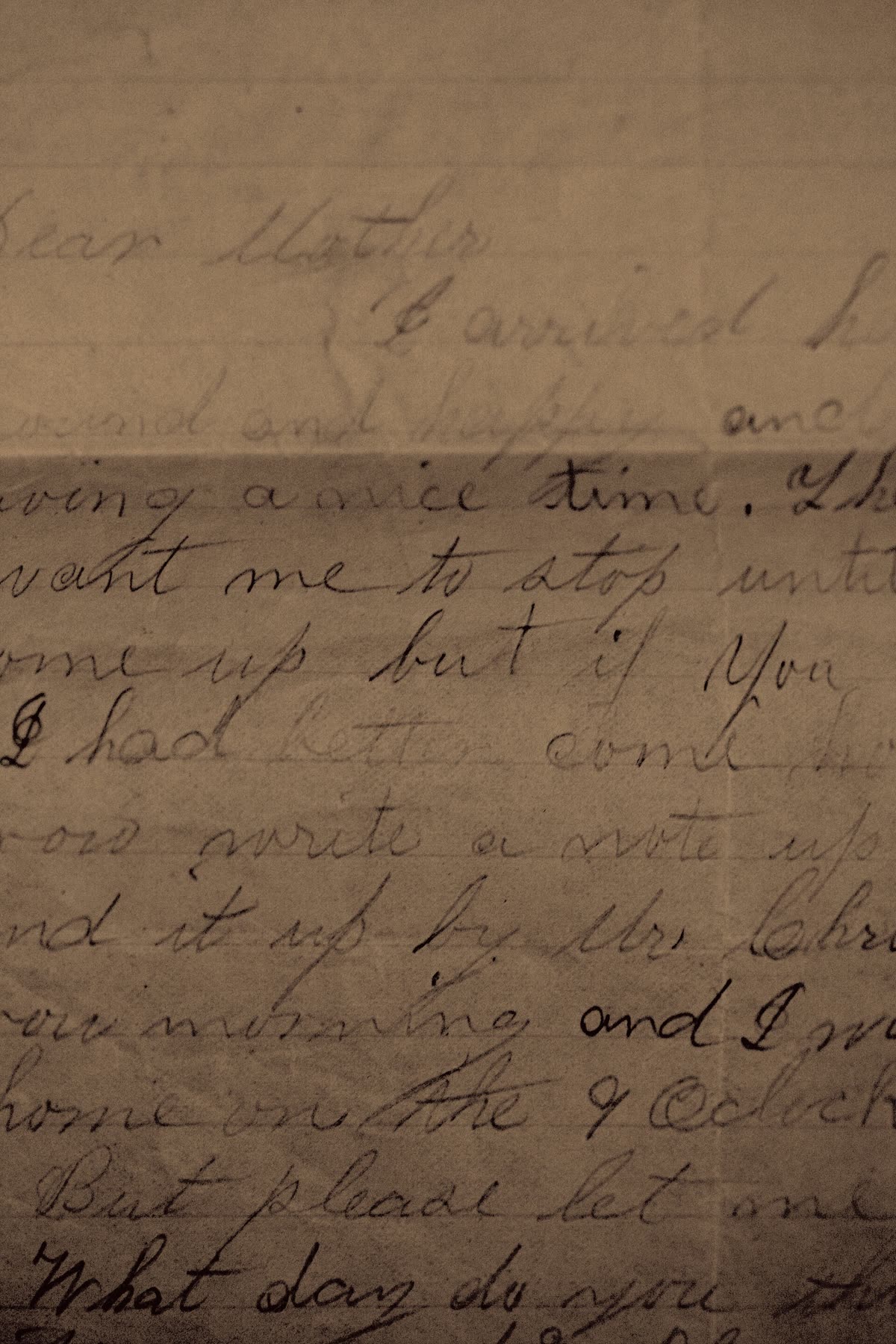
Etsy is the clearest example for US buyers. Its marketplace structure lets independent sellers list antique handwritten recipe books and recipe binders; the search term “antique recipe books handwritten” surfaces multiple examples.See Etsy’s marketplace page. These listings often highlight features like:
- Handwritten pages tucked into or replacing printed ones
- Visible stains or wear that show kitchen use
- Dates or names that signal a specific household origin
This channel works well if you’re:
- A collector willing to pay a bit more for curated, photographed items
- A small seller planning to buy occasionally from one seller while also sourcing offline
2. General book marketplaces and aggregators
Sites like AbeBooks aggregate listings from independent booksellers and some individuals, including vintage binders of handwritten recipes. One listing example shows an old binder with approximately dozens of handwritten pages, offered like any other collectible book.Example binder listing.
These platforms operate as search engines across many sellers. They’re useful if you want:
- A more book‑trade style description (pagination, binding type, condition notes)
- To compare a handwritten binder with other vintage cookbooks from the same seller
For resellers, they can be a way to spot under‑priced manuscripts among more obviously collectible titles.
3. Casual resale apps (consumer‑to‑consumer environment)
Resale apps like Mercari and Poshmark primarily exist for clothing and household goods, but they do surface vintage cookbooks with handwritten inserts.
Examples include:
- A Mercari listing for a vintage cookbook where the photos show recipe cards or notes inserted by a previous owner.Sample Mercari item
- A Poshmark listing for a vintage Rumford cookbook with handwritten recipes in the description and photos.Poshmark listing example
These apps reflect a casual, consumer‑to‑consumer selling environment:
- Descriptions can be brief or informal.
- Photos may show handwriting, but the seller might not recognize manuscript value.
For a small ecommerce business, that casualness is exactly the upside: you can sometimes buy hybrid cookbooks with significant handwritten content that aren’t priced like specialized collectibles yet.
4. Specialist vintage sellers and offline channels
Specialist vintage booksellers and small online shops (including sites like ReadingVintage, which sells community cookbooks bundles) often include handwritten notes or inserts in their stock.Example community cookbook bundle. Their business model is more curated: they select, describe, and photograph items with an eye to history.
Offline, the most productive channels tend to be:
- Local bookstores and secondhand shops – DHgate’s own editorial coverage of rare books mentions independent shops and used sections as sources for vintage titles, which applies equally well to old recipe notebooks.
- Library sales – surplus and donated books at low prices sometimes include community cookbooks with handwriting.
- Estate sales and auctions – entire household paper collections, including recipe boxes and binders, often appear together.
For inventory building, these offline routes can deliver the best margins but demand time, travel, and a willingness to sort through boxes.
Comparing Channels and Choosing the Right Route for Your Cookbook Hunt
Because handwritten vintage cookbooks are unique, you’re choosing channels, not brands. Here’s a compact comparison on real‑world factors.
| Channel type | Typical availability of handwritten items | Pricing behavior (editorial view) | Effort level for buyers |
|---|---|---|---|
| Niche vintage marketplace (Etsy) | Moderate; searchable, clearly presented | Often reflects collectible appeal & curation | Medium: browse, compare listings |
| Book marketplace (AbeBooks) | Lower volume but targeted examples | Aligned with antiquarian/collectible books | Medium: use search and filters |
| Resale apps (Mercari, Poshmark) | Sporadic; depends on casual sellers | Can be lower when seller treats it as “used” | High: dig through general listings |
| Specialist vintage dealers | Curated; strong on historically interesting items | Prices set as collectibles based on expertise | Low to medium: trust curation |
| Local shops, estate/library sales | Highly variable; sometimes whole recipe collections | Often cheapest relative to online curation | High: in‑person hunting |
Matching platforms to buyer profiles
If you’re a personal collector who wants one or two meaningful books:
- Start with Etsy or a specialist vintage seller. You’ll see the handwriting clearly in photos and often get some context in the description.
- Use AbeBooks when you care about the book as an object (binding, edition) as much as the manuscript content.
If you’re a small ecommerce seller building inventory:
- Make offline routes (estate sales, library sales, thrift shops) a regular habit; these are where you’ll find recipe boxes, binders, and heavily annotated community cookbooks at lower acquisition costs.
- Layer in resale apps like Mercari and Poshmark for opportunistic buys. Search by cookbook title and keywords such as “handwritten” or “recipe cards” to spot under‑described manuscripts.
- Use curated marketplaces and specialist dealers more selectively, either for standout pieces or when you need to fill gaps in your catalog.
Where cross‑border marketplaces like DHgate actually fit
Large cross‑border marketplaces—including DHgate—are built around new goods and wholesale‑style listings rather than one‑off household manuscripts. You may occasionally see vintage‑style or reproduction recipe books there, but they’re not a primary source of unique handwritten cookbooks.
If you do browse a platform like DHgate while sourcing, treat it as a secondary route for themed or decorative books, not core inventory. Focus your serious manuscript hunt on platforms and local channels where individual sellers and estates can surface real family recipe collections.
For broader marketplace context, you can compare platform structures in more detail in our overview of online marketplaces and shopping platforms or learn how DHgate itself works in this DHgate guide. Those perspectives can help you decide how much time to invest in general cross‑border sites versus the cookbook‑heavy channels above.