
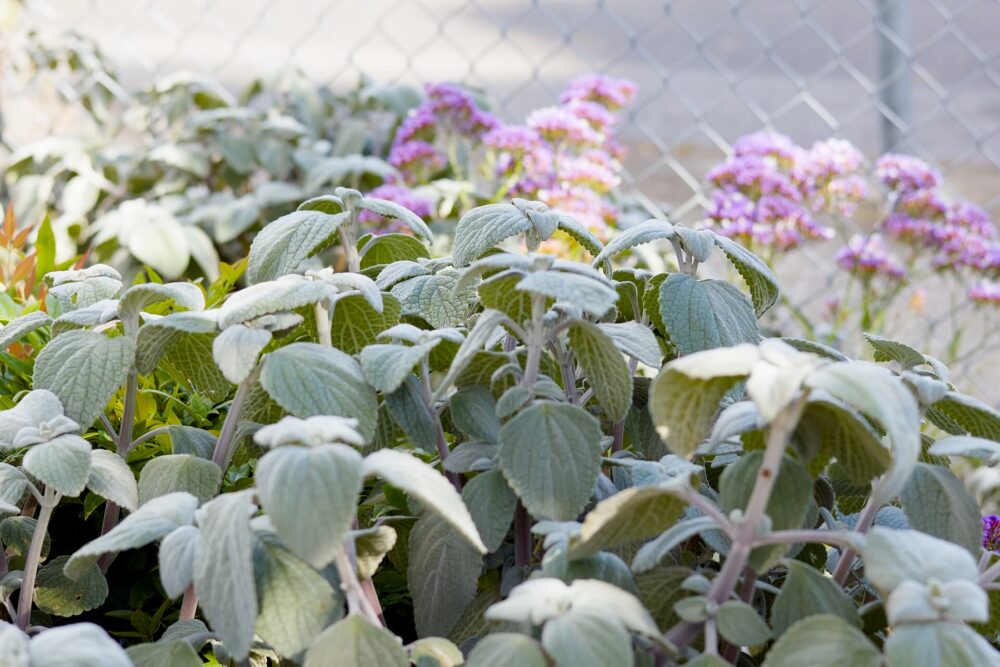
If your goal is to buy coleus seeds with photos you can actually trust, start with specialized online seed retailers and large retail marketplaces. Sites like Plantflix’s coleus section and Rareseeds’ coleus listings typically pair each variety with clear images and descriptions. Big retail marketplaces such as Walmart’s coleus seed listings aggregate multiple brands and sellers, giving you more price and pack-size options but more variation in photo quality. Free image libraries help you study colors and leaf shapes, but they’re not where you actually buy seed.
For most US home gardeners, that mix—image libraries for research, then a specialist or large marketplace for the purchase—strikes the best balance between reliable photos and convenience. For small ecommerce sellers, you’ll add a step: confirming that the seller photos or your own photos accurately represent what customers will receive, and deciding whether you need retail-ready packets or bulk seed.
The Online Landscape for Coleus Images and Seeds
Coleus is sold and illustrated across several distinct platform types, and they play different roles in your decision.
Free image libraries such as Pixabay’s coleus gallery, Pexels’ coleus plant search, and the Coleus category on Wikimedia Commons host many high-resolution coleus photos. These are great for:
- Comparing leaf color patterns (e.g., chartreuse margins, burgundy centers)
- Understanding mature plant shape and size
- Finding royalty-free images to illustrate listings or blog posts
They do not sell seeds, and the photo labels don’t always match commercial variety names. Treat them as visual reference, not as a catalog.
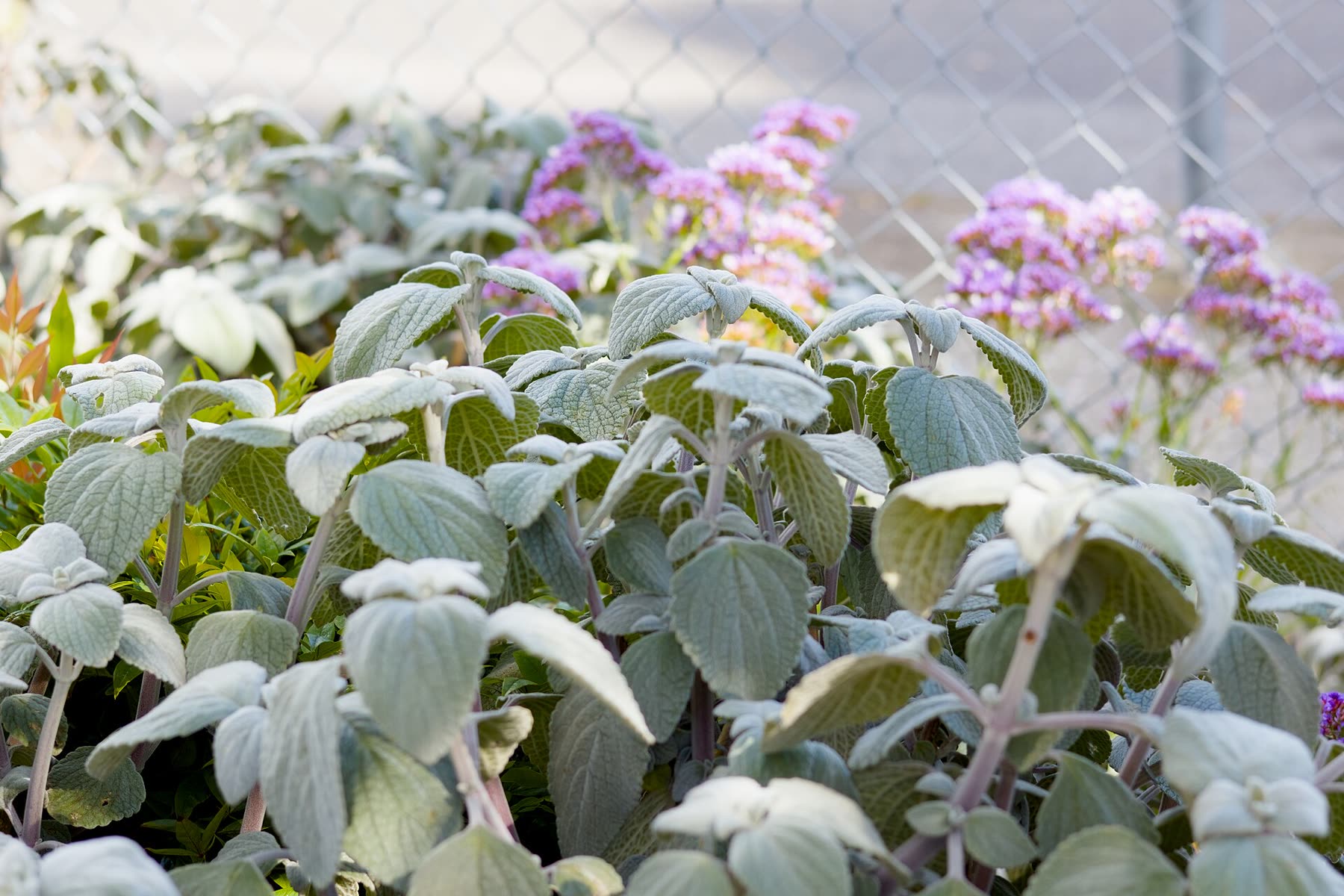
Specialized seed retailers are where image quality and varietal detail usually peak. For example, Plantflix’s coleus page and Rareseeds’ coleus collection show named varieties, often multiple angles of each plant, plus notes on habit (upright, trailing), foliage pattern, and basic growing info. These sites are built around seeds and plants; coleus is just one line in a broader catalog.
General retail marketplaces like Walmart’s coleus seed product pages sit between those specialists and a pure cross-border marketplace. You’ll see listings from several brands, each with its own photo style. Some show close foliage shots; others show generic flower-bed images or packaging art. You gain breadth and often quick shipping options, but the photos and descriptions are less standardized.
Those three categories—image libraries, seed specialists, and broad retail marketplaces—cover most needs for US buyers who want both pictures and seeds. Cross-border marketplaces add yet another route, mainly for bulk and experimentation.
How Key Platform Types Handle Coleus Listings and Photos
To pick a channel with confidence, it helps to understand how each platform type typically operates and presents coleus.
Seed-focused retailers
Specialized online seed shops build their business on accurately named varieties and decent photography. On sites like Plantflix and Rareseeds:
- Listings are organized by variety name (e.g., “Black Dragon,” “Folia Mosaic”).
- Each listing usually has at least one clear foliage photo, sometimes more.
- Descriptions mention traits that matter for placement: shade tolerance, height, and whether the plant is better in pots or beds.
For a home gardener who wants a specific look—say, tri-color ruffled leaves around a shaded patio—this format is straightforward. You click through, compare photos across varieties, and pick the one whose images and description match your vision.
Retail marketplaces that aggregate brands
On big retail sites such as Walmart, coleus seed listings are posted by multiple brands and sellers. Operationally, that means:
- Photos range from professional studio shots to basic pack images.
- Some listings highlight foliage color; others show only the seed packet front.
- Variety information can be concise (“coleus mix”) or specific (named cultivar).
Because sellers vary, you’ll often open several listings side-by-side and cross-check the photos and text. That’s extra work, but it can reveal mix vs. single-variety offerings, and help you find pack sizes that match your budget.
Cross-border and wholesale-oriented platforms
Bulk-oriented marketplaces connect buyers with many independent sellers across borders. DHgate, for example, is an e-commerce platform that offers plant and flower seeds among many other product categories, and can be used by both home gardeners and commercial buyers who want to source seeds online.
On platforms like that, you’ll typically see:
- Large variety ranges, including ornamental and mixed packs
- Seller-uploaded photos that may or may not be standardized across listings
- Options that are more suited to bulk purchasing than a single patio pot
Because listings and sellers differ widely, your due diligence shifts from “Which coleus looks best?” to “Which seller seems consistent and aligns with my risk tolerance?” If you’re curious how DHgate works as a marketplace overall, this overview of DHgate’s model is a useful neutral primer.
Quick comparison: how platforms handle coleus photos
| Platform type | Typical photo quality for coleus | Variety detail style | Best fit buyer |
|---|---|---|---|
| Free image libraries | High-resolution, editorial; not tied to specific seed lots | Informal captions, botanical names | Visual research, marketing images |
| Specialized seed retailers | Curated product photos focused on foliage and habit | Named varieties with trait notes | Home gardeners, boutique resellers |
| Retail marketplaces | Mixed quality; brand-dependent | From generic “mix” labels to specific cultivar names | Price-conscious buyers comparing brands |
| Cross-border marketplaces | Seller-dependent; may reuse stock images | Varies widely; some detailed, some minimal | Bulk/experimental buyers ready to vet sellers |
Use this to decide how much verification work you’re willing to do before you click “buy.”
Choosing the Right Platform Route for Your Coleus Project
Your best platform choice changes quickly depending on whether you’re planting one shaded border, filling an online shop, or sourcing bulk seed.
For home gardeners (small quantities, high photo trust) If you’re in the US and buying a few packs for your yard or containers, start with specialized seed retailers and mainstream seed brands on retail marketplaces.
- Use image libraries like Pixabay or Wikimedia Commons to narrow your preferred color schemes and leaf shapes.
- Then buy from a site that pairs each coleus variety with a clear product image and basic variety info—Plantflix, Rareseeds, or a brand listing on a site like Walmart that shows foliage clearly.
That route minimizes the gap between “what you saw on screen” and “what comes up in your seed tray.”
For small ecommerce sellers (accurate product photos and repeatability) If you resell seeds or plants, you’re not just buying; you’re setting customer expectations.
- Source coleus from vendors that give named varieties, not just “rainbow mix,” so your listings stay consistent from season to season.
- Where license terms allow, you might pair vendor photos with your own shots once the plants mature, to show real-world color and size.
- Free libraries like Pexels and Wikimedia can supply supplemental imagery, but don’t use them to represent a specific cultivar unless the name is clearly documented.
If you later explore cross-border marketplaces to reduce cost or access unusual mixes, allocate time to test germination and appearance before you rely on those seeds for your storefront. That’s more of a product-development step than a casual purchase.
For bulk and cross-border buyers (cost and variety vs. risk) Bulk buyers—landscapers, commercial growers, or ecommerce sellers experimenting with private-label seed—sometimes look beyond domestic retailers to broaden options. In that context, platforms like DHgate are one potential source among many, since they host a wide range of seed listings.
The trade-off is simple: you may find unusual or low-cost options, but you assume more responsibility for checking each seller’s listing, photos, and variety description against your expectations. Before diving into that route, it’s helpful to understand how cross-border marketplaces work in general by reading comparisons such as this marketplace overview or deeper cross-border analyses like DHgate vs AliExpress, Alibaba, and Temu.
Across all these scenarios, one universal pattern holds: reputable seed sources usually provide at least basic variety info and images so you can match coleus to your climate and design. Your job is to pick the platform type that gives you enough confidence in those photos for the project you have in mind, without taking on more risk or complexity than you need.