
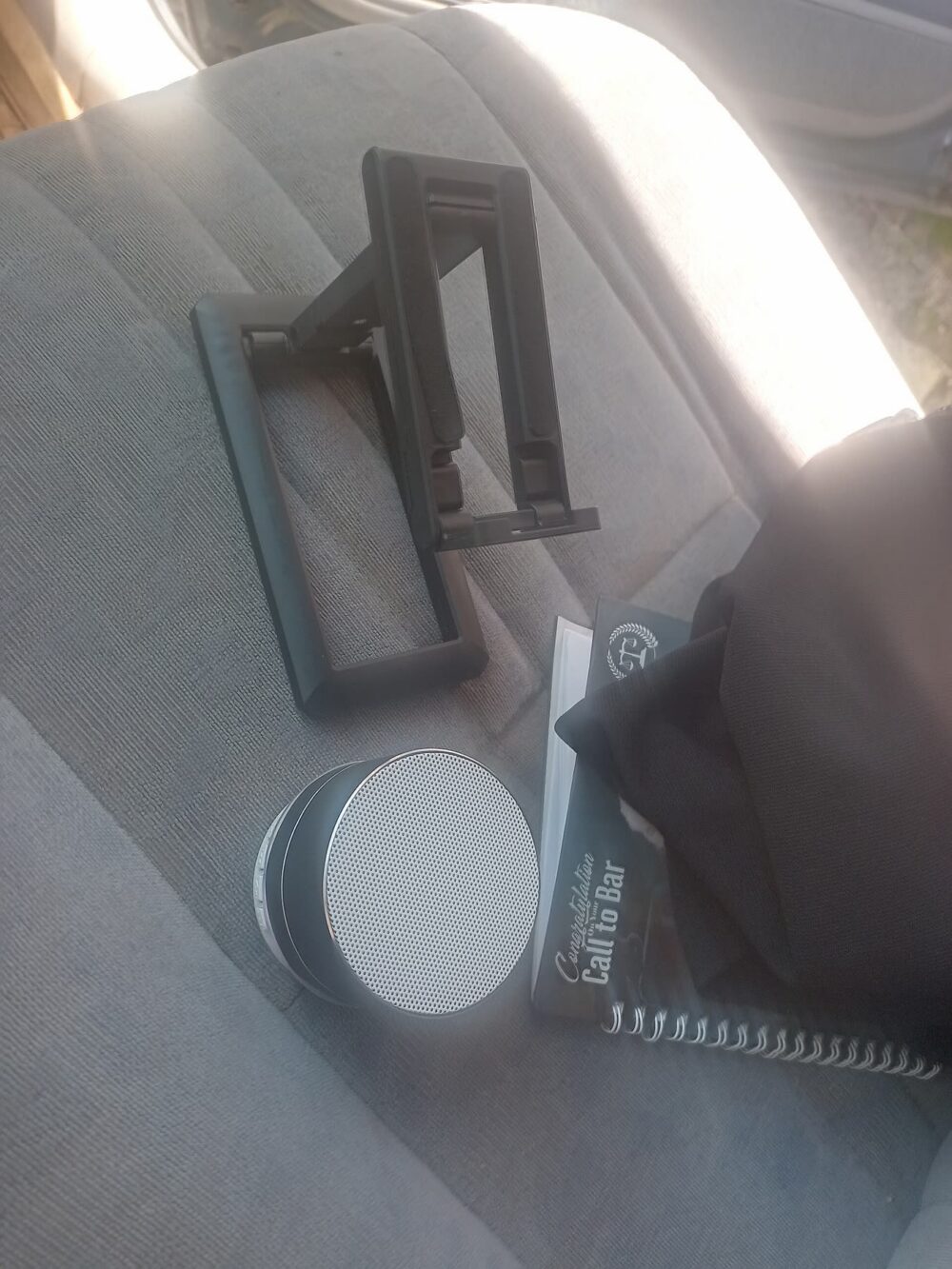
For most US buyers, a budget-friendly outlet phone holder that adds a simple phone shelf and a couple of USB ports in the roughly $10–$25 range from mainstream retailers is usually the sweet spot. You get a tidy charging area and more usable outlets without overspending on decorative finishes or heavy-duty surge specs you may not need. If you’re a small reseller, unit cost can drop with bulk or cross‑border sourcing, but shipping, import fees, and safety checks quickly become just as important as the sticker price.
An outlet phone holder is basically a wall tap or adapter that plugs into a standard outlet and turns it into a small charging hub with a built-in cradle for your phone. Products marketed as outlet-mounted “power shelves” describe themselves as converting a standard outlet into a charging hub and phone stand, often with cord management to cut clutter. The Jokari Power Shelf is a typical example: it attaches to an existing outlet and adds a shelf plus charging.
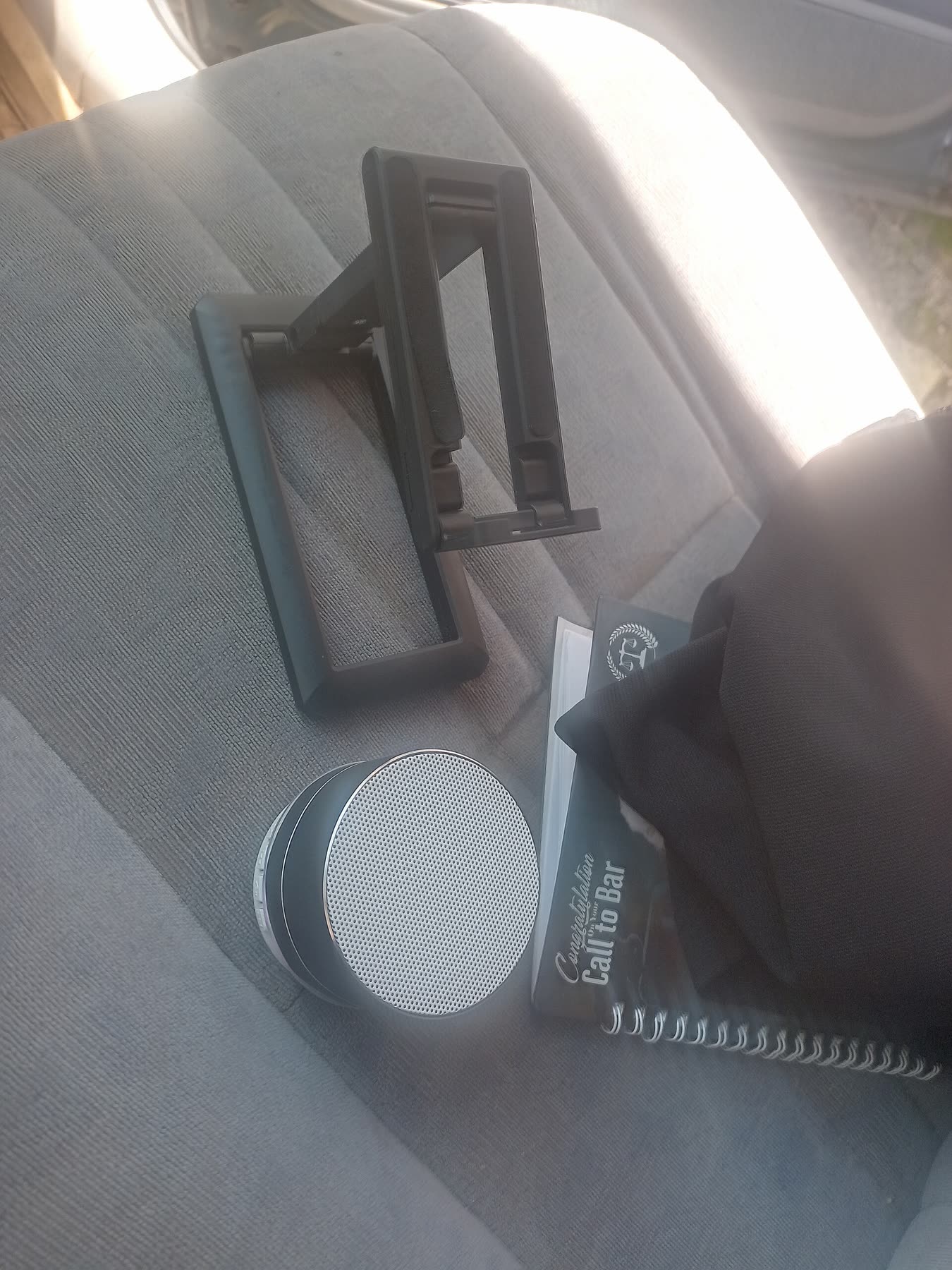
What Outlet Phone Holders Cost Today
Outlet phone holders sit in a niche between simple outlet taps and full-blown surge protectors. Major US retailers list outlet-mounted wall taps with phone cradles and USB ports generally in the roughly $10–$25 consumer price band, depending on features and brand. A Home Depot wall tap listing with built-in phone cradle and USB ports broadly illustrates this kind of range.Home Depot wall tap example
At the low end of that band you’ll typically see:
- A basic plastic wall tap that adds a few extra AC outlets.
- A shallow phone cradle or shelf molded into the front.
- Possibly one or two USB ports, but often without decorative finishes.
In the mid part of the band, around the upper teens:
- You’re more likely to find multiple USB ports and a more secure phone shelf that can handle larger smartphones.
- Some models pitch themselves as “ultimate charging hubs” with several AC outlets plus USB ports to reduce clutter on kitchen counters or entry tables, similar in concept to the multi-device adapter with phone holder sold as a charging hub by Lakeside Collection.
At the top of the band and slightly above, you start paying for:
- Branded designs or decorative fronts (patterns, colors).
- Stronger surge-protector framing in the marketing.
- Extra outlets (for example, 6 outlets instead of 3) and side-entry layouts that help with bulky plugs.
For a single home or office, a simple outlet phone holder in the mid band — within that typical $10–$25 range — is usually enough: you get a cradle, USB, and some extra outlets without drifting into boutique pricing.
Why Prices Vary: Features, Build, and Order Size
Even within that narrow consumer band, prices move around for specific reasons. If you’re buying one for your kitchen or fifty for an online shop, these drivers matter.
Here are the key ones:
| Price driver | What changes on the product | Typical impact on budget |
|---|---|---|
| Number of outlets & USBs | From simple 3‑outlet taps to multi-outlet hubs with several USB ports | More ports usually increase unit price |
| Surge protection marketing | Joule ratings references, “protector” branding, indicator lights | Often adds a few dollars vs a basic tap |
| Materials & finish | Plain white plastic vs decorative or heavier housings | Decorative shells tend to cost more |
| Brand & retail channel | House brands vs niche or design-forward brands | Name-focused brands often priced higher |
| Order size / bulk sourcing | Single unit vs dozens or hundreds | Per-unit price can drop, but shipping and fees rise |
Feature set and build
Outlet phone holders attach directly to existing outlets and usually combine:
- Multiple AC outlets on the front or sides.
- One or more USB charging ports.
- A built-in phone shelf or cradle that keeps your device off the floor or counter.
The Jokari Power Shelf and multi-device charging hubs like those offered by Lakeside Collection follow this pattern: they frame themselves as turning a standard outlet into a charging center and phone stand.Lakeside charging hub example
A unit that markets itself as an “ultimate charging hub” with several outlets and multiple USB ports is deliberately positioned as a multi-device center for the household, which nudges price upward compared with a bare-bones cradle-only adapter.
Brand, aesthetics, and perceived quality
Some designs lean into decor: patterned front plates, colored plastics, or “glam” socket styling. This doesn’t automatically mean better electrical performance, but it does tend to push pricing up compared with plain white utility taps. If you’re budget-first and don’t care how the outlet looks, you can usually skip these and stay in the lower part of the range.
Order size and customization for resellers
If you’re a small ecommerce seller or outfitting a rental portfolio, you’re probably not buying just one. Specialist online stores and 3D-print suppliers offer wall and outlet charger holders as product categories, signalling that wholesale or bulk orders are possible. For example, Duedoor’s wall charger holders category suggests designs that can be produced in quantity.
In bulk, you may pay less per unit but more overall due to:
- Shipping and handling for heavier parcels.
- Any customization (logo embossing, color runs).
- Potential import or customs fees if you’re sourcing cross‑border.
For resellers, the real question is whether the lower unit cost after bulk ordering still makes sense once you add freight, duties, and the time you spend checking safety labeling and certifications.
Choosing the Right Channel and Cutting Total Cost
You have three broad ways to buy outlet phone holders: mainstream retail (including Amazon), specialist/wholesale suppliers, and cross-border marketplaces.
Retail and Amazon: best for most households
If you’re in the US and just want one or a few units, buying from Amazon, Home Depot, Target, or similar retailers is usually the lowest-risk, best-value path:
- You stay in that typical $10–$25 band for a functional outlet phone holder wall tap.Home Depot wall tap example
- Listings clearly show whether you’re getting USB ports, how many outlets, and what kind of phone cradle is included.
- You can look for mentions of being “grounded,” “surge” devices, or references to certification marks in the description.
Budget tip: decide what you actually need before paying extra. If your phone charger already has its own USB block and you just want a shelf, a simple cradle-style tap without USB can cost less and still handle the job.
Wholesale and specialist suppliers
For small ecommerce businesses that want to resell holders without building molds, wholesale or 3D-print-oriented stores can make sense. A category page like Duedoor’s wall charger holders suggests multiple form factors — from simple wall brackets that hold the charging brick and phone to more integrated shelves.
These channels are useful if:
- You want a distinctive design that’s not widely sold in big-box retail.
- You’re comfortable working with lead times and, potentially, custom print runs.
To keep total cost low, group orders so shipping is spread across many units and avoid too many color or design variants early on.
Cross-border marketplaces and DHgate’s role
Cross‑border marketplaces let you go further on price, especially for generic phone holders. DHgate’s editorial blog notes that many phone holders can be available at low prices suitable for various budgets, positioning marketplace sourcing as a potentially budget-friendly option for accessories.DHgate blog phone holder overview
That kind of affordability framing can extend to outlet-style or wall-mounted holders, but you need to factor in:
- The time you’ll spend checking each listing for voltage and plug compatibility with US outlets, plus any stated certifications.
- Communication with sellers if you want branding or packaging changes.
If you’re considering DHgate or similar marketplaces specifically for bulk sourcing, pair marketplace research with a broader view of alternatives using DHgateWiki’s platform comparison in Compare DHgate with AliExpress, Alibaba and Temu and cost guidance in Understand customs, tariffs and import fees.
Practical ways to cut cost without cutting safety
For home buyers:
- Decide if you truly need surge protection. If your main goal is a tidy phone shelf, a basic cradle adapter can be cheaper than a heavily marketed surge unit.
- Aim for a sensible mix of USB ports and outlets (for example, 2 USB ports and 3-6 outlets); beyond that, you’re often paying for features you won’t use.
For small resellers:
- Start with a small test batch from whichever channel you choose. Confirm build quality, labeling, and how it fits US outlets before committing to large quantities.
- Consolidate shipments instead of placing many tiny orders; this spreads freight and import fees across more units.
- Keep SKUs simple. One reliable, neutral-color outlet phone holder that works with most modern smartphones will usually sell more efficiently than a dozen variants.
If you stay honest about what features you actually need and remember that shipping and safety checks are part of the real price, outlet phone holders can be a tidy, budget-friendly way to upgrade the charging situation in your home — or a straightforward add-on product in a small ecommerce catalog.