
If you’re trying to keep carrom affordable, the cheapest usable coins and supplies usually come from small online retailers and big marketplaces that ship within the US. Direct import from Indian manufacturers or cross‑border platforms only starts to make sense when you’re buying in bulk and can spread higher shipping and customs costs across many sets.
For a single home board or a handful of resale sets, look first at US‑accessible specialty shops like PlayCarrom or multi‑sport retailers like ME Sports Supplies. For boxes of coins or repeated restocks, checking Indian manufacturers and wholesale marketplaces can lower your per‑set cost — but only if you calculate the full “landed” cost, not just the unit price.
What Carrom Coins and Supplies Cost: Parts of the Price Tag
A playable carrom setup isn’t just coins. At minimum you need:
- Coins (carrom men)
- A striker
- Powder for the board surface
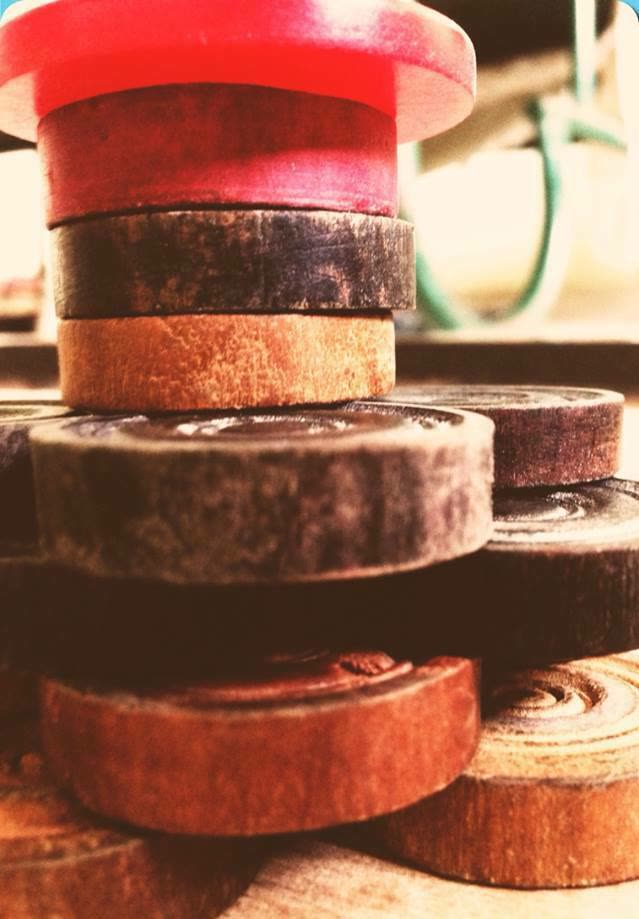
A standard carrom game uses a defined mix of coins. A typical set has separate colors (often nine light, nine dark) plus a single queen, as described in the carrom overview. That composition matters because it tells you how many full playing sets you can support from a bulk order.
Specialist retailers simplify this by selling bundled “essentials” kits. For example, PlayCarrom’s essentials kit combines coins, at least one striker, and a container of powder into a replacement package. You pay one product price, but you’re really buying three components. If you tried to source each piece separately — coins from one seller, striker from another, powder from a third — you’d add extra shipping charges and handling fees to every order.
For US buyers, the total price you pay for carrom coins and supplies typically has these parts:
- Product cost – the base price of coins, striker, powder, or a bundled kit.
- Domestic shipping – parcel shipping from the retailer or marketplace seller to your address.
- Cross‑border shipping (if importing) – higher per‑parcel or per‑carton charges for international transport.
- Customs and import fees (if importing) – duties, taxes, and brokerage fees that can apply to shipments from India or other countries.
That’s why a low headline price on coins doesn’t guarantee a cheaper setup. A bundled kit with slightly higher product cost can still win on total cost because you only pay for one shipment and you get all the pieces you need.
Why Prices Vary: Quality, Sets, Volume, and Shipping Choices
Prices for carrom coins and supplies can look random until you break them into a few practical variables.
Quality and grade
Manufacturers such as Siscaa in India list multiple grades of carrom coins: home‑use sets, tournament‑oriented sets, and coins in different thickness ranges. Higher‑grade coins are designed for smoother play and consistency, which takes tighter manufacturing and often better materials.
On a budget, home‑grade or “club” coins are usually enough. Tournament coins can cost more per set, and you only really need them if you’re catering to serious players or selling into clubs that care about official specs.
Bundles vs single items
Retailers structure bundles differently:
- Some kits have 24+ coins plus 2 strikers and a jar of powder (good as a complete replacement set).
- Others offer coins only or coins + striker without powder.
Because a standard game only needs one full set of coins plus one striker and powder, a bundle with extra strikers might be more expensive per kit but cheaper per usable set if you plan to support multiple boards.
Here’s a simple way to look at it:
| Purchase type | What you can play with | Editorial cost effect |
|---|---|---|
| Coins only | 1 set, no striker or powder | Lowest product cost, risky if you lack other gear |
| Coins + 1 striker | 1 set, still need powder | Good for upgrades, shipping still separate for powder |
| Coins + striker + powder kit | 1 complete playable set | Higher item price, often better total value once shipping is included |
| Multi‑kit bundle | Several complete sets | Higher upfront spend, lower per‑set cost for small resellers |
If you’re reselling, count how many fully playable sets each shipment supports. A box with ten coin sets but no powder might sound cheap — until your customers complain that they can’t use the board properly.
Volume and shipping
Carrom coins are dense, and most production is centered in India. Indian suppliers like SportsSuppliers.in show sets designed with export in mind, but the more weight you ship internationally, the bigger the shipping bill.
For small volume (one to five sets):
- Domestic shipping from a US reseller is usually cheaper and simpler.
- International shipping and potential customs fees can easily erase the savings from a lower unit price.
For bulk volume (a carton of sets or recurring restocks):
- Per‑set shipping cost drops when you combine many sets into one parcel.
- It can become economical to buy closer to the manufacturing source — as long as you plan for duties and fees.
The tradeoff is simple: pay a bit more per set to avoid complexity, or accept more logistics work to push your per‑set cost down.
Cheapest Places to Buy: US Retailers, Marketplaces, and Cross‑Border Sourcing
For US buyers and small shops, the “cheapest” channel changes once you include every cost, not just the coin price.
US specialty retailers and sports shops
Specialist carrom sites such as PlayCarrom or multi‑sport retailers like ME Sports Supplies typically:
- Stock imported coins, strikers, and powder already in the US.
- Offer complete kits that solve your replacement needs in one purchase.
You pay retail margins, but you avoid international shipping, customs, and long lead times. For:
- Home use – This is usually a budget‑friendly overall route once you factor in simplicity and predictable delivery.
- Small ecommerce sellers offering a few boards – Buying domestically keeps operations light and predictable.
General marketplaces (Amazon, eBay and similar)
Large marketplaces often list carrom coin sets from different brands, including unbranded imports and small resellers. Budget sets here can be very cheap, but quality swings more widely — coins can be lighter or less consistent, and kits may leave out powder or extra strikers.
This route is best if you:
- Need one or two sets fast.
- Are comfortable filtering by reviews and photos to avoid obviously flimsy gear.
Indian manufacturers and export‑oriented suppliers
India is a core production base for carrom. Manufacturers like Siscaa and sports wholesalers such as SportsSuppliers.in show:
- Multiple grades of coins, from home to tournament.
- Thickness options and pack formats aimed at resellers.
Direct sourcing from these channels offers:
- Lower factory‑side prices per set.
- Better control over grade and specifications.
But your landed cost will also depend on:
- International freight or courier charges.
- Any duties, taxes, and brokerage fees on arrival.
For a small US shop, this path makes sense if you’re restocking many boards and can handle import paperwork. If you only move a few sets per month, domestic resale often stays cheaper and far simpler.
Cross‑border marketplaces (including DHgate)
If you want bulk pricing without building one‑to‑one relationships with manufacturers, cross‑border marketplaces can be a middle ground. Platforms that connect US buyers with overseas suppliers may list boxes of coins, kits, or mixed carrom accessories.
DHgate is one such marketplace. It can be relevant if you’re:
- Buying in bulk (for example, outfitting a club or stocking an online store).
- Comparing offers from multiple overseas suppliers in one place.
To keep this budget‑friendly and safe, treat each listing like a mini sourcing project:
- Check seller history and listing detail for coin material, set composition (do you get queen coins, strikers, powder), and minimum order quantities.
For larger sourcing decisions, it’s often helpful to understand how DHgate compares with other big marketplaces via resources like this broader marketplace comparison and to read up on customs cost structure in guides such as this explanation of import fees.
Quick Ways to Cut Your Spend Without Wrecking Quality
A few focused tactics usually deliver better savings than hunting for the absolute lowest coin price.
1. Decide your grade honestly
If you’re equipping family game night or casual customers, home‑grade coins from reputable importers are enough. Reserve tournament‑grade sets for serious players or niche resale.
2. Favor complete kits for low volumes
A coins + striker + powder bundle from a specialist retailer often beats piecing together supplies from multiple sellers, once you count shipping and your time.
3. Match volume to channel
- 1-5 sets: US retailers or mainstream marketplaces.
- 10+ sets or recurring orders: start pricing Indian manufacturers and cross‑border marketplaces, but only after a full landed‑cost calculation.
4. Standardize on one set composition
Use the standard coin mix described in the carrom rules to plan inventory. Knowing exactly how many playable sets you get from each carton prevents over‑buying or ending up with unusable leftovers.
Budget carrom isn’t about chasing the cheapest coins on the internet; it’s about buying the right grade, in the right bundles, through the channel that fits your volume. Do that, and you’ll avoid both overspending and the frustration of gear that doesn’t play well.