
Topre keyboards and switches are almost never cheap. For a Canadian buyer, even the “entry-level” genuine Topre boards usually land well above mainstream mechanical keyboards once you add shipping, import fees, and the cost of compatible keycaps. If you’re on a tight budget, the sensible move is to treat Topre as a premium niche: decide whether you truly want that specific electrostatic capacitive feel, then compare the total landed cost against very good MX-style or electrocapacitive alternatives that are far more affordable.
If you just want a comfortable, quiet, high-quality keyboard, budget mechanical boards can get surprisingly close in day‑to‑day use at a much lower price. Paying for genuine Topre makes the most sense when you care about the exact feel and sound, not just “nice to type on.”
How Much Do Topre Keyboards and Switches Really Cost?
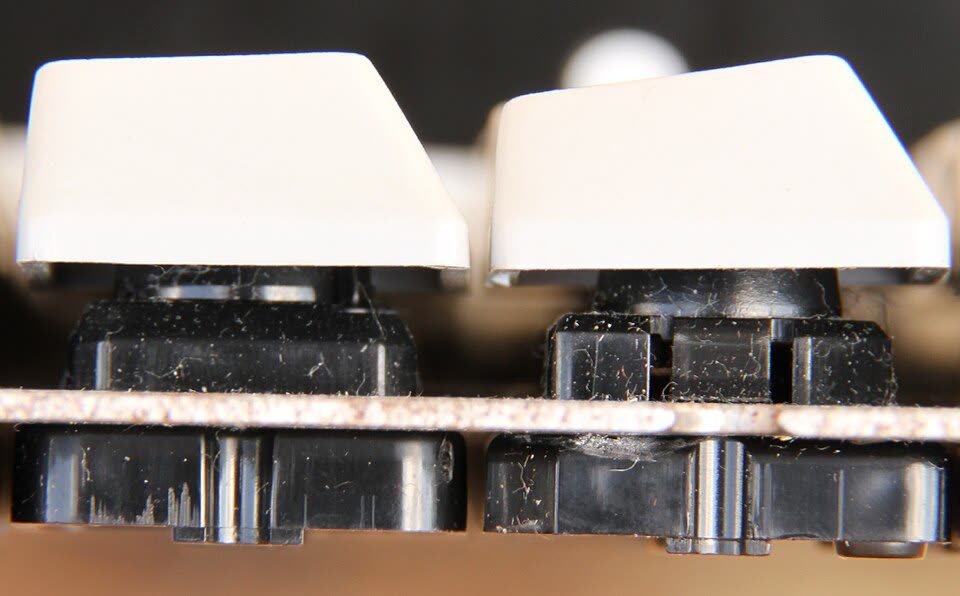
Topre Corporation makes electrostatic capacitive switches that combine a rubber dome with a sensing PCB. Instead of metal contacts, the PCB senses changes in capacitance as you press the key. Enthusiast coverage of Topre highlights a distinct, cushioned tactile bump and relatively quiet sound compared with most mechanical switches, especially clicky ones.
That unique feel sits in a premium price bracket. Common genuine Topre options like HHKB and Realforce boards are consistently described by independent guides as premium-priced, above mainstream mechanical boards you’d find at a big-box store or on Amazon. Even without quoting exact numbers, the pattern is clear: you’re paying a noticeable markup for a niche technology and limited production runs.
For a Canadian buyer, the cost stack usually looks like this:
- Keyboard price – The base price of HHKB, Realforce, or other genuine Topre boards is already high compared with budget mechanical models.
- Shipping from Japan, the US, or Europe – International shipping pushes the total up, especially if you choose tracked or expedited services.
- Keycaps and compatibility – Topre-compatible keycaps are far less common than MX-style sets. As FKcaps explains, aftermarket options exist but selection is limited and often priced above mass‑market MX sets. This matters if you care about aesthetics, profiles, or replacement down the line.
A quick way to sanity‑check your budget: compare the total (keyboard + shipping + estimated import taxes + any planned keycaps) against a solid mid‑range MX mechanical keyboard from a reputable brand. For many buyers, the difference can easily look like “nice board versus two nice boards,” which forces a clear decision about how much you value that specific Topre experience.
Price Drivers and Tradeoffs: Genuine Topre vs Budget Alternatives
Enthusiast editors often call out several reasons genuine Topre boards stay expensive:
- Niche technology – Electrostatic capacitive designs are harder to mass‑produce and tune than typical MX-style mechanical switches. Fewer factories and less commoditized tooling means higher per‑keyboard cost.
- Limited layouts and brands – If you want genuine Topre, you’re mostly looking at HHKB and Realforce and a handful of other models. There’s no flood of budget clones in every layout, which keeps prices elevated.
- Low customization – Many Topre boards are not hot‑swappable and use unique keycap mount styles. That cuts down on economies of scale in the aftermarket compared with Cherry‑style MX, where keycaps and switches are interchangeable across thousands of boards.
On the other side of the scale are value-focused alternatives. Competitor coverage points to boards like the Epomaker TH80 Pro and 1STPLAYER MK6 as examples of budget mechanical keyboards that offer very respectable build quality and comfortable typing at far lower prices than genuine Topre. They don’t replicate the electrostatic capacitive feel exactly, but for a lot of people who just want a cushioned, quieter experience, these MX boards are “good enough” and leave more money in the budget.
A compact comparison helps frame the tradeoffs:
| Option type | Feel & sound (editorial) | Customization & keycaps | Relative cost vs genuine Topre |
|---|---|---|---|
| Genuine Topre (HHKB, Realforce) | Distinct cushioned tactile, quiet | Limited layouts; scarcer keycaps; non‑MX | Highest |
| Electrocapacitive clones/alternatives | Aims for similar soft tactile feel | Varies; often more flexible than Topre | Lower |
| MX-based budget mechanical boards | Wide range from soft to clicky | Huge keycap ecosystem; hot‑swap common | Lowest |
For a tight budget, that last row is where most value lives. Genuine Topre makes more sense for buyers who know they prefer the electrocapacitive feel and are willing to trade cost and flexibility for that niche experience.
For small ecommerce businesses, Topre’s higher unit cost and narrower audience also make it hard to build high‑margin, budget‑oriented offerings. Budget MX boards are usually easier to stock, customize with popular keycaps, and price competitively.
Choosing a Sourcing Channel and Cutting Total Cost
You have three main sourcing paths for Topre or Topre‑like boards as a Canadian buyer: retail/specialist stores, global marketplaces, and importing alternatives.
- Retail and specialist keyboard stores – Buying HHKB or Realforce through an authorized regional reseller keeps things simple and offers clearer warranty support, but you’ll usually pay the highest sticker price. For a personal purchase, this can be worth it if you want a straightforward transaction.
- Importing budget alternatives instead of Topre – If your priority is a comfortable, quiet keyboard at a lower price, importing value‑oriented MX boards (like the Epomaker or 1STPLAYER examples highlighted in competitor coverage) often makes more sense than chasing genuine Topre. You still need to factor in shipping and taxes, but the starting price is much lower, leaving room for keycaps or accessories.
For small resellers targeting budget-conscious customers, sourcing widely available MX-based boards through wholesale channels (including marketplaces that support bulk orders) generally offers more margin and broader appeal than niche Topre stock. An internal guide on using DHgate for wholesale can help frame that choice for MX and accessory lines: find wholesale suppliers on DHgate.
Practical Ways to Keep Your Topre Budget Under Control
If you decide genuine Topre is still worth it, you can reduce the financial sting without cutting corners on safety or quality.
- Decide early on layout and weight
HHKB-style compact layouts and different Topre weights (often around 45g, 30g, etc., depending on model) change what keycaps and boards you can use. Locking this in before you buy reduces the risk of expensive, incompatible accessories later.
- Treat keycaps as part of the keyboard budget
Because Topre-compatible caps are scarcer than MX sets, plan for them upfront. Read product pages and guides like Topre & EC explained to understand mounting styles and profiles before you order anything. That’s especially important if you’re importing to Canada, where return shipping can quickly erase any savings.
- Compare landed cost, not just sticker price
Build yourself a simple comparison: keyboard price in the seller’s currency, approximate shipping, a rough estimate of sales tax/duty using your province’s rate, and one keycap set if you plan to customize. Put that next to a good budget MX board plus a widely available keycap set. Seeing the totals side by side often clarifies whether Topre is a treat or a sensible daily driver for your budget.
- For resellers, test demand before going deep
If you run a small store, consider starting with a very limited run of Topre or electrocapacitive boards alongside your MX inventory rather than committing to large orders. Their niche status and higher unit cost can squeeze margins; using them as a premium upsell instead of your core budget offering often aligns better with what customers will actually pay.
If you reach the end of that exercise and still want genuine Topre, you’re likely the kind of buyer who will appreciate it long-term. If not, budget mechanical boards and electrocapacitive lookalikes give you most of the comfort with far less financial pressure, which is exactly the kind of tradeoff a budget-focused Canadian buyer or small ecommerce business should be willing to make.