
Yes, you can find affordable ringless binders online, but the truly cheap option isn’t always the best value. Your final cost depends on what type of ringless binder you need (simple clamp folder vs high‑capacity card album), which features you care about, and whether you’re buying a few units domestically or importing a bulk order.
If you’re a US buyer or small ecommerce seller, the smart move is to match the binder style and sourcing channel to how you’ll actually use it. Basic clamp binders for office documents are often cheapest from US office suppliers, while premium trading card binders and eco variants may be more cost‑effective from specialty brands or cross‑border marketplaces—once you factor in shipping, duties, and your time.
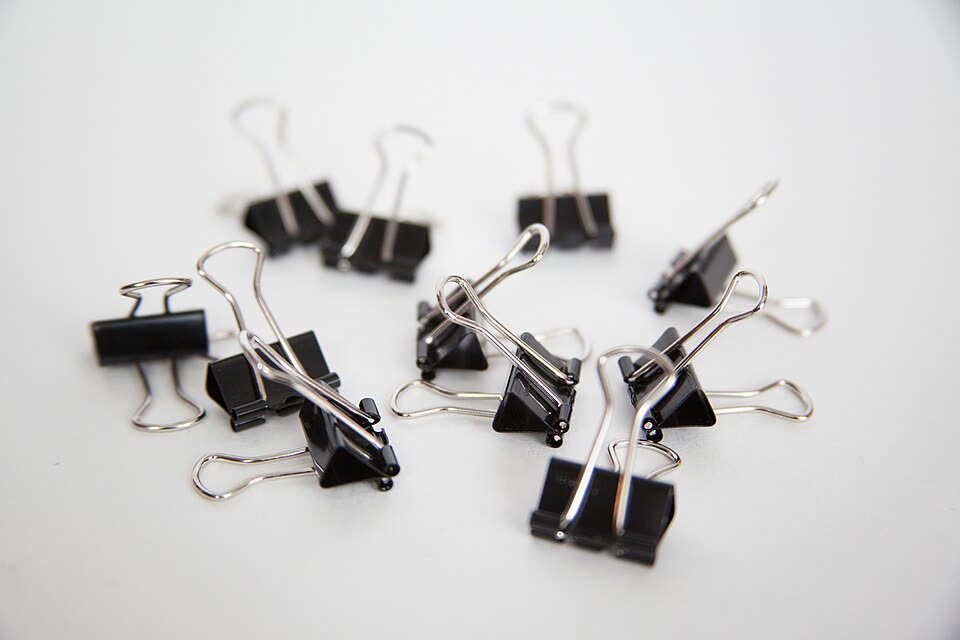
What Ringless Binders Are and What Really Drives Their Cost
“Ringless binder” covers two different product families, and mixing them up leads to bad cost comparisons.
1. Clamp / punchless office binders
These are often sold as clamp or punchless binders. Instead of metal rings, they use a clamp or slide mechanism that grips your documents without hole punching. That preserves the page and keeps the stack flatter than a traditional ring binder, which can matter for presentations or signed documents. You can see this style in A4 products like the Smartpapercuts ringless binder and punchless clamp binders listed on Walmart Business.
2. Ringless trading-card binders and albums
Collectors often use “ringless” to describe card albums that use fixed multi‑pocket pages instead of loose 3‑ring sheets. Premium binders in this category commonly advertise capacities in the 900-1,000+ card range, using double‑sided 9‑pocket pages made from non‑PVC, acid‑free materials to reduce yellowing. Many listings highlight zipper closures or side‑loading pockets as extra protection.
3. The real cost structure
For either type, your total spend isn’t just the sticker price. Four components matter:
- Product price – driven by materials, capacity, branding, and any special features (zipper, eco paper, custom printing).
- Shipping and handling – domestic shipping is usually predictable; cross‑border freight can swing your landed cost significantly.
- Taxes and duties – sales tax for US retail vs potential customs duties and import fees for cross‑border sourcing.
- Sourcing overhead – the time you spend comparing suppliers, checking samples, and managing issues. This matters a lot for small ecommerce buyers importing dozens or hundreds of units.
For a single office binder, product price dominates. For a case of card binders you plan to resell, shipping, duties, and your overhead can quickly outweigh a small per‑unit discount.
Features, Capacity, and Order Details That Push Prices Up or Down
Once you know which type of ringless binder you need, the next question is which features are worth paying for.

Office clamp binders: basic vs premium
US office suppliers and retailers such as Global Industrial stock clamp‑style ringless binders alongside traditional ring binders. Within that category you’ll see a few clear price tiers:
- Basic plastic clamp binders – simple clear or tinted poly covers, a metal clip or clamp, and limited capacity. Best for handing out proposals or storing short reports. These are typically the budget choice.
- Premium or design‑focused binders – thicker covers, better clamps, and sometimes a view front you can customize for branding. These cost more per unit but can look more professional in client‑facing settings.
- Eco‑friendly and kraft-paper options – specialty products, such as kraft‑finish binders on sites like Smartpapercuts or similar listings on Etsy, tend to price higher than basic plastic because they target a niche (sustainable or aesthetic stationery).
If your main goal is low cost for internal paperwork, basic plastic clamp binders usually deliver the best value. If you’re selling curated office kits or gifting binders as part of a brand package, design and eco features can justify higher pricing in your own storefront.
Trading-card binders: capacity and protection
Premium ringless card binders often highlight numbers like 900-1,000+ card capacity using 9‑pocket pages and double‑sided layouts. Cost differences here usually come from:
- Card capacity per binder – more pockets and pages mean more material and higher unit cost, but lower cost per card slot.
- Page material – acid‑free, PVC‑free pages marketed to sports card or TCG collectors are priced as protective upgrades.
- Closures and layout – zippered covers, side‑loading pockets, and thicker padding add cost but protect the cards better in transit.
For a personal collection, you’d weigh price against how valuable your cards are. For ecommerce sellers, you decide whether you want to stock budget 240-360‑card albums for casual buyers or higher‑capacity premium binders for serious collectors.
How order size and timing change unit economics
Order details matter just as much as features:
- Bulk quantity and MOQs – buying ten clamp binders may not change much, but once you’re ordering cases for resale, unit cost almost always falls. The tradeoff is tying up cash and storage space.
- Combining items – bundling ringless binders with other office supplies (binder rings, clips, dividers) can spread shipping costs over more units. Simple hardware like binder rings is widely described as a cost‑effective organizational tool compared with more complex systems, which is why they often appear in budget office bundles.
- Seasonal timing – school and tax seasons can tighten supply or push up prices on certain binder formats. Off‑peak buying windows may yield better offers if you can store inventory.
A practical metric for card binders is cost per card slot rather than per binder. For office binders, focus on cost per usable document (how many sheets it actually holds) plus any branding impact.
To make these tradeoffs clearer, here’s a simple capacity‑focused comparison:
| Binder type | Typical capacity example | Cost impact focus |
|---|---|---|
| Basic clamp office binder | ~100 letter/A4 sheets | Lowest unit price; simple features |
| Premium clamp binder with view front | Similar sheet capacity | Higher price for design/branding |
| Eco kraft ringless binder | Varies by design | Higher price for eco/aesthetic |
| Mid-range card album | ~240-360 cards (4-6 pockets/page) | Lower upfront cost per binder |
| Premium ringless card binder | 900-1,000+ cards (9 pockets/page) | Higher unit price, lower per-slot |
The exact numbers vary by brand, but the pattern—paying more for capacity, protection, or eco design—is consistent.
Choosing the Best Sourcing Channel and Cutting Total Cost Safely
With features and capacity sorted, the last decision is where to buy.
Domestic retail and office chains
For small volumes—say, outfitting a single office or buying binders for one trading‑card collection—US retailers and office chains are usually the simplest path:
- Clear specs and photos in English.
- Predictable sales tax and shipping inside the US.
- Easy one‑off returns at store level.
This channel favors buyers who care more about reliability and speed than squeezing out every last cent of savings.
Domestic wholesale and B2B suppliers
If you’re a small ecommerce brand or a local office‑supply reseller, regional wholesalers and B2B distributors (like the ones listing binders on Global Industrial) can offer better unit economics on case packs of clamp binders or card albums without adding customs complexity.
They make sense when:
- You’re buying dozens to hundreds of units.
- You want stable specs and reorderability.
- You prefer domestic invoicing and simpler tax handling.
Cross-border marketplaces (including DHgate)
Cross‑border marketplaces open up more designs and potentially lower base prices, especially for notebook systems and binder formats that aren’t widely stocked in US stores. Platforms like DHgate function as sourcing marketplaces where overseas sellers list budget‑friendly binders and notebook systems among many other office products.
Quick scenarios: which channel is likely to fit?
Here’s a compact way to think about it:
| Buyer scenario | Binder type | Likely best channel |
|---|---|---|
| One office team needs 20 document binders | Basic clamp ringless binders | US retail or office chains |
| Local shop selling office kits | Mix of clamp and eco kraft binders | Domestic wholesale or specialty stationery suppliers |
| TCG seller launching a premium binder line | 900-1,000+ card ringless albums | Domestic wholesale or cross‑border marketplace (after a careful landed‑cost check) |
| Collector storing high‑value cards at home | Zippered, acid‑free card binder | US retail/specialty or a vetted cross‑border seller for unique designs |
When you look at a scenario like the TCG seller row, the key budget step is to model landed cost side‑by‑side: domestic wholesale case pricing versus an import option that may have lower base prices but higher shipping, duties, and sourcing overhead.
Budget Checklist: Concrete Ways to Lower Your Spend
To pull this together, here’s a focused checklist tailored to ringless binders and office supplies:
- Decide your category first – office clamp binder vs trading‑card binder. Don’t compare card‑album prices to simple folders; the cost structures are different.
- Use capacity-based metrics – compare card binders by cost per card slot and office binders by cost per sheet, not just per binder.
- Skip features you don’t need – if you never travel with your binders, you may not need zip closures or extra padding. For internal paperwork, basic plastic clamp binders usually beat eco or designer versions on pure cost.
- Bundle hardware and binders – buying binder rings, dividers, and clamp binders together from the same supplier can keep shipping and handling overhead under control.
- Test one or two SKUs before scaling – for ecommerce, order a small batch of any new ringless binder style to check clamp strength, page quality, and real capacity before committing to a larger run, especially cross‑border.
If you follow those steps, you can usually find an affordable ringless binder solution that fits both your usage and your budget—whether that’s a simple clamp binder for office paperwork or a high‑capacity ringless album for the card business you’re building.