
Starting a small robot project from Australia is easiest if you pick a simple, well-documented kit first, then grow into loose parts. For most hobbyists and schools, that means a line-following robot car, a small programmable rover, or a desktop robot arm that includes its motors, sensors, controller, and build instructions. You can find these as all‑in‑one STEM kits from Australian retailers or as modular kits on marketplaces like Amazon and eBay; once you’re comfortable, you can start sourcing individual servos, wheels, and microcontrollers from broader channels.
This guide walks through what “robot projects and kits” actually cover, how different kit styles affect your learning and margins, and which sourcing routes make sense from Australia.
What Counts as a Small Robot Project and Kit?
A small robot project is typically something you can assemble on a desk and power from batteries: a two‑ or four‑wheel car, a simple gripper arm, or a sensor‑driven gadget like a light‑seeking bot. A robot kit is the bundle of parts and instructions that lets you build one of those without having to spec every component yourself.
General‑purpose robotics kits usually include:
- Structural parts (plastic beams, brackets, wheels or tracks)
- Actuators (DC motors or servos)
- Sensors (line trackers, distance sensors, light sensors)
- A controller (microcontroller board or programmable brick)
- Cables, screws, and a power option
Systems like Lego Mindstorms and Bioloid are classic examples of this “all the basics in one box” approach, bundling structural parts, motors, sensors, and a programmable controller with software examples.
Australian STEM‑oriented sites take a similar stance. For instance, STEM Learning positions robotics and electronics kits explicitly as tools to build engineering and programming skills through hands‑on projects. That’s the mindset you should look for: a kit is not just hardware, it’s a path through a project.
For a first project, aim for:
- One clear task (follow a line, avoid obstacles, pick up small objects)
- A controller you can program in a beginner-friendly language
- Documentation that assumes no prior robotics experience
Types of Robot Kits and Project Paths
Different kit styles lead to very different experiences—and sourcing needs—down the line. Australian robotics retailers make this visible by how they group products.
Robot Gear’s robotics kits category shows three broad types in practice: educational all‑in‑one kits, chassis kits, and electronics‑centric kits. Here’s how they compare.
| Kit type | What’s in the box | Good for | Expansion potential |
|---|---|---|---|
| Educational all‑in‑one | Chassis, motors, sensors, controller, instructions, examples | First robot, school STEM programs | Add sensors, tweak code |
| Chassis‑only | Frame, wheels/tracks, motor mounts (sometimes motors) | Builders who already own controllers | High: choose any electronics stack |
| Electronics‑centric | Microcontroller, motor drivers, sensors, loose components | Tinkerers comfortable with breadboarding | Very high but more complex |
Educational all‑in‑one kits
Australian brands such as MRT Robotics and Hayne Robotics sell STEM‑focused robot kits aimed at schools and families. These often include a complete rover or similar robot plus curriculum‑style activities.
This path suits you if:
- You want a guided experience with minimal soldering
- You’re teaching a class or club and need repeatable activities
- You’d rather spend time on programming and problem‑solving than hardware selection
For a micro‑store reselling kits, these educational bundles can be attractive because they come with their own story: “learn coding while you build this robot.” Your sourcing focus becomes negotiating wholesale terms with a small number of kit suppliers rather than juggling dozens of loose parts.
Chassis‑only kits
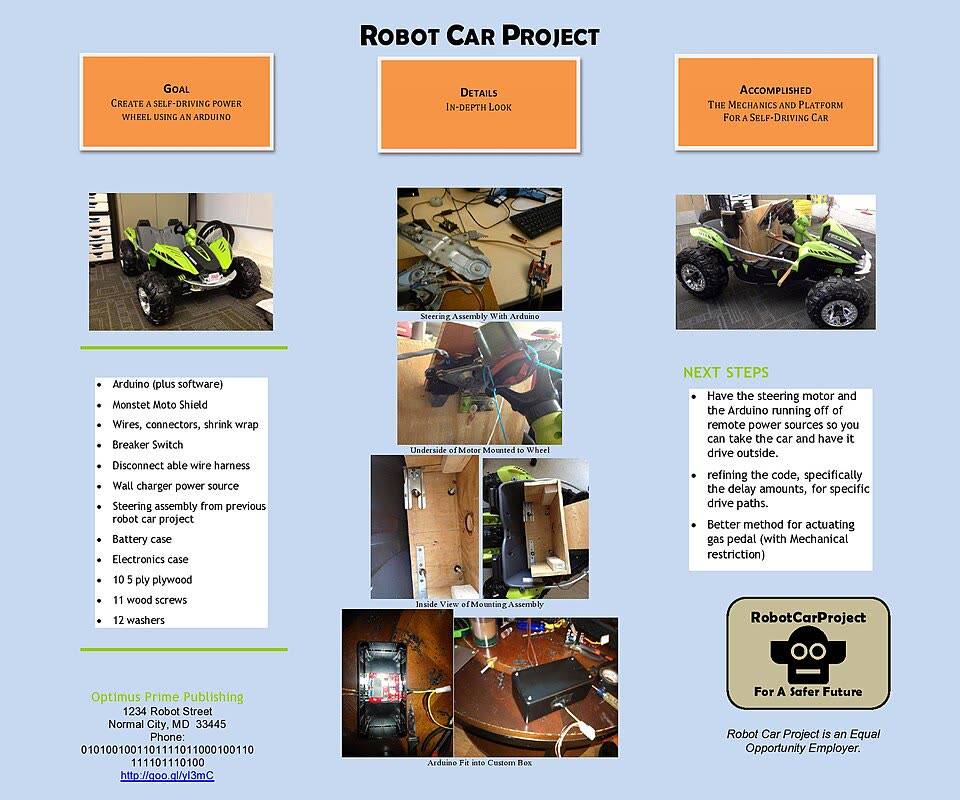
Retailers like Jaycar and Robot Gear carry two‑ and four‑wheel drive chassis kits: a frame, wheels, motor mounts, and sometimes motors, but no controller.
Choose this if:
- You already own an Arduino, Raspberry Pi, or similar board
- You want more control over which sensors and motor drivers you use
- You’re okay wiring and mounting parts yourself
This path is ideal for building a small fleet of similar robots where the mechanical platform is identical but the electronics and code vary. For resellers, it opens margins: you can bundle a generic chassis with your own curated electronics set.
Electronics‑centric kits and loose parts
Electronics‑centric kits focus on boards, sensors, and drivers. Some Australian shops (for example Wiltronics’ robotics kits and accessories) combine these with chassis options, while global suppliers offer motor driver boards, sensor assortments, and microcontroller starter packs.
This path works if:
- You enjoy circuit-level tinkering and debugging
- You want to design a robot that doesn’t fit into standard rover or arm templates
- You’re setting up a parts inventory for your own brand of kits
The trade‑off: you gain maximum flexibility, but your sourcing workload jumps—you’ll be buying motors, brackets, wheels, batteries, and sensors separately and managing compatibility yourself.
How to Choose Parts and Sourcing Channels from Australia
Once you know which project path fits, the next question is where to buy. Australians have a mix of local specialist stores and global marketplaces to work with, each better for different situations.
Key buying factors for Australians
Before picking a channel, focus on:
- Documentation quality: Does the kit come with clear build steps and example code? STEM‑oriented sites like STEM Learning and MRT Robotics typically foreground instructions and educational framing, which is helpful for beginners.
- Compatibility: Check that motors, voltage ratings, and communication interfaces match the controller you plan to use. A chassis designed around 6-12 V DC motors may not play nicely with a tiny microcontroller board that can’t drive them directly.
- Local support vs. breadth of choice: A nearby retailer like Robot Gear or Jaycar gives you easier returns and human help; global marketplaces give you more exotic parts and price competition but with more variance.
- Risk management for cross‑border electronics: For overseas orders, plan extra time and budget for incompatibilities—keep a spare motor driver or servo on hand, and avoid relying on a single untested seller for classroom deadlines.
A compact checklist while comparing listings:
- Does the description list all included components and their specs?
- Is there a link to a user manual, GitHub repo, or lesson plan?
- Are photos real product photos, not only renders?
- Are there reviews mentioning actual builds, not just “arrived fast”?
Local Australian specialist stores
Local robotics and STEM retailers are a strong starting point for a first project:
- Robot Gear: diverse kit categories (rovers, arms, electronics kits) useful as a menu of project ideas.
- Hayne Robotics and MRT Robotics: focus on family and school STEM robots, helpful if you want kits already framed for teaching.
- Wiltronics: mixes kits with accessories so you can add parts as you go.
These shops let you sanity‑check parts in a local context—voltage standards, classroom constraints, and support expectations similar to yours.
Global marketplaces and open projects
Global marketplaces such as Amazon, eBay, and Alibaba typically list a wide range of robot kits and parts at different price points, from generic two‑wheel cars up to more advanced sensor suites. You’ll also see open‑source robot projects spun out of Kickstarter‑style campaigns, where teams publish their designs and sometimes sell kits.
For hobbyists, these channels are useful for:
- Bulk buying standard parts (micro servos, wheels, motor drivers)
- Exploring niche modules (unusual sensors, camera boards)
- Joining communities around specific open projects
For micro‑sellers, marketplaces help you test which SKUs draw interest before investing in local stock—though you still need to validate parts quality yourself.
Where DHgate fits in this mix
DHgate isn’t a primary destination for beginner kits, but it sits alongside platforms like Alibaba as a marketplace where you can source robot parts and some kits from overseas sellers. Its blog’s advice on affordable robot parts stresses practical steps that apply no matter where you shop: research online suppliers, consider budget‑friendly alternatives like 3D‑printed components, and compare prices and quality before committing to a seller.
If you’re evaluating DHgate for parts sourcing:
- Treat it as one of several marketplaces in your search, not your only option
- Use detailed component lists and photos to cross‑check compatibility
If you need help understanding DHgate itself before you go that route, you can read what DHgate is and how the marketplace works and then, if relevant, look at how to find trusted sellers on DHgate or the order‑readiness checklist before checkout.
Choosing Your First Path: Hobbyist, School, or Micro‑Store
To turn all this into a decision:
- Solo hobbyist: Start with an educational all‑in‑one rover or arm kit from a local STEM‑focused store, then graduate to a chassis kit plus your own Arduino once you’ve finished the bundled projects.
- School or club: Look for Australian STEM brands that package robots with classroom activities. Aim for kits that can survive multiple student cohorts and have spare parts available locally.
- Micro‑store or small ecommerce business: Test demand using well‑documented educational kits, then develop your own bundle built around a standard chassis and a curated electronics set. Source parts from a mix of Australian wholesalers and global marketplaces, adding more modular electronics kits only after you’re confident in your quality checks.
Starting small and well‑supported matters more than chasing the most exotic parts. Once you’ve shipped your first robot down the hallway or across the classroom, you’ll have the confidence—and the sourcing experience—to tackle the more ambitious builds.