
Patchwork quilts and bedding are sold across several kinds of online platforms: big‑box retailers, peer marketplaces, specialist quilt shops, and cross‑border sourcing sites. For a one‑off bed makeover, you’ll usually have a smoother experience on US retail sites or niche quilt stores. If you’re a small ecommerce seller trying to source multiple patchwork sets, you may need to look at marketplace or cross‑border supplier platforms, but you’ll take on more verification work and risk.
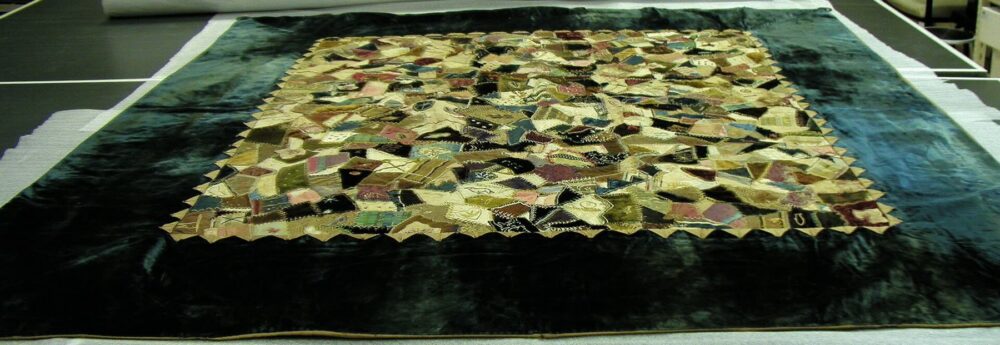
Patchwork quilts are made by sewing pieces of fabric into a larger design, usually layered with batting and backing to create a textured, durable bed covering.Patchwork quilt overview They’re currently treated as a style trend in home magazines, with options ranging from rustic country looks to colorful modern designs.Patchwork quilt trend feature That demand is reflected in how many different platform types now carry patchwork bedding.
How Patchwork Quilts and Bedding Are Sold Online
For US buyers, patchwork quilts show up in four main online channel types:
- Big‑box retail websites
Major chains like Home Depot, Target, Walmart and similar sites have dedicated patchwork quilt and bedding categories. Home Depot, for example, lists patchwork designs under its quilts and coverlets department.Home Depot patchwork quilts These platforms operate as traditional retailers: you’re buying from the store, not directly from individual makers.
- General home‑goods and furniture retail sites
Sites in the home decor and furniture space (such as Birch Lane or Wayfair) often carve out patchwork quilt or coverlet categories as well.Birch Lane patchwork bedding You’ll find patchwork packaged within broader bedding collections, often with coordinated shams and accessories.
- Peer‑to‑peer marketplaces
Marketplaces like Etsy host thousands of independent sellers offering patchwork quilt bedding sets and custom work.Etsy patchwork quilt sets Instead of one centralized catalog, you’re browsing many micro‑shops, each with their own style and production method.
- Specialist quilt and country‑style bedding shops
Niche sites focus almost entirely on patchwork or country‑style bedding. Patch Magic’s patchquilts.us, for example, organizes its catalog around patchwork bedding collections and coordinated accessories.Patch Magic patchwork bedding These stores curate a specific aesthetic (primitive, farmhouse, Americana), so you get less variety but more coherence.
For small ecommerce businesses, there’s a fifth route: supplier‑focused platforms (often cross‑border) where you buy from manufacturers or trading companies instead of retailers. These matter more for bulk orders than for a single bedroom.
Platform Models: How Each Channel Shapes Your Buy
Each platform type structures the buyer–seller relationship differently, and that affects how you choose patchwork quilts.
Big‑box and home retail sites
On big‑box platforms like Home Depot or Target, patchwork quilts are treated like any other bedding line.Target patchwork quilts You typically see:
- Standardized SKUs: quilts grouped by size (twin, full, queen, king), sometimes reversible or part of a 3‑piece set.
- Brand‑led assortment: a mix of house brands and third‑party bedding brands, but all filtered by the retailer’s buying team.
- Emphasis on materials and care: filters for cotton patchwork, machine‑washable sets, and so on.Home Depot cotton patchwork
This model suits you if you want predictable sizing and mainstream quality without digging through individual makers’ profiles.
Peer‑to‑peer marketplaces (Etsy and similar)
On Etsy, “patchwork quilt bedding set” pulls up many independent shops, including:
- Handmade patchwork quilts pieced and quilted by the seller.
- Quilts using printed patchwork‑style fabrics rather than traditional piecing.
- Custom listings where you choose colors, patterns, or even send in fabric.Etsy patchwork quilt sets
Because each listing is its own micro‑brand, you trade retailer consistency for greater design control. This is where you go if you care about originality, customization, or supporting small makers, but you must judge each shop’s quality from photos and reviews.
Specialist quilt and country‑style sites
Platforms like Patch Magic’s patchquilts.us or other primitive‑country bedding sites structure their catalog around patchwork motifs.Patch Magic patchwork bedding You’ll see:
- Collections built around repeating patterns and color stories.
- Matching curtains, bed skirts, pillows, and table linens in the same patchwork themes.
- A heavier tilt towards traditional, rustic, or Americana aesthetics.
This model is helpful if you’re trying to build a cohesive room look or a store collection in a specific style and you don’t want to source pieces from ten different sellers.
Supplier‑focused and cross‑border platforms
Supplier‑focused platforms connect you directly with manufacturers or trading companies, often outside the US. DHgate’s editorial content, for example, discusses patchwork quilts alongside other quilt types and treats online marketplaces as ways to source fabrics and finished quilts from global suppliers.DHgate quilt types article
On these kinds of platforms, the mechanics tend to be:
- Sellers listing patchwork quilts in bulk or offering OEM/white‑label options.
- Pricing that reflects production cost and volume rather than US retail.
- Communication focused on specs (size, filling, fabric, stitching method) and order quantity.
They’re not ideal for a single bedroom purchase, but they can matter if you’re building a patchwork bedding category in your own store and need repeatable supply.
Comparing Channels and Matching Them to Your Patchwork Quilt Needs
The right platform depends on whether you’re shopping for your own home or sourcing for resale, and on how much control you want over design and quality.
Channel comparison at a glance
Here’s a high‑level look at how the main routes differ for patchwork bedding:
| Channel type | Best for | Typical order size (editorial) | Design & customization |
|---|---|---|---|
| Big‑box & home retail sites | Personal bed makeover | Single set per bed | Limited to catalog; cohesive but standardized |
| Peer marketplaces (e.g., Etsy) | Unique or custom quilts | Single or small batch | High; many handmade and custom options |
| Specialist patchwork quilt sites | Themed rooms / niche stores | Single to medium batch | Medium; consistent style within collections |
| Cross‑border supplier platforms | Small ecommerce sourcing in bulk | Small to larger bulk batches | Varies; often negotiable with suppliers |
These are editorial generalizations, not hard rules, but they map well to what you see when browsing each type of platform.
If you’re a US home buyer
- Fastest path to a finished bed: big‑box sites or home‑goods retailers. You get clearly labeled patchwork categories and can filter by size, fiber (e.g., cotton), and color, then buy a complete set from a known store.Home Depot patchwork quilts
- Most personality and story: Etsy and niche quilt shops. You’ll see more traditional pieced patchwork, heirloom‑style items, and makers who explain their process. This route takes more time but gives you more character and often the option to request specific colors or motifs.Etsy patchwork quilt sets
A practical approach: decide whether a mass‑market cotton patchwork set from a big‑box store is “good enough” for your room. If not, shift to Etsy or a specialist site and accept that you’ll spend more time comparing individual quilts.
If you’re a small ecommerce seller
You essentially have three platform strategies:
- Retail arbitrage / curated resale
Buy patchwork sets from big‑box or niche retailers and resell them in a more curated environment (e.g., your own site or local shop). This keeps logistics simple but compresses your margins; you’re buying at retail prices.
- Partnering with independent makers on marketplaces
Work with Etsy or similar sellers to develop exclusive patchwork designs or source small batches. This can differentiate your assortment, but production capacity and consistency depend on each maker.
- Cross‑border supplier sourcing
Use cross‑border marketplaces (such as DHgate, Alibaba‑style sites, etc.) to find patchwork quilt manufacturers who can produce at scale. DHgate appears in editorial content as one marketplace where patchwork quilts and fabrics are part of broader bedding categories, underscoring its role as a sourcing platform rather than a retail brand.DHgate quilt types article
If you explore cross‑border sourcing, treat each supplier listing as its own project: verify fabric content, quilting method, and patchwork construction; request photos or samples when feasible; and read buyer feedback specific to that seller. You can compare how DHgate operates alongside other marketplaces using DHgateWiki’s broader platform articles, such as what DHgate is and how the marketplace works and online marketplaces and shopping platforms compared.
A simple decision rule
- Buy for yourself? Start with big‑box and home‑goods sites; move to Etsy or specialist patchwork shops if you care more about originality than convenience.
- Building a small bedding brand? Use specialist patchwork sites or marketplace makers for early, low‑volume tests. Consider cross‑border supplier platforms only once you understand exactly which quilt styles, sizes, and quality levels your customers respond to.
Patchwork quilts reward careful platform choice because they’re tactile, visual products with big differences in feel and construction. Spending a little time matching your needs to the right channel will usually matter more than chasing the lowest headline price.