
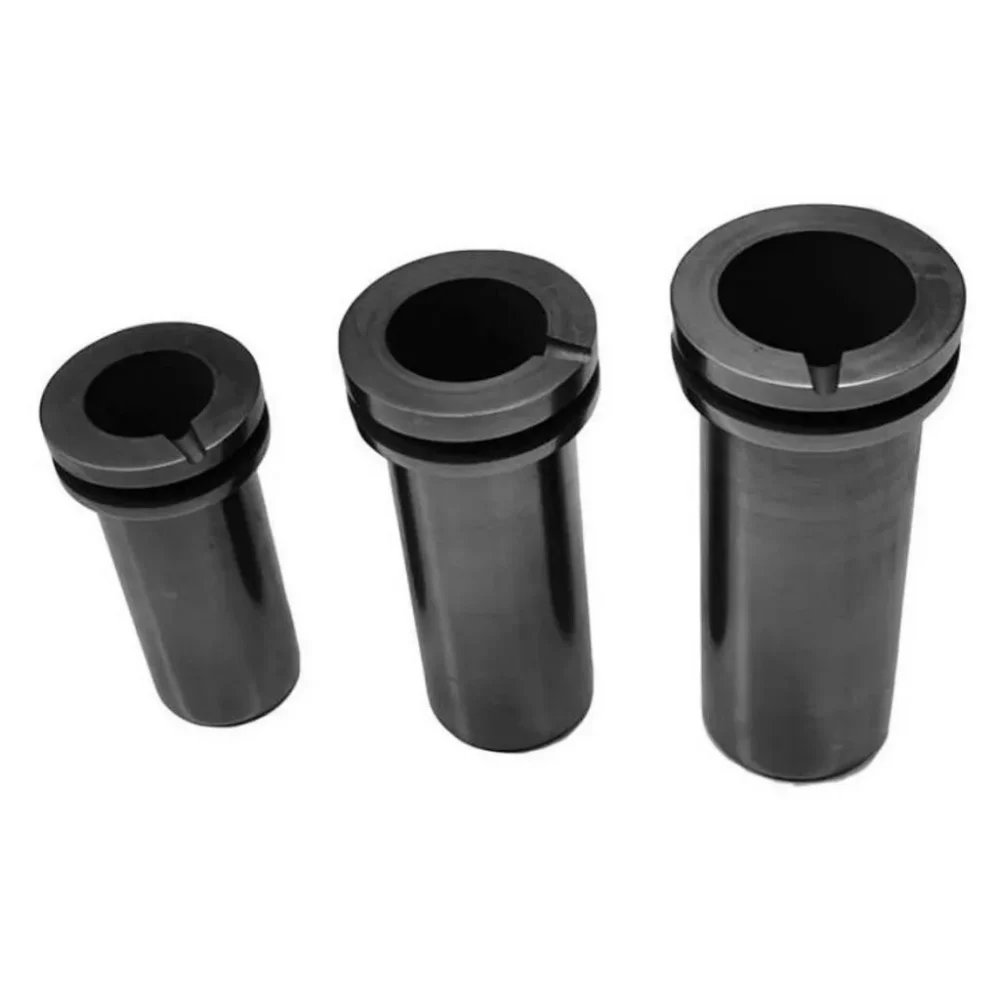
A copper crucible is a specialized high-temperature container used in controlled heating, melting, or metallurgical work. It is not the same thing as the more common graphite or ceramic crucibles many buyers see first in search results. If you are shopping online, the main job is to match the crucible material, size, and intended use to your process before you compare listings. That matters because the term “copper crucibles” can point to different product forms, and some search results may be related rather than exact matches.
What Copper Crucibles Are
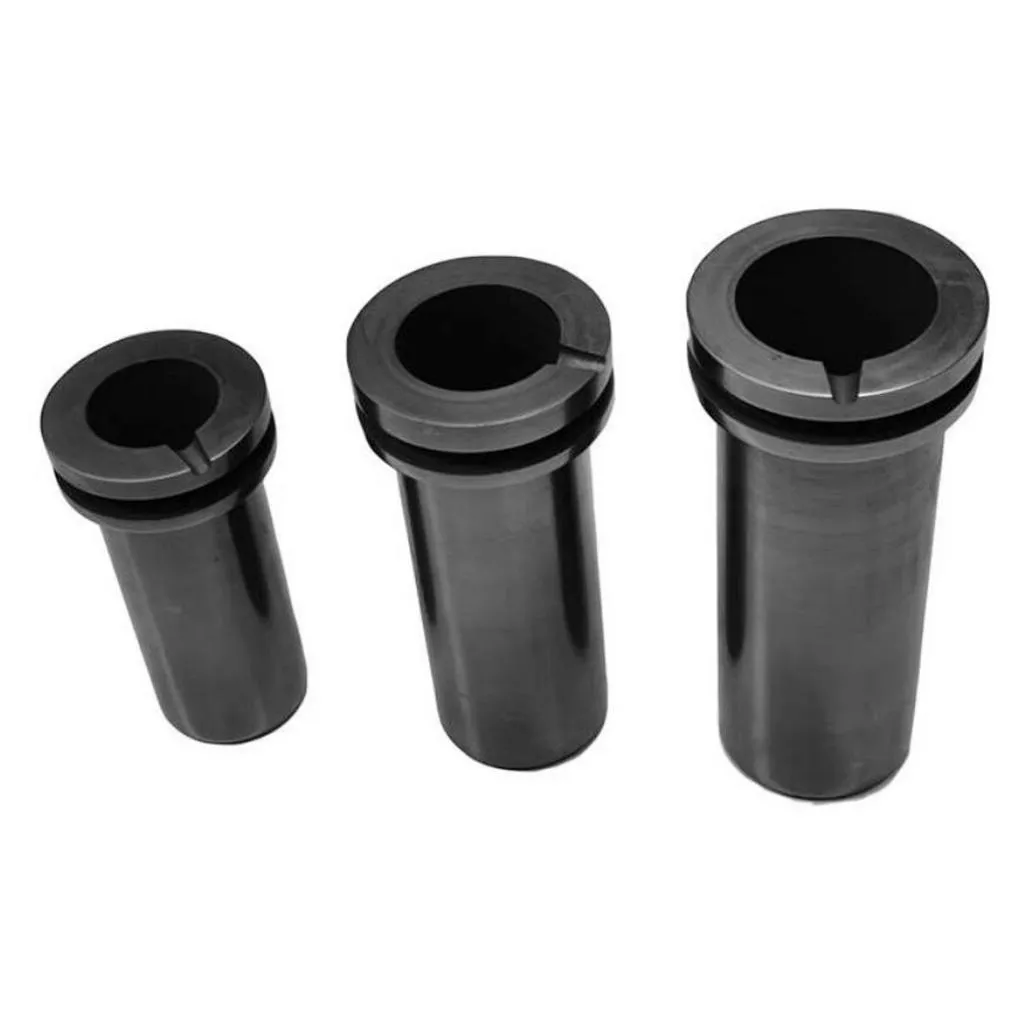
A crucible is a vessel designed to hold materials at very high temperatures. In general use, crucibles are associated with melting metals or handling heated substances in laboratory, casting, or metallurgical settings. A copper crucible specifically uses copper as the container material.
In practice, that makes copper crucibles a niche product. Search results show that buyers often encounter broader crucible categories first, including graphite, ceramic, clay-graphite, quartz, and silicon carbide. Those materials are commonly discussed alongside copper because they are used for metal melting and related high-heat tasks.
A useful way to think about copper crucibles is this: they are defined by both material and application. The material affects heat behavior and compatibility, while the application determines whether the crucible is appropriate for the process.
Short answer: if you are searching for copper crucibles online, start by confirming whether you need a crucible made of copper, a crucible for working with copper, or a related crucible type used in copper melting or casting.
Copper Crucible Types and Selection Basics
Because the search term can overlap with related products, it helps to sort copper crucibles by a few practical dimensions.
1) By material
Search results for this topic point to several common crucible materials:
- Copper: a specialized material choice, usually tied to controlled or niche use cases.
- Graphite: commonly discussed for metal melting and copper-related work.
- Ceramic: often used for cleaner, heat-resistant handling in small-scale melting tasks.
- Clay-graphite: a frequent option in foundry-style use.
- Silicon carbide: often mentioned for durability in copper melting contexts.
If your goal is general metal melting rather than a copper-made vessel specifically, the material choice may matter more than the search phrase itself.
2) By shape
The SERP evidence shows copper crucibles and related crucibles appearing in multiple shapes, including bowl-like, cylindrical, cone, square, rectangle, and boat forms. Shape affects how the crucible is loaded, heated, and poured.
Common shape cues to look for in listings:
- Bowl or cup shape for small melting tasks
- Cylinder or cone shape for certain lab or deposition uses
- Set-style listings when a buyer wants multiple sizes or pieces
- Pouring-friendly forms when transfer matters
3) By size
Search snippets indicate that crucibles are often sold by capacity or by a small set size. For buyers, size should be matched to the amount of material you plan to heat, not just to the outer dimensions shown in a photo.
4) By intended use
A crucible for laboratory heating is not the same as one for foundry work or jewelry casting. Before comparing listings, decide whether your use is:
- laboratory heating or analysis
- metal melting or refining
- jewelry casting
- small workshop or hobby use
Selection rule: choose the crucible type first by use case, then by material, then by size. That order is usually more reliable than shopping by title alone.
Where Copper Crucibles Are Used
Copper crucibles and related crucible types appear in a few recurring contexts.
Laboratory and analytical work
A crucible may be used to heat samples, hold materials at high temperature, or support thermal processing in a lab setting. In this context, the buyer usually cares about material purity, shape consistency, and compatibility with the process.
Metallurgical and casting work
Search results connect crucibles with copper smelting, copper casting, and metal melting. For these tasks, buyers often compare graphite, ceramic, silicon carbide, and clay-graphite options alongside copper-specific listings.
Jewelry and small workshop use
Some listings and search results point to small crucibles for gold, silver, copper, and brass work. These are often sold as compact bowls, cups, or multi-piece sets.
Specialized high-temperature processes
The research also indicates that copper as a crucible material is specialized. In many high-temperature applications, buyers will see other crucible materials discussed more often than copper itself.
Practical takeaway: if you are shopping online, the use case usually tells you more than the keyword. A buyer looking for copper-related melting work may end up comparing crucibles made from graphite, ceramic, or silicon carbide rather than a copper-bodied vessel.
What to Check Before Buying
When you read a listing, focus on the details that affect fit and function.
Material description
Check whether the listing is for:
- a crucible made of copper
- a crucible intended for copper work
- a related crucible material such as graphite or ceramic
That distinction matters because product titles can be broad.
Size and capacity
Look for capacity, dimensions, or piece count. If the listing uses a weight-based capacity, make sure you understand what that means for your process.
Shape and pouring design
A spout, lip, or bowl profile can affect handling. If you need controlled pouring, the shape should support that.
Temperature and process fit
The search evidence points to copper-related crucible use across different heat-intensive tasks. Check whether the listing describes the process it is meant for, rather than assuming one crucible works for every high-temperature job.
Listing clarity
A useful listing should make it clear whether the product is:
- a single crucible or a set
- a standalone crucible or a mold/crucible combination
- a general melting tool or a specialized lab item
Seller and product-page details
Before buying, inspect the visible product-page information, including the title, photos, dimensions, and any process notes. If those details are vague, it is harder to tell whether the item matches your intended use.
Buyer checklist: confirm material, size, shape, and use case before price comparison. That sequence reduces the chance of comparing products that only share a keyword.
Can You Find Copper Crucibles on DHgate?
The checked DHgate search snapshot for “Copper Crucibles” did not verify an exact-match copper crucible listing. It returned related listings in that moment, and the snapshot is time-bound. The visible results included silicon carbide graphite crucibles, a ceramic crucible set, and graphite ingot mold/crucible mold items that mention copper in the description. So DHgate can be used here as a discovery point for related crucible listings, but the checked snapshot does not prove that the exact requested item is currently listed.
What the snapshot supports: related crucible product cards that mention copper use cases or copper in the description.
What it does not support: proof of stock, final shipping cost, seller performance, or transaction outcome.
How to Search and Buy on DHgate
DHgate can still be useful as a late-stage discovery tool when you are willing to refine the query and compare visible listing details. In a time-bound DHgate snapshot, the goal is not to treat the first result as proof of availability. Instead, use DHgate to test related terms, open product pages, and compare the material, shape, size, and use-case language shown on each listing. If the exact phrase does not surface, search around the product intent: try material terms such as graphite, ceramic, or silicon carbide, and pair them with the task you need, such as melting, casting, or refining.
- Start with the exact phrase, then refine it. Search “Copper Crucibles,” then try related terms like “graphite crucible,” “ceramic crucible,” or “silicon carbide crucible” if the exact phrase is not directly verified.
- Open the product page, not just the search card. The card gives a quick signal, but the product page is where you can inspect the full title, photos, and description.
- Compare at least two related listings side by side. Check material, shape, size, and visible product-page details across multiple DHgate listings before deciding which one is closer to your use case.
- Compare the visible material and use-case language. Look for whether the listing is for melting, casting, refining, or lab use.
- Check size, shape, and piece count. Make sure the listing matches the capacity or form you need.
- Review the order details carefully. Confirm the selected variant, quantity, and any visible delivery information before placing the order.
- Save the order record and product details. Keep the listing title, variant, and order confirmation so you can reference the exact item later.
On DHgate, the most practical approach is to search by function and material together, then compare the visible product-page details one by one. That workflow is especially useful when the exact phrase is not directly verified in the checked snapshot and you want to see whether a related crucible listing actually matches your intended use. DHgate is acting here as a search-and-comparison marketplace, not as proof that the exact requested item is available in the current snapshot. The snapshot is time-bound, so it cannot prove stock, final shipping cost, seller performance, or transaction outcome.
Quick answer
If you are looking for copper crucibles online, start by confirming whether you need a crucible made of copper or a related crucible for copper work. In the checked DHgate snapshot, the exact phrase was not verified; only related crucible listings appeared. Compare material, shape, size, and use case before treating any result as a match.
FAQ
Did the DHgate search verify an exact copper crucible listing?
No. The checked snapshot returned related results only, not an exact verified match.
Can related listings still be useful?
Yes. They can help you compare crucible materials and refine the search toward the right use case.
What should I compare first?
Start with material, then shape, then size and intended use.
Does a search result prove availability or shipping terms?
No. A search result is only a time-bound discovery snapshot.
What if the title mentions copper but the product is graphite or ceramic?
Treat it as a related listing and read the product page carefully before assuming it matches your need.
Next step
Use the search terms in the article to compare related listings, then open each product page and verify the material, dimensions, and use-case language before deciding whether it fits your project.
Sources and further reading
- DHgate search snapshot: https://www.dhgate.com/wholesale/search.do?act=search&searchkey=Copper+Crucibles
- Checked query: “Copper Crucibles”
- Snapshot note: result count display 5; raw count 33; 33 cards shown in the captured page
- Limitation: time-bound search evidence only; related results were shown, but no exact verified copper crucible match was confirmed
- Limitation: the snapshot does not verify stock, final shipping cost, seller performance, product quality, or transaction outcome