
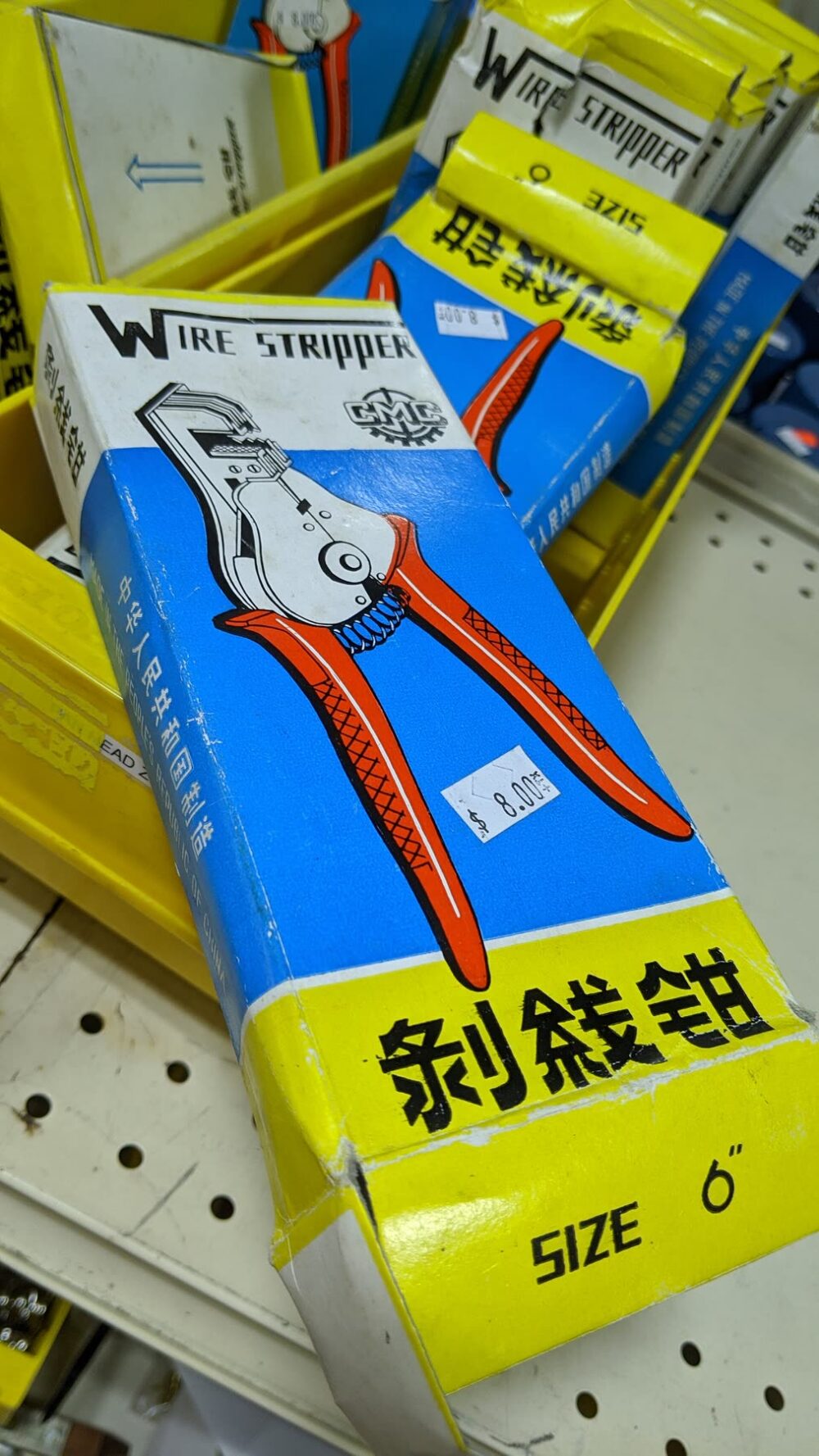
Vintage box cutter images usually come from two routes: you either license photos from an image platform, or you buy a physical vintage (or retro-style) box cutter and shoot your own pictures. Which route works better depends on how you’ll use the visuals and how much licensing risk you’re willing to carry as a US buyer or small ecommerce brand.
If you just need a few stylized shots for a blog post or background art, stock-photo libraries and community photo sites are usually the most straightforward. If you need unique product photos or a brand story around a specific old tool, marketplaces like eBay or Etsy let you buy the actual cutter and control the photography—which avoids the gray area of reusing someone else’s listing images.
Where Vintage Box Cutter Images Actually Come From Today
“Vintage box cutter images” usually means photos of mid‑20th‑century utility knives and similar cutters that have distinctive branding, shapes, and patina. Collectors discuss models like Handi‑Kutter and other branded cutters as historical tools with unique designs, often trading them in hobby forums and tool communities.
The actual images you see online tend to come from three places:
- Resale and collector marketplaces. Sellers listing vintage box cutters on platforms such as eBay, Etsy, Mercari, or Poshmark almost always upload several photos per listing. Those photos are primarily meant to sell the physical tool.
- Stock-photo and editorial image sites. Libraries like the box cutter collection on Alamy (which includes vintage-style imagery) sell licenses to use their photos rather than the objects themselves.
- Community photo platforms. Enthusiasts sometimes upload artistic shots of vintage cutters and related tools to sites like Flickr and Wikimedia Commons, sometimes under open licenses, sometimes under more restrictive terms.
For sourcing, the key distinction is: are you trying to reuse someone else’s existing photo, or do you want to own and photograph the actual tool? That decision shapes which platform type you should focus on.
Platform Types for Sourcing Vintage Box Cutter Visuals
Here’s how the main platform models behave if your real goal is usable images, not just a collectible in a drawer.
1. Stock-photo and editorial image libraries
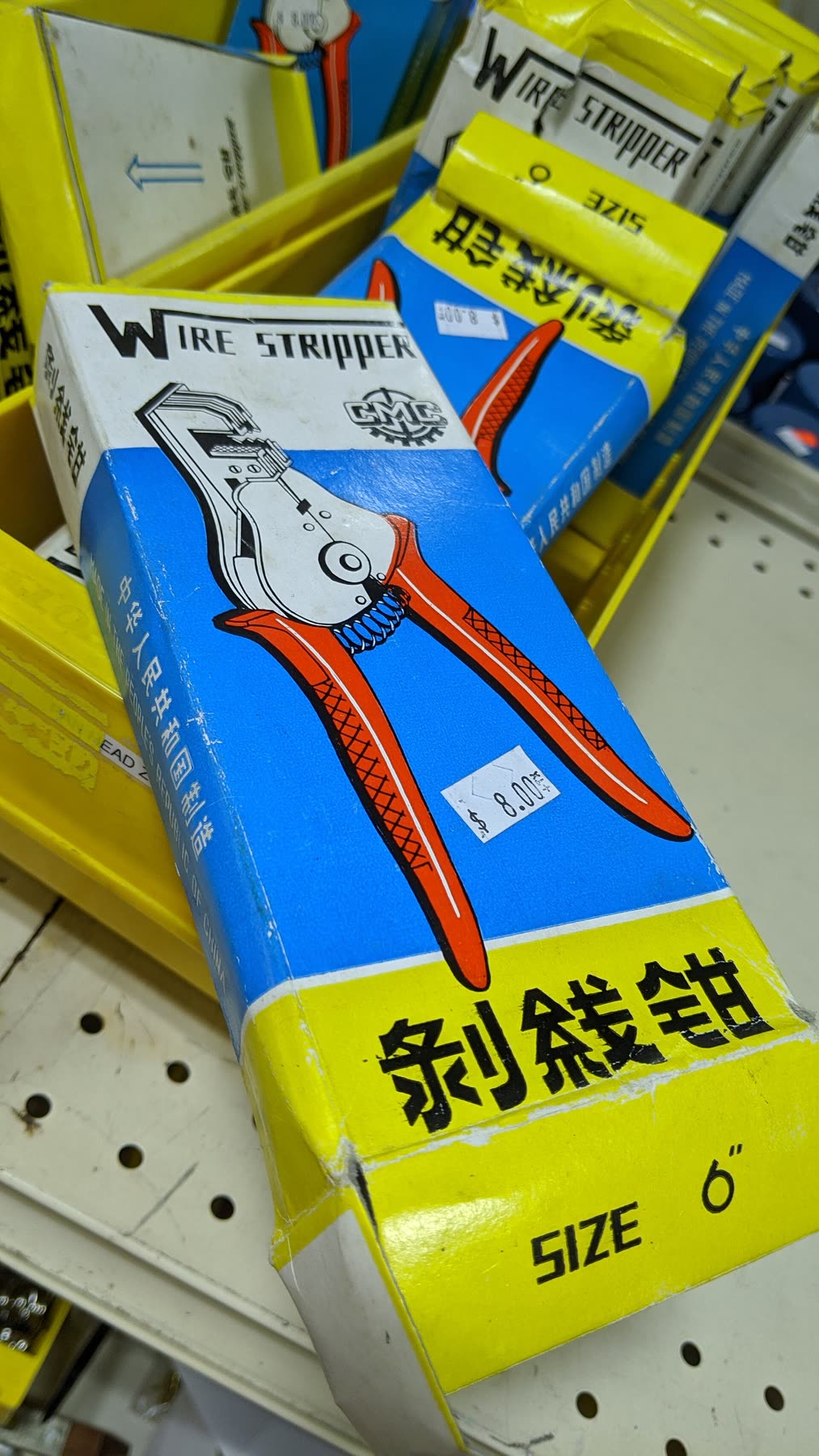
Stock-photo platforms list box cutter photos—including vintage-looking yellow cutters or aged metal utility knives—under defined licenses. You pay for usage rights, not the object.
How this works for you:
- You search for terms like “vintage box cutter” or “retro utility knife” and filter by license type.
- You purchase a license and download high-resolution files.
- You can typically use those images in product detail pages, blog posts, or marketing assets according to the license.
This route is ideal when:
- You need fast, low-effort visuals.
- You don’t care which exact brand or model appears, just the vintage vibe.
- You want clearer licensing than you’d get scraping marketplace photos.
2. Community photo platforms (Flickr, Wikimedia Commons)
On community sites, individual photographers upload their work and choose a license. For example, Wikimedia Commons hosts various vintage tool images under Creative Commons licenses.
How this works:
- You check each image’s license (often CC BY, CC BY-SA, or more restrictive).
- If the license allows commercial use, you follow the attribution requirements.
- If not, you avoid using it for branding or listings.
This path suits low-budget content projects and editorial uses. For a small ecommerce brand, it can work for blog posts or brand storytelling, but you need to be disciplined about reading each image’s license; they are not automatic freebies for product photography.
3. Resale and collector marketplaces (eBay, Etsy, Mercari, Poshmark)
Major resale platforms are where most true vintage cutters live. Listings for old advertising box cutters or branded utility knives on eBay and similar sites come with multiple product photos.
Two different ways you might use these platforms:
- Inspiration only. You browse listings to study angles, lighting, and styling. This is safe as long as you’re not copying the images.
- Buy the tool and shoot your own photos. You purchase specific vintage cutters for your brand or store, then photograph them yourself under consistent lighting and background.
Using listing photos directly in your store logo, banner, or product pages without permission can trigger copyright and platform-policy issues. If you ever want to use a seller’s photos commercially, you’d need explicit written permission and ideally an agreement on terms. For most small ecommerce sellers, buying the tool and shooting fresh images is a cleaner path.
4. Cross-border wholesale marketplaces (including DHgate)
Cross-border wholesale platforms, such as DHgate, are typically geared toward new goods, including modern box cutters and retro-style tools manufactured now. They’re not usually where mid‑century originals surface in meaningful volume.
For image sourcing, they make sense if:
- You want a “vintage-style” look but don’t need a genuine collectible.
- You plan to import a batch of retro-looking cutters for resale and then shoot your own product photography.
They’re a poor fit if your design brief explicitly requires authentic period tools with age, wear, and old-brand logos. For that, collector marketplaces and offline venues (antique stores, estate sales, flea markets) match better.
Quick Comparison: Which Platform Route Fits Which Need?
| Primary need | Best platform type | Pros for images | Watch-outs for US buyers |
|---|---|---|---|
| Blog or editorial article about vintage tools | Stock-photo sites or community photos | Fast access, clear or documented licenses | Check license scope; attribution rules vary |
| Brand moodboard / social content | Stock-photo + community photos | Lots of stylistic options, minimal setup | Avoid reusing marketplace listing images |
| Product listing photos for actual vintage cutters | Buy on eBay/Etsy/Mercari/Poshmark and photograph | Unique, accurate images of your exact item | Condition, authenticity, and shipping vary by seller |
| Vintage-look packaging or logo art | Stock-photo or own photos of retro-style cutter | Control over styling; can match brand palette | New tools may not satisfy true collectors |
| Wholesale batch of retro-looking cutters to photograph | Cross-border wholesale (e.g., DHgate), other B2B marketplaces | Scales to many units with consistent look | Tools are modern; check sample quality before building a brand story |
Choosing the Right Platform Route for Your Use Case
For most US buyers and small ecommerce brands, the decision comes down to legal clarity vs. uniqueness.
- Low legal risk, quick deployment. If you’re updating a Shopify theme or posting blog content, licensed stock photos or clearly open-licensed community images are usually the least risky. You pay for usage or follow the stated license and avoid relying on someone else’s listing photos.
- Unique product storytelling. If you’re selling actual vintage cutters, buy them on marketplaces like eBay or Etsy, then shoot your own photography. That ensures your images match the condition of what you ship and sidesteps copyright questions around using another seller’s listing pictures.
- Retro style without true vintage. If you just need the look—say, for a modern stationery brand—ordering new or retro-style cutters from a cross-border marketplace like DHgate can be reasonable. Treat it as a hardware source: order samples, confirm they visually match your brief, then build your own image library. Don’t expect these platforms to specialize in genuine mid‑century collectibles.
Whichever route you choose, avoid assuming that any photo you find on a marketplace is automatically safe for commercial reuse. Platform rules and copyright law can be complex; if you’re planning a major brand campaign built around vintage imagery, it’s wise to get licensing advice from a professional.
For a broader look at how different marketplaces work beyond vintage tools, you can compare platform models in more depth in this overview of online marketplaces and shopping platforms or see how DHgate stacks up against other cross-border sites in this comparison of DHgate, AliExpress, Alibaba and Temu.