
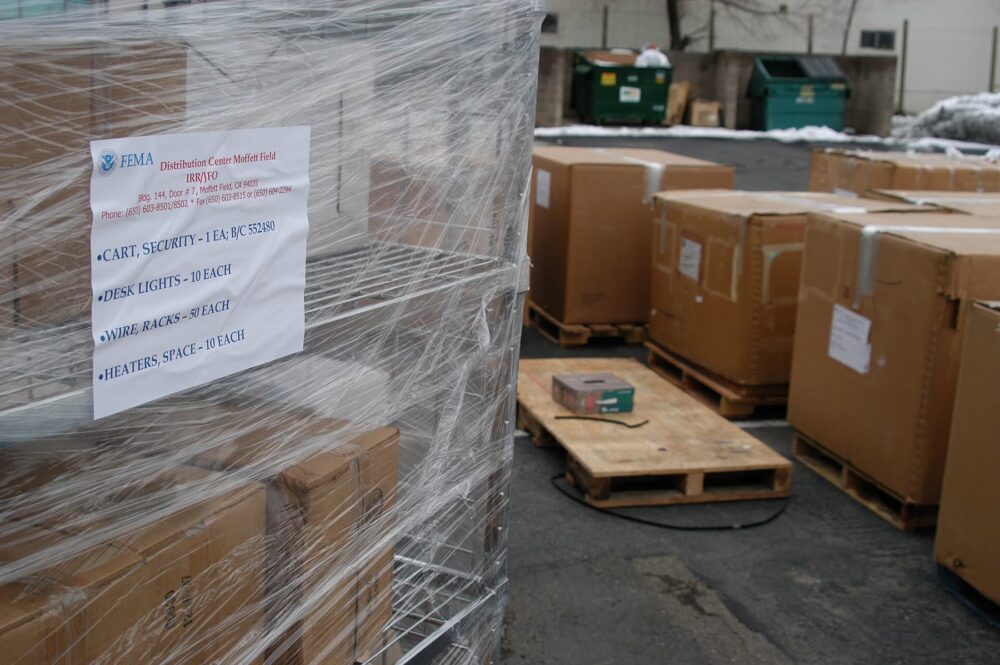
Parts drop and equipment distribution are physical logistics systems that exist alongside the online platforms you probably use every day. A parts drop is usually a secure box or small pickup point run by a dealer, where you collect parts you’ve ordered; equipment distribution is the bigger network of warehouses, trucks, and routes that feeds those drops and repair shops. You’ll choose between dealer drop-box networks, specialist distributors, and online marketplaces based on how fast you need parts, how much stock you want to carry, and whether cross-border sourcing actually adds value.
If you run a US repair shop or a small ecommerce parts business, that usually means mixing channels. Urgent, machine-down repairs tend to rely on local dealers and distributors. Less time-critical or generic components can come from online marketplaces, including cross-border options, as long as you’re realistic about transit times and quality control.
What “Parts Drop” and Equipment Distribution Actually Mean
In industry language, a “parts drop” is not a website. It’s a physical pickup point embedded in a dealer’s distribution network.
For example, Caterpillar dealers like Foley Inc. describe parts drop locations where customers can pick up pre-ordered parts at secure boxes away from the main branch. Foley lists multiple part drop locations across its territory, giving contractors spots closer to job sites rather than forcing a drive to a central store. Wheeler Machinery in Utah shows a similar pattern: its Park City “drop box” is a small, secure location where ordered parts are staged for local pickup, backed by Wheeler’s larger network of stores and warehouses.
These drop-boxes sit on top of a broader equipment parts distribution system:
- Regional warehouses hold major inventory for engines, hydraulic components, filters, and more.
- Daily or scheduled delivery routes move cartons from warehouses to branches and drop-boxes.
- Dealer ordering systems tie it together, so a part you order in the afternoon may be on a truck overnight and in a drop-box the next morning.
Equipment distribution extends beyond heavy machinery. Fitness gear distributors, automotive parts wholesalers, and material-handling specialists all run similar regional networks. The key idea is physical proximity: distribution puts the right parts near your machines, while drops make pickup simple.
Platform Types for Parts and Equipment Sales
These physical networks are only one piece of the puzzle. As a buyer or small seller, you interact with three broad platform types:
1. Dealer networks and drop-box systems
These are brand-linked, territory-focused operations.
- You order parts directly from the dealer (in person, phone, or their own portal).
- The dealer sources from brand warehouses and its own stock.
- Fulfillment is via store counter, delivery to your shop, or a parts drop box like those described by Foley Inc. or Wheeler Machinery.
This model is designed around guaranteed fit and uptime for specific equipment families. Pricing and terms are dealer-specific and generally not visible across a broad marketplace.
2. Specialist distributors and supplier portals
These are companies whose whole business is parts, but they are suppliers, not open marketplaces.
- PartsDrop.com describes itself as a dedicated provider of parts, with a focus on a specific equipment niche rather than being a general marketplace. You buy directly from them as the seller, not from a mix of third-party vendors.PartsDrop.com
- Vendor directories/portals like VendorMotive’s page for Atech Motorsports act more like curated listings. They profile individual vendors that specialize in automotive or equipment parts so you can discover who to buy from.
Under these models, inventory sits with the distributor or vendor. You may get better technical support and predictable quality than a general marketplace, but less breadth of categories.
3. General online marketplaces (retail and B2B)
Marketplaces aggregate many independent sellers on one site.
- Retail marketplaces such as Amazon and eBay host huge volumes of new and used parts and equipment. DHgate’s own editorial content about used sporting gear notes marketplaces like eBay as common venues for buying and selling equipment; the same logic applies to automotive and tool parts.DHgate blog context
- Listings are created by individuals, small resellers, refurbishers, and sometimes OEMs.
The marketplace itself doesn’t own most inventory; it provides search tools, listing formats, and a transaction layer. You gain variety and price competition but take on more vetting work.
Comparing Channels and Choosing the Right Route
You don’t have to pick one model forever. Most US parts businesses blend them. This table gives a practical comparison:
| Channel type | Who controls inventory | Typical use case | Urgency fit | Cross-border potential |
|---|---|---|---|---|
| Dealer network & parts drops | Local/brand dealer | OEM-specific, machine-down repairs | Strong for urgent | Low |
| Specialist distributor/supplier | Single focused supplier | Niche parts, technical support needed | Moderate to strong | Low to moderate |
| Vendor directory/portal | Individual vendors featured | Discovery of new vendors & categories | Weak for urgent | Moderate |
| Retail marketplaces (Amazon/eBay) | Many independent sellers | Mix of new/used stock, broad categories | Moderate, varies | Moderate |
| Cross-border B2B marketplaces | Many overseas suppliers | Cost-sensitive, non-urgent components | Weak for urgent | High |
Where marketplaces — including DHgate — realistically fit
For cross-border sourcing, B2B marketplaces can be useful for non-urgent, cost-sensitive components: fasteners, brackets, generic electrical parts, basic accessories, and similar items where a delay or a re-order won’t shut down a customer’s machine.
In that context, a large marketplace such as DHgate (described in its own editorial content as hosting many suppliers across product categories) is one possible route to connect with overseas parts and equipment suppliers.DHgate blog context If you explore this path, treat it as a sourcing tool rather than a drop-in replacement for your local distribution network:
- Verify the individual supplier’s track record and product descriptions.
- Confirm technical specs yourself, especially for safety-critical or high-load parts.
- Read the marketplace’s current terms on fees and transaction handling directly on the site; don’t assume they match Amazon/eBay norms.
For urgent jobs or brand-specific components, local dealer parts drops and regional distributors are usually the better primary channel because they tie into physical warehouses and service teams.
Scenario callouts
Scenario 1: Heavy equipment repair shop Use dealer parts drops and regional warehouses for OEM engine, hydraulic, and undercarriage parts. Layer in specialist distributors for consumables (filters, hoses) if they provide better pricing. Reserve marketplaces and cross-border options for non-critical accessories or shop supplies.
Scenario 2: Online seller of niche printer or copier parts Source core items from a focused supplier like PartsDrop.com or similar dedicated vendors, where catalog and support are tuned to your equipment family. Use Amazon/eBay to find discontinued or used components, and consider cross-border marketplaces only for secondary items where you can tolerate longer lead times.
Scenario 3: Small ecommerce store selling aftermarket automotive parts Mix vendor directories such as VendorMotive to discover motorsports or tool vendors, then buy directly from those suppliers. Use retail marketplaces for long-tail references and used inventory. Keep dealer networks in the mix for safety-critical parts that must match OEM specs.
If you’re comparing marketplace options more broadly, you can look at how different sites work in our overview of online marketplaces and shopping platforms and our breakdown of what DHgate is and how the marketplace works. For cross-border B2B, it’s also useful to contrast DHgate’s role with other large players, which we cover in DHgate vs. AliExpress, Alibaba and Temu. From there, you can map those marketplace traits back onto the physical realities of your parts drop and distribution network.