
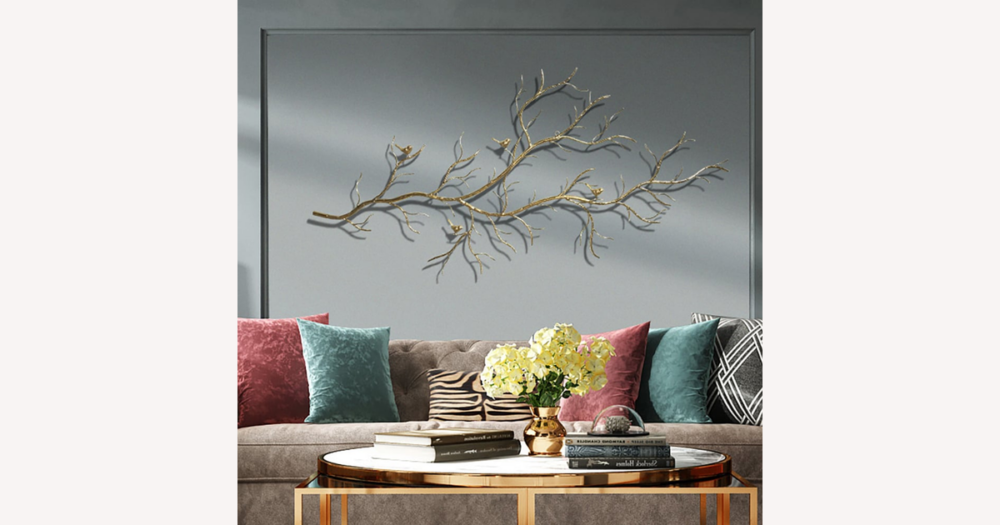
Affordable tree branch wall decor can look charming on Etsy or Amazon, but if you’re buying on DHgate you need to rely on different signals. This guide focuses on DHgate only: it explains what “branch” wall decor usually means there, which materials and specs actually affect durability, safety, and style fit, how to read seller reliability and buyer protections, and which red flags or value signals help you decide whether an inexpensive piece is worth the risk.
Understand what “tree branch wall decor” means on DHgate
If you’ve been browsing tree branch wall decor on Etsy or Amazon, bring that same careful mindset to DHgate. It is a separate marketplace, so focus on reading its listings and seller information to judge quality, style fit, and basic buyer protections for branch-themed wall pieces—not on turning this into a where-to-buy guide for other sites.
On DHgate, “tree branch wall decor” usually means wall-mounted designs that either use real branches or imitate them. Common examples include natural branch arrangements fixed to a board or directly to the wall, manufactured branch shapes cut from solid wood or MDF panels, metal tree or branch silhouettes, framed prints or paintings with branch motifs, and mixed-media 3D art that combines branches with other materials like metal, resin, or fabric.
Natural branch arrangements tend to be thicker and feel more organic. They’re often heavier than they look, and typically mount with screws, hooks, or brackets rather than light adhesive pads. Manufactured wood or MDF branch shapes are usually flatter panels; thinner MDF is lighter but can feel less substantial, while thicker solid wood panels add weight but feel sturdier. These pieces often hang like a standard picture using hooks or keyhole slots on the back.
Metal silhouettes are cut from sheet metal or formed rods. Thin metal cutouts are relatively light but can bend if handled roughly, while thicker or well-supported designs feel more solid and may need stronger wall fixings. They usually mount with screws through holes in the design or with brackets welded to the back. Printed, painted, or framed branch motifs are typically the lightest option; they behave much like conventional wall art, using hanging wires, sawtooth hooks, or simple nails.
Mixed-media branch artwork combines materials and can vary widely in thickness and weight. A piece with solid branches attached to a heavy backing board or combined with metal elements can feel quite substantial and will need secure mounting hardware, whereas a design built mostly from lightweight resin may be easier to hang but feel less premium. In general, solid wood, thicker panels, and clean welds or joints tend to feel more robust on the wall, while very thin MDF, bendable metal, or hollow plastic often feel flimsier and show wear faster.
Understanding which type you’re looking at—natural branches, wood/MDF cutouts, metal silhouettes, framed prints, or mixed-media art—is the foundation for the rest of the guide. It shapes how you interpret DHgate specs around material, dimensions, weight, and mounting hardware, and makes it easier to judge whether a particular branch-themed piece will suit your walls, be safe to hang, and match the overall style of your space.
Check materials and specs that actually affect quality and fit
Once you recognise the main branch decor types, read the DHgate materials and specs that affect how a piece will behave on your wall. The core fields to scan in any listing are: base material (solid wood, reclaimed wood, bamboo, MDF, metal, resin or plastic), surface finish (sealed, painted, stained, or raw), stated dimensions (height, width, and thickness), approximate weight, and what mounting hardware is included, such as hooks, brackets, adhesive pads, or chains.
Different base materials behave differently in everyday use. Solid wood and thicker metal usually feel sturdier and more substantial, but they weigh more and need stronger fixings. MDF or thin metal can work well for lighter art where you don’t want much weight on the wall; however, they’re more prone to chipping, warping, or bending if knocked. Resin or plastic can mimic wood grain or branch shapes at lower cost, yet up close they often look less substantial and may show scratches or colour changes faster.
Surface finish changes both comfort and maintenance. Raw or roughly finished branches can shed splinters, catch dust in uneven surfaces, and be harder to clean. Sealed, stained, or smoothly painted surfaces are usually easier to dust and wipe, and feel more polished when you touch or see them up close. If you share a home with children or plan to hang the piece where people might brush past it, finish quality matters as much as the underlying material.
Dimensions and weight connect directly to mounting needs and wall type. A long, wide branch arrangement or heavy solid-wood panel will need secure anchors and may not suit soft plasterboard, thin partitions, or rental walls where you’re cautious about drilling. Lighter framed prints or small metal silhouettes are more forgiving and can often hang from simple hooks, but you should still check that the stated size won’t overwhelm the space or look tiny compared with your furniture.
Included mounting hardware is another practical clue. Listings that clearly state whether you get hooks, brackets, chains, or adhesive pads make it easier to plan safe, stable installation. If hardware isn’t mentioned or looks very minimal for a heavy-looking piece, treat that as a sign to ask the seller for clarification or assume you’ll need to buy stronger fixings yourself.
These same specs help with style compatibility as well as safety. Dark stained wood and thicker, rustic branch arrangements often suit cosy, earthy rooms, while pale natural branches, bamboo, or minimalist metal silhouettes fit better in airy, modern spaces. If your room already has strong metal accents, a branch design in a similar finish may feel cohesive; if it’s mostly soft neutrals, a very dark or shiny metal silhouette could dominate more than you expect.
Personally, I prefer to avoid flimsy or poorly finished decor, even if that means paying a bit more. I would rather choose a listing that clearly specifies solid materials, shows finished edges and a sealed surface, and provides honest size and weight information than gamble on a vague description with no mention of hardware or finish. On DHgate, unclear specs are a signal to look closer, ask questions, or move on to a better-documented option, because typical material labels describe general patterns rather than guaranteeing high quality every time.
Use a simple checklist to vet any DHgate branch decor listing
- Scan all listing photos, including close-ups of edges and surfaces, shots of the backside or mounting points, and any in-room or measured images that show the true scale of the branch design.
- Read the material, dimensions, weight, and finish details carefully, and treat missing or very vague fields about thickness, sturdiness, or texture as a warning that you cannot yet judge real-world quality.
- Check which mounting hardware is included—hooks, brackets, chains, adhesive pads—and decide whether it suits your wall type and how many fixing points you will realistically need for safe hanging.
- Look at the seller’s rating, order count, and review content for this item and the store overall, focusing on comments about actual materials, colour accuracy, sturdiness, and packaging compared with the listing photos.
- Review the shipping method, estimated delivery time to Australia, and total cost including any shipping or duties, and ask yourself whether the timeline and final price still feel like good value for affordable decor.
- Note the DHgate dispute or return information shown on the listing and any seller-specific after-sales promises, so you understand what recourse you have if the decor arrives damaged, the wrong size, or not as described.
- If several checklist points fail—blurry or inconsistent photos, vague specs, and few relevant reviews—I would personally skip the listing even if the price is tempting. If your priority is rock-bottom cost, you might accept more uncertainty, but it helps to be clear about which boxes you’re leaving unchecked before you buy.
Translate Etsy/Amazon shopping habits into DHgate signals
| Familiar cue on Etsy/Amazon | Approximate DHgate signal | What to look for on DHgate listings |
|---|---|---|
| Handmade or artisan tags on individual product pages | Store/seller identity and description, plus how specific the listing text is | Look for sellers that describe their decor niche clearly and list materials, finishes, and branch styles in detail rather than using only generic factory wording. |
| Recognisable brands or shop names you already know | Seller rating score and overall reputation across multiple items | Prefer sellers with solid ratings and consistent feedback on home decor, not just a high volume of miscellaneous orders. |
| Prime or fast-shipping badges and clear delivery promises | Stated shipping method, delivery estimate, and tracking availability | Check that the delivery window to Australia is reasonable for wall decor and that tracked shipping is offered for fragile branch pieces. |
| Large volumes of reviews with buyer photos | Total transaction count plus reviews that include photos and mention materials | Treat transaction volume as a starting point, then prioritise listings where buyers show the decor on their wall and comment on wood/metal feel, finish, and sturdiness. |
| Detailed review text about build quality, colour accuracy, and packaging | Review language on DHgate that mentions packaging, finish, and resemblance to photos | Favour listings where multiple reviews mention good packaging, accurate colours and sizes, and branches that look like the images rather than surprises on arrival. |
| Artisan branding and emphasis on uniqueness of each piece | Factory or wholesaler sellers with a portfolio of similar designs | Expect more factory-style production on DHgate; if uniqueness matters, browse the seller’s full range and look for varied branch designs instead of identical mass-produced pieces. I would weigh a mix of decent rating, decor-relevant reviews, and honest-looking photos rather than trusting high order volume alone. |
Read DHgate seller reliability signals for decor items
On DHgate, seller-level signals are one of your best tools for judging whether branch wall decor is likely to arrive as described. Start with the overall store rating: I treat anything close to the maximum score with a decent history of orders as a baseline, and I’m cautious about sellers with noticeably lower ratings or only a handful of transactions on home decor. Rating alone isn’t enough, but it quickly shows whether other buyers have generally had smooth experiences.
Then look at how many orders the seller has completed and how reviews break down into positive, neutral, and negative. A long order history with mostly positive feedback suggests the seller can fulfil and ship reliably, while clusters of neutral or negative reviews hint at recurring problems. For branch wall decor, read the actual review text where buyers mention materials, finish, sturdiness, and packaging. Comments that pieces feel very thin or cheap, that colours are off compared with photos, or that items arrived bent or damaged are clear risk signs. In contrast, multiple reviews praising solid wood or metal, clean finishing, and secure packaging are encouraging.
Pay attention to how specifically reviews talk about decor. Generic one-line feedback like “good seller” or “fast shipping” doesn’t tell you much about how the branches will look on your wall. I give more weight to listings where buyers mention details such as smooth edges, realistic wood grain, accurate size, and branches arriving well-protected in transit, because those points directly relate to the main failure modes for this type of wall art.
Communication responsiveness is another informal but useful signal. If you message a seller with questions about materials, mounting hardware, or exact dimensions and they reply clearly and promptly, it increases my confidence that they understand the product and are willing to support the order. Slow, vague, or evasive replies make me wary, especially for heavier or fragile pieces that could be costly to return or dispute.
Overall, I prioritise sellers with solid ratings, plenty of completed orders, and decor-focused reviews that mention quality and packaging, even if their prices are slightly higher. I personally avoid stores where feedback is sparse, generic, or shows a pattern of complaints about thin materials, inaccurate colours, or transit damage. No single metric guarantees reliability, but combining rating, order volume, review detail, and communication reduces the chance of ending up with flimsy, misdescribed, or poorly packed branch wall decor.
Know your buyer protections for fragile wall decor
Recognize red flags in very cheap branch wall decor
Prioritize listings that show clear value signals
- Multiple clear photos, including at least one in-room or scale-indicating shot (next to furniture, a tape measure, or a doorway), so you can see the true size and how the branch design sits on a wall.
- Detailed material and dimension information, such as whether the piece is solid wood, metal, MDF, or resin, plus height, width, and thickness figures that match the style you want and the space you have.
- Explicit mention of mounting hardware, for example hooks, brackets, or adhesive pads included with the decor, so you’re not left improvising a way to hang an awkward or heavy branch panel.
- A meaningful number of reviews, especially buyer-uploaded photos, which show how the decor looks in real homes and suggest that previous customers were engaged enough to give feedback.
- Reasonable, clearly stated shipping times to Australia, with estimates that aren’t excessively long or vague, which helps you judge whether the seller is being transparent about delivery.
- When several of these signals appear together, they don’t guarantee perfect quality, but they usually point to a more transparent seller and a closer match between price and expectations. I actively prioritise listings that show multiple value signals and I’m willing to pay a bit more for them rather than chase the absolute lowest price on opaque, poorly documented branch decor.
FAQ: Is DHgate a good alternative if I care about unique branch designs?
If I’m more interested in distinctive or unique tree branch wall decor than in the lowest possible price, can DHgate still be a good option, and what extra checks should I make?
DHgate can be a reasonable option for distinctive-looking branch wall decor, but most pieces are factory-produced rather than one-off artisan works like you might see on Etsy. You’ll often find bold, large-scale or unusual designs, yet originality varies and similar styles may appear across multiple stores.
If you care about uniqueness, start by browsing the seller’s full catalog: a store with a varied range of branch designs and decor themes is more likely to offer something that feels individual than one repeating the same stock images. Notice whether the same design shows up under many different sellers; that usually means widely distributed factory stock rather than a truly original piece.
For any design that stands out, send the seller clear questions about materials, thickness, finish, weight, and mounting hardware, and ask whether size or colour can be customised. Their responses help you judge both how well they know the product and whether the “unique” look comes with acceptable build quality.
Even when you’re prioritising design, keep weighing those creative details against the same signals you’d use for affordable decor in general: specific material and size specs, honest-looking photos, solid seller ratings and decor-focused reviews, clear shipping expectations, and understandable buyer protection and dispute terms. I’m personally willing to pay more and spend extra time checking these points for a standout branch piece, but I still won’t compromise on basic safety and sturdiness, even if the design is unusual. DHgate can work for unique-looking decor as long as you apply the same careful checks and accept that originality doesn’t override quality or reliability considerations.