
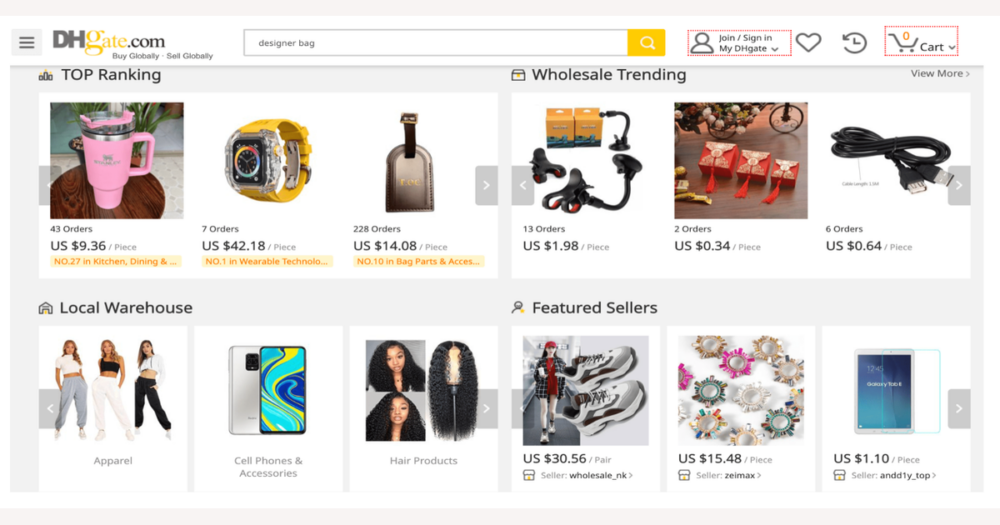
If you’re asking which online store is “best” for international products, the more useful question is how to judge whether any marketplace—starting with DHgate—is safe enough for your specific order. Fame or a high-level rating can’t guarantee that one listing will arrive on time or match its description, but visible signals about seller reliability, product specifications, shipping options, payment channels, and dispute/refund rules can. This guide walks through DHgate’s marketplace structure and those concrete checks so you can make clearer, better-informed decisions about cross‑border purchases.
Why “best online store” lists won’t answer your real question
When you search for the best online stores for international products, most results hand you long lists of site names. Those lists rarely show how a marketplace actually works or what protections you can rely on. This guide takes a different route: it uses DHgate as a concrete example of an international marketplace so you can see how real listings and sellers are structured, and what you can verify before you spend money.
I care far more about being able to check a seller’s track record, the product’s specifications, and the rules around payment, shipping, disputes, and refunds than about whether a platform is famous. A popular name cannot guarantee that your specific order will arrive on time or match the description, but visible information about materials, dimensions, compatibility, seller history, shipping options, and refund conditions can help you judge the risk. The rest of the guide follows that perspective: it shows how DHgate’s marketplace model works and how to apply these checks there, so you can carry the same habits to other international platforms instead of chasing “best store” rankings.
How DHgate’s marketplace model works for international shopping
DHgate is not a single store shipping from one central warehouse. It is a marketplace where many independent sellers create their own listings, set prices, choose shipping methods, and handle fulfillment. When you place an order, you are buying from a specific seller who uses DHgate’s platform and tools, so your experience depends heavily on that seller’s practices and the details they provide.
Because most DHgate orders involve cross‑border shipping, a parcel can pass through several carriers and hubs, and customs or local handling in your country may affect how long delivery actually takes. The listing’s shipping options, estimated delivery window, and any notes about origin or carriers are therefore important signals, but they still sit inside a wider logistics chain with uncertainties.
That marketplace structure is why a generic question like “Is DHgate good?” is incomplete. A safer approach is to evaluate each offer on its own terms: look closely at the seller’s ratings and history, the clarity and completeness of the product specifications, and the stated shipping and refund conditions before you decide whether one particular listing is a good fit for your international purchase.
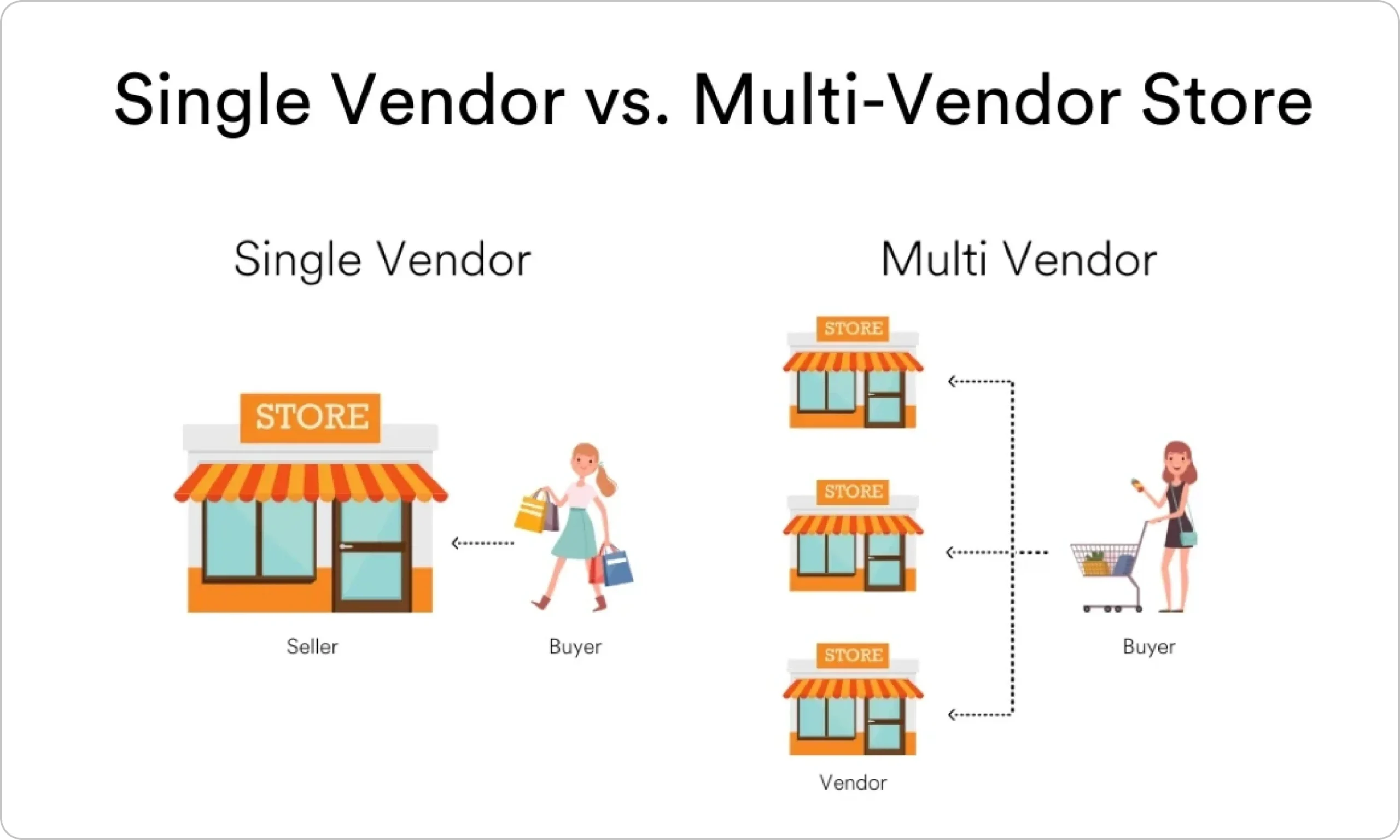
A single online store typically connects you to one inventory source, while a marketplace like DHgate connects you to many separate sellers, each with their own listings and performance record. That difference is why you must judge individual sellers and offers, not just the platform name.
Key product-specification checks before you buy on DHgate
- Check materials and build descriptions. Prefer listings that name specific materials, finishes, and construction methods instead of vague phrases like “high quality” or “premium.”
- Confirm exact dimensions, weight, and size. Compare the numbers against any photos or diagrams so you’re confident about scale, fit, and whether the item will work in your space or with your body.
- Verify compatibility with local devices and standards. For technical or powered products, look for voltage, plug type, connector specifications, supported models, language versions, and region codes that match what you actually use.
- Review available variants carefully. Make sure the color, size, pattern, configuration, or bundle you select in the listing matches the option described in the title, specs, and images so there’s no confusion about what will be shipped.
- Identify included accessories and components. Check whether cables, adapters, cases, manuals, or other extras are listed as “included,” and note anything described as optional, upgrade, or sold separately so you can plan for additional purchases if needed.
- Scan product photos and any videos alongside the written specs. Use images to confirm design details, connectors, and overall appearance, but treat discrepancies or missing angles as a warning that the information may be incomplete or unclear.
- Look for usage notes, care instructions, and any warranty statements. These details can signal how the product is intended to be used, how long it might reasonably last, and what kind of support or replacement policy the seller claims to offer.
- Treat listings with vague or missing key specifications—such as no material details, no dimensions, or no compatibility information—as higher risk. In those cases, consider messaging the seller for clarification or choosing a better-documented listing, knowing that even careful spec reading reduces but does not remove the chance of getting something unsuitable.
How to read seller ratings and reviews on DHgate
On DHgate, seller information is one of your main tools for judging whether a specific offer is worth trusting. Typical fields include an overall rating score, the number of completed orders, how many reviews the seller or a particular item has, and how long the seller has been active on the platform. Together, these signals sketch a history: they show whether the seller has handled many transactions and how buyers have responded over time.
Patterns across many reviews are usually more meaningful than one glowing comment or one angry report. If you see repeated praise about accurate descriptions, reasonable shipping times, and items matching the photos, that consistency generally points to a seller who manages expectations well. Likewise, recurring complaints about late delivery, poor packaging, or products that don’t match the listing are more worrying than a single outlier, because they suggest a pattern rather than a one-off problem.
I rely heavily on this history when deciding whether to trust a seller, and I’m wary of brand-new accounts with very few orders, mixed feedback, or ratings that jump up and down suddenly. Those cases don’t prove that something will go wrong, but they do mean you have less evidence about how the seller behaves. Giving extra scrutiny to new or inconsistent records—by re-checking the listing specs or considering a more established seller—can reduce avoidable risk.
At the same time, ratings and reviews are not guarantees. Even a highly rated seller can have occasional issues, and a low score doesn’t automatically mean every transaction fails. Treat these metrics as one layer of protection: they help you understand typical outcomes but cannot predict exactly what will happen with your order. The safest approach is to combine seller signals with strong product-spec checks and clear shipping and refund terms before you decide to buy.
Step-by-step checklist for placing an international order on DHgate
- Choose a product that appears to fit your needs, then slow down and read the listing’s specifications carefully. Check materials, dimensions, compatibility notes, available variants, and which accessories are included so you’re clear on what will actually arrive.
- Look at the seller’s overall rating, review history, sales volume, and how long their store has been active. Give more weight to stable, consistent feedback over time than to a single glowing or angry comment, and be extra cautious with new or uneven records.
- Open the shipping section and review the available methods, costs, and estimated delivery windows. Watch for any mention of customs or extra fees, and treat vague or unrealistically fast promises as a reason to reconsider that listing.
- Before you commit, make sure you will pay through DHgate’s own checkout flow and supported payment channels. Decline any request to send money by bank transfer, direct wallet, or other off-platform route tied only to a private message.
- Read the dispute and refund information shown for the order, including basic conditions and time frames. Note what kinds of problems are covered (such as non-delivery or major mismatch) and what evidence you may need if you have to raise a case.
- Proceed to payment only when you’re comfortable with the product specs, seller track record, shipping terms, and dispute/refund framework. These checks won’t guarantee a perfect outcome, but they do reduce avoidable surprises and give you a clearer basis if something goes wrong.
What to know about international shipping on DHgate
On DHgate, individual sellers choose their own carriers and shipping methods, set or display shipping costs, and provide estimated delivery windows that you see before checkout. Those estimates are meant to show a typical range for that route and method, not a promise of a specific arrival day.
Depending on the option you select, tracking information may be available so you can follow the parcel in transit. Some methods offer detailed scans from the carrier; others may only show a few status updates or none at all, so expect the level of visibility to vary.
Cross-border delivery always carries extra uncertainty. Customs processing, local postal handling in the destination country, weather or carrier delays, and occasional regulatory checks can all extend timelines or add fees beyond what was originally estimated. These factors depend on the countries involved and the exact route, and they are outside the seller’s and DHgate’s direct control.
Because of this, I put more weight on clear, realistic shipping descriptions than on the fastest-looking promise. If a listing explains the method, cost, and a plausible delivery window, I’m more willing to order; when shipping terms are vague or sound too good to be true, I hesitate and usually look for a better-documented offer.
Treat every shipping estimate as an approximation that helps you compare options rather than a guarantee. Combine it with your checks on product specs, seller history, and refund conditions, and decide whether the overall picture feels acceptable for an international order.
Safe payment practices when ordering on DHgate
On DHgate, the safest starting point is to keep your payment inside the platform’s own checkout flow. When you pay through DHgate-supported methods, the order amount, time, and channel are all recorded alongside the listing, which makes it much easier to show what you agreed to buy and when you paid if you ever need to ask for help or open a dispute.
By contrast, requests to pay outside the platform—such as sending money directly, following a separate payment link, or settling the order through private arrangements—are a red flag. Those routes can bypass the usual buyer protections, leave you without a clear record tied to a DHgate order number, and make it harder for the platform to verify the transaction or step in if something goes wrong.
Because of that, I would decline off-platform payment offers even if they look cheaper or faster and complete checkout only through DHgate’s standard payment process. Staying within official payment channels supports clearer documentation and access to dispute and refund systems, but it still doesn’t guarantee that every problem will be resolved in a particular way, so you should treat it as one important protection among several checks rather than a promise of outcomes.
How DHgate’s dispute and refund framework is intended to work
Marketplace dispute and refund systems, including DHgate’s, are generally designed for situations where an order doesn’t arrive at all or differs substantially from what the listing described. They exist to give buyers a structured way to say, “Something is seriously wrong with this order,” and to have that claim reviewed against the platform’s rules.
Typical elements of the process include messaging the seller through the platform, explaining the issue clearly, and providing evidence such as photos of the item, screenshots of the listing, or tracking information from the carrier. Disputes and refund requests also operate within defined time frames and eligibility conditions, so you usually need to act promptly once a problem becomes clear and make sure you understand which kinds of issues are covered for your order.
These frameworks matter because they define how problems can be raised and what information decision-makers will look at, but they do not guarantee that every claim will lead to a refund or replacement. I value dispute and refund terms that are easy to find and written plainly; if I cannot understand how claims are handled or what deadlines apply, I am reluctant to place an international order through that route. Before you buy—especially for higher-value items—take a moment to read the current DHgate dispute and buyer-protection information and treat it as part of your pre-purchase checklist, alongside your checks on product specs, seller history, shipping, and payment.
Common risks in international DHgate orders and how to spot them
- Vague, generic, or copy‑paste product descriptions that don’t clearly match the item shown, especially when they repeat the same phrases across different categories.
- Details in the specifications that contradict the photos, such as different colors, apparent sizes, connectors, or included accessories than the text describes.
- Unclear shipping terms, missing carrier names, or delivery windows that seem unrealistically short for cross‑border transit without any explanation of the method.
- Listings that lack visible refund or return information, or offer only a very short, ambiguous policy that doesn’t explain conditions, time frames, or who pays return shipping.
- Prices that are dramatically lower than broadly similar offers, particularly when combined with very few reviews, mixed feedback, or comments about delays or mismatched items.
- Any one of these signs doesn’t prove that a listing is illegitimate, but multiple red flags mean you have less dependable information and weaker signals of accountability. I would usually walk away from listings with several such issues and look for offers with clearer specs, shipping terms, and refund policies, even if that means paying more or waiting longer.
How DHgate compares with other ways to shop internationally
| Channel type | Typical advantages | Typical trade-offs | Buyer work level |
|---|---|---|---|
| DHgate‑style multi‑seller marketplaces | Broad variety of sellers and products, including niche or less common items; potential for lower prices and flexible offers. | Quality, logistics, and policies vary widely by seller; listings can be uneven in detail and accuracy; protections depend on platform rules and seller compliance. | High: you need to read specs carefully, compare multiple listings, check seller history, and understand shipping and dispute terms before ordering. |
| Major global multi‑seller marketplaces | Familiar interfaces and wide assortments; consolidated search and payment flows; often clearer platform‑wide policies and support channels. | Similar variability at the seller level; popular items can still have confusing listings; high competition may encourage aggressive pricing and mixed quality. | Medium to high: you still need to check seller ratings, reviews, and product details, but platform guidance and filters may make that work feel more structured. |
| Direct brand or retailer websites | Fewer sellers and more controlled product lines; specs, warranty, and return policies are usually clearer and brand‑managed; logistics may be more predictable. | Less variety, especially for niche or low‑cost alternatives; prices may be higher; you are limited to what that brand or retailer chooses to offer. | Low to medium: once you trust the brand, you mainly confirm specs, price, and policies, with less need to compare many different sellers. |
| Package‑forwarding and consolidation services | Let you buy from other stores that don’t ship to your country; can combine multiple purchases into one international shipment; may offer routing and customs support. | Service adds extra cost and steps; returns and disputes can be more complex because store, forwarder, and carrier each play a role; tracking may involve several systems. | Medium: you must check the original store’s information plus the forwarder’s fees, handling rules, and claims process for lost or damaged parcels. |
Quick answers to common DHgate international-shopping questions
Is DHgate a “store” in the traditional sense?
No. DHgate is a marketplace platform that hosts many independent sellers rather than a single retailer with one shared inventory. When you buy on DHgate, you place an order with a specific seller using DHgate’s tools and rules, so you need to evaluate each seller and listing rather than treating DHgate as one unified store.
How should I handle language differences when reading DHgate listings?
Use built-in or browser translation tools to get the general meaning, but slow down on critical details. Double-check measurements, materials, compatibility notes, and policy text, and compare numbers and units carefully. If anything important—like size, voltage, or refund conditions—remains unclear after translation, ask the seller to clarify in simple terms before you buy.
How do currency conversions and final charges work when I pay on DHgate?
DHgate typically shows prices in a selected display currency, but the exact amount you pay in your local currency can depend on your payment provider and bank. They may apply their own exchange rate and fees. Before confirming payment, review the total shown at checkout, check your card or payment service’s terms on foreign-currency transactions, and be prepared for small differences due to conversion and fees.
What should I do if a DHgate listing is missing key specification details?
Treat missing specs as a sign to be cautious. You can message the seller with specific, concrete questions—for example, asking for exact dimensions, materials, model numbers, or plug type. If you don’t receive clear, consistent answers, or the seller avoids the questions, it’s safer to choose a different listing where those details are already documented.
What’s the safest approach when information on a DHgate listing feels incomplete or confusing?
The safest move is to slow down rather than assume everything will be fine. Ask the seller for clarification, re-check translations, and compare with other listings for the same type of product. If doubts remain about specs, shipping, or refund terms, it’s usually better to walk away and pick a more transparent offer than to risk an order based on guesswork.
Where this guide’s perspective and limits come from
This guide is based on publicly described marketplace structures, typical e‑commerce practices, and DHgate’s general role as an international platform, not on exhaustive testing of every individual seller, product, or route. It explains how elements like seller ratings, listing details, shipping options, and dispute frameworks are designed to work so you can see what is knowable before you buy.
Those structural pieces are useful to check, but they do not fix the outcome of any particular order. Delivery speed, product quality, customs handling, and how a dispute is decided depend on the specific seller, item, carrier, destination country, timing, and the evidence available in that case, so they can’t be guaranteed in advance by any general guide.
Use the checks and comparisons in this guide as structured context for your own judgment: they help you reduce avoidable risk and set more realistic expectations, but they are not a promise of perfection. I rely on these signals to decide whether an offer looks transparent and reasonable; if they are missing or unclear, I treat that as a reason to slow down, ask questions, or walk away rather than assume everything will go smoothly.