
Yes, you can find 16 inch laptop sleeves on DHgate that offer real protection against rain and spills—but the word “waterproof” in a title isn’t enough to trust on its own. This guide explains how different fabrics, seams, and closures change the actual water resistance, how to read DHgate listings so you know where a sleeve sits on the spectrum from splash‑proof to truly waterproof, and which seller and buyer‑protection checks to rely on before you place an order.
Do truly waterproof 16 inch laptop sleeves exist, and what does “waterproof” really mean?
If you search DHgate for a “waterproof 16 inch laptop sleeve,” you’re not chasing a fantasy. Sleeves and bags that offer meaningful water protection for 16 inch laptops exist in the wider market and are likely to show up on DHgate as well. The catch is that most everyday sleeves are designed to resist splashes and light rain, not to stay dry in a heavy downpour or full soaking, and listings often use words like “waterproof,” “water‑resistant,” and “water‑repellent” loosely.
Instead of trusting a single word in the title, treat those labels as hints and look deeper at construction. The real protection level comes from the fabric (for example neoprene or coated polyester), how the seams are put together, and what kind of zipper or closure the sleeve uses. A simple stitched sleeve with a standard zipper can shrug off coffee drips or a short walk through drizzle, but water can work its way in through seam holes and the opening if the sleeve stays wet for longer.
In practice there’s a spectrum of protection: at one end, basic water‑resistant sleeves that shed light splashes and brief drizzle; in the middle, more robust sleeves with coated fabrics and somewhat better coverage that stay dry longer in rain but still have weak points at zippers and seams; and at the niche end, dry‑bag‑style pouches or sleeves made from PVC or similar materials, with welded seams and roll‑top closures, that can cope with very heavy rain or brief immersion when properly closed. Most general‑purpose laptop sleeves, including many you’ll see on DHgate, sit in the first two categories. Truly waterproof dry‑bag designs are less common, bulkier, and usually cost more.
Personally, I would rather choose a sleeve on DHgate that clearly describes its water‑resistant fabric, padding, and exact internal size for a 16 inch laptop than gamble on a listing shouting “100% waterproof” without explaining the seams, zipper, or closure at all. Honest, predictable protection and a precise fit matter more than bold marketing. Materials, seams, and zippers give you the clues to place a DHgate sleeve, or its listing photos, on the spectrum from splash‑proof to genuinely waterproof.
How materials, seams, and zippers affect real‑world water protection
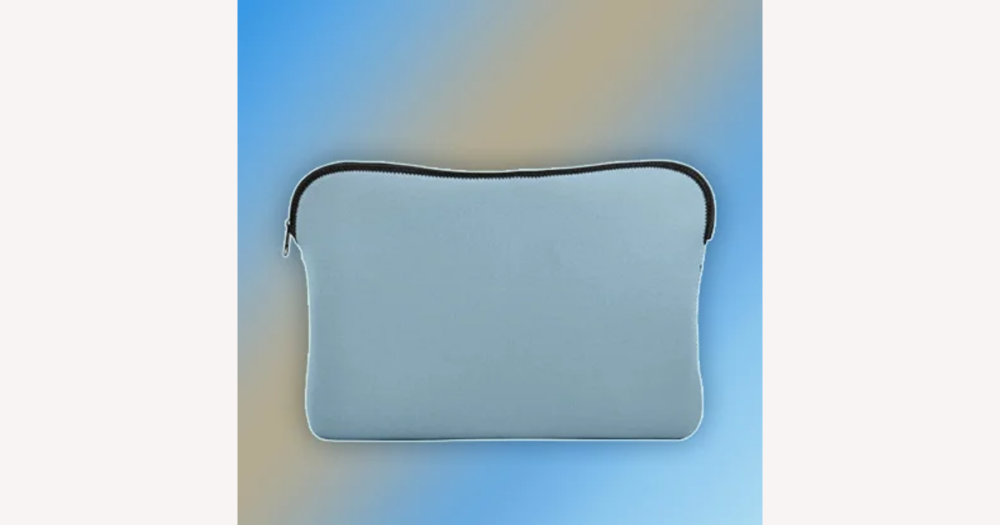
Use this image as a visual reminder that water can enter through more than just the main fabric panel: stitched seams, zipper tracks, and wide openings are all potential leak points. When you look at DHgate listing photos, try to spot where panels join, how the zipper is positioned, and whether any flap or roll‑top closure covers the opening.
For 16 inch sleeves, the material is your first clue about water behaviour. Neoprene and other soft, rubbery fabrics naturally resist splashes and short light rain, so a neoprene sleeve is usually fine for everyday protection as long as you’re not leaving it in sustained heavy rain. The limitation is that most of these sleeves have ordinary stitched seams and a standard zipper; water can slowly seep through the needle holes and zipper teeth if the sleeve stays wet.
Coated polyester or nylon—often described as “waterproof oxford cloth” or “water‑repellent fabric”—can shed rain very effectively at the surface. However, the fabric being waterproof doesn’t automatically make the sleeve waterproof. If the listing photos show simple stitching and an uncovered zipper, those points remain vulnerable; water that hits the zipper area or pools around seams can still work its way inside over time.
PVC or TPU‑coated fabrics and tarpaulin‑style materials are common in dry bags and more technical pouches. When a sleeve or bag made from these materials also mentions welded or heat‑sealed seams and has a roll‑top or tightly folded closure, that combination can approach true waterproof performance, suitable for very heavy rain or brief immersion when closed correctly. These designs are noticeably stiffer and bulkier than standard fabric sleeves, so you’ll usually recognize them in photos.
Rigid or semi‑rigid hardshell cases use plastic shells that don’t absorb water at all, but again the weak point is the opening. A case with a wide, exposed zipper or hinge will let water in if that area is soaked, while a design with a covered zipper track or overlapping lip gives better protection. When you inspect photos, pay attention to how the shell meets the closure rather than assuming the hard material makes the whole case waterproof.
Seam construction makes a big difference. Stitched seams are most common and perfectly acceptable for light rain and indoor use, but each stitch hole is a potential entry path. Taped seams add a strip of waterproof tape over the stitching to reduce leakage, and fully welded seams fuse panels together without holes, which is what you usually see on dry‑bag products. Listings that mention welded or fully sealed seams are signalling more serious waterproofing than simple fashion sleeves.
Zippers and openings are the other major factor. Standard coil zippers with no cover flap are easy to use but act as a direct channel for water and dust. Covered zippers, where a fabric “garage” or flap sits over the track, keep most rain off the teeth and improve practical resistance. Specialized water‑resistant or waterproof zippers add extra sealing but can be stiffer and require more force to open and close. Any wide, uncovered opening—or a magnetic flap that doesn’t seal tightly—should be treated as a likely leak point in heavy rain.
You can often decode a DHgate listing by combining these clues. A description like “waterproof oxford cloth, ordinary zipper” usually means the fabric itself is good at shedding water, but overall performance is closer to strong splash‑proof rather than submersion‑proof. By contrast, a pouch described with PVC or TPU material, welded seams, and a roll‑top closure suggests something much closer to a true dry bag. In both cases, the construction details—material type, seam treatment, and zipper or closure design—tell you more about real‑world water protection than a bold “waterproof” label in the product title.
Balancing waterproofing, padding, and bulk for your 16 inch laptop
With the effects of materials and closures in mind, the next decision is how much bulk and padding you’re willing to accept for your 16 inch laptop. Slim neoprene or thin coated‑fabric sleeves are the easiest to live with: they’re lightweight, slide smoothly into another bag, and usually shrug off splashes or brief drizzle. The trade‑off is moderate padding and ordinary seams and zippers, so they’re not a great choice if you expect to be out in sustained heavy rain or leave the sleeve sitting in very wet places.
Padded water‑resistant sleeves with fabric flaps over the zippers sit in the middle. They add thickness and a bit of weight, but that extra foam and better zipper coverage usually give more confidence against bumps and moderate rain. Even so, stitched seams and standard zippers still limit them; if you’re stuck in a downpour for a long time, or the sleeve is exposed to standing water, you should treat them as water‑resistant rather than truly waterproof.
Heavily waterproofed pouches or dry‑bag‑style sleeves push protection further. Thick coated fabrics, welded seams, and roll‑top or heavy zipper closures can approach dry‑bag performance when you close them correctly, making them more suitable for very wet climates, bike commuting in frequent rain, or trips where your gear might get splashed repeatedly. The downside is higher weight, stiffness, and slower access—you’re trading convenience and slimness for a more technical, near‑waterproof design.
Hardshell cases focus first on impact protection. A rigid shell can do a lot to prevent dents and cracks, and it often sheds light rain when you’re moving between buildings or carrying the case inside another bag. However, hinge lines and zipper areas remain weak points for water; if those openings are wide or uncovered, they’ll let moisture in during sustained wet conditions even though the shell itself doesn’t absorb water.
In practice, slim sleeves work well for mostly indoor use with occasional drizzle or quick walks between car and office, padded water‑resistant sleeves suit everyday commuting in changeable weather, and dry‑bag‑style pouches or very well‑sealed cases make more sense for frequent outdoor travel in genuinely wet environments. I would usually choose a well‑padded, clearly described water‑resistant sleeve that fits my 16 inch laptop closely for daily commuting, because it balances impact protection, realistic rain resistance, and usability. If someone regularly faces heavy rain or wet, muddy conditions, I’d accept extra bulk and cost for a more technical, near‑waterproof option.
No single design is best for everyone. Decide what matters most to you—maximum water protection, impact protection, slimness, price, or ease of access—and let that priority guide whether you lean toward a slim sleeve, a padded everyday option, or a more extreme dry‑bag style. The upcoming checklist will turn these trade‑offs into concrete checks you can apply to individual DHgate listings so you can match a sleeve’s design to your own priorities.
Making sure a “16 inch” sleeve actually fits your laptop
Fit is a major part of protection. A sleeve that genuinely matches your 16 inch laptop keeps the device from sliding around, reduces stress on seams and zippers, and positions padding where it matters—around corners and edges—so bumps and minor drops are more likely to be absorbed instead of transmitted straight to the chassis. It also helps any water‑resistant design work as intended, because openings close properly when the laptop isn’t forcing them out of shape.
Labels like “for 16 inch laptops” or “up to 16 inch” are only rough categories. A slim 16 inch ultrabook and a thick 16 inch gaming or business laptop can differ noticeably in length, width, and especially thickness, so a sleeve that fits one well may be tight or awkward for the other. The safest approach is to compare measurements: your laptop’s physical length, width, and thickness against the sleeve’s interior dimensions if the listing provides them. Aim for a snug‑but‑not‑tight fit with a small margin for easy insertion, but avoid leaving so much extra room that the laptop swims inside the sleeve.
Shape also matters. Some sleeves have very rounded corners or a tapered profile that hug thin, square‑edged devices nicely but feel cramped around thicker bezels or squarer corners. Extras like a clip‑on hard shell, skin, or keyboard cover add a little bulk, which can be enough to change the way a sleeve closes. If interior dimensions aren’t listed, it’s reasonable to look for reviews that mention specific laptop models and fit impressions, or to message the seller asking for measurements, while recognising that not every seller will provide detailed answers. Using whatever size information is available is the best way to avoid ordering a sleeve that undermines both comfort and protection by fitting poorly.
- Measure your laptop’s actual length, width, and thickness with a ruler or tape measure and note the numbers before you start comparing sleeves.
- On the DHgate listing, look for interior dimensions or a detailed compatibility list. Compare each measurement to your laptop’s, aiming for a small margin of extra space so the device slides in easily but doesn’t move around excessively.
- Study product photos or any diagrams to see the sleeve’s shape and corner rounding, and judge whether that outline seems compatible with your laptop’s form factor and bezels.
- If you use a clip‑on hard case, skin, or keyboard cover, mentally add a bit of thickness and confirm that the sleeve’s stated capacity—or reviewer comments about fit—suggest it can handle this extra bulk without straining zippers or seams.
Checklist for evaluating a waterproof 16 inch sleeve listing on DHgate
- Before browsing DHgate, write down your laptop’s exact length, width, and thickness so you can quickly compare those numbers with any sleeve’s stated size.
- On each sleeve listing, check the size information first. Compare your measurements with the interior dimensions or supported models, and treat vague phrases like “fits most 15–16 inch laptops” as a signal to be extra cautious or to ask the seller for more detail.
- Scan the title and description for material and construction clues—neoprene, coated polyester or nylon, PVC or TPU, mentions of welded or taped seams, and notes about water‑resistant zippers. Give more weight to these specific terms than to a generic one‑word “waterproof” claim.
- Inspect all listing photos closely, especially around seams and openings. Exposed stitching holes, wide uncovered zipper tracks, and gaps at the mouth of the sleeve usually mean limited waterproofing, while covered zippers and few visible seam lines suggest better resistance.
- Read ratings and reviews with an eye for comments about rain, spills, build quality, and fit for laptops similar to yours. Be cautious if buyers mention leaking in light rain or sleeves that don’t match the advertised 16 inch sizing.
- Check the seller’s history and policies before ordering. Favor sellers with solid ratings, a meaningful number of completed sales, and clear information on shipping and returns, so you have a better chance of support if the sleeve’s waterproofing or fit doesn’t match the description.
Using DHgate’s buyer protections when a sleeve isn’t as described
On DHgate, the safest way to buy a “waterproof” 16 inch sleeve is to pair your technical checks with careful seller selection. Prefer sellers who have consistently good ratings, a substantial sales history, and clear, detailed descriptions. Established sellers are less likely to exaggerate waterproof claims or gloss over sizing limits, and their listings usually give you more concrete material and construction information to judge.
Before you place an order, look at estimated delivery times and any notes about packaging. Padded sleeves and cases should be packed so they don’t arrive crushed or misshapen; damage in transit can weaken seams or padding and reduce both impact and water protection, even if the materials themselves are good.
If the sleeve arrives clearly different from what was described—for example, the fabric doesn’t resemble the advertised waterproof material, or a “16 inch” sleeve obviously won’t close around your laptop—DHgate offers buyer‑protection mechanisms that may help you request a refund or replacement. Keep clear photos of the product, labels, and packaging, and compare them to the listing’s text and images; those concrete details matter both when you open a dispute and when you argue that a “waterproof” claim or size label was misleading.
Common pitfalls with “waterproof” 16 inch laptop sleeves
FAQ: Extra protection and care for waterproof 16 inch sleeves
Is a waterproof sleeve alone enough to protect my 16 inch laptop in heavy rain?
For short exposures—like a quick walk through a shower or moving between buildings—a well‑made water‑resistant or waterproof sleeve is usually enough, especially if it’s inside another bag. In sustained heavy downpours or very wet environments, it’s safer to combine the sleeve with a reasonably water‑resistant outer bag or an extra barrier, because seams, zippers, and openings are still potential leak points over time.
Does putting my laptop sleeve inside a plastic bag actually improve protection?
Using a large plastic or zip‑top bag around the sleeve can add a simple extra moisture barrier in very wet, sandy, or muddy situations. It helps keep spray, sand, and surface water off the fabric and openings. Treat this as a practical backup or temporary solution, not a long‑term everyday setup—the plastic can tear, trap condensation if sealed too tightly, and doesn’t replace choosing a well‑designed sleeve and outer bag.
How should I care for a waterproof or water‑resistant sleeve to maintain its protection?
Keep care gentle: wipe off dirt and salt with a damp cloth, let the sleeve air‑dry completely after getting wet, and avoid harsh detergents, bleach, fabric softeners, or very high heat that can damage coatings or bonded layers. Try not to scrape or puncture coated surfaces on rough ground. Even with good care, fabric coatings and zippers can gradually wear over years of use, so expect water resistance to decline slowly over time.