
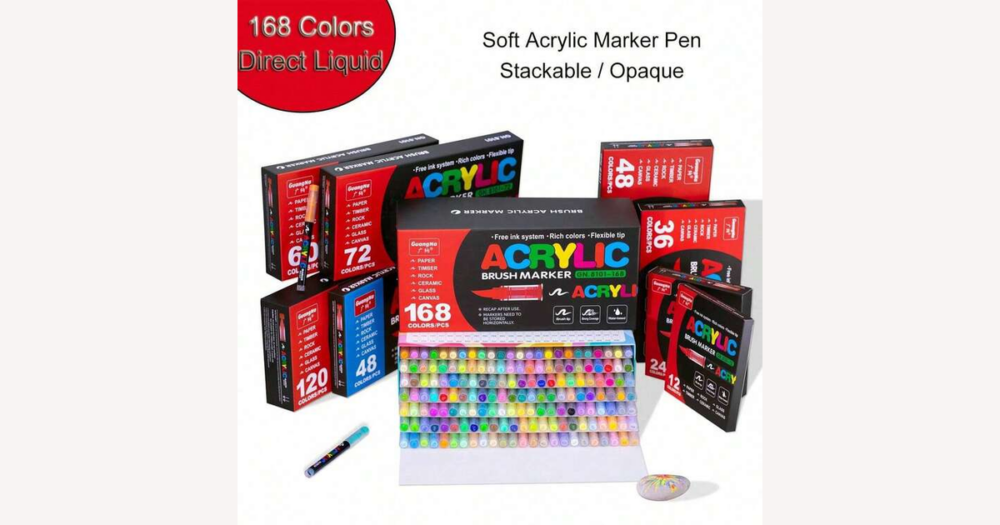
To find high-quality caulk pens and paint markers on DHgate, focus less on chasing specific brands and more on reading the product page: ink type, tip size, surface compatibility, and how past buyers rate the seller are what really tell you whether a set is likely to work for your project. This guide explains those details and the basic DHgate buyer checks—so you can open any search result and evaluate it confidently without needing store rankings or live recommendations.
How this guide handles the “where to buy” question for caulk pens and paint markers
If you’ve already seen plenty of caulk pens and paint markers on big marketplaces like Amazon, that instinct is understandable—these tools are widely sold online. This DHgateWiki guide takes a different approach: instead of ranking stores or pointing you to specific brands, it focuses on helping you read DHgate-style product pages so you can judge marker quality yourself.
On DHgate, prices, discounts, and stock change quickly, and new brands appear all the time, so this page doesn’t try to track live deals or recommend a fixed “top 10.” What stays more stable are the things that actually affect how a pen set performs: ink type, tip size, surface compatibility, and simple signals of seller reliability such as ratings and review patterns.
The rest of the guide is built around that stable information. It explains the main marker types (like acrylic, oil-based, and other water-based pens), the key specs you’ll see in listings, how to match markers to your surface, and the buyer checks that matter on DHgate—so you can open any relevant search result and decide for yourself whether that set is likely to work for your project.
Main types of caulk pens and paint markers and what they’re good for
Most DHgate listings for caulk pens and paint markers fall into a few familiar categories. Water-based acrylic paint markers are often advertised as versatile and relatively easy to control, with opaque colors that work for general crafts on paper, card, canvas, many rocks, and glazed ceramics. Oil-based permanent paint markers are usually marketed as more durable on smooth, non-porous surfaces such as glass, metal, rubber, or certain plastics, where you want marks that resist casual rubbing or light moisture. You’ll also see other variants, including water-based non-acrylic pens, chalk-style markers, and specialty options like metallic or bright white pens designed to show up clearly on dark surfaces or add highlights.
In practice, buyers often reach for water-based acrylic markers when they want bright color, reasonable coverage, and easier cleanup on porous or semi-porous surfaces. Oil-based pens tend to be chosen when the priority is a more permanent line on slick materials, accepting that cleanup can be harder and fumes or bleed may be stronger. Specialty white or metallic pens are typically used for lettering on chalkboards, glass, or dark paper, or for accent work over other colors.
Drying time, bleed, and cleanup still depend on the exact product and the surface you’re working on, so the compatibility lists and reviews you’ll see in DHgate listings matter for confirming whether a specific set fits your project. Personally, I would rather start by deciding which ink type matches my surface and how permanent I want the mark to be, and only then compare brands and prices. When you begin a DHgate search with a clear ink category in mind—acrylic vs oil-based vs a specific specialty marker—it becomes much easier to scan listings for the right specs instead of being distracted by logos or unusually low prices.
Key specs to check on DHgate caulk pen and paint marker listings
- Tip size: scan the description for fine, medium, or broad tips. Fine tips are better for detailed lines, small lettering, and outlining; medium tips suit general labeling and everyday writing; broader tips are more useful for filling in larger areas or bold marks.
- Tip shape: look for bullet, chisel, or brush tips. Bullet tips give consistent, rounded lines for outlining and simple drawings; chisel tips can switch between thin and thick strokes for calligraphy or signage; brush tips mimic a paintbrush, making it easier to cover uneven surfaces or create expressive strokes.
- Single-tip vs dual-tip: check whether each marker has one tip or two. Dual-tip pens combine two sizes or shapes in one body, saving storage space but often splitting the ink reservoir between tips. Single-tip pens are simpler to use and can be easier for kids or one-purpose projects where you only need one line style.
- Color count and palette: note how many markers are in the set and what kind of colors you get. Small focused sets—such as all white, all black, or metallic gold and silver—work well for specific tasks like labeling or highlights. Large assorted-color sets suit broad art and craft projects, but they may include many similar shades you rarely use, and more colors usually mean a higher total price even if the cost per marker is lower.
- Opacity and coverage: pay attention to words like opaque, high coverage, or solid color, especially if you plan to write on dark or very smooth surfaces. Use listing photos and any buyer-uploaded images to judge how solid the ink looks on different materials rather than relying only on marketing terms.
- Overall spec clarity: when comparing DHgate listings, be ready to trade a huge color count or flashy packaging for clearer, more detailed specifications—tip size, shape, surface examples, and opacity—because good spec information makes it easier to predict how a set will behave in your real project.
Matching markers to surfaces: how to read material compatibility claims
Many caulk pen and paint marker listings on DHgate include material compatibility lists that mention surfaces like rock or stone, wood, paper, canvas, ceramic, glass, metal, plastic, and fabric. These lists are shorthand for the surfaces where the ink is expected to adhere reasonably well, but they are still part of marketing copy rather than a guarantee.
Start by naming your exact project surface as precisely as you can—for example, smooth glazed ceramic mugs, unfinished pine wood, or tempered glass panels. Then look for listings that mention that surface clearly instead of only saying “DIY crafts” or “various materials.” It’s a good sign when the same surface shows up more than once in the description, appears in product photos, or is mentioned in buyer reviews as a successful use case.
Surface type matters as much as the compatibility list. Porous materials such as wood, cardboard, and many papers tend to absorb ink, which can help with drying and long-term adhesion but may also lead to bleed-through. Non-porous surfaces like glass, metal, plastic, and glazed ceramic keep the ink more on top, so marks can be more sensitive to handling, washing, or outdoor exposure. Even when a listing describes the ink as waterproof or permanent, durability still depends on how often the item is touched, cleaned, or left in sun and moisture.
To keep expectations realistic, treat compatibility and durability claims as starting points, not promises. Whenever possible, test the marker on a small, less visible area of your item before committing to a full design, especially for gifts or home decor. On DHgate-style pages, use all available clues—close-up listing photos, Q&A sections if present, and buyer-submitted images—to confirm that people have actually used the markers on surfaces similar to yours instead of relying solely on the text list of compatible materials.
Quality and seller reliability signals to look for on DHgate
On DHgate, treat ratings and reviews as patterns rather than one-off scores. Look at the overall star rating together with how many orders or reviews the listing has, and check whether recent feedback is broadly consistent with older comments instead of relying on a single glowing—or angry—review.
Review content is often more useful than the number itself. Scan comments for specifics about ink flow, whether pens arrived dry or dried out quickly, how accurate the colors are compared with photos, and how the markers behave on named surfaces like rocks, glass, or fabric. Reviews that include clear photos or short video clips generally give you a better sense of real-world performance.
Seller history also matters. Check the seller’s overall rating, how long they’ve been active on the platform, and whether they offer multiple stationery or art-tool listings that attract steady, reasonably positive feedback. A seller with a stable track record across similar products is usually a safer bet than one with only a few recent orders and little information.
If a listing mentions safety or sustainability details—such as non-toxic formulations or use of recycled materials—treat these as nice extras, not proof that the pens will perform better. Read them alongside the core specs (ink type, tip size, compatibility list) and the review patterns rather than making a decision on certifications alone.
Listing clarity itself is a soft quality signal. Descriptions that clearly spell out ink type, tip sizes, compatible surfaces, and basic usage notes, supported by accurate, unconfusing photos, suggest that the seller understands the product and expects informed buyers. I would personally rather choose a moderately priced listing from a seller with clear descriptions and consistent reviews than chase the absolute cheapest option with vague copy and almost no feedback.
Common paint marker frustrations—and how to reduce the risk on DHgate
Large multi-color sets vs focused specialty sets
- Large multi-color sets with dozens or even 100+ shades are useful when you’re doing broad art and craft projects, experimenting with palettes, or sharing pens across different tasks. They often work out cheaper per marker, but you’ll get many near-duplicate colors and need more storage and organization to keep everything tidy.
- Smaller or single-color specialty sets—such as all white, all gold, metallic assortments, or a handful of key tones—fit better when you mainly outline, write on dark surfaces, add highlights, or repeat the same type of mark over and over. They limit clutter and make it easier to grab the exact pen you need for a specific job.
- The tradeoff is that large sets usually have a higher upfront cost and can be unnecessary for a one-off project, while small sets may cost more per marker but reduce waste and confusion when your color needs are simple.
- On DHgate, it usually makes sense to decide your ink type and tip style first, then choose the smallest bundle that comfortably covers your planned uses. I would rather start with a focused set from a seller, see how the pens behave on my surfaces, and only then move up to very large assortments once I’m confident in that product line.
- The most practical choice depends on your project and budget: if you know you’ll only use one or two colors, a well-chosen specialty set is often more sensible than chasing the biggest possible assortment just because it looks impressive in the listing.
Quick DHgate checklist before you order caulk pens or paint markers
- Product basics: before checkout, confirm that the ink type, tip size and shape, color count, and listed compatible surfaces match what you need for your project.
- Variants and quantity: double-check that you’ve selected the correct color set, tip option, and number of pieces, and that the total quantity in the description lines up with the variant name and photos.
- Seller and reviews: glance at the seller rating, transaction history, and recent reviews for this specific marker listing, paying attention to comments about dryness, color accuracy, and how the pens performed on particular surfaces.
- Photos and details: make sure the listing includes clear photos of the pens and swatches plus reasonably detailed text; if key information like tip size or surface compatibility is missing, consider messaging the seller or choosing a more complete listing instead.
- Shipping and timing: check estimated delivery windows and any shipping fees, and avoid very vague or long shipping estimates if your project has a firm deadline.
- Dispute and refund info: note how DHgate describes order protection and dispute or refund processes, and keep simple records such as screenshots of the listing and any messages in case you need to raise an issue later.
- Treat this checklist as a quick routine: spending a few minutes on these checks can prevent avoidable problems, especially when you’re ordering larger sets or multiple bundles at once.
FAQ: Ink type vs brand name—what should you prioritize on DHgate?
On DHgate, should I prioritize ink type and specs or brand name when choosing caulk pens and paint markers?
Ink type, clear specifications, compatibility information, and seller reliability usually matter more than brand name alone on DHgate. Accurate labels for acrylic vs oil-based or other water-based inks, detailed tip and color specs, realistic usage photos, and a seller with stable ratings and relevant reviews give you a better sense of how the pens may perform than a logo you recognize.
Brand reputation can help when it reflects consistent quality and responsive support, but lesser-known brands can still produce good markers, and popular names are not immune to problems like dry pens, weak opacity, or inconsistent colors. I would personally rather buy a clearly described set with the right ink type, good photos, and strong feedback from a reliable seller than a vaguely described set with a trendier name but thin or mixed reviews.
Treat brand as one factor among many, not the deciding factor. Use the framework from this guide—ink type, specs, surface compatibility, quality signals, and the DHgate checklist—as your main tools for deciding which marker set to order.