
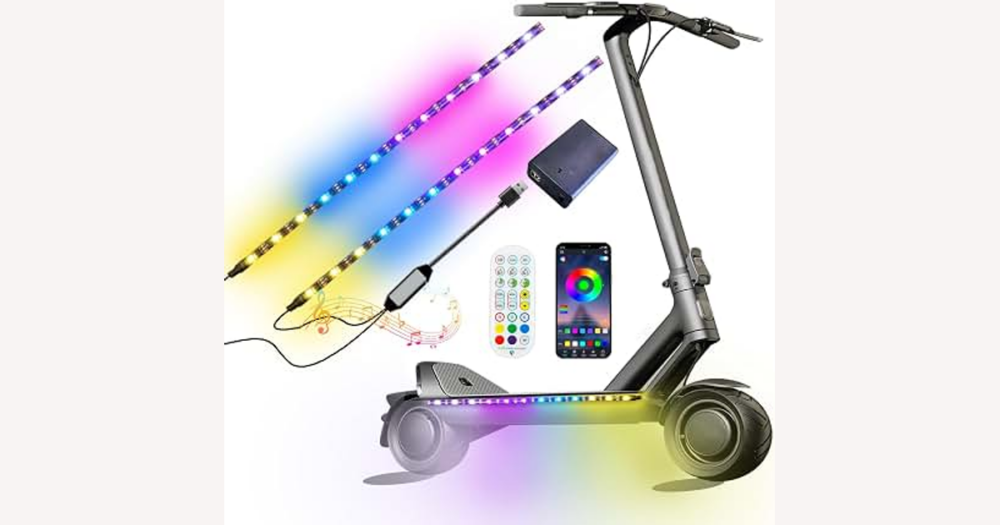
If you’re looking at scooter lighting kits on DHgate and don’t recognize the brands, the safest move is to stop hunting for a single “best” kit and start using a checklist. Focus on listings that spell out brightness, beam pattern, power source, waterproofing, mounting and compatibility, then weigh those details against the seller’s reviews, history, shipping and return terms, and DHgate’s buyer protection. This guide walks through those signals so you can decide which kits are reliable enough for your own risk tolerance without turning the page into a shopping list.
Use a checklist mindset instead of hunting for a single “best” kit
On DHgate, the task isn’t to track down a single universally “best” scooter lighting kit or jump to another store. You’re choosing whether a specific listing is reliable enough for your own risk tolerance, using what the product description, seller record, and DHgate’s systems actually show you.
A practical way to do that is to think in checklist terms. Reliable listings for scooter lights tend to share a few themes: clear technical specs (brightness in lumens, how the beam is shaped, how the kit is powered), sensible materials and build, stated compatibility with your scooter type and mounting points, a realistic sense of installation complexity, plus a seller history that includes consistent buyer reviews and use of DHgate’s buyer protection features rather than vague promises.
I’m naturally cautious: I’d rather choose a kit whose listing offers concrete, internally consistent details from a seller with a track record, even if the price is higher, the design is less flashy, or the shipping is slower. Vague listings from unknown sellers are generally not worth the risk unless you’re deliberately experimenting on a very tight budget and fully accept a higher chance of disappointment. The rest of this page builds on that mindset by unpacking what those specs mean, how materials and compatibility work in practice, and how to apply a DHgate-focused checklist before you decide whether to order.
Understand the key specs that should appear in a reliable lighting kit listing
For scooter lighting kits on DHgate, the most useful reliability signals come from concrete technical specs. Brightness is usually described in lumens, which is a rough measure of total light output. Accent or “be seen” lights often sit in a lower lumen range, while headlight-style kits intended to light the path tend to be higher. Claims like “super bright” without numbers are weak signals, and extremely high lumen figures with no other detail can be a sign of marketing hype rather than carefully specified hardware.
Beam pattern is the next piece. A spot beam focuses light in a tighter, longer-reaching cone, while a flood beam spreads light more broadly for close-in visibility. Some listings mention a beam angle or show photos of how the light hits the ground or a wall; those details help you judge whether a kit is mainly for seeing the road, being seen by others, or both, and whether that matches how and where you ride.
Power source should also be clear. Kits may use rechargeable batteries, connect via USB to an external power pack, or wire into the scooter’s electrical system. A reliable listing explains how the kit is powered, the voltage it expects, how it connects, and whether batteries or a power pack are included. If those points are missing or vague, you’ll have a harder time knowing whether the light will work safely with your scooter and how often you’ll need to charge or replace anything.
Weather resistance is another area where specificity matters. Many LED lights use IP-style ratings to describe protection against dust and water. When a listing gives a plausible rating or at least clearly states rain resistance in a consistent way, that’s a stronger signal than generic “waterproof” language repeated across every product. Even then, these are expectations, not guarantees—real-world performance still depends on how and where you ride.
Mounting details tell you both how safe the kit may be and how likely it is to fit. Listings should explain whether the light uses clamps, brackets, adhesive strips, zip ties or another system, and show photos of where it attaches (bars, stem, front basket, frame). Clear mounting descriptions help you avoid setups that could slip, rattle loose, or interfere with folding or steering.
Finally, look at the lighting modes and flash patterns. Some kits offer a steady beam only, while others add flashing, strobe, multi-color or animated effects. Listings that briefly describe these modes give you a sense of how visible you’ll be and how intense or distracting the light might feel in shared spaces like sidewalks or paths. If you prefer calm, predictable lighting, you may want to skip kits that emphasize aggressive strobe or loud visual effects without much explanation.
Overall, I place more trust in DHgate listings that tie these specs together with concrete, internally consistent numbers and descriptions than in ones that rely on hype or implausibly bold claims. Specific lumen figures, beam information, power details, weather statements, mounting descriptions and mode lists can’t guarantee performance, but they do show that someone has thought through the product enough for you to judge whether it fits your needs and risk tolerance.
Use materials and build cues to gauge durability
Once you’ve looked at brightness and modes, the next reliability signal on DHgate is how the kit is physically built. The housing material is the most obvious cue. A metal body—often aluminum—tends to handle bumps, occasional knocks, and heat from the LEDs better than very thin plastic, and it usually feels more intentional in close-up photos. That said, a compact plastic housing with clean seams and decent buyer feedback can be fine for low‑stress accent lighting where it’s not taking hard impacts or sitting near hot components. I’d be wary of housings that look flimsy, have uneven molding, or show gaps between parts, especially if the listing text doesn’t acknowledge how they’re meant to be used.
Cabling is another place where you can see care (or the lack of it). Thicker or braided insulation, rubber grommets where wires pass into a housing, and visible strain relief near plugs all suggest the seller has thought about vibration and flex over time. In contrast, very thin cables that already look kinked in photos, wires hanging loosely from the light with no protection, or connectors that seem half‑exposed are weak signals for durability. When photos and text line up to show protected runs of cable and covered connectors, I’m more comfortable trusting that kit than one with “premium” claims but messy wiring.
Connectors and switches should look simple and clearly described rather than mysterious. Kits that appear reliable often use straightforward barrel plugs, USB leads, or clip connectors with a brief explanation of how they attach, plus switches that are visibly seated in the housing or on an inline controller. Mentions of water‑resistant or dust‑resistant connectors can be a positive sign when they’re consistent with what you see in the pictures. Unlabeled plugs, switches that appear loosely attached, or connection points you can’t trace from the photos are warning signs that you may struggle to install or maintain the kit.
Brackets and mounts matter just as much as the light itself, especially on parts of the scooter that vibrate or move. For handlebar or stem mounting, look for wide contact surfaces, multiple fasteners or screws, and clamps that appear to wrap securely around the tube. Under‑deck or frame mounting should show brackets or adhesive backed by straps or other mechanical support. Tiny clips, single‑point mounts, or bare adhesive with no mechanical reinforcement are less reassuring on scooters that see daily use or rough surfaces. Listings that show the mount from several angles and explain which scooter parts it’s designed for give you more confidence than generic “easy install” claims.
Overall, stronger materials and thoughtful build cues improve expectations but don’t promise safety or long‑term reliability on their own. On DHgate, I treat metal housings, protected cabling, clear connectors, and sturdy mounts as comparative signals when choosing between similar listings. If one kit costs a little more but its photos and description line up to show intentional construction, I’m more likely to choose it over a cheaper option with vague text and flimsy‑looking parts, while still recognizing that real‑world performance depends on how and where the scooter is used.
Check compatibility with your scooter before you click buy
A solid‑looking lighting kit still isn’t useful if it doesn’t fit or work with your scooter, so compatibility has to be part of the trust decision on DHgate. Start with scooter type. Mobility scooters usually have a seated rider, baskets, armrests, and existing wiring paths, while stand‑up electric scooters and kick scooters rely more on handlebars, stems, and decks for mounting. A kit advertised for bicycles or stand‑up scooters might work on a compact e‑scooter but be awkward or unsafe on a larger mobility scooter with different tube shapes and mounting areas. I’d favor listings that clearly state the intended scooter or vehicle type and show mounting examples that resemble your setup, rather than assuming a “universal” kit will fit everything.
Physical mounting points and sizes are the next check. Handlebar diameter, stem shape, fork area, basket rails, and the edges under the deck all affect whether clamps, brackets, or light strips can actually sit securely. Reliable listings usually specify clamp ranges or tube sizes and give strip lengths, so you can compare them to your own measurements. If your scooter has very thick or tapered bars, integrated displays, or unusual baskets, you’ll want to see photos that show the mount on similar hardware, not just a generic stock image.
Power and voltage are fundamental compatibility issues. Some kits are self‑contained, using replaceable batteries, a rechargeable pack, or USB power; these generally avoid tapping into the scooter’s electrical system and are easier to treat as plug‑and‑play. Others are designed to connect to the scooter battery or wiring harness. For those, a careful listing should state the expected voltage, connector type, and basic wiring instructions so you know whether they match your scooter. If a wired kit doesn’t clearly explain these points, I’d skip it, because the risk of incorrect voltage or poor connections outweighs the savings. Battery or USB options are safer when you’re not comfortable with electrical work.
Cable routing and length also determine whether a kit is practical on your scooter. Under‑deck or multi‑part kits need enough cable to reach from the power source to each light element without being stretched tight. Listings that mention approximate cable length or show routing paths along the frame help you judge whether wires can be tucked neatly and kept away from moving parts. If you can’t tell how the cables are supposed to run—or they look barely long enough in the photos—you may end up either straining the wires or having loose loops that can snag.
Personally, I avoid kits that don’t clearly explain both how they mount and how they’re powered. On DHgate, missing or vague compatibility details are a red flag: they suggest the seller hasn’t thought through real‑world fit and electrical safety. Unless you are comfortable taking on extra risk and troubleshooting, it’s better to choose a listing that spells out scooter type, mounting sizes, power method, and cable layout in enough detail that you can compare it to your own scooter before you click buy.
- Measure key parts of your scooter before you start shopping: handlebar diameter, stem or basket tube sizes, and any edges or flat areas under the deck where strips or pods might attach.
- Open a DHgate lighting kit listing and check that the stated clamp range, bracket style, or strip length matches the measurements and scooter type you noted. If the listing only says “universal fit,” look harder at the photos to see whether the hardware resembles your scooter.
- Review the power section of the description to confirm whether the kit uses replaceable batteries, a rechargeable pack, USB, or scooter wiring. Where voltage or connector type is mentioned, check that it aligns with your scooter’s specs and your comfort level; treat missing or vague power details as a warning sign.
- Scan all listing photos for cable routing and approximate cable length, judging whether wires can realistically run from the power source to each light without being stretched or left dangling near moving parts.
- After reading the full description and viewing every photo, if mounting points, sizes, or power details are still unclear, treat the kit as a compatibility risk. Either send the seller specific questions through DHgate to close the gaps or move on to a listing that gives you enough information to feel confident before ordering.
Follow a DHgate-specific checklist before you order
- Scan the title and main images to confirm the kit is clearly presented as scooter lighting, that the scooter type and mounting style match what you need, and that the images all show the same kind of product instead of a random mix.
- Read the full description carefully to confirm key specs—brightness in lumens, power source and voltage, waterproof or weather‑resistance rating, lighting modes, materials, and compatibility claims. Treat missing, vague, or obviously copy‑pasted specs as a warning that the overall listing may be unreliable.
- Inspect every photo for close‑ups of housings, cables, connectors, switches, and mounting hardware, and for at least one image that clearly shows how the kit attaches to a scooter. Be cautious if you only see generic studio shots or heavily edited pictures with no real mounting details.
- If the listing offers multiple variations (for example different colors, lengths, numbers of lights, or kit types), double‑check that the option you select matches the description, specs, and photos attached to that specific variation, not just the default one.
- Review the seller’s overall rating, number of completed orders, and any visible history indicators. A seller with a solid track record and consistent feedback usually inspires more confidence than a nearly unrated account with only a handful of perfect scores.
- Read a sample of recent buyer reviews and Q&A, focusing on specific comments about fit, brightness, build quality, waterproof performance, and shipping experience instead of relying only on star scores or very short remarks.
- Check the shipping options, delivery time estimates, and return or replacement terms on the listing and DHgate order pages so you understand how long the kit may take to arrive and what happens if it’s damaged, defective, or not as described.
- Decide whether the listing meets enough of these checklist points for your risk tolerance. I’d rather walk away from kits that fail on multiple checks, even if they’re cheap, and choose a less flashy but clearly described option than gamble on an impressive‑looking yet vague listing.
Watch for red flags and higher-risk listing patterns
- Missing, vague, or contradictory specs—such as brightness numbers that change between the title and description or an unclear power source—are a sign that other details may also be unreliable.
- Stock‑like, mismatched, or obviously copied photos, especially images that don’t show scooters at all or don’t match the described mounting style or colors, are a warning signal that the listing may not represent the actual kit accurately.
- Prices that sit far below similar scooter lighting kits on DHgate without any clear explanation can be tempting but often coincide with cheaper materials, weaker quality control, or products that don’t fully match the description.
- Listings with very few orders or reviews compared with similar options aren’t automatically bad, but they carry more uncertainty because there’s less real‑world feedback about what buyers received and how the kit performs.
- Review patterns that repeat the same problems—broken brackets, very dim lights, poor waterproofing, or kits not fitting the scooter as described—are strong caution signs even if the average star rating looks acceptable.
- Unclear, hard‑to‑find, or very restrictive return, warranty, or after‑sale information is a risk factor for electronic lighting kits, which can arrive damaged or defective and may need replacement or a refund.
Any single red flag increases uncertainty, but it doesn’t prove a listing is fraudulent or doomed to fail. The more warning signs you see in the same scooter lighting kit—contradictory specs, generic photos, very low price, thin review history, and vague return terms—the more likely you are to end up disappointed.
I personally avoid kits that stack several of these warning signs and only treat very low‑priced, high‑risk listings as deliberate experimentation where I fully accept the chance of wasting the money. When I care about everyday visibility and reliability, I’d rather pay a bit more for a kit whose information and seller record feel coherent.
To see what a more trustworthy presentation looks like, compare several DHgate listings for similar scooter lighting kits side by side. Look for entries where specs, photos, reviews, and policies line up cleanly, and favor those more transparent listings when they fall within your budget and risk tolerance.
Balance price, detail, and effort: two common listing styles
| Listing style | What you typically see | Upsides | Trade-offs |
|---|---|---|---|
| Detail-rich, usually higher-priced kits | Clear lumen numbers, stated waterproof or IP ratings, mounting details, and multiple close-up photos that look like real shots of the same product; seller pages often show more past orders and reviews that mention installation and performance. | Easier to judge what you’re actually buying, with better visibility into brightness, fit, and build quality; seller history and review content give you more confidence that the kit behaves roughly as described. | You usually pay more up front and may have fewer flashy extras or color modes; you still need to read carefully and accept that even well-documented kits can arrive with minor defects or need some adjustment. |
| Cheaper, minimally detailed kits | Low prices and eye-catching images, but few or no hard numbers for brightness or waterproofing, vague compatibility claims, and limited or generic reviews; photos may look more like stock images than real buyer shots. | Appealing if you want to spend as little as possible or experiment with a fun lighting idea without committing to a premium kit. | Higher uncertainty about actual performance, durability, and fit; you’ll need to do more verification work yourself and be comfortable with the chance of wasting the money or receiving something you must modify to use safely. |
Given the choice, I usually prefer the better-documented, sometimes more expensive listings because the clear specs, real photos, and visible seller track record make outcomes more predictable, even if that means fewer color modes or extra effects.
Some readers may intentionally try a cheaper, low-detail kit first as a small experiment, which can be reasonable as long as you only risk money you’re willing to lose and accept that you might need to tweak or replace the kit if it disappoints.
Price by itself doesn’t guarantee quality. A sensible decision weighs price together with the level of detail in the listing, the seller’s history and reviews, and how much extra verification work you’re willing to do. Comparing several DHgate scooter lighting listings side by side is a good way to see these differences and match your choice to your own risk tolerance and priorities.
Light-touch ways to cross-check listing claims
- Search the model number or distinctive product name in a separate tab to see whether it shows up on what appears to be a brand or manufacturer site, and check if the specs and photos there are broadly consistent with the DHgate listing.
- Scan DHgate for other listings that seem to show the same kit; if lumen numbers, waterproof ratings, and images line up across several sellers, that’s a mild positive signal, while sharply different claims for what looks like the same product are a warning.
- Compare the listing’s lumen and waterproof claims with typical ranges mentioned in neutral scooter‑ or cycling‑light guides you can find via search; use this as a sanity check to spot obviously extreme or implausible numbers rather than as precise proof of performance.
These quick cross‑checks can help you decide whether a promising DHgate scooter lighting kit looks at least plausible and may expose outliers whose claims don’t match what you see elsewhere. They’re useful for catching red flags before you commit money.
They still can’t guarantee quality, durability, or safety. I’d use external verification to support a listing that already looks solid by DHgate standards—clear specs, consistent photos, and a decent seller record—not to rescue a kit whose details are vague, contradictory, or poorly presented on the platform itself.
Use DHgate’s buyer protections as a safety net, not a guarantee
DHgate’s buyer protections are designed to add a layer of safety around your scooter lighting kit purchase, not to replace careful checking before you order. Platforms like DHgate often hold payment temporarily, show order tracking, and use confirmation windows so funds are only fully released to the seller after you confirm receipt or a time limit passes. That structure gives you a short window to check whether the kit roughly matches the description before the transaction is considered complete.
If something goes wrong—your kit never arrives, shows up damaged, or is significantly different from what the listing promised—DHgate offers dispute and refund processes that generally start with messaging the seller through the platform. You can usually describe the problem, ask for a resolution such as a replacement or partial refund, and escalate to a formal dispute if you can’t agree. Common issues include non‑delivery, serious defects, or major differences from the advertised specs or mounting style.
Exact rules for these protections, including which issues qualify, how long you have to open a dispute, and what evidence you need, can change over time. Before relying on any buyer protection feature, check DHgate’s current help or policy pages so you understand the latest time limits and requirements for your specific order and region.
To give yourself the best chance of a fair outcome, keep screenshots of the listing, save key parts of the description, and photograph the packaging and product as soon as it arrives—especially if you notice damage or compatibility problems. Using DHgate’s messaging system to document conversations with the seller also helps show how you tried to resolve the issue if a dispute becomes necessary.
I treat these protections as a safety net in case a scooter lighting kit slips through my pre‑purchase checklist, not as a reason to relax that checklist or assume every problem will be perfectly fixed. Careful evaluation of specs, materials, compatibility, reviews, and return terms still does most of the risk‑reduction work; DHgate’s buyer tools mainly help you push for a fair resolution when those precautions aren’t enough.
FAQ: Power, noise, and what if it doesn’t fit?
Do scooter lighting kits on DHgate usually include batteries or a power pack?
Inclusion varies a lot. Some kits come with built‑in rechargeable batteries or a small power pack, while others expect you to supply your own batteries or use USB or scooter wiring. Check the listing carefully for phrases like “batteries included,” “power bank not included,” or “no battery” and look at the photos for what’s actually in the box. If you plan to use your own power source, make sure the connector type and voltage described in the listing match what you have.
Will multi‑mode or flashing scooter lighting kits be too noisy or distracting?
Most scooter lighting kits are physically quiet, but rapid flashing, strobe effects, or intense multi‑color patterns can be visually overwhelming, especially in shared spaces like sidewalks or paths. If you’re worried about distraction, look for listings that describe mode options clearly and mention steady or low‑key modes, and plan to use those calmer settings where bright effects might bother others.
What should I do if the lighting kit doesn’t fit my scooter when it arrives?
First, see whether safe adjustments are possible—such as using a different mounting point the seller shows in the photos, or slightly repositioning brackets—without stressing cables or blocking steering or folding. If it still won’t fit as described, contact the seller through DHgate with clear photos and refer to the listing’s compatibility claims. When the product is significantly not as described, you can usually open a dispute within DHgate’s time limits and ask for a refund or other resolution, following the platform’s current instructions.
How long can I expect a scooter lighting kit from DHgate to last?
Real lifespan depends on design, materials, waterproofing, how often you ride, and how much vibration or weather the kit sees, so there’s no standard guarantee. Use reviews as a rough signal—comments that mention months of use without major problems are more reassuring than reports of early failures—but avoid assuming every kit will perform the same way. Treat durability as one of several factors in your overall risk decision rather than a promise.
Practical details like whether power components are included, how intense the light modes feel, whether a kit truly fits your scooter, and how long it lasts can differ widely between DHgate listings. The safest approach is to rely on each product’s specific description and user reviews, and to keep photos and order records so you can use DHgate’s messaging, dispute, and refund tools if the kit turns out to be significantly different from what was advertised.
When you start browsing scooter lighting kits, apply the checklist you’ve built: confirm specs, materials, and compatibility, watch for red flags in photos, prices, and reviews, and only order from sellers whose information and policies feel coherent for your risk tolerance. DHgate’s buyer protections are there as a backup if something still goes wrong, but careful reading and comparison remain your main way to avoid problems in the first place.