
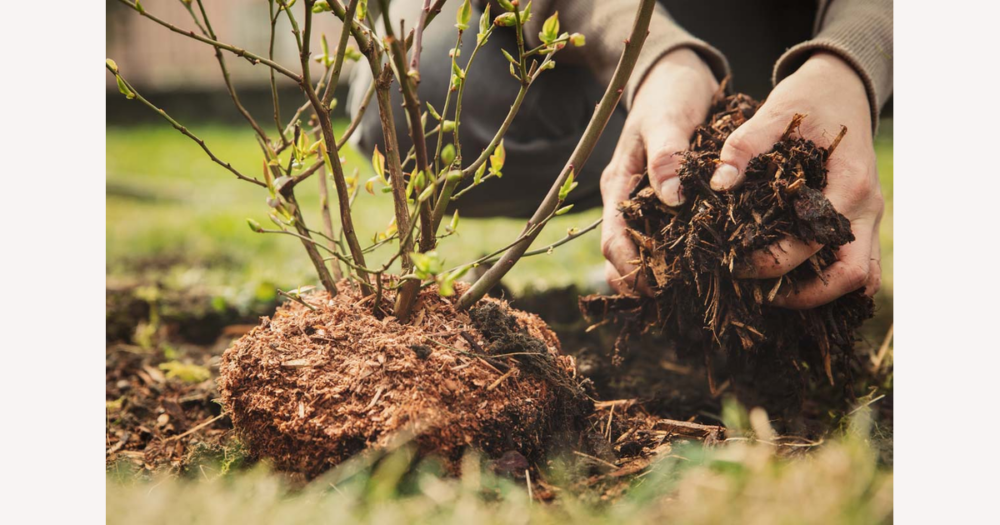
When you search for “mindful hemp mulch” on DHgate, you’re not entering a special certified category—you’re seeing hemp-based mulch or soil products framed with feel-good, eco language by many different sellers. Instead of chasing a single best store, you’ll get better value by comparing each listing’s material details, quantity, price, and seller reputation so you can match the product to your garden and your comfort level with risk.
What “mindful hemp mulch” usually means on marketplaces like DHgate
On DHgate, “mindful hemp mulch” is not a fixed category or regulated grade; it’s usually hemp-based material—such as hemp hurd chips, shredded fiber, or similar plant byproducts—marketed with feel-good language about being natural, eco, or wellness-focused. When you search, you may see different hemp mulch-style products and even other hemp items grouped together, all sold by independent sellers using their own wording. Because of that, there’s no single store or listing that is always the best deal. The practical way to shop is to treat “mindful” as branding and then compare individual listings by verifiable details: what the material actually is, how much you get, the price for that quantity, and how solid the seller’s reputation looks within DHgate’s system.
Key hemp mulch specs and quality cues to check in a DHgate listing
- Form: Note whether the product is described as chips, shreds, pellets, or powder. Chunkier chips and shreds tend to give a more textured surface and decompose more slowly, while finer pellets or powder can pack more tightly, change surface appearance, and break down faster.
- Particle size and texture: Look for any mention of fine, medium, or coarse particles, or size ranges in millimetres. Finer material usually gives smoother coverage and may hold more moisture at the surface; coarse chunks are better for airy mulch layers but can look rougher.
- Composition: Check whether the listing says it’s pure hemp hurd or a mix of hemp with other plant materials or fillers. A clear composition description helps you judge how it might behave in soil and whether it aligns with your preference for single-material versus blended mulch.
- Additives: Scan for declared additives such as fertilizers, binders, or dyes. Extra nutrients or binders can change how the mulch interacts with plants and water, while dyes affect appearance and may matter if you are trying to avoid synthetic ingredients.
- Moisture level: If the listing mentions being dry, low-moisture, or pre-dampened, factor this into shipping weight and handling. Very wet material can be heavier and may compact more during transit; very dry mulch can be dusty and may need moistening before use.
- Color: Note the described color and what photos suggest about whether it looks natural or strongly tinted. Uniform, plant-like tones often indicate straightforward processing, while intense or unusual colors may point to added dyes that you should be comfortable using.
- Packaging size and unit of measure: Confirm how quantity is expressed—kilograms, liters, cubic feet, or number of bags per lot—and connect that to the area you want to cover. Clear units make it easier to estimate how many packages you will need and compare real value between offers.
- Stated intended use: Read whether the product is advertised for mulch layers, soil amendment, animal bedding, or another purpose. Choosing a product whose primary use matches your plan reduces the risk of buying a hemp material formulated for a different context.
Is hemp mulch a good fit for your beds, containers, and climate?
Hemp mulch behaves much like other organic mulches: it forms a loose surface layer that can help the soil hold moisture, moderate temperature swings, and gradually break down into organic matter. That can be useful in many gardens, but it works best when the mulch layer matches your beds, drainage, and climate rather than being treated as a magic upgrade.
In raised beds and vegetable patches, think first about how quickly water drains and how much rain you usually get. A thick layer of fine hemp particles over already heavy or poorly drained soil can keep the surface too wet around roots, while a looser, coarser layer over well‑draining soil can help retain moisture without turning the bed soggy. If your climate is very wet or cool, you may prefer a thinner mulch layer; in hot, dry conditions, a slightly deeper layer can help protect the soil surface.
For decorative beds, appearance often matters as much as function. Consider the described color and texture and whether a chunky or smooth finish suits your layout and nearby plants. In containers and pots, a light layer of mulch can reduce surface drying, but a thick or very compacted layer may not suit every indoor or balcony setup, especially where airflow is limited or excess moisture could encourage fungus or pests.
Local wind and exposure also play a role: lighter, fluffier materials can blow around in open, windy spots if they are not applied in a modest depth or lightly worked into the surface. If you are unsure how hemp mulch will behave in your conditions, it’s safer to order a smaller quantity or test it in one bed or a few containers first, then adjust layer depth or product choice before committing to enough mulch for your whole garden.
Comparing hemp mulch prices and quantities for real value
- Identify how much hemp mulch each DHgate listing actually provides. Look for weight (kilograms), volume (liters or cubic feet), and how many bags or units are included per lot, then convert that information into a single unit wherever possible so you can compare total amounts directly.
- Calculate an approximate unit price by dividing the item price by the total quantity. Whether you end up with a price per kilogram, per liter, or per cubic foot, this gives you a common basis for judging which listings are genuinely cheaper for the amount of mulch offered.
- Estimate how much mulch your beds or containers might need by thinking about the area you plan to cover and the depth of the layer you want. Treat this as a rough guide, not an exact calculation, and check whether each listing’s total quantity seems likely to cover that area with a reasonable layer rather than leaving you short.
- Add shipping costs and any visible fees to the item price to get the total delivered cost. Bulky materials like mulch can have higher shipping charges, so a listing that looks inexpensive at first may end up costing more overall than a slightly higher‑priced item with cheaper or more transparent shipping.
- Watch for minimum order quantities or sample listings that only cover a small amount of mulch. A low headline price can hide a requirement to buy multiple lots or a volume far beyond what you need, which can turn an apparent bargain into wasted spend or storage hassle.
- When prices are close, I would rather choose a listing with a slightly higher unit price but clear specs, quantity, and shipping details than chase the absolute lowest price from a seller who gives vague information. If you are very price‑sensitive, you might still opt for the cheaper, less detailed offer—just do so knowing you are accepting extra uncertainty in exchange for that lower cost.
Checking DHgate seller reputation for hemp mulch-style products
- Check the overall seller rating and how many orders it is based on. A solid rating backed by many sales is more informative than a near‑perfect score from only a handful of transactions.
- Look at the number of completed transactions and how recent they are to see whether the seller is active and experienced with shipping items through DHgate.
- Scan buyer reviews and photos for comments that mention garden use, packaging quality, and material consistency, which matter especially for bulky products like mulch.
- Notice patterns in reviews about late shipping, damaged packaging, or products that don’t match the description, and treat repeated issues as a clear reason for caution.
- Evaluate how detailed and consistent the product description is, including specs, intended use, and any claims such as “mindful,” “eco,” or “organic.” Prefer listings where marketing language is backed by concrete details.
- I would choose sellers with a steady track record and thorough descriptions, even if their prices are slightly higher. If you decide to try a cheaper, less‑reviewed seller, do it knowingly, accepting that you are trading more uncertainty for lower upfront cost.
Order and payment checks before you commit
- Confirm that the item in your cart matches the hemp mulch variant you intended to buy, including size, quantity, packaging, and any options you selected on the listing page.
- Re‑read the full product description to make sure the specs, intended use, and images still align with your expectations before you proceed to payment.
- Verify the final total cost, including item price, shipping charges, and any visible taxes or fees, and compare this with your earlier unit price calculations to see if the deal still makes sense.
- Use only DHgate’s official payment channels and avoid any off‑platform payment requests, because platform‑mediated payments are more likely to fall under DHgate’s buyer protection mechanisms.
- Keep in mind that DHgate generally acts as an intermediary holding funds under certain conditions, but treat exact timelines and rules as something to confirm in current DHgate help materials rather than assuming they work a particular way.
- I would rather spend a few extra minutes double‑checking these order and payment details than rush into a slightly cheaper listing with unclear terms. If you prioritize speed or price, make that choice consciously, knowing you may be taking on more risk.
Shipping, disputes, and refunds for bulky hemp mulch orders
Common pitfalls when buying hemp mulch on DHgate
- Mixing up hemp mulch or hemp hurd with other hemp products such as craft fibers, textiles, or pet bedding. Prevent this by checking the category label, intended‑use text, and photos to confirm the product is described and shown as mulch or soil material.
- Overlooking units of measure and minimum order quantities, leading to far too much or too little mulch. Review whether the price is per kilogram, per lot, or for a sample, and confirm the actual weight or volume included in one order before comparing value.
- Accepting vague listings that skip form, composition, or intended use. If a seller doesn’t clearly state what the mulch is made of or how it’s meant to be used, treat the offer as higher risk and only proceed if you are consciously experimenting and comfortable with uncertainty.
- Treating buzzwords like “mindful,” “eco,” or “organic” as guarantees. Use these slogans as starting points, but still look for concrete specs, clear photos, and buyer reviews before deciding whether a hemp mulch listing meets your standards.
- Underestimating shipping costs, delivery times, and possible customs considerations for bulk shipments. Avoid surprises by checking shipping fees, estimated transit time, and any notes about duties, then compare total delivered cost—not just the item price—across listings.
Quick answers about ‘mindful’ hemp mulch and DHgate purchases
Does hemp mulch on DHgate always use the word “mindful”?
No. Most DHgate listings won’t use “mindful” as a formal label; it’s more of a marketing phrase. To find relevant products, search with broader terms such as “hemp mulch,” “hemp hurd,” or “hemp fiber,” then apply the same checks you’ve seen in this guide: form and particle size, composition and additives, quantity and packaging, intended use, price per unit, and seller reputation.
How can I tell hemp mulch apart from other organic mulches or hemp products in DHgate search results?
Focus on the intended‑use text and how the material is presented. Hemp mulch listings typically mention garden, soil, beds, or containers, and show bagged chips, shreds, pellets, or similar loose material. Other hemp products may be described for crafts, textiles, clothing, rope, or pet bedding and use photos of fabric rolls, yarn, or shaped items. If the description and images don’t clearly match mulch or soil material, treat the product as something else and keep looking.
What should I do if my hemp mulch order doesn’t match its DHgate description?
Document the problem as soon as you notice it: take clear photos of the product, packaging, and any differences from the listing, and keep your order records. Re‑read the original description to confirm what was promised, then follow DHgate’s current dispute or refund instructions, including any time limits for opening a case. The exact steps and timelines depend on DHgate’s latest policies, so check the platform’s help or buyer protection pages directly before you submit a claim.